
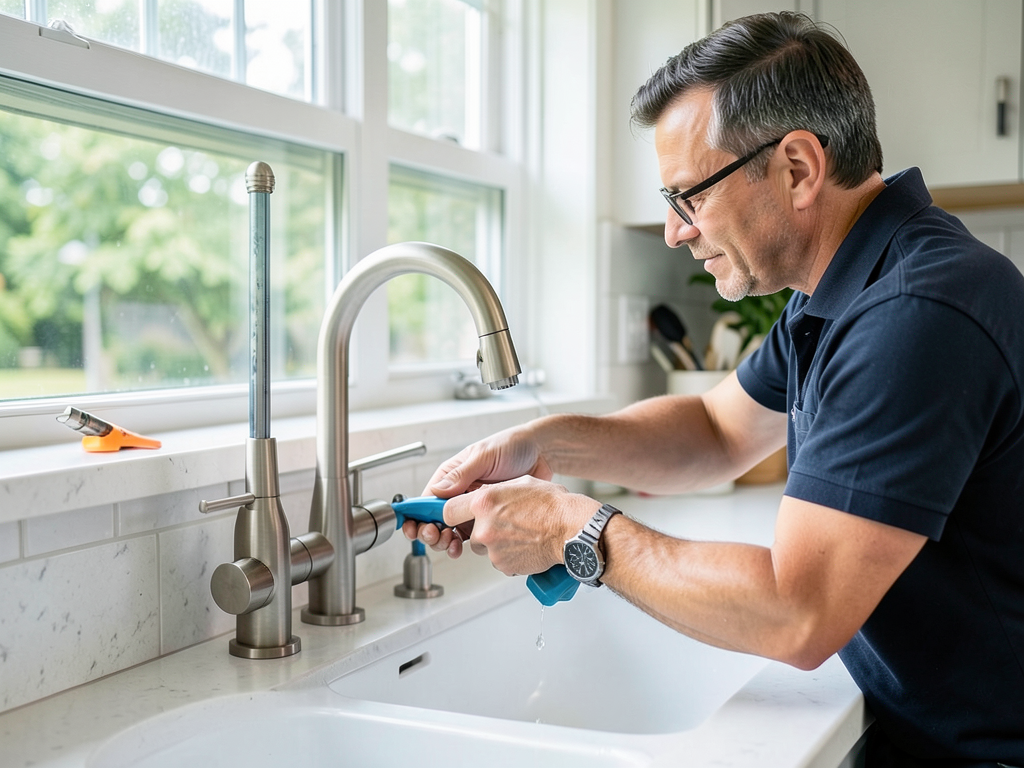
A Guide to Choosing Kitchen Faucet Finishes That Stand Up to Hard Water in Gladstone
Hard water leaves a chalky white residue on your faucet that makes your kitchen look dirty even after cleaning. In Gladstone, Kansas City’s mineral-rich water causes this buildup daily. The right faucet finish resists these deposits and keeps your kitchen looking new for years. Kansas City Water Services.
Kansas City water contains high levels of calcium and magnesium. These minerals bond to metal surfaces and create stubborn spots. Some finishes show every water spot while others hide them completely. The best finishes use special coatings that prevent mineral adhesion at the molecular level.. Read more about Water Softener vs Water Conditioner – Which is Right for Your Shawnee Home?.
Choosing the wrong finish means constant cleaning and early replacement. Polished chrome looks great in showrooms but turns cloudy within months in Gladstone. Oil-rubbed bronze hides spots but shows wear patterns. Understanding how each finish interacts with hard water helps you make the right choice. Plumbing Gladstone.
Why Kansas City Water is Tough on Faucets
Kansas City water measures between 7-12 grains per gallon of hardness. This puts it in the “very hard” category according to EPA standards. The Missouri River and local limestone aquifers contribute calcium carbonate that bonds strongly to metal surfaces. EPA WaterSense standards.
Water traveling through Gladstone’s municipal system picks up minerals from aging pipes. These deposits accumulate faster on horizontal surfaces like faucet spouts and handles. Temperature changes cause minerals to precipitate out more quickly, especially around hot water connections. Faucet & Sink Repair.
Galvanic corrosion accelerates when different metals contact in hard water. A brass faucet body with a zinc handle creates an electrical reaction that eats away protective coatings. This is why some “stainless” finishes still fail in our water conditions.. Read more about How to Safely Run a New Water Line for Your Refrigerator Ice Maker in North Kansas City.
Local water treatment plants add chlorine for safety but this chemical also attacks certain metal finishes. The combination of chlorine and hard minerals creates a perfect storm for finish degradation in Gladstone homes.
Top 4 Faucet Finishes for Resisting Hard Water Spots
Brushed Nickel (The All-Around Winner)
Brushed nickel creates a textured surface that scatters light and hides water spots effectively. The manufacturing process uses physical vapor deposition to bond nickel particles at the molecular level. This creates a finish that resists both mineral buildup and physical wear.
Delta’s Brilliance PVD finish and Moen’s Spot Resist technology use this same principle. The microscopically rough surface prevents water from sheeting evenly, so spots become invisible from normal viewing distances. A five-year-old brushed nickel faucet often looks newer than a one-year-old polished chrome fixture.
Maintenance requires only mild soap and water. The finish tolerates occasional vinegar cleaning without damage. Most manufacturers warranty brushed nickel finishes for life because they withstand Gladstone’s water conditions so well.
Cost ranges from $150-400 depending on brand and features. The initial investment pays off through reduced cleaning time and longer replacement cycles. Many Gladstone homeowners report their brushed nickel faucets still look new after seven years of hard water exposure.
Oil-Rubbed Bronze (Hiding the Spots)
Oil-rubbed bronze uses a chemical treatment that creates dark brown to black coloring with copper undertones. The uneven coloring naturally disguises water spots and fingerprints. This finish works by embracing the aged look rather than fighting it.
The surface contains wax or lacquer sealants that wear over time. This creates an authentic patina that many homeowners appreciate. Unlike polished finishes that show every spot, oil-rubbed bronze develops character with age.
Quality varies significantly between manufacturers. Premium brands use solid brass with PVD coatings while budget options use painted steel that chips easily. The finish requires occasional waxing to maintain its protective layer in Gladstone’s humid summers.
Installation costs average $200-350. The dark color shows dust more than water spots, so occasional wiping keeps it looking fresh. This finish works especially well in traditional or rustic kitchen designs common in Gladstone’s older neighborhoods.
Matte Black (Modern but High-Maintenance?)
Matte black finishes create dramatic contrast in modern kitchens. The flat surface doesn’t reflect light, so water spots become visible as white chalky marks. Hard water makes these spots stand out against the dark background.
PVD-applied matte black resists chipping better than painted alternatives. However, the finish shows soap scum and mineral deposits more than any other color. Daily wiping becomes necessary to maintain the showroom look.
Some manufacturers now offer “Spot Guard” technology that adds a hydrophobic coating. This causes water to bead up and roll off before minerals can deposit. Even with this technology, matte black requires more maintenance than brushed finishes in Gladstone’s hard water.
Prices range from $250-500 for quality fixtures. The bold look appeals to homeowners wanting contemporary style. Just understand that matte black will show every hard water spot in your Gladstone kitchen.
PVD Finishes (The Science of Durability)
Physical Vapor Deposition bonds metal ions to the base material using electrical charges in a vacuum chamber. This creates a finish harder than the base metal itself. PVD finishes resist scratching, corrosion, and mineral buildup better than any traditional plating method.
The process allows manufacturers to create colors impossible with traditional methods. Titanium nitride creates gold tones while zirconium creates black finishes. These colors penetrate the entire coating thickness rather than sitting on the surface.
Kohler’s Vibrant PVD and Delta’s Brilliance PVD use this technology. Independent testing shows PVD finishes last 2-3 times longer than electroplated alternatives in hard water conditions. The molecular bond prevents delamination even when cleaning with mild acids.
Cost ranges from $300-600 but includes lifetime warranties from most manufacturers. The technology works especially well for Gladstone’s water conditions because it resists both mineral adhesion and chemical attack from chlorine.
Finishes to Avoid if You Don’t Have a Water Softener
Polished chrome creates a mirror finish that shows every water spot. The smooth surface allows minerals to sheet and dry in place. Within weeks, your faucet develops a cloudy white film that requires special cleaners to remove.
Polished brass suffers similar problems but with added corrosion risk. The copper content reacts with chlorine and oxygen, creating green verdigris stains. Gladstone’s combination of hard water and treated municipal supply accelerates this deterioration.
Gold-plated finishes look luxurious but the thin gold layer wears through quickly. Once the base metal shows, galvanic corrosion begins immediately. These finishes often fail within 18-24 months in our water conditions.
Antique copper develops a green patina that some homeowners like. However, the process is unpredictable and can create uneven coloring. Hard water spots show as lighter areas against the darker patina, creating a patchy appearance.
Living finishes intentionally change over time. While this appeals to some design aesthetics, the constant change means your faucet never looks the same from month to month. In Gladstone’s hard water, these finishes deteriorate faster than they develop character.
Maintenance Tips: Cleaning Without Destroying the Finish
Daily maintenance prevents mineral buildup from becoming permanent. Wipe your faucet with a soft cloth after each use. This removes water before it can evaporate and leave deposits behind.
For weekly cleaning, mix one part white vinegar with three parts water. Apply with a microfiber cloth and rinse thoroughly. Avoid abrasive pads that can scratch protective coatings. The vinegar dissolves mineral deposits without harming most modern finishes.
Never use bleach-based cleaners on any faucet finish. Chlorine attacks metal at the molecular level and voids most warranties. Even “stainless” steel can pit when exposed to chlorine over time.
Clean the aerator every three months to maintain water flow. Gladstone’s hard water causes mineral buildup inside the aerator screen. Unscrew it, soak in vinegar for 30 minutes, and scrub with an old toothbrush.
Apply car wax to clean faucets twice yearly. The wax creates a hydrophobic barrier that makes water sheet off rather than spot. This simple step extends the life of any finish in hard water conditions.
Professional Installation vs. DIY
Proper installation prevents internal hard water damage that ruins faucets from the inside out. Incorrect sealing allows moisture behind the fixture where mineral deposits accumulate unseen. This causes corrosion that appears as finish failure on the surface.
Professional plumbers use specialized tools to ensure proper torque on supply line connections. Over-tightening strips threads while under-tightening causes slow leaks that damage cabinets. Both scenarios lead to premature faucet failure in Gladstone’s humid conditions. DIY vs. Professional Drain Cleaning.
Water hammer from fast-closing valves damages ceramic cartridges in modern faucets. Professional installation includes checking household water pressure and installing hammer arrestors where needed. This prevents the knocking sounds that indicate damaging pressure spikes.
Many Gladstone homes have mixed pipe materials from decades of repairs. Connecting copper to galvanized steel creates galvanic corrosion cells. Professional plumbers know which dielectric unions prevent these reactions and protect your new faucet investment.
DIY installation often voids manufacturer warranties. Most require professional installation for the lifetime finish warranty to remain valid. The few hundred dollars saved on installation could cost thousands when the finish fails after 18 months.
Frequently Asked Questions
How long should a kitchen faucet last in Gladstone’s hard water?
Quality faucets with appropriate finishes typically last 10-15 years in Gladstone. The finish may show wear before the internal components fail. PVD finishes often last the full 15 years while traditional plated finishes might need replacement at 7-10 years.
Does a water softener eliminate the need for special faucet finishes?
Water softeners remove calcium and magnesium but don’t eliminate all mineral concerns. Softened water still contains sodium and other dissolved solids that can affect finishes. A good finish provides backup protection even with a water softener system.
Can I paint my existing faucet to change the finish?
Spray painting faucets creates immediate problems. Paint doesn’t bond well to metal under constant water exposure. Within weeks, the finish chips and peels, often worse than the original. Professional refinishing services exist but cost nearly as much as replacement with a proper finish.
What’s the most durable finish for a family with kids?
Brushed nickel offers the best combination of durability and spot resistance for busy families. The textured surface hides fingerprints and water spots while the PVD bonding resists chipping from impacts. Matte black shows fewer spots than polished finishes but shows dust more prominently.
How do I know if my current finish is failing?
Finish failure shows as flaking, peeling, or discoloration that doesn’t clean off. White spots that remain after vinegar cleaning indicate mineral penetration into the finish. Green or blue discoloration around base metal indicates corrosion beginning underneath the finish layer.
Are touchless faucets better for hard water areas?
Touchless faucets reduce hand contact but don’t prevent water spots. The sensor windows still show spots, and the spout accumulates deposits. However, they do reduce cleaning frequency since fewer fingerprints appear on the finish. The electronic components may also be more vulnerable to moisture damage in poorly sealed installations.
Should I choose my faucet finish before or after my countertop?
Choose your faucet finish after selecting your countertop material. Countertops create the largest visual impact and dictate whether you need a contrasting or complementary faucet finish. Dark granite often looks best with brushed nickel while white quartz might pair better with oil-rubbed bronze or matte black.
Do certain brands perform better in hard water?
Moen, Delta, and Kohler all offer PVD finishes that perform well in hard water. Moen’s Spot Resist and Delta’s Brilliance PVD show particular resistance to Gladstone’s water conditions. Less expensive brands often use inferior plating that fails within 2-3 years of hard water exposure.
How do I clean hard water stains from my faucet aerator?
Remove the aerator by turning it counterclockwise. Soak it in straight white vinegar for one hour. Use an old toothbrush to scrub away loosened deposits. Rinse thoroughly and reattach. This process restores proper water flow and prevents mineral buildup from restricting pressure.
Will a water softener damage my faucet finish?
Properly installed water softeners don’t damage faucet finishes. However, the sodium ions in softened water can leave a slight film on some finishes. This film rinses off easily and doesn’t harm the underlying finish. The benefits of soft water far outweigh this minor consideration.
Making Your Final Decision
Consider your kitchen style, cleaning preferences, and budget when choosing a finish. Traditional kitchens often look best with oil-rubbed bronze or brushed nickel. Contemporary designs can handle the drama of matte black or polished finishes.
Think about your cleaning habits. If you wipe down surfaces daily, you can choose any finish. If you clean weekly or less often, prioritize spot-resistant options like brushed nickel or quality PVD finishes.
Factor in your home’s water quality. Gladstone’s municipal water runs on the harder end of the spectrum. If you haven’t tested your water hardness, assume you’re dealing with 7-12 grains per gallon and choose accordingly.
Remember that installation quality affects finish longevity as much as the finish itself. Professional installation prevents the moisture intrusion that causes premature failure. The right finish with proper installation gives you years of trouble-free service.
Don’t let hard water dictate your kitchen’s appearance. With the right finish choice, your faucet can look great and function perfectly for years despite Gladstone’s challenging water conditions.
Ready to upgrade your kitchen faucet? Call (816) 473-9233 today to schedule your inspection. Our Gladstone plumbing experts will help you choose the perfect finish for your home’s specific water conditions and your personal style preferences. Upgrade Your Prairie Village Home with a Professional Low-Flow Toilet Installation.
Don’t wait until hard water ruins another fixture. Pick up the phone and call (816) 473-9233 before the next storm hits. We’ll ensure your new faucet installation protects your investment from day one.
Silverline Plumbing Kansas City has served Gladstone and the Northland for years. We understand local water conditions and can recommend finishes that actually work in our specific environment. Your satisfaction is guaranteed with every installation.
Call (816) 473-9233 now to speak with a Gladstone faucet specialist. We’ll help you choose a finish that resists hard water spots and keeps your kitchen looking beautiful for years to come.
{
“@context”: “https://schema.org”,
“@type”: “BlogPosting”,
“headline”: “A Guide to Choosing Kitchen Faucet Finishes That Stand Up to Hard Water in Gladstone”,
“description”: “Hard water in Gladstone ruins faucet finishes. Discover the best finishes that resist mineral buildup and last longer in Kansas City’s tough water conditions.”,
“wordCount”: 2324,
“datePublished”: “2026-03-17T08:50:00.000Z”,
“dateModified”: “2026-03-17T08:50:00.000Z”,
“inLanguage”: “en-US”,
“mainEntityOfPage”: {
“@type”: “WebPage”,
“@id”: “https://silverlineplumbingkansascity.com”
},
“publisher”: {
“@type”: “LocalBusiness”,
“name”: “Silverline Plumbing Kansas City”,
“url”: “https://silverlineplumbingkansascity.com”
},
“author”: {
“@type”: “Organization”,
“name”: “Silverline Plumbing Kansas City”,
“url”: “https://silverlineplumbingkansascity.com”
},
“image”: {
“@type”: “ImageObject”,
“url”: “https://silverlineplumbingkansascity.com/wp-content/uploads/2026/03/a-guide-to-choosing-kitchen-faucet-finishes-that-s-1.png”
}
}
{
“@context”: “https://schema.org”,
“@type”: “Plumber”,
“name”: “Silverline Plumbing Kansas City”,
“url”: “https://silverlineplumbingkansascity.com”,
“address”: {
“@type”: “PostalAddress”,
“addressLocality”: “Kansas City”
},
“areaServed”: {
“@type”: “City”,
“name”: “Kansas City”
}
}
{
“@context”: “https://schema.org”,
“@type”: “FAQPage”,
“mainEntity”: [
{
“@type”: “Question”,
“name”: “How long should a kitchen faucet last in Gladstone’s hard water?”,
“acceptedAnswer”: {
“@type”: “Answer”,
“text”: “Quality faucets with appropriate finishes typically last 10-15 years in Gladstone. The finish may show wear before the internal components fail. PVD finishes often last the full 15 years while traditional plated finishes might need replacement at 7-10 years.”
}
},
{
“@type”: “Question”,
“name”: “Does a water softener eliminate the need for special faucet finishes?”,
“acceptedAnswer”: {
“@type”: “Answer”,
“text”: “Water softeners remove calcium and magnesium but don’t eliminate all mineral concerns. Softened water still contains sodium and other dissolved solids that can affect finishes. A good finish provides backup protection even with a water softener system.”
}
},
{
“@type”: “Question”,
“name”: “Can I paint my existing faucet to change the finish?”,
“acceptedAnswer”: {
“@type”: “Answer”,
“text”: “Spray painting faucets creates immediate problems. Paint doesn’t bond well to metal under constant water exposure. Within weeks, the finish chips and peels, often worse than the original. Professional refinishing services exist but cost nearly as much as replacement with a proper finish.”
}
},
{
“@type”: “Question”,
“name”: “What’s the most durable finish for a family with kids?”,
“acceptedAnswer”: {
“@type”: “Answer”,
“text”: “Brushed nickel offers the best combination of durability and spot resistance for busy families. The textured surface hides fingerprints and water spots while the PVD bonding resists chipping from impacts. Matte black shows fewer spots than polished finishes but shows dust more prominently.”
}
},
{
“@type”: “Question”,
“name”: “How do I know if my current finish is failing?”,
“acceptedAnswer”: {
“@type”: “Answer”,
“text”: “Finish failure shows as flaking, peeling, or discoloration that doesn’t clean off. White spots that remain after vinegar cleaning indicate mineral penetration into the finish. Green or blue discoloration around base metal indicates corrosion beginning underneath the finish layer.”
}
},
{
“@type”: “Question”,
“name”: “Are touchless faucets better for hard water areas?”,
“acceptedAnswer”: {
“@type”: “Answer”,
“text”: “Touchless faucets reduce hand contact but don’t prevent water spots. The sensor windows still show spots, and the spout accumulates deposits. However, they do reduce cleaning frequency since fewer fingerprints appear on the finish. The electronic components may also be more vulnerable to moisture damage in poorly sealed installations.”
}
},
{
“@type”: “Question”,
“name”: “Should I choose my faucet finish before or after my countertop?”,
“acceptedAnswer”: {
“@type”: “Answer”,
“text”: “Choose your faucet finish after selecting your countertop material. Countertops create the largest visual impact and dictate whether you need a contrasting or complementary faucet finish. Dark granite often looks best with brushed nickel while white quartz might pair better with oil-rubbed bronze or matte black.”
}
},
{
“@type”: “Question”,
“name”: “Do certain brands perform better in hard water?”,
“acceptedAnswer”: {
“@type”: “Answer”,
“text”: “Moen, Delta, and Kohler all offer PVD finishes that perform well in hard water. Moen’s Spot Resist and Delta’s Brilliance PVD show particular resistance to Gladstone’s water conditions. Less expensive brands often use inferior plating that fails within 2-3 years of hard water exposure.”
}
},
{
“@type”: “Question”,
“name”: “How do I clean hard water stains from my faucet aerator?”,
“acceptedAnswer”: {
“@type”: “Answer”,
“text”: “Remove the aerator by turning it counterclockwise. Soak it in straight white vinegar for one hour. Use an old toothbrush to scrub away loosened deposits. Rinse thoroughly and reattach. This process restores proper water flow and prevents mineral buildup from restricting pressure.”
}
},
{
“@type”: “Question”,
“name”: “Will a water softener damage my faucet finish?”,
“acceptedAnswer”: {
“@type”: “Answer”,
“text”: “Properly installed water softeners don’t damage faucet finishes. However, the sodium ions in softened water can leave a slight film on some finishes. This film rinses off easily and doesn’t harm the underlying finish. The benefits of soft water far outweigh this minor consideration.”
}
}
]
}
{
“@context”: “https://schema.org”,
“@type”: “BreadcrumbList”,
“itemListElement”: [
{
“@type”: “ListItem”,
“position”: 1,
“name”: “Home”,
“item”: “https://silverlineplumbingkansascity.com”
},
{
“@type”: “ListItem”,
“position”: 2,
“name”: “Blog”,
“item”: “https://silverlineplumbingkansascity.com/blog”
},
{
“@type”: “ListItem”,
“position”: 3,
“name”: “A Guide to Choosing Kitchen Faucet Finishes That Stand Up to Hard Water in Gladstone”
}
]
}
{
“@context”: “https://schema.org”,
“@type”: “Service”,
“serviceType”: “Plumbing”,
“provider”: {
“@type”: “LocalBusiness”,
“name”: “Silverline Plumbing Kansas City”,
“url”: “https://silverlineplumbingkansascity.com”
},
“areaServed”: {
“@type”: “City”,
“name”: “Kansas City”
},
“description”: “Hard water in Gladstone ruins faucet finishes. Discover the best finishes that resist mineral buildup and last longer in Kansas City’s tough water conditions.”
}