
Menu

Smelly Drains & Sewer Odors in Kansas City – Expert Diagnosis and Permanent Odor Elimination

Our licensed plumbers identify the root cause of foul sewer gas odors, stinky bathroom drains, and sewage smell in your house, then apply the right fix to restore clean, breathable air throughout your Kansas City home.

Slider Image 1
Slider Image 2
Slider Image 3
Slider Image 4
Slider Image 5
Slider Image 7
Slider Image 8
Slider Image 9
Slider Image 10
Slider Image 11

Why Kansas City Homes Battle Persistent Drain and Sewer Odors

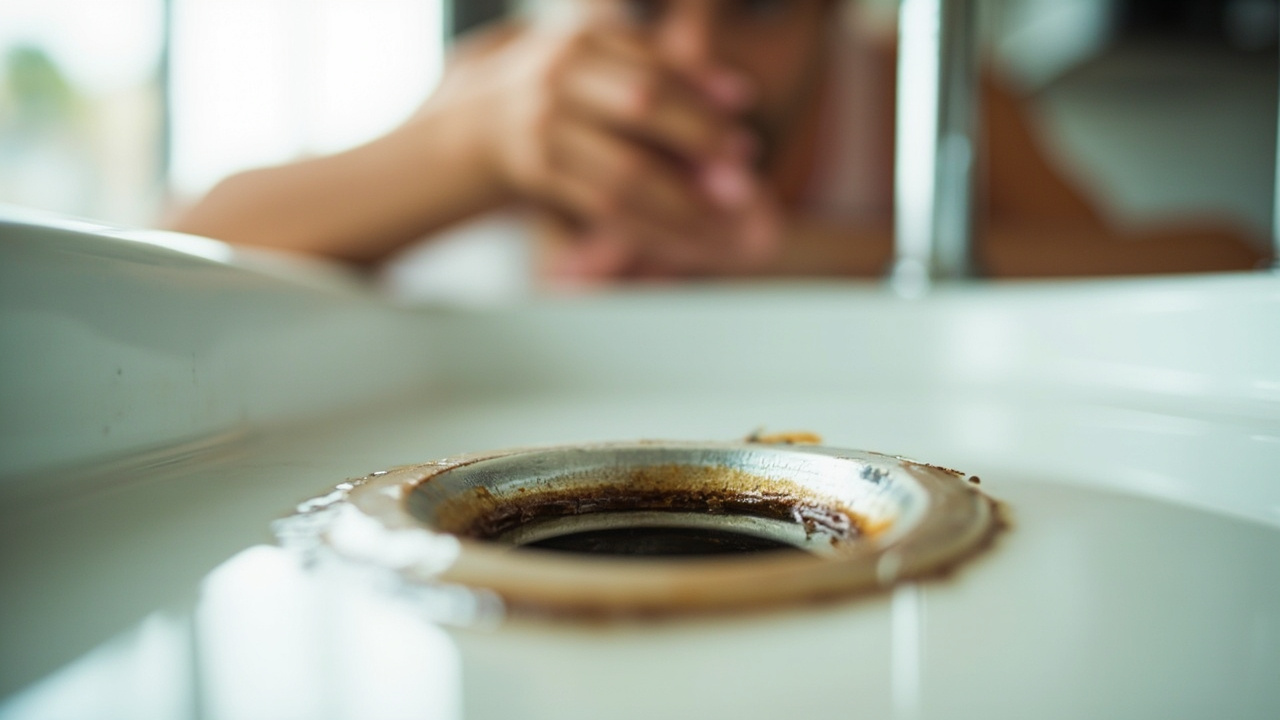
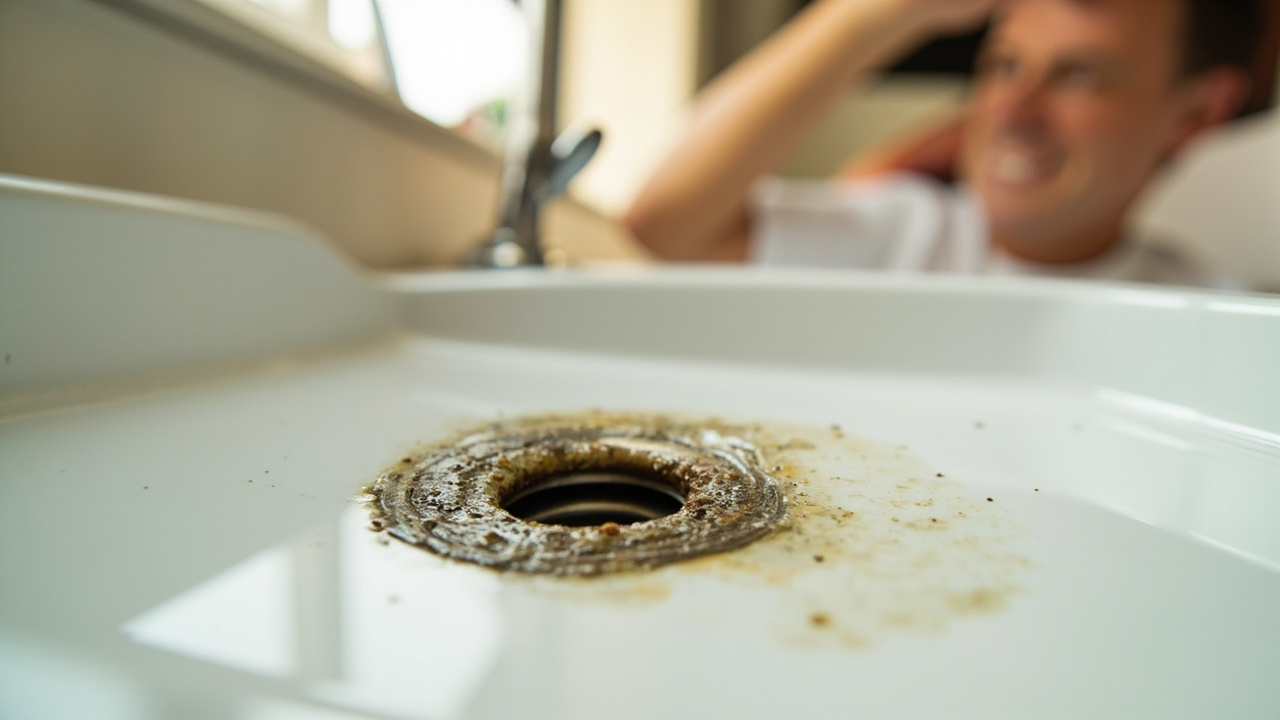
You walk into your bathroom or kitchen and immediately smell it. That rotten egg smell from plumbing. The unmistakable sewage smell in house that makes you embarrassed when guests visit. The stinky bathroom drains that no amount of bleach or air freshener can mask.

You are not imagining it. Those unpleasant drain odors signal a real problem beneath your floors and behind your walls.

Kansas City's clay-heavy soil creates unique challenges for sewer lines. The soil expands when wet and contracts during dry spells. This constant shifting can crack underground pipes, compromise wax rings on toilets, and dry out P-traps in floor drains. Add in the region's temperature swings from below freezing in winter to 95 degrees in summer, and you have a recipe for plumbing system stress.

Foul sewer gas odors do not just offend your nose. They can contain methane, ammonia, and hydrogen sulfide. Prolonged exposure causes headaches, nausea, and respiratory irritation. In rare cases, high concentrations become explosive.

Most homeowners try to mask the smell. They pour drain cleaner down every opening. They light candles. They blame the dog. But the odor returns within hours because the source remains untouched.

Older homes in neighborhoods like Hyde Park and Brookside often have cast iron drain lines that corrode from the inside out. Newer construction in Overland Park and Lenexa can suffer from improper venting during the build phase. Both scenarios produce the same result: sewer gas leaking into your living space.

The smell is your plumbing system waving a red flag. Ignoring it allows small problems to become expensive emergencies.

Why Kansas City Homes Battle Persistent Drain and Sewer Odors
How We Find and Fix the Source of Sewer Odors

How We Find and Fix the Source of Sewer Odors

Most plumbing companies treat the symptom. We eliminate the cause.

Our diagnostic process starts with a thorough inspection of every drain, vent, and trap in your home. We do not guess. We use a combination of pressure testing, smoke testing, and video camera inspection to map your entire drain-waste-vent system.

Smoke testing involves pumping non-toxic theatrical smoke through your drain lines while we observe every vent stack, cleanout, and fixture. If smoke escapes anywhere other than the roof vent, we have found your leak. This method exposes cracked pipes, loose connections, and improperly sealed floor drains that would otherwise remain hidden.

Video camera inspection allows us to see inside your pipes. We feed a high-resolution camera through your drain lines and identify corrosion, root intrusion, or sections where settling soil has caused backpitch. We record the footage so you can see exactly what we see.

We also test every P-trap in your home. These U-shaped pipes under sinks and drains hold standing water that acts as a barrier against sewer gas. When a trap dries out or develops a crack, odors escape. In Kansas City homes with finished basements, floor drains often sit unused for months. The water in the trap evaporates, creating a direct pathway for sewer gas to enter your home.

Once we identify the source, we recommend the appropriate repair. Dry traps get refilled or fitted with trap primers that automatically maintain water levels. Cracked vent pipes get replaced. Corroded drain lines get relined or replaced depending on severity and accessibility.

We do not upsell you on services you do not need. If the fix is simple, we tell you. If it requires excavation and pipe replacement, we explain why and show you the evidence.

What Happens During Your Odor Diagnosis Appointment

Smelly Drains & Sewer Odors in Kansas City – Expert Diagnosis and Permanent Odor Elimination
01

Initial Assessment

Our plumber arrives and asks specific questions about when you notice the odor, which rooms are affected, and whether any recent plumbing work preceded the smell. We inspect every drain fixture, check vent terminations on your roof, and run water through all traps to rule out simple evaporation. This conversation and visual survey typically reveals three to five potential sources that warrant deeper investigation.
02

Diagnostic Testing

We perform smoke testing or camera inspection based on what the initial assessment revealed. Smoke testing takes 30 to 45 minutes and requires access to your main cleanout or roof vent. Camera inspection requires feeding the line through a drain opening and can take 20 to 60 minutes depending on your system layout. Both methods provide definitive answers about where sewer gas enters your home.
03

Repair Plan Presentation

Once we identify the source, we explain the problem using photos or video evidence. We then outline the repair options, discuss cost factors without providing exact quotes, and answer your questions. Most odor issues get resolved the same day if parts are on hand. Complex repairs requiring excavation or wall access get scheduled within 48 hours with a detailed scope of work provided in writing.

Why Kansas City Homeowners Trust Silverline Plumbing for Odor Problems

Drain odor diagnosis requires experience with regional construction practices and soil conditions. We have worked in Kansas City long enough to know which neighborhoods have cast iron drain lines installed in the 1950s that are now failing. We know that homes built in the 1990s expansion often have undersized vent stacks that barely meet code. We understand how Kansas City's freeze-thaw cycles affect outdoor cleanouts and how the Missouri River floodplain influences basement plumbing in North Kansas City and Riverside.

This local knowledge matters because sewer odor problems vary by home age, construction method, and location. A home in Waldo built in 1920 presents different challenges than a home in Blue Springs built in 2010. We adjust our diagnostic approach accordingly.

Our plumbers carry diagnostic equipment in every truck. We do not need to schedule a second visit to perform smoke testing or camera inspection. We arrive prepared to find the answer during the first appointment.

We also communicate clearly. You will not get jargon-heavy explanations designed to confuse you into approving unnecessary work. We show you the evidence, explain the repair in plain language, and let you make an informed decision.

Kansas City building codes require proper venting for all plumbing fixtures. We ensure every repair meets or exceeds those requirements. If your home predates modern code, we bring it up to standard during the repair process.

You also get transparent pricing before work begins. We explain what drives the cost, whether it is excavation access, permit fees, or the need for specialized materials. No surprises appear on your final invoice.

We return your home to normal as quickly as possible. Most odor repairs get completed in one day. Larger projects get staged to minimize disruption to your household.

What to Expect When You Call About Sewer Odors

Rapid Response Time

We schedule odor diagnosis appointments within 24 hours of your call in most cases. Sewer gas exposure creates health concerns, especially for children and elderly household members, so we prioritize these calls. Our dispatch team asks key questions about symptom severity and duration to triage urgency. If you describe sudden onset odors combined with gurgling drains or slow drainage, we often schedule same-day service because those symptoms suggest a blocked vent or developing clog that requires immediate attention.

Comprehensive Evaluation Process

Our evaluation goes beyond sniffing drains and pouring water down pipes. We inspect your entire drain-waste-vent system including areas you cannot access. We check attic vent terminations, test each P-trap under sinks and tubs, inspect wax rings on toilets without removing them, and evaluate your main sewer line for blockages or damage. If your home has a septic system, we assess the tank vent and check for signs of system failure. This thorough approach ensures we find the actual source rather than treating secondary symptoms.

Permanent Odor Elimination

Our repairs address the root cause, not just the smell. If a cracked vent pipe allows sewer gas into your wall cavity, we replace that section and seal the penetration. If corroded drain lines leak gas at connection points, we replace or reline those sections. If dry P-traps caused the odor, we install trap primers to prevent recurrence. You get a repair that solves the problem permanently rather than a temporary fix that fails within weeks. We test our work before leaving to confirm odor elimination.

Follow-Up and Prevention Guidance

After completing repairs, we walk you through maintenance steps to prevent future odor issues. This includes guidance on maintaining floor drain traps in basements, recognizing early warning signs of vent problems, and understanding when to call for professional inspection. We document all work with photos and service records you can reference later. If odors return within the warranty period for the specific repair performed, we return to reassess at no additional diagnostic charge. We also offer annual plumbing inspections that catch developing problems before they create odor issues.

Frequently Asked Questions

You Have Questions,
We Have Answers

How to get rid of sewer smell in drains? +

Start by running water in all drains for a few minutes to refill dry P-traps, which often cause sewer gas to enter your home. Pour a gallon of water down floor drains in basements or garages, especially common in older Kansas City homes. If the smell persists, check under sinks for loose connections or cracked drain lines. Clean the drain stopper and overflow holes with a brush and hot water. For stubborn odors, use an enzyme cleaner designed for drains. If the smell continues after these steps, you likely have a vent stack issue or damaged sewer line that requires professional inspection.

How to find where sewer smell is coming from? +

Walk through your Kansas City home and identify which rooms smell strongest. Check all drains, including basement floor drains, bathroom sinks, showers, and laundry drains. Run water in each fixture and note if the smell worsens. Inspect visible plumbing under sinks for cracks or loose connections. Check your roof vent stack for blockages from leaves or animal nests. Look for wet spots on floors, walls, or ceilings that indicate hidden leaks. If the smell is strongest near toilets, the wax ring seal may be broken. When you cannot pinpoint the source, a plumber can perform a smoke test to trace the exact leak point.

Why does my drain smell bad but no blockage? +

The culprit is usually a dry P-trap, the curved pipe under your drain that holds water to block sewer gases. Kansas City's seasonal temperature swings can cause water to evaporate faster from rarely used drains. Biofilm buildup on drain walls also produces foul odors without creating a full blockage. Damaged vent pipes prevent proper air circulation, allowing gases to escape through drains. Cracked drain lines hidden in walls or under slabs leak sewer gas without blocking water flow. Pour water down unused drains monthly to keep traps filled. If the smell persists with regular use, you need a professional diagnosis.

Can I fix a sewage smell myself? +

You can fix simple causes like dry P-traps by running water or pouring a gallon down unused drains. Clean visible drain components and stoppers with brushes and hot soapy water. For Kansas City homes with accessible cleanouts, you can inspect for obvious debris. However, issues like damaged vent stacks, broken wax rings, cracked sewer lines, or hidden leaks require professional tools and expertise. Improper DIY repairs can violate local plumbing codes and create bigger problems. If basic fixes do not eliminate the odor within 24 hours, call a licensed plumber to avoid health risks from prolonged sewer gas exposure.

What is the best product to get rid of sewer smell? +

Enzyme-based drain cleaners work best for organic buildup that causes odors without harming pipes. Avoid harsh chemical drain cleaners, which damage older plumbing common in Kansas City neighborhoods and do not address the root cause. For maintenance, pour a mixture of hot water and dish soap down drains weekly. Baking soda and vinegar create fizz but provide minimal cleaning action. No product fixes structural problems like broken vent pipes, cracked drain lines, or dry P-traps in floor drains. Regular maintenance prevents odors, but persistent smells indicate mechanical failure that requires professional repair, not just masking with products.

How to tell if your sewer line is clogged? +

Multiple drains backing up simultaneously signals a main sewer line clog. Watch for toilets bubbling when you run sinks or showers, indicating air cannot escape through blocked pipes. Slow drainage throughout your Kansas City home, not just one fixture, points to main line issues. Sewage backing up in basement floor drains or lower-level fixtures occurs when the main line clogs. Wet spots in your yard above the sewer line, especially near large trees with invasive roots, indicate breakage. Persistent sewer odors from multiple locations suggest gas escaping through a damaged or blocked line. These symptoms require immediate professional inspection.

What's the average cost to fix a sewer smell? +

Simple fixes like refilling dry P-traps or tightening connections cost nothing to minimal service call fees. Replacing a toilet wax ring runs a few hundred dollars. Cleaning or repairing vent stacks varies based on roof access and height, common considerations for Kansas City's varied housing stock. Damaged drain lines hidden in walls or under slabs cost more due to access requirements. Main sewer line repairs or replacements represent significant investment, especially in older neighborhoods with aging infrastructure. Most plumbers offer free diagnostics to pinpoint the exact cause before quoting repair costs. Address sewer smells quickly, as delaying repairs typically increases the final bill.

Why would a sewer smell come and go? +

Intermittent sewer smells often relate to weather conditions affecting vent stack performance. Kansas City's humidity and temperature changes alter air pressure in drain systems, sometimes pulling sewer gas through weak seals. Wind blowing across roof vents can create backdrafts. P-traps in rarely used drains slowly evaporate, allowing gas in periodically until you run water. Partial clogs worsen during heavy use, then seem fine when usage decreases. Cracked vent pipes leak gas only when atmospheric pressure shifts. A smell that comes and goes still indicates a real problem that will worsen. Professional inspection identifies the specific failure point before it becomes constant.

What absorbs sewer smells? +

Nothing truly absorbs sewer smell because the gas continuously flows from the source. Activated charcoal, baking soda, and commercial odor absorbers only mask the symptom temporarily. The only permanent solution is fixing the mechanical failure allowing sewer gas into your living space. Proper P-trap function, intact vent pipes, and sealed connections prevent gas from entering your Kansas City home. Air purifiers with carbon filters reduce airborne odors but do not stop the leak. Sewer gas contains methane and hydrogen sulfide, which pose health risks beyond just smell. Focus on repair, not absorption. Eliminate the source instead of managing the symptom.

Can a plumber help with sewer smell coming from the bathroom? +

Yes. Plumbers diagnose and repair all sources of bathroom sewer odors. Common bathroom issues include failed toilet wax rings, dry shower or tub P-traps, damaged vent stacks, and cracked drain lines behind walls. Bathroom exhaust fans venting into attics instead of outdoors can pull sewer gas from vent pipes. Kansas City's older homes often have outdated plumbing configurations that allow odors. A licensed plumber inspects all fixtures, tests seals, checks vent function, and uses cameras to find hidden cracks. Most bathroom sewer smells stem from fixable mechanical problems, not dirt. Professional repair eliminates the odor at its source, ensuring your bathroom stays safe and comfortable.

How Kansas City's Clay Soil Affects Sewer Lines and Creates Odor Problems

Kansas City sits on expansive clay soil that swells when saturated and shrinks during dry periods. This constant movement stresses underground sewer lines, particularly at connection points where rigid pipe meets flexible couplings. As soil shifts, pipes separate slightly at joints or develop hairline cracks that allow sewer gas to escape into surrounding soil. In older neighborhoods with cast iron or clay tile sewer lines, this soil movement accelerates deterioration. The escaping gas often finds pathways into basements through floor drain traps, foundation cracks, or utility penetrations. Understanding this soil behavior helps us diagnose recurring odor problems that other plumbers attribute to mystery sources.

Kansas City plumbing codes evolved significantly over the past 50 years, particularly regarding vent sizing and placement. Homes built before 1980 often have vent systems that barely met code at installation and now struggle to evacuate sewer gas effectively. We know which neighborhoods contain these older systems and adjust our diagnostic approach accordingly. Our familiarity with local building inspectors and permit processes also ensures repairs meet current code requirements without unnecessary delays. When we replace or repair plumbing systems, you get work that passes inspection the first time because we understand what Kansas City inspectors expect to see.
Plumbing Services in The Kansas City Area

We invite you to visit our location or view our extensive service area on the map below. Silverline Plumbing is proud to serve the entire Kansas City metro area, bringing our professional and trustworthy plumbing services to homes and businesses across the region. We are committed to being your neighborhood plumbers, always ready to respond to your call with speed and expertise, no matter where you are located.

Address:
Silverline Plumbing Kansas City, 131 E 39th St, Kansas City, MO, 64111

Additional Services We Offer

Our news updates

Latest Articles & News from The Blogs

Which Toilet Type Saves More on Your Kansas City Water Bill? Choosing between a dual flush and single flush toilet…

Dual Flush vs Single Flush — Which Toilet Saves the Most Money on Your KCMO Water Bill?

Which Toilet Type Saves More on Your Kansas City Water Bill? Choosing between a dual flush and single flush toilet…

How to Get Instant Hot Water to Your Master Suite in Leawood Without Wasting Gallons

How to Get Instant Hot Water to Your Master Suite in Leawood Without Wasting Gallons Waiting three minutes for hot…

Reverse Osmosis vs Whole House Filtration — Finding the Right Pure Water Solution in Liberty

Reverse Osmosis vs Whole House Filtration — Finding the Right Pure Water Solution in Liberty Homeowners in Liberty face a…

Contact Us

Sewer odors will not disappear on their own. Call Silverline Plumbing Kansas City at (816) 473-9233 to schedule your diagnostic appointment. We find the source and fix it right the first time.