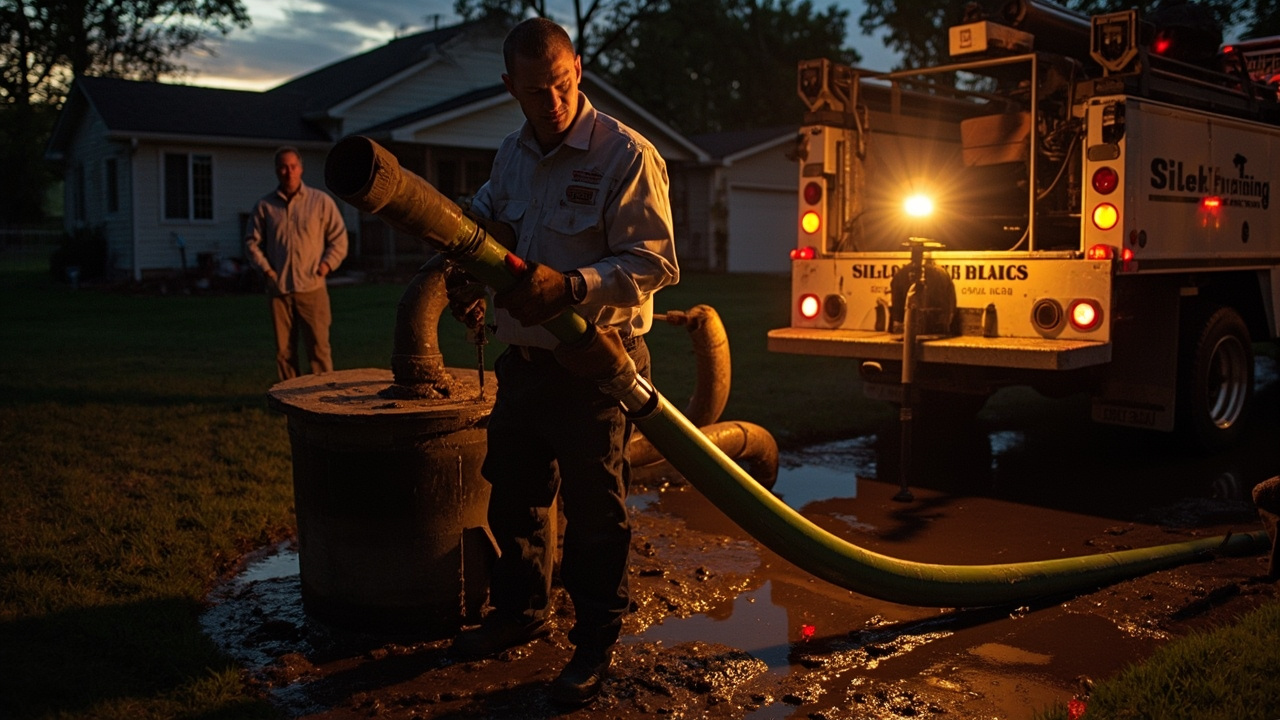

Kansas City sits on expansive clay soil that shrinks and swells with moisture changes. During wet springs, clay absorbs water and expands, which can shift septic tanks and crack distribution lines. In dry summers, the soil contracts and pulls away from tank walls, allowing groundwater to seep in during the next rain event. This cycle stresses older concrete tanks and causes premature failures. Add in freeze-thaw cycles during winter, and you see why septic emergencies spike in early spring and late fall. Homes in areas like Blue Springs, Lee's Summit, and Grain Valley face these conditions year-round, which makes proactive maintenance critical.
Local septic regulations in Jackson, Clay, and Platte counties require proper maintenance and timely pumping, but enforcement varies. Many homeowners do not realize their system needs attention until it fails. Working with a Kansas City-based septic service means you get technicians who understand local soil conditions, know where older systems are located, and can navigate rural properties with difficult access. We have pumped tanks in every corner of the metro, from urban lots in Midtown to five-acre parcels in Peculiar. That experience translates to faster diagnosis and better solutions when you are facing an emergency.