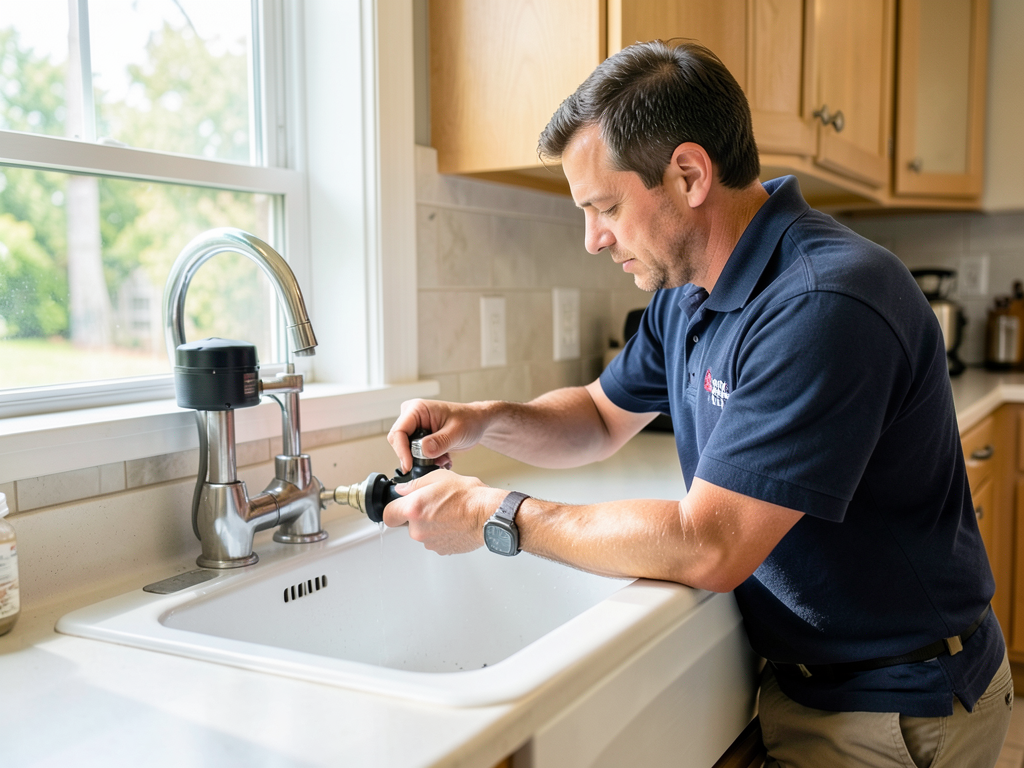
Kansas City pulls water from the Missouri River, and it is hard. The water contains 120 to 180 milligrams per liter of calcium carbonate. This mineral load builds scale inside pipes, water heaters, and fixtures. Scale narrows pipe diameter and creates pressure points that crack copper and corrode steel. A sudden spike in water bill often traces back to a pinhole leak in a scaled pipe. The leak starts small, but the mineral deposits accelerate corrosion and the hole widens. Homes in older neighborhoods like Hyde Park and Coleman Highlands see this frequently because the original plumbing predates modern corrosion-resistant materials.
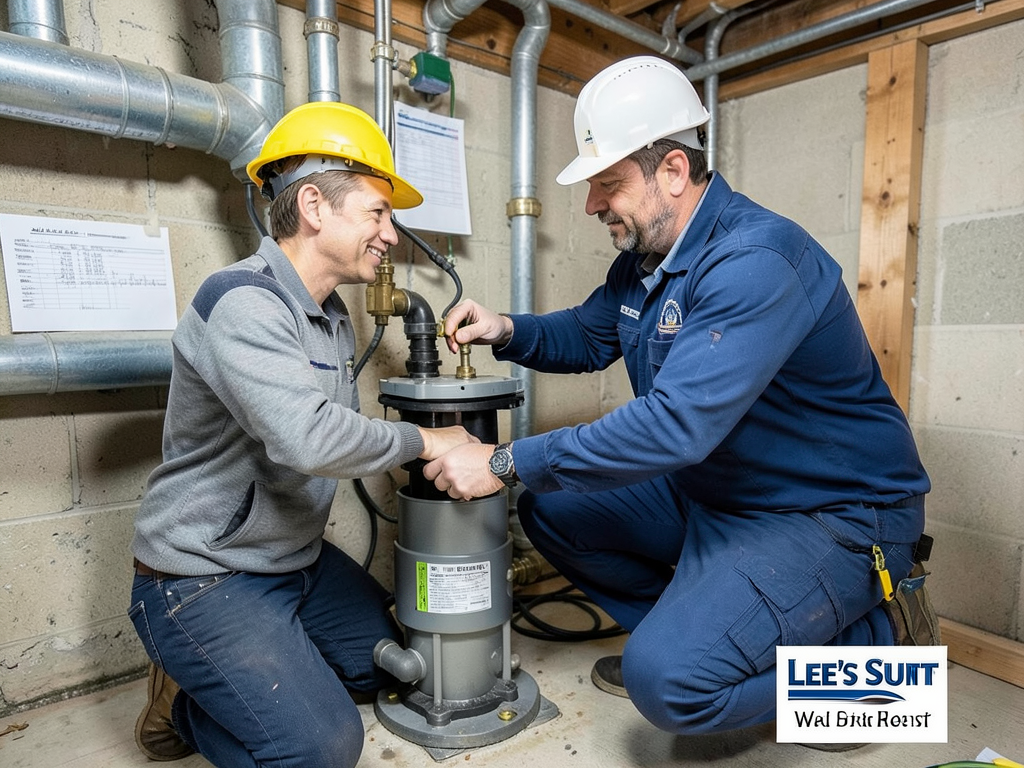
Kansas City's plumbing code requires backflow prevention devices on irrigation systems and specific pressure regulation on homes with city water pressure above 80 PSI. High pressure stresses pipe joints and accelerates wear on fixtures. We know which ZIP codes have elevated pressure issues and test for it during leak investigations. Our familiarity with local code also means we pull permits correctly when repairs involve the main water line or require inspection. You do not risk code violations or failed inspections when you work with a local team that navigates city requirements daily.