Menu

Preventative Commercial Maintenance in Kansas City – Eliminate Downtime Before It Starts

Scheduled commercial plumbing upkeep protects your Kansas City facility from catastrophic failures, water damage claims, and lost revenue through systematic inspections and proactive repairs.

Slider Image 1
Slider Image 2
Slider Image 3
Slider Image 4
Slider Image 5
Slider Image 7
Slider Image 8
Slider Image 9
Slider Image 10
Slider Image 11

Kansas City Commercial Properties Face Accelerated Plumbing System Degradation

Kansas City's extreme temperature swings between freeze-thaw cycles in winter and high heat in summer create relentless stress on commercial plumbing infrastructure. The region's notoriously hard water contains elevated mineral content that accelerates scale buildup in pipes, water heaters, and boiler systems. For facilities in the Crossroads Arts District or near the Stockyards, aged cast iron drainage systems compound these problems.

Most commercial property managers discover plumbing failures at the worst possible moment: during peak business hours, when a ruptured supply line floods a dining room or a clogged main sewer backs up into tenant spaces. The average commercial plumbing emergency in Kansas City causes 8-12 hours of operational disruption and exposes properties to liability claims from tenants and customers.

Commercial plumbing maintenance plans address these risks before they escalate. Routine commercial plumbing inspections identify deteriorating pipe joints, corrosion at fixture connections, and failing pressure regulators while you can still schedule repairs during off-hours. Preventive commercial plumbing services map your facility's vulnerabilities and create a documented maintenance timeline that satisfies insurance requirements and protects your capital investment.

The cost differential is stark. Emergency pipe repairs during business hours run 3-4 times higher than scheduled maintenance visits. Water damage restoration, lost inventory, and business interruption claims dwarf the investment in commercial plumbing service agreements. Scheduled commercial plumbing upkeep converts unpredictable catastrophes into manageable line items.

Kansas City Commercial Properties Face Accelerated Plumbing System Degradation
How Systematic Commercial Plumbing Maintenance Protects Kansas City Facilities

How Systematic Commercial Plumbing Maintenance Protects Kansas City Facilities

Preventive commercial plumbing services follow an engineered protocol designed around your facility's specific use profile. A restaurant in the Power and Light District faces different demands than a manufacturing facility in the West Bottoms. We adjust inspection frequency and focus areas based on fixture count, daily water volume, and system age.

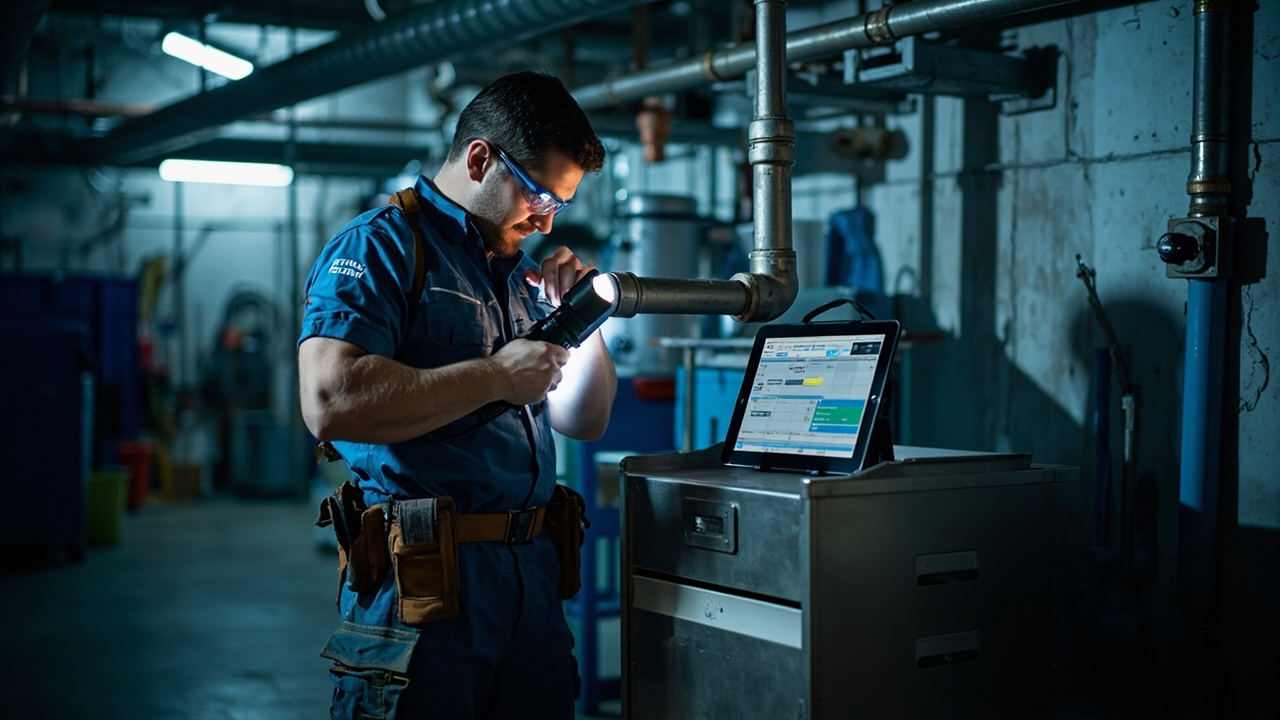
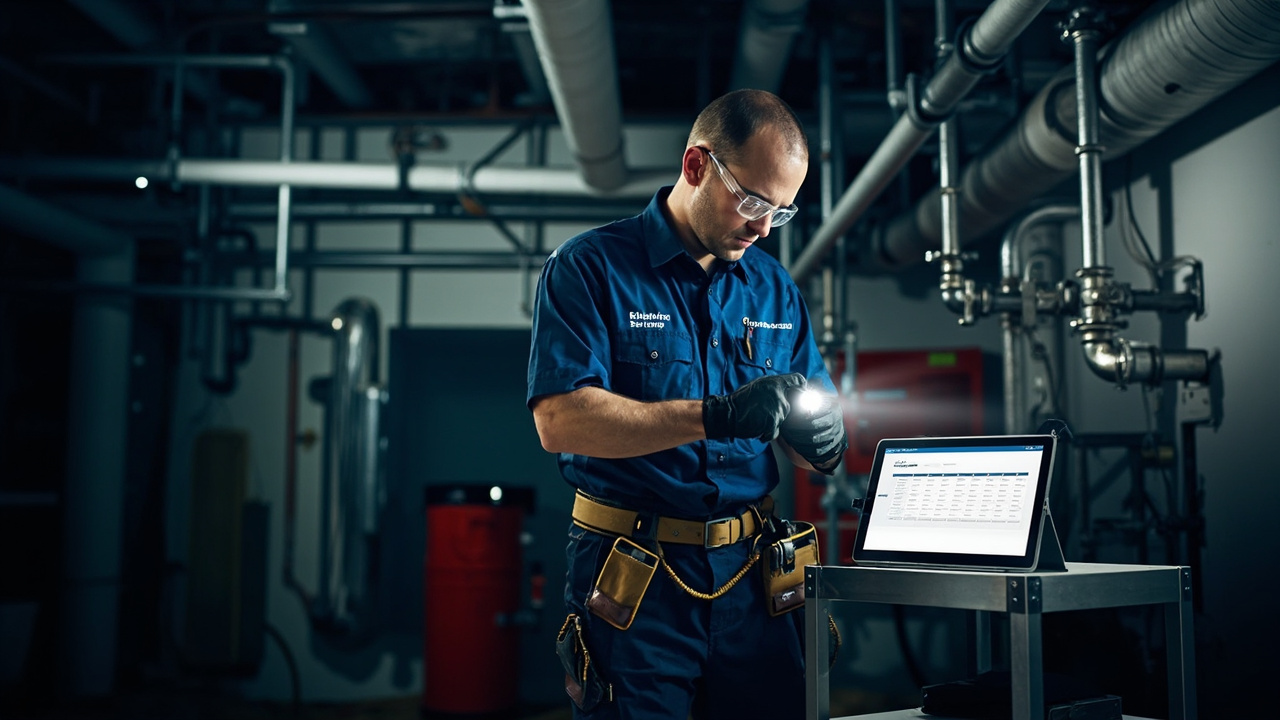
Quarterly inspections begin with supply line pressure testing using calibrated gauges to detect deteriorating pressure regulators or developing restrictions. We perform thermographic scanning on water heaters and boiler systems to identify failing heating elements before they cause complete shutdowns. Drainage system camera inspections reveal developing blockages from grease accumulation, root intrusion, or deteriorating pipe interiors.

Critical system documentation includes detailed condition reports with photographic evidence, maintenance logs that satisfy Kansas City building department requirements, and replacement forecasts that help you budget capital improvements. We track fixture performance trends over time, identifying which components show accelerated wear patterns.

Commercial plumbing service agreements include priority scheduling that guarantees response within contracted timeframes. You receive after-hours contact access and discounted rates on parts and labor for any repairs identified during routine inspections. We maintain detailed facility maps showing shutoff valve locations, main line routing, and equipment specifications so emergency responses happen faster when they become necessary.

The result is a shift from reactive crisis management to proactive system stewardship. Your maintenance budget becomes predictable. Your insurance premiums reflect documented risk mitigation. Your tenants and customers never experience service disruptions from preventable plumbing failures.

Our Three-Phase Commercial Maintenance Protocol

Preventative Commercial Maintenance in Kansas City – Eliminate Downtime Before It Starts
01

Initial System Assessment

We conduct a comprehensive facility audit documenting every fixture, supply line, drainage connection, and water-using appliance. This baseline assessment includes pressure testing, flow rate measurements, and photographic documentation of current conditions. You receive a detailed report identifying immediate concerns, components approaching end-of-life, and recommended inspection intervals based on your facility's usage patterns and Kansas City's water quality impacts.
02

Scheduled Inspection Cycles

Routine commercial plumbing inspections occur on predetermined schedules tailored to your operations. We perform non-invasive testing during business hours and invasive inspections during planned closures. Each visit includes supply line pressure verification, drainage flow testing, water heater efficiency measurements, and fixture performance checks. We document trends over time, flagging components showing accelerated degradation. You receive digital reports within 24 hours detailing findings and recommended actions.
03

Proactive Repair Scheduling

When inspections identify developing issues, we provide detailed repair proposals with priority rankings and failure timeline estimates. You schedule repairs during low-impact periods rather than facing emergency shutdowns. We coordinate with your operations team to minimize disruption, arrange temporary service solutions when needed, and complete work within agreed timeframes. All repairs include updated documentation and adjusted inspection intervals based on the new components installed.

Why Kansas City Commercial Properties Trust Silverline Plumbing Kansas City

Commercial plumbing maintenance requires understanding Kansas City's specific infrastructure challenges. Properties built before 1960 in areas like Quality Hill and the River Market often have galvanized steel supply lines that corrode from the inside out. The city's transition from combined sewers to separated systems creates unique drainage requirements. Local code amendments following the 2019 pipe freeze epidemic mandate specific backflow prevention devices that must be tested annually.

We maintain detailed records for over 200 commercial properties across the Kansas City metro. Our technicians know which supply houses stock compatible parts for obsolete fixture systems common in historic buildings. We understand Kansas City Water Department requirements for commercial backflow testing and maintain the required certifications. When the city issues boil water advisories, we help facility managers implement proper protocols and verify system integrity afterward.

Our commercial maintenance contracts include documented compliance with Kansas City building codes and insurance requirements. We provide the detailed maintenance logs that property managers need during tenant disputes or liability claims. Our systematic approach satisfies the due diligence requirements that protect property owners from negligence claims when plumbing failures do occur.

Facility managers choose Silverline Plumbing Kansas City because we eliminate surprises. You know exactly when we will arrive, what we will inspect, and what it costs. There are no hidden charges for after-hours emergencies when you maintain a service agreement. Your budget remains predictable. Your operations remain uninterrupted. Your liability exposure decreases measurably.

What Your Commercial Maintenance Agreement Delivers

Guaranteed Response Timeframes

Service agreements include contracted response times for both routine maintenance and emergency situations. Quarterly inspections occur on predetermined schedules that fit your operational calendar. When emergencies arise despite preventive maintenance, you receive priority dispatch ahead of non-contract customers. Most contract holders receive same-day emergency response during business hours and within four hours for after-hours calls. We staff sufficient technicians across the Kansas City metro to honor these commitments even during peak demand periods like extreme cold snaps that strain plumbing systems regionwide.

Comprehensive System Documentation

Each inspection generates detailed condition reports with photographic evidence, pressure test results, and flow rate measurements. We maintain digital facility maps showing main shutoff locations, supply line routing, and equipment specifications accessible through a secure online portal. You receive trend analysis showing how system performance changes over time, helping you forecast capital improvement needs. This documentation satisfies insurance carrier requirements for risk mitigation and provides the paper trail needed during tenant disputes or property transactions. All records remain accessible for the duration of your service agreement.

Predictable Operating Costs

Commercial plumbing service agreements convert unpredictable emergency expenses into fixed monthly costs. Contract holders receive discounted rates on parts and labor for any repairs identified during routine inspections. You schedule repairs during planned maintenance windows rather than paying premium rates for after-hours emergency service. The financial benefit compounds over time as preventive maintenance extends equipment life and reduces catastrophic failure frequency. Most facility managers report 40-60% reductions in annual plumbing expenses after implementing scheduled commercial plumbing upkeep compared to reactive maintenance approaches.

Ongoing System Optimization

Routine commercial plumbing inspections identify efficiency improvements that reduce operating costs. We flag water heaters operating at reduced efficiency, recommend fixture upgrades that decrease water consumption, and identify pressure regulation adjustments that extend pipe life. Between scheduled inspections, you maintain direct contact access for technical consultations about operational questions or minor concerns that do not require service calls. We track regulatory changes affecting commercial properties in Kansas City and notify you when code updates require system modifications or testing. Your facility benefits from continuous improvement rather than static maintenance.

Frequently Asked Questions

You Have Questions,
We Have Answers

What is an example of preventative maintenance? +

A preventative maintenance example for commercial plumbing includes scheduled backflow valve inspections to comply with Kansas City water code requirements. This involves testing the device annually, replacing worn check valves, and documenting compliance for municipal audits. Another example is quarterly water heater flushing to remove sediment buildup that accelerates tank corrosion in Kansas City's moderately hard water supply. Scheduled grease trap pumping for restaurant clients prevents line blockages that cause business downtime. Each task occurs on a fixed schedule before failure happens, protecting business operations and avoiding emergency repair costs.

What does preventative maintenance include? +

Preventative maintenance includes systematic inspections, adjustments, cleaning, and component replacements performed on fixed schedules. For commercial plumbing, this covers quarterly drain line camera inspections to identify root intrusion before blockages occur, biannual sump pump testing for properties in flood-prone areas near the Missouri River, monthly fixture leak checks to prevent water waste, seasonal pipe insulation inspections before Kansas City freeze events, and annual backflow device certifications. The program also includes oil changes for sewer ejector pumps, gasket replacements on pressure-reducing valves, and documentation systems for regulatory compliance and asset management reporting.

What are the four types of preventive maintenance? +

The four types are time-based, usage-based, predictive, and prescriptive maintenance. Time-based follows fixed intervals like monthly grease trap service regardless of usage. Usage-based triggers tasks after measurable thresholds, such as inspecting a commercial garbage disposal after 5,000 cycles. Predictive maintenance uses sensor data and diagnostics to forecast failures before they happen, like monitoring pressure drops that indicate valve degradation. Prescriptive maintenance applies machine learning to optimize timing and methods. Commercial properties in Kansas City typically combine time-based and predictive approaches for plumbing systems to balance cost control with operational reliability.

What are PMS in HVAC? +

PMS in HVAC refers to Planned Maintenance Services, though the acronym also appears in building management contexts meaning Preventive Maintenance Schedule. These programs cover scheduled filter replacements, coil cleaning, refrigerant level checks, electrical connection inspections, and calibration of thermostats and control systems. For Kansas City commercial properties, HVAC preventative maintenance must account for high humidity summers that stress cooling systems and temperature swings that affect heat exchangers. While HVAC-specific, these programs often coordinate with plumbing maintenance since both systems share mechanical rooms and impact building operations and tenant comfort during service intervals.

What are the 7 basic preventive maintenance elements? +

The seven basic preventive maintenance elements are inspection, cleaning, lubrication, adjustment, replacement, testing, and documentation. Inspection identifies wear before failure occurs. Cleaning removes debris that accelerates corrosion in commercial drains and fixtures. Lubrication extends pump bearing life. Adjustment optimizes valve performance and water pressure. Replacement swaps components at calculated intervals before breakdown. Testing verifies backflow devices meet Kansas City code requirements. Documentation creates compliance records and tracks asset degradation patterns. Together, these elements form a systematic approach that extends equipment life, reduces emergency calls, and maintains code compliance for commercial property managers.

What is the 10 rule of preventive maintenance? +

The 10 rule states that reactive maintenance costs approximately 10 times more than preventative maintenance. For commercial plumbing, a scheduled 200 dollar water heater inspection prevents a 2,000 dollar emergency replacement during business hours. This calculation includes premium emergency labor rates, expedited parts procurement, potential water damage to inventory or finishes, business interruption costs, and liability exposure. Kansas City commercial properties face additional expense multipliers when winter pipe bursts flood occupied spaces or backed-up sewer lines force temporary closures. The ratio varies by industry and asset, but the principle holds. Scheduled intervention always costs less than crisis response.

What are the 5 basic maintenance skills? +

The five basic maintenance skills are troubleshooting, mechanical repair, preventive inspection, documentation, and safety compliance. Troubleshooting identifies root causes rather than symptoms. Mechanical repair requires hands-on proficiency with tools and systems specific to commercial plumbing infrastructure. Preventive inspection demands knowledge of degradation patterns and failure modes for pipes, valves, fixtures, and pumps. Documentation creates compliance records and maintenance histories that inform replacement decisions. Safety compliance protects technicians and occupants through proper lockout procedures, confined space protocols, and hazardous material handling relevant to Kansas City building codes. Commercial technicians must demonstrate competency across all five areas.

What are the four key action items of preventive maintenance? +

The four key action items are schedule creation, task execution, performance tracking, and program optimization. Schedule creation establishes intervals based on manufacturer specifications, building codes, and asset criticality for Kansas City commercial properties. Task execution delivers inspections, adjustments, and replacements according to documented procedures. Performance tracking measures completion rates, cost per task, equipment uptime, and failure frequency to quantify program effectiveness. Program optimization adjusts schedules and methods based on tracked data, shifting resources toward high-value interventions. These action items create a closed feedback loop that improves reliability while controlling maintenance budgets for commercial property managers.

What skills do PDM technicians need? +

PDM (Predictive Maintenance) technicians need skills in sensor installation, data analysis, vibration analysis, thermal imaging, and diagnostic interpretation. They must understand baseline performance metrics for commercial plumbing equipment, recognize deviation patterns that indicate impending failures, and translate sensor data into actionable maintenance recommendations. PDM technicians also need proficiency with building management systems and IoT platforms that aggregate equipment data. For Kansas City commercial facilities, they must account for seasonal variables affecting system performance and correlate environmental factors with equipment stress patterns. These skills require technical training beyond traditional reactive repair and transform maintenance from calendar-driven to condition-driven operations.

What are the 7 types of maintenance? +

The seven types are corrective, preventive, predictive, condition-based, predetermined, emergency, and deferred maintenance. Corrective fixes failures after they occur. Preventive follows fixed schedules. Predictive uses diagnostics to forecast failures. Condition-based triggers tasks when inspections reveal specific thresholds. Predetermined follows manufacturer specifications. Emergency addresses immediate threats to safety or operations. Deferred postpones non-critical work due to budget or operational constraints. Commercial properties in Kansas City typically combine preventive and predictive approaches for plumbing systems, reserving emergency response for after-hours crises and deferred maintenance for planned shutdown periods when tenant disruption can be minimized.

How Kansas City's Hard Water and Temperature Extremes Accelerate Commercial Plumbing Deterioration

Kansas City's municipal water supply contains 12-15 grains per gallon of dissolved minerals, classifying it as very hard water. This mineral content deposits scale inside supply lines, reduces water heater efficiency by 20-30% annually, and clogs fixture aerators and flush valves. The region's temperature swings from below zero in January to above 100 degrees in July create expansion and contraction cycles that stress pipe joints and valve connections. Commercial facilities with inadequate insulation in ceiling spaces or exterior walls face accelerated deterioration at vulnerable connection points. Preventive commercial plumbing services address these location-specific stressors through targeted inspections and proactive component replacement before failures cascade into operational disruptions.

Kansas City's plumbing code requirements reflect regional infrastructure realities. The city mandates annual backflow preventer testing for all commercial properties connected to municipal water. Properties in flood-prone areas near the Missouri and Kansas Rivers face additional requirements for sewer backup prevention devices. Buildings constructed before 1985 require lead testing in potable water systems. Commercial plumbing maintenance plans that ignore these local compliance requirements expose property owners to citation risks and liability during incidents. Silverline Plumbing Kansas City maintains current knowledge of Kansas City building department requirements and ensures your facility documentation satisfies all local mandates.
Plumbing Services in The Kansas City Area

We invite you to visit our location or view our extensive service area on the map below. Silverline Plumbing is proud to serve the entire Kansas City metro area, bringing our professional and trustworthy plumbing services to homes and businesses across the region. We are committed to being your neighborhood plumbers, always ready to respond to your call with speed and expertise, no matter where you are located.

Address:
Silverline Plumbing Kansas City, 131 E 39th St, Kansas City, MO, 64111

Additional Services We Offer

Our news updates

Latest Articles & News from The Blogs

Which Toilet Type Saves More on Your Kansas City Water Bill? Choosing between a dual flush and single flush toilet…

Dual Flush vs Single Flush — Which Toilet Saves the Most Money on Your KCMO Water Bill?

Which Toilet Type Saves More on Your Kansas City Water Bill? Choosing between a dual flush and single flush toilet…

How to Get Instant Hot Water to Your Master Suite in Leawood Without Wasting Gallons

How to Get Instant Hot Water to Your Master Suite in Leawood Without Wasting Gallons Waiting three minutes for hot…

Reverse Osmosis vs Whole House Filtration — Finding the Right Pure Water Solution in Liberty

Reverse Osmosis vs Whole House Filtration — Finding the Right Pure Water Solution in Liberty Homeowners in Liberty face a…

Contact Us

Contact Silverline Plumbing Kansas City at (816) 473-9233 to schedule your initial system assessment. We will evaluate your facility's specific vulnerabilities and design a commercial plumbing maintenance plan that eliminates downtime, reduces operating costs, and protects your property investment.