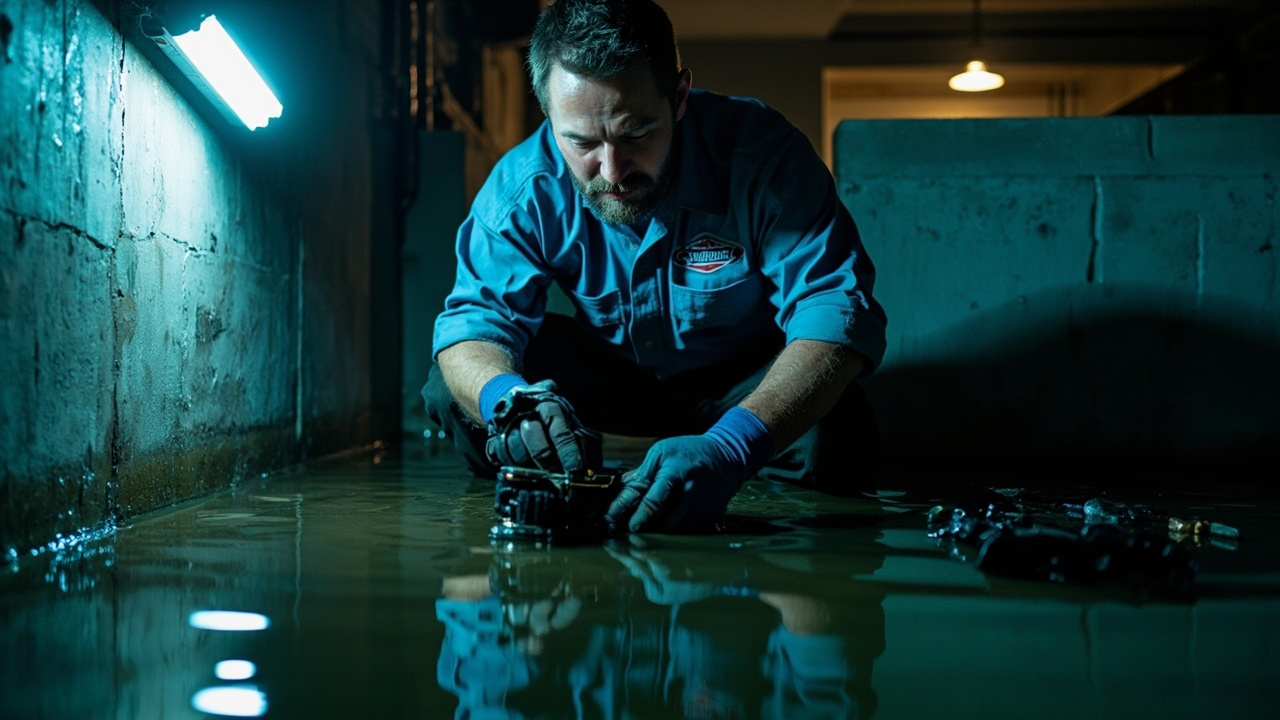


Kansas City sits on Pennsylvanian-age clay and shale bedrock that expands when wet and contracts when dry. This clay has extremely low permeability, meaning water does not absorb into the ground. During spring thunderstorms that dump two inches of rain in an hour, all that water runs laterally through the soil and collects against basement foundations. Sump pumps in Kansas City run longer and harder than pumps in sandy soil regions. Motors overheat. Float switches wear out. Impellers clog with clay sediment. Pumps that might last ten years in Colorado fail in five years here because of continuous cycling during our intense rain season.
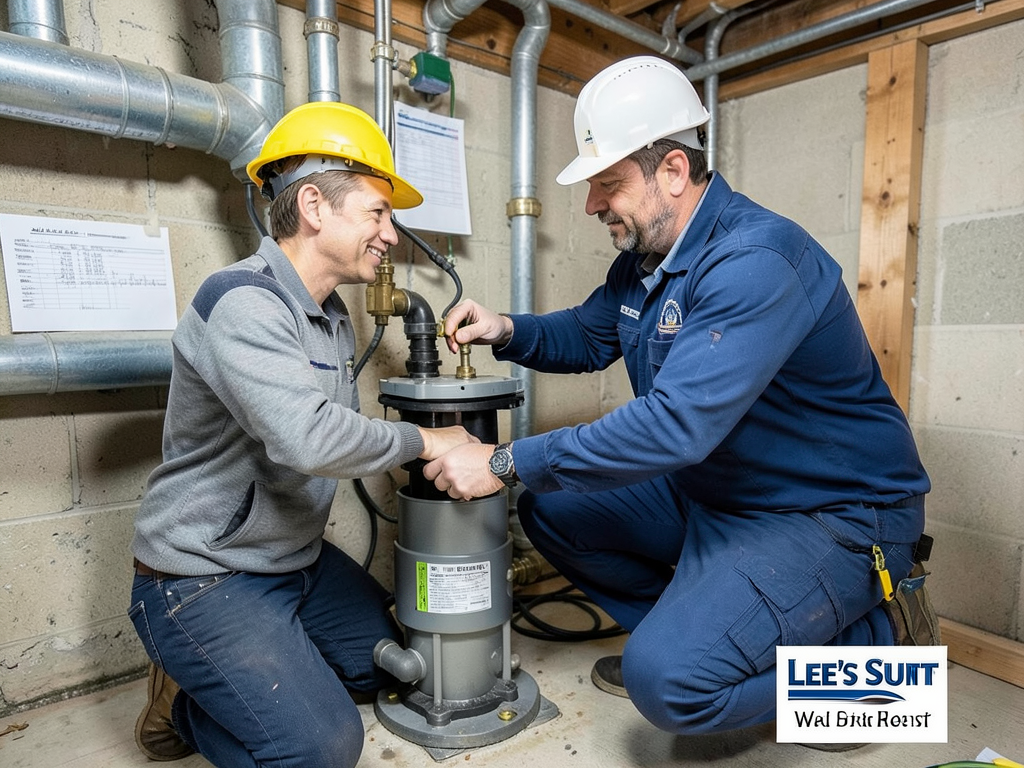
Local building codes in Kansas City require sump pumps in new construction, but many older homes in established neighborhoods retrofitted pumps into undersized pits that do not meet current standards. We see 18-inch diameter pits that should be 24 inches. We see pits only 24 inches deep that should extend 36 inches. These undersized installations cause pumps to short-cycle, running every 90 seconds instead of every five minutes. The constant starting and stopping burns out motors fast. Our plumbers know Kansas City's housing stock and recognize when a pump failure is actually a pit sizing problem that requires excavation and upgrade, not just equipment replacement.