Menu

Benefits of Water Softeners in Kansas City – Protect Your Plumbing and Save Money on Energy Bills

Kansas City's hard water destroys appliances, clogs pipes, and wastes energy. Discover the advantages of water softening systems and how soft water extends the life of your plumbing while cutting utility costs.

Slider Image 1
Slider Image 2
Slider Image 3
Slider Image 4
Slider Image 5
Slider Image 7
Slider Image 8
Slider Image 9
Slider Image 10
Slider Image 11

Why Kansas City Water Creates Plumbing Problems You Can't Ignore

Kansas City's water supply pulls from the Missouri River and regional aquifers that carry high concentrations of calcium and magnesium. That means hard water flows through nearly every tap in the metro. You see the evidence on faucets, showerheads, and inside your water heater. White crusty deposits build up. Soap doesn't lather. Dishes come out of the dishwasher with spots.

The real damage happens where you can't see it. Inside your pipes, mineral scale accumulates and restricts water flow. Your water heater works harder to heat water through layers of sediment. The Department of Energy reports that scale buildup can increase energy use by 25 percent or more. In neighborhoods like Brookside and Waldo, homeowners replace water heaters years earlier than expected because hard water accelerates corrosion and tank failure.

The advantages of water softening systems become clear when you understand the cost of inaction. Scale clogs aerators, damages valve seats, and shortens the lifespan of every appliance that touches water. Your dishwasher, washing machine, and tankless water heater all suffer. The hard water treatment benefits extend beyond convenience. They protect your investment in your home's plumbing infrastructure.

Kansas City's clay soil already puts stress on underground water lines. Add hard water attacking your system from the inside, and you face a double threat. The reasons to install a water softener go beyond eliminating soap scum. You prevent costly repairs and extend the life of expensive equipment.

Why Kansas City Water Creates Plumbing Problems You Can't Ignore
How Water Softeners Work to Eliminate Hard Water Damage

How Water Softeners Work to Eliminate Hard Water Damage

A water softener uses ion exchange to remove calcium and magnesium from your water supply. The system contains a mineral tank filled with resin beads. When hard water flows through, the beads attract and hold the hardness minerals. Sodium ions replace them. Soft water exits the tank and flows to your fixtures and appliances.

The brine tank stores salt that regenerates the resin beads. During regeneration, a saltwater solution flushes the accumulated minerals down the drain. The resin beads recharge and the cycle continues. Modern systems use demand-initiated regeneration. They monitor water usage and regenerate only when necessary. That conserves salt and water compared to older timer-based units.

Sizing matters. An undersized softener regenerates too frequently and wears out faster. An oversized unit wastes salt and water. We calculate the correct size based on your household water consumption and the hardness level of your supply. Kansas City water typically measures between 10 and 15 grains per gallon. That's considered moderately hard to hard.

The pros of water softeners include immediate improvements in water quality. Soap lathers better. Showerheads stay clear. Glassware comes out of the dishwasher spotless. But the advantages of soft water run deeper. Your water heater operates at peak efficiency. Pipes stay clear. Appliances last longer. You use less detergent and soap because soft water rinses clean without mineral interference.

We install bypass valves so you can route untreated water to outdoor spigots. You don't need to waste soft water on your lawn or garden. We also check your home's plumbing layout to position the softener where it treats all indoor water without complications.

What Happens When You Add a Water Softener

Benefits of Water Softeners in Kansas City – Protect Your Plumbing and Save Money on Energy Bills
01

Water Testing and Sizing

We start by testing your water to measure hardness levels and identify other contaminants. Kansas City water can contain iron or manganese that affects softener performance. We calculate daily water usage based on household size and fixture count. That determines the grain capacity your softener needs. We also evaluate your existing plumbing to identify the best installation location near your main water line and drain access.
02

System Installation and Integration

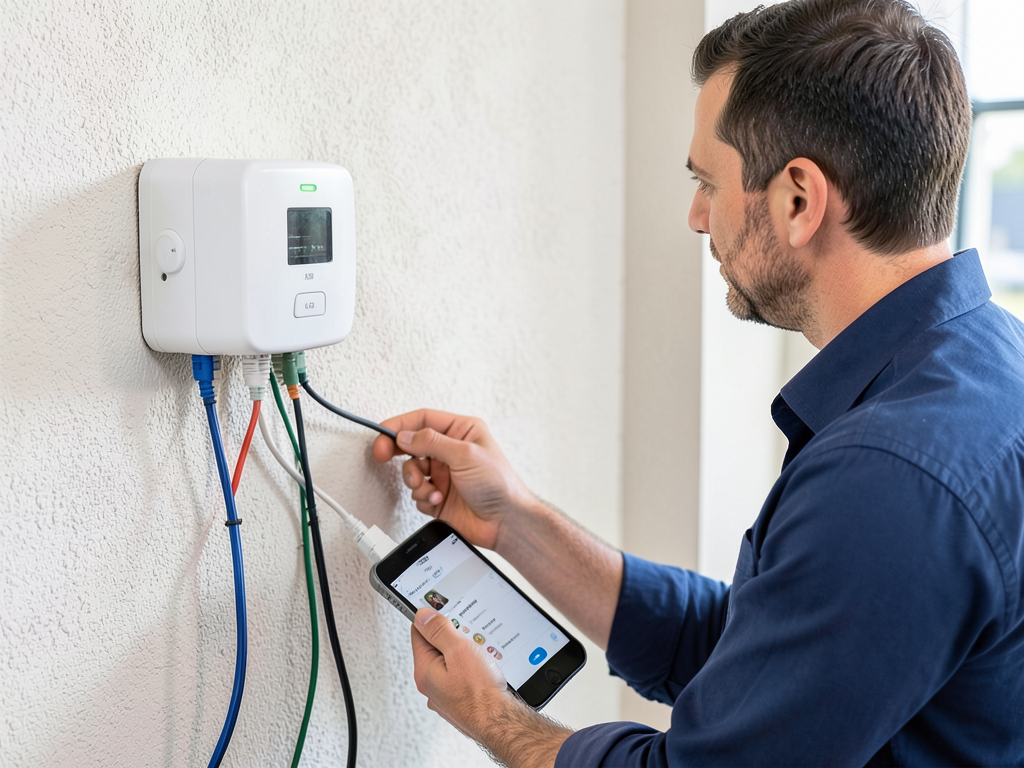
We shut off your main water supply and cut into the line at the optimal location. The softener connects between the main shutoff and your home's distribution system. We install a bypass valve, drain line, and overflow connection. We mount the control head, connect the brine tank, and ensure all fittings meet code. We program the control valve based on your water hardness and usage patterns. The system gets flushed and tested before we restore full water service.
03

System Calibration and Education

After installation, we run a complete regeneration cycle to verify proper operation. We test the soft water output to confirm hardness removal. We show you how to add salt, adjust settings, and recognize when the system needs service. We explain what salt to buy and how often to check levels. You receive documentation on regeneration schedules, bypass valve operation, and basic troubleshooting. We schedule a follow-up check to ensure the system performs as expected.

Why Kansas City Homeowners Choose Local Plumbing Experts for Water Softeners

Water softener installation isn't a DIY project if you want it done right. You need someone who understands Kansas City's plumbing codes and water conditions. We work in Kansas City every day. We know the water quality shifts between the Northland and areas south of the river. We understand how local water treatment plants operate and what that means for your home.

Silverline Plumbing Kansas City handles permits and inspections when required. We follow local code for drain connections and backflow prevention. We know which softener brands hold up best in this climate and which ones cause callbacks. We don't sell you equipment that's wrong for your situation.

When you hire a national chain or a door-to-door salesperson, you get a one-size-fits-all pitch. They oversell capacity, push expensive add-ons, and disappear when you need service. We stay local. We answer calls. We come back if something needs adjustment.

Kansas City's older neighborhoods like Hyde Park and Westport have unique plumbing challenges. Galvanized pipes, outdated fixtures, and limited space complicate installations. We adapt to your home's layout instead of forcing a generic installation plan. We've worked in homes built in the 1920s and new construction in Lenexa and Olathe. We handle both.

The advantages of water softening systems only matter if the system works correctly. Poor installation leads to leaks, regeneration failures, and water pressure problems. We test everything before we leave. We don't consider the job done until your water tests soft and your system operates quietly and efficiently. You get straightforward answers about maintenance, salt usage, and what to expect long-term.

What to Expect When You Install a Water Softener

Installation Timeline and Availability

Most water softener installations take four to six hours depending on your home's plumbing layout. We schedule installations Monday through Saturday and offer flexible appointment windows. Your water stays off for part of the installation, so we work efficiently to minimize disruption. We recommend scheduling installation when you can be home to ask questions and review system operation. If you need service quickly because of a recent appliance failure or severe hard water problems, we prioritize your appointment. We stock common softener models and can often install within a few days of your initial call.

Initial Consultation and Water Analysis

We start with a water test to measure hardness in grains per gallon. That tells us the severity of your problem and the type of system you need. We also test for iron, pH levels, and total dissolved solids. Kansas City water varies by neighborhood, so we don't assume anything. We inspect your existing plumbing to locate the main water line, check available space, and identify drain access. We discuss your household water usage, budget, and any specific concerns. You get a written estimate that includes equipment, installation labor, and any necessary permits.

The Quality of Soft Water You'll Experience

You notice the difference immediately. Soap and shampoo lather better. Your skin feels smoother after showering. Dishes and glassware dry without spots. Clothes come out of the washer brighter and softer. Over time, you see fewer mineral deposits on faucets and showerheads. Your water heater runs more efficiently because scale stops building up on the heating elements. Appliances like your dishwasher and washing machine last longer. You use less detergent, soap, and cleaning products because soft water rinses clean without leaving mineral residue. The water tastes better because the mineral content drops.

Ongoing Maintenance and Support

Water softeners need minimal maintenance if installed correctly. You add salt to the brine tank every four to six weeks depending on usage. We recommend checking salt levels monthly. The resin bed lasts 10 to 15 years under normal conditions. We offer annual service visits to inspect the system, test water quality, and clean the brine tank if needed. If you experience any issues like low water pressure, salty-tasting water, or regeneration problems, we respond quickly. Most problems involve simple adjustments to the control valve settings or salt bridging in the brine tank. We provide phone support and schedule service calls when needed.

Frequently Asked Questions

You Have Questions,
We Have Answers

What are the downsides of a water softener? +

Water softeners add sodium to your water during the ion exchange process. This increases salt intake slightly, which matters if you follow a low-sodium diet. Softeners also require ongoing maintenance like refilling salt and occasional resin cleaning. You need electricity to run the system, and regeneration cycles use extra water. The upfront installation cost can be significant. In Kansas City, where hard water is common, the mineral buildup protection usually outweighs these drawbacks. You may also need a separate drinking water tap if sodium concerns you. Most homeowners find the trade-off worthwhile for appliance protection and softer laundry.

Does water softener have health benefits? +

Water softeners reduce mineral deposits that can dry out skin and hair. Softer water helps soap lather better, which improves cleaning and reduces soap scum that can irritate sensitive skin. However, softeners replace calcium and magnesium with sodium. This adds minimal sodium to your diet, typically less than a slice of bread per glass. If you have heart disease or hypertension, consult your doctor. Kansas City residents with very hard water often notice healthier skin and hair after installing a softener. The real health benefit is indirect: protecting plumbing systems prevents lead or copper leaching from corroded pipes into your drinking water.

Is it healthier to drink hard or soft water? +

Hard water contains calcium and magnesium, which provide trace minerals your body needs. Soft water contains more sodium from the softening process. Neither is unhealthy for most people. If you need mineral intake from water, hard water offers slight nutritional value. If you follow a sodium-restricted diet, hard water is safer. Most Kansas City residents get minerals from food, not water, so the difference is minimal. The bigger issue is taste and plumbing protection. You can install a reverse osmosis system at your kitchen tap for drinking water while softening the rest of your home. This gives you the best of both approaches.

What are the signs that you need a water softener? +

Watch for white scale buildup on faucets, showerheads, and glass shower doors. Your soap and shampoo will not lather well, and you will need more detergent for laundry. Dishes come out of the dishwasher with spots or film. Skin feels dry and itchy after showers. Clothes fade faster and feel stiff. Kansas City water contains high levels of dissolved limestone from the Missouri River and local aquifers. You may notice reduced water pressure as scale clogs pipes. Water heaters fail earlier due to sediment accumulation. If you see any of these signs, a water test confirms hardness levels and determines the right softener size.

Why are states banning water softeners? +

Some states restrict water softeners because the salt brine discharge harms septic systems and wastewater treatment plants. High sodium levels in discharged water can damage soil and groundwater in drought-prone areas like California and Texas. These states often require on-demand softeners instead of timer-based models to reduce waste. Kansas City and Missouri have no such bans. Our municipal water systems handle softener discharge without issue. The concern is environmental, not health-related. Modern high-efficiency softeners use less salt and water during regeneration. If you have a septic system, check local regulations. Most Kansas City homes on city sewer can install softeners without restriction.

How long does a 40 lb bag of water softener salt last? +

A 40 lb bag typically lasts one to two months for an average household of four people. Actual usage depends on your water hardness level, daily water consumption, and softener size. Kansas City water ranges from moderately hard to very hard depending on your neighborhood. Higher hardness means more frequent regeneration cycles, which consume more salt. Larger families use more water and need more salt. Check your brine tank monthly. If it drops below the waterline, add another bag. Using high-purity salt extends resin life and improves efficiency. Avoid rock salt, which contains impurities that clog the system and reduce performance over time.

Who should not use a water softener? +

People on sodium-restricted diets should avoid softened water for drinking and cooking. This includes individuals with high blood pressure, heart disease, or kidney problems. Infants should not drink softened water when mixing formula due to sodium content. If you fall into these categories, install a reverse osmosis system at your kitchen tap or use bottled water. Soften the rest of your home for appliance protection and bathing. Kansas City residents with private wells should test water before softening, as some well water contains high sodium naturally. Anyone with specific health concerns should consult a doctor. Most healthy adults can drink softened water without issues.

Can you brush your teeth with softened water? +

Yes, brushing your teeth with softened water is safe. The sodium added during softening is minimal and does not harm your teeth or gums. Soft water actually helps toothpaste lather better for more effective cleaning. Kansas City tap water already meets EPA standards before softening. The ion exchange process does not add contaminants. Some people prefer the taste of unsoftened water for drinking, but brushing poses no risk. If you have concerns about sodium intake, install a separate cold water line to your kitchen sink that bypasses the softener. This gives you unsoftened drinking water while keeping bathroom fixtures and appliances protected from hard water damage.

Do water softeners make your water bill go up? +

Water softeners increase your water bill slightly due to regeneration cycles. The system flushes brine through the resin tank, using 25 to 65 gallons per cycle depending on the model. For an average Kansas City household, this adds around 200 to 400 gallons monthly. At current water rates, expect an extra two to five dollars per month. However, softeners often reduce overall costs by protecting water heaters, preventing pipe clogs, and cutting soap and detergent usage. High-efficiency models regenerate based on actual water use, not timers, which minimizes waste. The long-term savings on plumbing repairs usually outweigh the modest increase in your water bill.

Who should not drink softened water? +

Infants, people on sodium-restricted diets, and individuals with kidney disease should avoid drinking softened water regularly. The ion exchange process replaces calcium and magnesium with sodium, increasing salt content. For babies, use unsoftened water or bottled water when mixing formula. Adults with hypertension or heart conditions should consult a doctor. Kansas City residents can install a dedicated unsoftened tap in the kitchen for drinking and cooking. Most healthy adults can safely drink softened water, as the sodium increase is small. A typical glass adds about 12 to 35 mg of sodium, depending on original water hardness. This is negligible compared to dietary sodium intake from food.

How Kansas City's Limestone Bedrock Affects Your Water Softener Needs

Kansas City sits on top of limestone formations that naturally add calcium and magnesium to groundwater and aquifer supplies. The Missouri River also picks up minerals as it flows through limestone-rich terrain. That means nearly everyone in the metro area deals with hard water. Homes supplied by the Kansas City Water Department or smaller municipal systems in Johnson County and Wyandotte County all face the same challenge. The advantages of water softening systems become obvious when you see how fast scale builds up on fixtures and inside appliances. Testing consistently shows hardness levels between 10 and 15 grains per gallon. That's enough to cause serious damage over time.

Silverline Plumbing Kansas City works throughout the metro area from Liberty to Olathe and from Independence to Lenexa. We understand the local water supply, local plumbing codes, and the specific challenges Kansas City homes face. We know which neighborhoods have older galvanized pipes that complicate installations. We understand how the city's water treatment process affects mineral content. When you choose a local plumber who specializes in water treatment, you get better results. We don't disappear after installation. We stay available for service, questions, and adjustments. Our reputation depends on doing the job right for Kansas City homeowners.
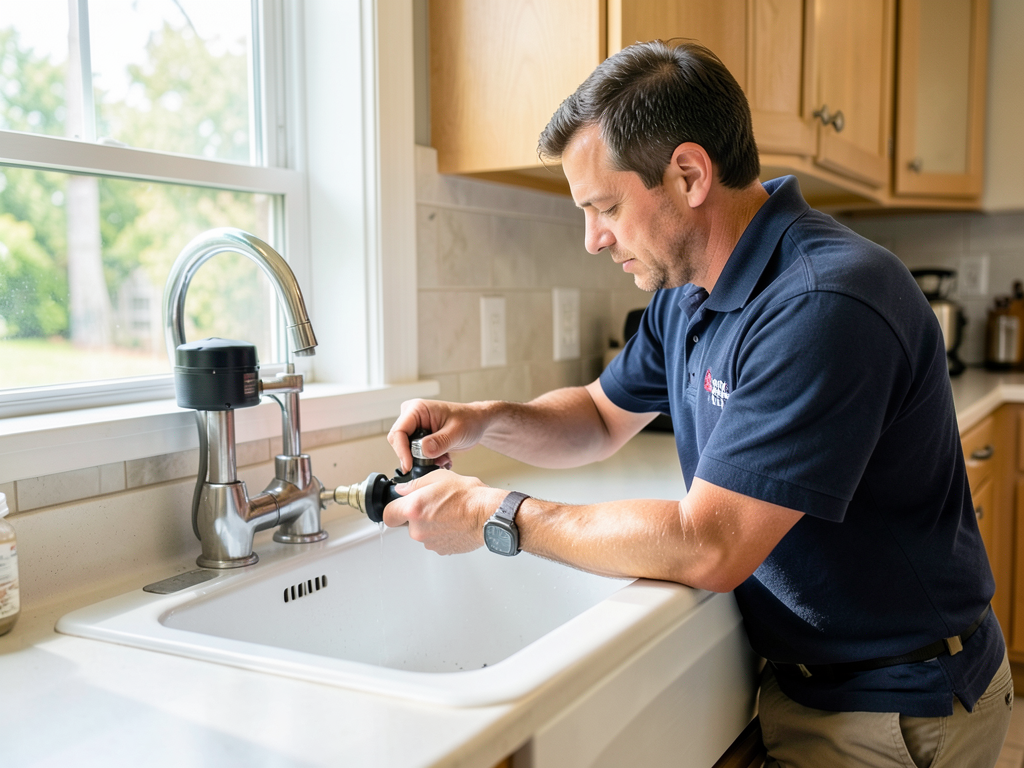
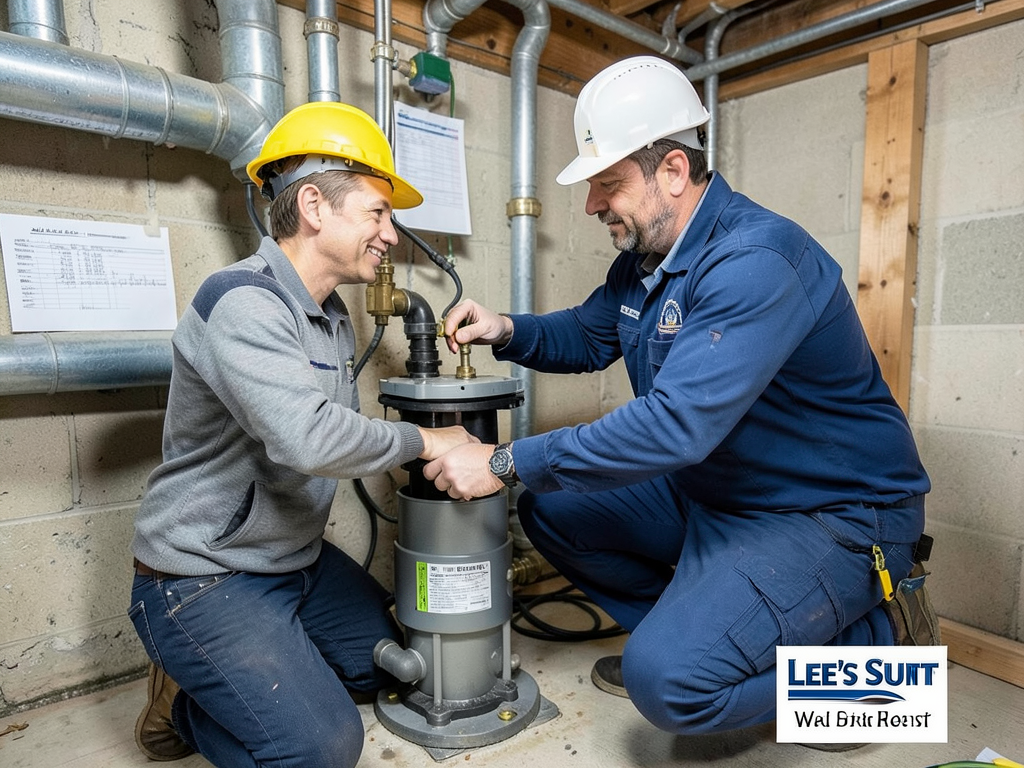
Plumbing Services in The Kansas City Area

We invite you to visit our location or view our extensive service area on the map below. Silverline Plumbing is proud to serve the entire Kansas City metro area, bringing our professional and trustworthy plumbing services to homes and businesses across the region. We are committed to being your neighborhood plumbers, always ready to respond to your call with speed and expertise, no matter where you are located.

Address:
Silverline Plumbing Kansas City, 131 E 39th St, Kansas City, MO, 64111

Additional Services We Offer

Our news updates

Latest Articles & News from The Blogs

Which Toilet Type Saves More on Your Kansas City Water Bill? Choosing between a dual flush and single flush toilet…

Dual Flush vs Single Flush — Which Toilet Saves the Most Money on Your KCMO Water Bill?

Which Toilet Type Saves More on Your Kansas City Water Bill? Choosing between a dual flush and single flush toilet…

How to Get Instant Hot Water to Your Master Suite in Leawood Without Wasting Gallons

How to Get Instant Hot Water to Your Master Suite in Leawood Without Wasting Gallons Waiting three minutes for hot…

Reverse Osmosis vs Whole House Filtration — Finding the Right Pure Water Solution in Liberty

Reverse Osmosis vs Whole House Filtration — Finding the Right Pure Water Solution in Liberty Homeowners in Liberty face a…

Contact Us

Call Silverline Plumbing Kansas City at (816) 473-9233 to schedule a water test and consultation. We'll evaluate your water quality, recommend the right system, and install it correctly the first time. Stop wasting money on hard water damage.