Menu

Sump Pump Services in Kansas City – Protecting Your Home from Missouri River Valley Flooding

Comprehensive sump pump installation, repair, replacement, and emergency service designed to handle Kansas City's high water table and seasonal storm surges that threaten basements across the metro.

Slider Image 1
Slider Image 2
Slider Image 3
Slider Image 4
Slider Image 5
Slider Image 7
Slider Image 8
Slider Image 9
Slider Image 10
Slider Image 11

Why Kansas City Basements Need Reliable Sump Pump Protection

Kansas City sits at the confluence of the Kansas and Missouri Rivers, creating a naturally high water table that puts constant pressure on basement foundations. When spring storms roll through or summer thunderstorms drop three inches in an hour, that hydrostatic pressure finds every crack and seam in your foundation walls.

Your sump pump is the only barrier between your finished basement and thousands of gallons of groundwater. When it fails, you have about 30 minutes before water starts seeping through foundation cracks. The clay soil common throughout Jackson County and surrounding areas compounds the problem. Clay expands when wet and contracts when dry, creating foundation movement that can crack discharge lines or shift pump basins out of alignment.

Neighborhoods near Brush Creek, the Blue River, and areas in the West Bottoms face elevated flood risk during heavy rain events. Properties built before 2000 often have undersized sump pumps that cannot keep pace with modern storm intensity. We see failures most often during May and June when Kansas City receives its heaviest rainfall. A failed sump pump means ruined drywall, destroyed HVAC systems, mold growth within 48 hours, and foundation damage that costs ten times more than proper sump pump maintenance.

Emergency sump pump service becomes critical when you hear unusual grinding noises, see rust in the basin, or notice the pump running constantly. These are warning signs that sump pump replacement is imminent. Waiting until water backs up into your basement turns a manageable repair into a disaster recovery situation.

Why Kansas City Basements Need Reliable Sump Pump Protection
Our Diagnostic Approach to Sump Pump Systems

Our Diagnostic Approach to Sump Pump Systems

Most plumbers treat sump pump repair as a simple swap. We diagnose the entire water management system. When you call for service, we test the float switch operation, measure discharge head pressure, inspect the check valve for blockages, and verify the weep hole is clear. These components work together, and a failed check valve can burn out a perfectly good pump motor within weeks.

We measure your basement square footage and calculate your specific gallons per hour requirement based on soil permeability and local water table depth. Many Kansas City homes need 1/3 horsepower pumps, but larger basements or properties near Turkey Creek require 1/2 horsepower models with higher flow rates. We also test your discharge line routing. If water drains back toward your foundation instead of away, you are pumping the same water repeatedly.

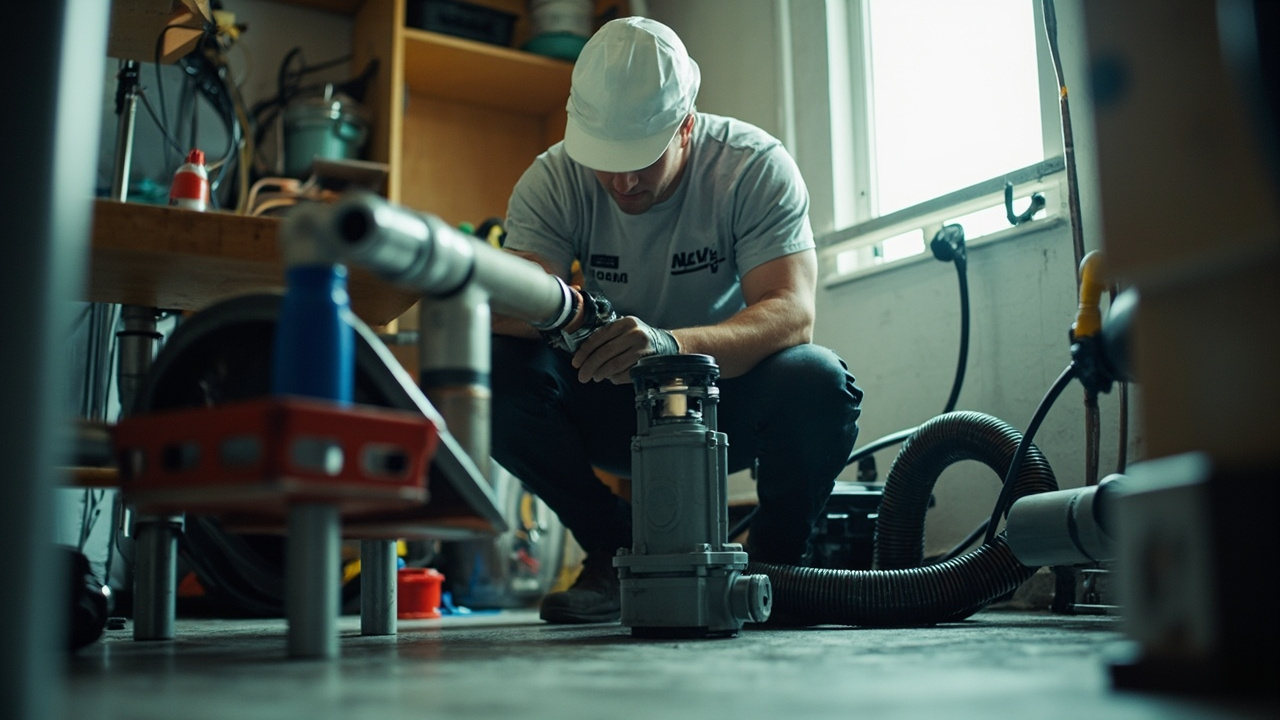
For sump pump installation, we excavate the basin to proper depth, install a sealed lid to prevent soil gas infiltration, and position the pump on a concrete pad to reduce vibration noise. We route discharge lines away from the foundation with proper slope and secure PVC connections that resist freeze damage during January cold snaps.

Battery backup systems are non-negotiable in Kansas City. When severe storms knock out power, your sump pump stops working exactly when you need it most. We install backup pumps with marine-grade batteries that provide 8 to 12 hours of runtime. For homes with finished basements or valuable equipment, we recommend water-powered backup systems that never lose power because they run off municipal water pressure.

What Happens During Your Sump Pump Service Appointment

Sump Pump Services in Kansas City – Protecting Your Home from Missouri River Valley Flooding
01

System Inspection and Testing

We start by manually activating your pump to observe full cycle operation. We check amp draw on the motor, listen for bearing noise, inspect the impeller for debris, and test the float switch at multiple levels. We also inspect your discharge line for clogs, freezing damage, or improper slope that causes water to drain back into the basin. This reveals whether you need repair or replacement.
02

Repair or Replacement Work

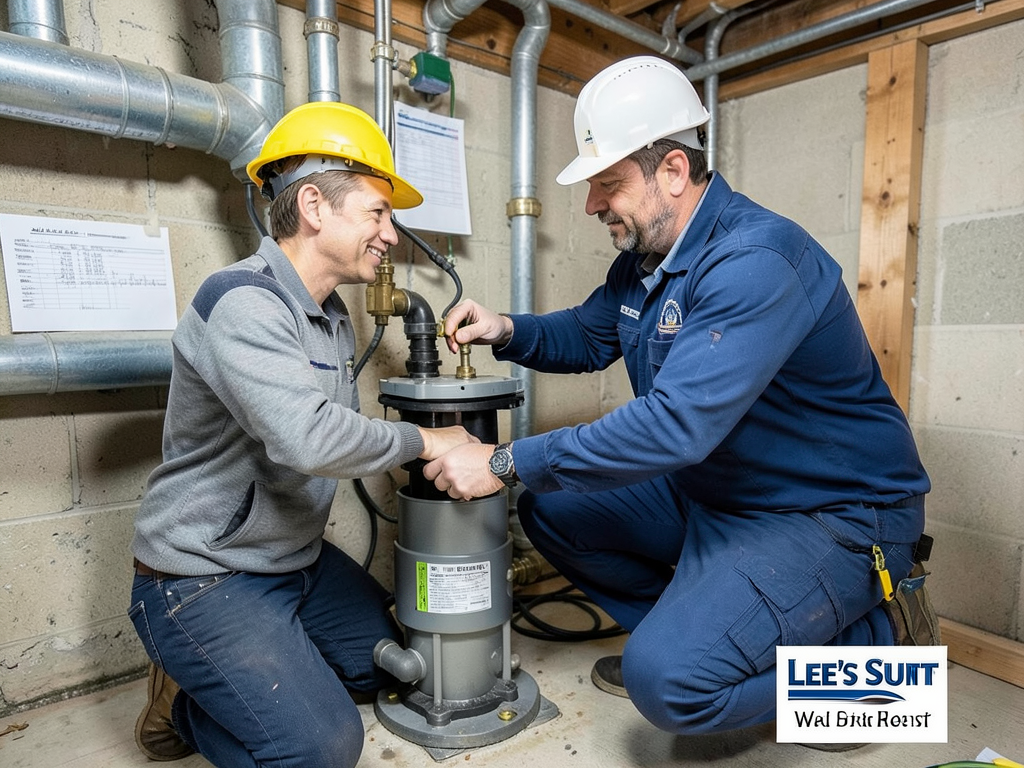
For repairs, we replace worn float switches, clean blocked discharge lines, install new check valves, or repair cracked PVC connections. For sump pump replacement, we remove the old unit, clean the basin, position the new pump on a stable base, connect the discharge piping, and seal all penetrations. We test the system under load to verify proper cycling and confirm the pump shuts off at the correct water level.
03

Final Testing and Documentation

Before we leave, we simulate a heavy rain event by adding water to the basin and timing pump activation. We verify your backup system engages properly if power is disconnected. You receive documentation showing pump specifications, flow rate, and recommended maintenance intervals. We mark your next inspection date and explain warning signs that require immediate attention, like frequent cycling or extended run times.

Why Kansas City Homeowners Trust Our Sump Pump Expertise

We have spent years responding to flooded basements in Waldo, Brookside, Westport, and neighborhoods across Johnson County. That experience taught us that generic solutions fail in Kansas City's unique soil and water conditions. We know that homes near Ward Parkway need different pump capacity than properties in Northland because soil drainage varies dramatically across the metro.

Local building codes require specific discharge routing to prevent water from flowing onto sidewalks or into storm sewers during certain conditions. We handle permit requirements for discharge line modifications and ensure your system meets municipal standards. This matters because improper discharge can result in fines or forced system modifications.

We also understand the architecture common to Kansas City homes. Older properties in historic districts like Hyde Park or Armour Hills have rubble foundations that require specialized basin installation techniques. Ranch homes built in the 1960s and 1970s often have shallow basins that need deepening to handle modern water volume. New construction in Olathe or Lee's Summit may have builder-grade pumps that are inadequate for the actual site conditions.

When you call Silverline Plumbing Kansas City, you get a technician who has worked on hundreds of local sump pump systems. We carry pumps sized for Kansas City conditions, stock the correct check valves for our climate, and know which backup systems perform best during extended power outages. We also respond fast because we know that basement flooding does not wait for business hours. Our emergency sump pump service operates around the clock, and we prioritize calls where water is actively entering the basement.

What to Expect from Our Sump Pump Services

Fast Response When You Need It Most

Emergency sump pump failures happen during storms when every plumber in Kansas City is overwhelmed with calls. We maintain adequate staffing and parts inventory to respond within two hours for emergency situations. For routine sump pump maintenance or scheduled replacement, we arrive during your selected appointment window. During peak storm season from April through June, we extend hours to handle the surge in repair requests. You should never wait days for service when your basement is at risk. We also offer same-day service for non-emergency situations when you notice warning signs like unusual noises or frequent cycling. Fast response prevents minor issues from becoming major water damage events.

Thorough System Evaluation and Honest Recommendations

Our technicians spend time understanding your specific situation before recommending solutions. We measure your basement dimensions, assess soil conditions around your foundation, evaluate your current pump capacity, and inspect your entire discharge system. We explain exactly what is failing and why. If your pump has years of life remaining, we tell you. If your system is undersized for your property, we show you the flow rate calculations that prove it. You receive a written assessment with clear options ranging from basic repair to full system upgrades. We never push unnecessary services, but we will tell you when a cheap repair will fail again within months. This diagnostic approach saves you money by fixing the actual problem instead of treating symptoms.

Quality Installation That Lasts for Years

When we install or replace a sump pump, the work is built to handle Kansas City weather extremes. We use pumps with cast iron or stainless steel components that resist corrosion from our hard water. Discharge lines are secured to prevent frost heave damage during winter freezes. Check valves are positioned to prevent water hammer that can crack pipes. Float switches are adjusted for your specific basin depth to prevent short cycling that wears out motors. We seal the basin lid to prevent humidity and soil gas from entering your basement. The result is a system that cycles properly, runs quietly, and activates reliably when water enters the basin. Quality installation also means easier future maintenance because components are accessible and properly labeled.

Ongoing Maintenance and Service Records

Sump pumps need annual maintenance to catch problems before they cause failures. We offer maintenance plans that include yearly inspections where we test pump operation, clean the basin, verify discharge line integrity, check backup system batteries, and replace worn components. You receive service records that document pump performance over time, which helps identify patterns that predict failure. These records are also valuable for home sales because they prove the system was maintained properly. Between scheduled maintenance, we are available for questions or concerns. If you hear unusual sounds or notice performance changes, a quick service call can prevent emergency repairs. Maintenance extends pump life from three years to ten years and dramatically reduces the risk of catastrophic failure during severe storms.

Frequently Asked Questions

You Have Questions,
We Have Answers

How much does it cost to have a sump pump serviced? +

Sump pump service costs in Kansas City typically range from $150 to $350 for routine maintenance. This includes inspecting the float switch, testing the discharge line, cleaning the pit, and checking the backup system. If your pump needs repairs like a new switch or impeller, expect additional charges. Clay soil and seasonal flooding common to the Kansas City metro area mean your pump works harder than most. Annual servicing prevents costly emergency repairs during spring storms when your basement needs protection most. Request a detailed quote before work begins.

How often does a sump pump need to be serviced? +

Service your sump pump annually before spring storm season hits Kansas City. Homes in flood-prone areas like River Market or neighborhoods near the Missouri River should inspect their pumps twice yearly. High humidity and heavy spring rainfall put extra strain on your system. Test your pump every three months by pouring water into the pit. Check that the float switch activates and water discharges properly. If you experienced basement flooding previously or have a finished basement, more frequent inspections protect your investment.

How do I service a sump pump? +

You can perform basic sump pump maintenance yourself. Unplug the unit first. Remove debris from the pit and check the inlet screen. Pour water into the basin to test the float switch and ensure the pump activates. Inspect the discharge pipe outside for clogs or ice buildup during Kansas City winters. Clean the air hole in the discharge line. However, testing the check valve, inspecting electrical connections, and evaluating pump capacity require professional expertise. If you notice strange noises or slow drainage, call a licensed plumber immediately.

Who is best to fix a sump pump? +

For sump pump repair in Kansas City, you need a licensed plumber who understands local soil conditions and flooding patterns. Look for professionals with emergency availability during spring storm season. They should offer backup system installation since power outages during severe weather leave homes vulnerable. Ask about experience with submersible and pedestal pumps. Check that they pull permits when required and warranty their work. A qualified plumber diagnoses issues quickly, stocks common replacement parts, and prevents water damage that costs thousands to remediate.

Does homeowners insurance cover sump pump repair? +

Standard homeowners insurance typically does not cover sump pump failure or the resulting water damage. Most policies exclude mechanical breakdown and maintenance-related issues. However, you can add sump pump failure coverage through an endorsement or rider. Some carriers offer water backup coverage that includes sump pump overflow. Review your policy carefully. Given Kansas City's spring flooding risks and clay soil drainage challenges, this additional coverage costs $50 to $250 annually but protects against thousands in basement damage. Document all maintenance to support potential claims.

What is the typical lifespan of a sump pump? +

Sump pumps last seven to ten years with proper maintenance. Kansas City's clay soil and frequent spring storms make pumps work harder, potentially shortening lifespan. Pedestal pumps often outlast submersible models but move less water. Frequent cycling during heavy rainfall accelerates wear on the motor and float switch. Homes in low-lying areas or those with high water tables may need replacement sooner. Replace your pump proactively at the eight-year mark rather than waiting for failure during a storm when you need it most.

What is the most common problem with sump pumps? +

Float switch failure causes most sump pump problems. The switch gets stuck or tangled, preventing the pump from activating when water rises. Debris accumulation in the pit clogs the inlet screen and impeller. Kansas City's clay soil introduces fine sediment that accelerates buildup. Power outages during storms leave pumps useless without a battery backup system. Frozen or clogged discharge lines prevent proper drainage during winter. Check valve failure allows water to flow back into the pit. Regular cleaning and testing catch these issues before they cause basement flooding.

Is a sump pump a red flag when buying a house? +

A sump pump signals past water issues but is not automatically a red flag. Many Kansas City homes have sump pumps because of clay soil, high water tables, or proximity to rivers and streams. During home inspection, verify the pump works properly and ask about flooding history. Check for water stains, musty odors, or foundation cracks. Homes in River Market, North Kansas City, or areas near Brush Creek often require pumps. A well-maintained system protects your basement. Request maintenance records and consider the pump a necessary flood prevention tool.

How to unclog a sump pump without removing it? +

You can clear minor sump pump clogs without removal. Unplug the pump first. Use a wet-dry vacuum to remove standing water and debris from the pit. Flush the inlet screen with a garden hose. Pour white vinegar into the pit to dissolve mineral buildup, then rinse thoroughly. Check the discharge line outside for blockages. For Kansas City homes with clay soil, sediment clogs happen frequently. If the impeller is jammed or the clog persists, you need professional disassembly and cleaning to avoid damaging the motor or seals.

What are the signs of a failing sump pump? +

Your sump pump shows failure through several warning signs. Strange grinding, rattling, or humming noises indicate motor or impeller damage. The pump runs constantly without lowering water levels. It cycles on and off rapidly even without rain. You notice visible rust or corrosion on the unit. Water drains slowly or not at all. The pump does not activate when you pour water into the pit. During Kansas City's spring storms, delayed activation means basement flooding risk. If you see any of these signs, schedule immediate inspection before the next heavy rainfall event.

How Kansas City's Clay Soil and High Water Table Affect Sump Pump Performance

The clay soil that covers most of Kansas City creates unique challenges for sump pump systems. Clay has low permeability, meaning water does not drain through it quickly. When heavy rain saturates the ground, hydrostatic pressure builds rapidly against basement walls. This forces water through foundation cracks faster than sandy soil would. Clay also expands when wet and shrinks when dry, creating seasonal foundation movement that can crack discharge lines, shift pump basins, or open new water entry points. Properties near the Blue River, Missouri River, or in low-lying areas like the West Bottoms face elevated groundwater levels year-round. Your sump pump must handle sustained high-volume flow, not just occasional puddles. Undersized pumps burn out quickly in these conditions.

Local building codes in Kansas City and surrounding Johnson County municipalities have specific requirements for sump pump discharge routing to prevent neighborhood drainage problems. We stay current on these regulations and ensure your installation meets local standards. Many older Kansas City homes were built before modern codes required proper foundation drainage, which means retrofit installations need careful planning to work correctly. Our familiarity with Kansas City's construction history helps us solve problems that generic plumbers miss. We also understand how weather patterns here differ from national averages. Kansas City gets intense thunderstorms that drop heavy rain in short periods, requiring pumps with higher flow rates than climate data might suggest. Local expertise prevents system failures that cost thousands to remediate.

Plumbing Services in The Kansas City Area

We invite you to visit our location or view our extensive service area on the map below. Silverline Plumbing is proud to serve the entire Kansas City metro area, bringing our professional and trustworthy plumbing services to homes and businesses across the region. We are committed to being your neighborhood plumbers, always ready to respond to your call with speed and expertise, no matter where you are located.

Address:
Silverline Plumbing Kansas City, 131 E 39th St, Kansas City, MO, 64111

Additional Services We Offer

Our news updates

Latest Articles & News from The Blogs

Which Toilet Type Saves More on Your Kansas City Water Bill? Choosing between a dual flush and single flush toilet…

Dual Flush vs Single Flush — Which Toilet Saves the Most Money on Your KCMO Water Bill?

Which Toilet Type Saves More on Your Kansas City Water Bill? Choosing between a dual flush and single flush toilet…

How to Get Instant Hot Water to Your Master Suite in Leawood Without Wasting Gallons

How to Get Instant Hot Water to Your Master Suite in Leawood Without Wasting Gallons Waiting three minutes for hot…

Reverse Osmosis vs Whole House Filtration — Finding the Right Pure Water Solution in Liberty

Reverse Osmosis vs Whole House Filtration — Finding the Right Pure Water Solution in Liberty Homeowners in Liberty face a…

Contact Us

Do not wait until water is pouring into your basement. Call Silverline Plumbing Kansas City now at (816) 473-9233 for fast sump pump service, repair, or replacement. We respond quickly and fix the problem right the first time.