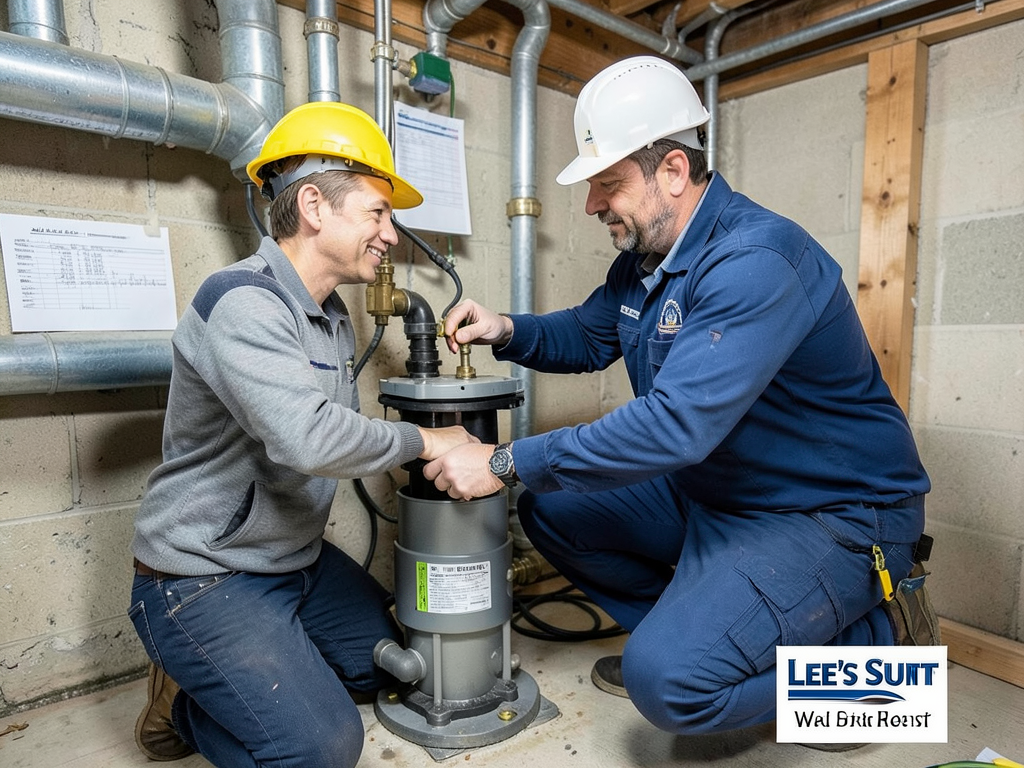
Kansas City municipal water averages 9 to 12 grains per gallon hardness, which deposits calcium carbonate scale inside water heaters, steamers, and combination ovens. Scale reduces heat transfer efficiency by 30 percent and causes premature element failure in commercial water heaters. Winter temperatures regularly drop below 20 degrees, freezing exposed supply lines in unheated loading docks or exterior wall chases common in warehouse conversions. Summer heat cycles stress expansion joints in recirculation loops, causing pinhole leaks in copper lines. Industrial kitchen plumbing in Kansas City requires scale management systems, proper insulation on exterior walls, and expansion compensation on long horizontal runs.
Kansas City's food service industry operates under some of the strictest health department oversight in the region. Jackson County Environmental Health inspectors enforce the 2018 International Plumbing Code with local amendments that specify grease interceptor sizing, backflow prevention on all direct water connections, and air gap requirements stricter than state minimums. Choosing a commercial kitchen plumber with local code knowledge prevents costly rework after failed inspections. Silverline Plumbing Kansas City maintains relationships with local inspectors, understands current enforcement priorities, and designs systems that meet both code minimums and operational reliability standards for the Kansas City market.