Menu

Hydro Jetting vs. Snaking in Kansas City – Expert Guidance to Choose the Right Drain Cleaning Method

Kansas City homeowners deserve clear answers about hydro jetting and snaking so you can make informed decisions about your drain cleaning needs and avoid wasting money on the wrong solution.

Slider Image 1
Slider Image 2
Slider Image 3
Slider Image 4
Slider Image 5
Slider Image 7
Slider Image 8
Slider Image 9
Slider Image 10
Slider Image 11

Why Kansas City's Unique Soil and Plumbing Infrastructure Creates Drain Cleaning Challenges

Kansas City sits on expansive clay soil that shifts with moisture changes, creating stress on underground sewer lines. These movement patterns cause cracks, misalignments, and intrusions where tree roots find entry points. The metro area's older neighborhoods feature cast iron and clay pipes installed decades ago, now prone to buildup and structural degradation.

You face a choice when drains back up. A plumbing snake uses a rotating cable with a cutting head to bore through blockages, while hydro jetting uses high-pressure water streams to scour pipe walls clean. The difference between hydro jetting and snaking comes down to thoroughness versus simplicity.

The hydro jet vs drain snake decision matters because Kansas City's mature tree populations send aggressive root systems into compromised pipes. A snake clears the immediate blockage but leaves root fragments and grease residue clinging to pipe walls. Within months, you face the same problem again.

Water jetting vs rooter service represents a fundamental approach difference. The traditional rooter relies on mechanical force to punch through obstructions. Hydro jetting removes the obstruction and the environment that allowed it to form. For Kansas City properties with recurring backups, this distinction determines whether you fix the problem or just delay it.

The pros and cons of hydro jetting vs snaking become clear when you understand your pipe's condition and the blockage type. Clay soil movement and aging infrastructure mean many Kansas City homes need more than a quick cable run to solve drainage issues properly.

Why Kansas City's Unique Soil and Plumbing Infrastructure Creates Drain Cleaning Challenges
How Each Method Works and When to Use Which Approach

How Each Method Works and When to Use Which Approach

A drain snake feeds a flexible steel cable through your cleanout or drain opening. The cable rotates as it advances, and the cutting head grinds through soft blockages like paper, hair, and organic matter. Snaking works quickly for simple stoppages in smaller diameter pipes. The cable reaches 50 to 100 feet depending on the machine, making it effective for branch line clogs.

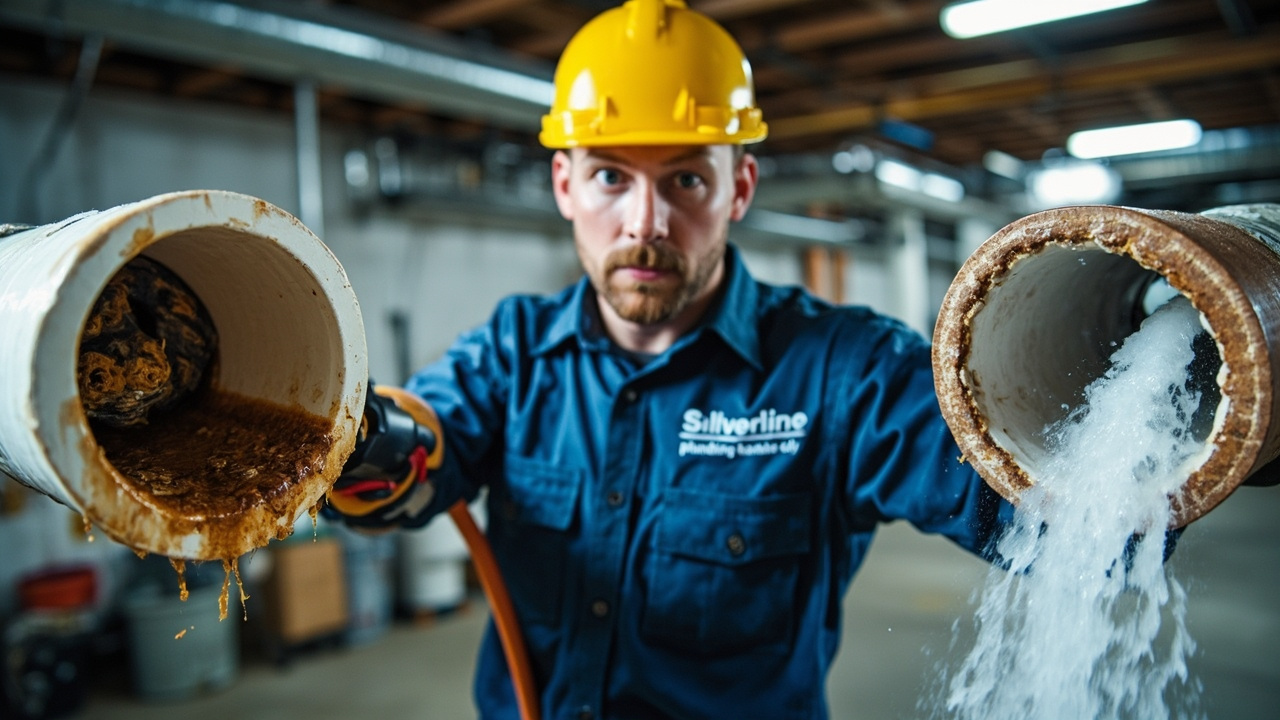
Hydro jetting pumps water through a specialized nozzle at 3,000 to 4,000 PSI. The nozzle design creates forward-cutting jets and reverse jets that propel the hose through the pipe while scouring 360 degrees of the pipe interior. This process removes grease, scale, soap buildup, and root intrusions down to bare pipe. The system clears main sewer lines up to 300 feet.

The plumbing snake vs water jetting choice depends on your pipe material, age, and condition. Fragile clay pipes or severely deteriorated cast iron may not withstand jetting pressure. A camera inspection reveals pipe integrity before we recommend a method. For Kansas City homes built before 1980, this diagnostic step prevents catastrophic failures.

Snaking costs less and works for straightforward blockages in structurally sound pipes. You get immediate relief when a simple obstruction stops water flow. Jetting costs more upfront but eliminates the conditions causing repeat blockages. This makes economic sense when you calculate the cumulative cost of quarterly snake calls.

Silverline Plumbing Kansas City uses both methods strategically. We snake first-time blockages in newer homes with PVC or ABS pipe. We recommend jetting for chronic problems, grease-heavy commercial kitchens, and pre-sale home preparations where buyers want verified clear lines.

What Happens During Your Drain Cleaning Service

Hydro Jetting vs. Snaking in Kansas City – Expert Guidance to Choose the Right Drain Cleaning Method
01

Initial Inspection and Assessment

We start with questions about your drainage history and symptoms. How often do backups occur? Which fixtures drain slowly? Do you hear gurgling sounds? We locate your main cleanout and check for visible signs of pipe stress. For uncertain situations, we insert a sewer camera to identify the blockage type, location, and pipe condition before selecting the appropriate clearing method.
02

Method Selection and Execution

Based on pipe condition and blockage characteristics, we deploy either a cable machine or hydro jetting unit. Snaking targets the specific obstruction with rotating cutters sized for your pipe diameter. Jetting requires setup of the pump, hose reel, and nozzle selection based on the debris type. We monitor pressure and advance methodically to prevent pipe damage while achieving complete clearance.
03

Verification and Documentation

After clearing the line, we run water to confirm proper flow and drainage speed. For jetting services, we often perform a post-cleaning camera inspection to document the clean pipe interior and verify complete debris removal. You receive footage showing before and after conditions. We identify any structural concerns requiring repair and provide recommendations for preventing future blockages.

Why Kansas City Property Owners Trust Local Expertise for Drain Cleaning Decisions

Kansas City's plumbing challenges require technicians who understand regional soil conditions, aging infrastructure patterns, and seasonal stress factors. The freeze-thaw cycles we experience cause ground movement that older pipes cannot tolerate. Spring rains saturate clay soil, creating hydrostatic pressure against basement drain tiles and foundation drains.

We know which neighborhoods have original clay sewer laterals and where the city replaced main lines but left private laterals untouched. This knowledge shapes our recommendations. A property in the Valentine neighborhood with 1920s infrastructure needs different guidance than a home in southern Johnson County built in 2005.

The difference between a generic drain cleaning and proper service shows in the questions asked. Do you have a basement floor drain? Is your home on city sewer or septic? When was the last time you had the main line scoped? These questions reveal potential complications before we start work.

Silverline Plumbing Kansas City maintains relationships with local engineers and foundation specialists because drain problems often connect to larger structural issues. Clay soil movement creates negative slope in sewer lines, causing recurring backups no amount of cleaning will fix. We identify these situations and refer you to the right solution instead of selling repeated service calls.

Our camera inspection database helps track pipe deterioration over time. When we service your property, we compare current footage to previous inspections. This reveals whether root intrusion is worsening or if scale buildup indicates water chemistry issues. You get actionable information, not just a temporary fix.

Kansas City codes require backflow prevention in certain commercial applications. We ensure compliance while solving your immediate drainage problem, preventing violations that create liability.

What You Can Expect from Professional Drain Cleaning Service

Response Time and Scheduling

We dispatch technicians within two hours for emergency backups affecting multiple fixtures or causing water damage risk. Scheduled maintenance cleaning typically books within 48 hours. Snaking a simple blockage takes 30 to 60 minutes. Hydro jetting a main sewer line requires 90 minutes to two hours when including setup, cleaning, and post-inspection camera work. We arrive with the equipment needed for both methods, letting pipe conditions and blockage characteristics guide the final decision. You avoid delays waiting for different equipment or crews.

Diagnostic Process and Recommendations

Before we clear your drain, you see what we see. Camera inspections transmit live footage to a monitor where you watch alongside our technician. We point out blockage composition, pipe material, root intrusion severity, and structural concerns. This transparency eliminates upselling pressure. When we recommend hydro jetting over snaking, you understand why based on visual evidence. We explain cost differences and expected outcomes for each approach. For chronic problems, we identify root causes like bellied pipes, offset joints, or inadequate slope that no cleaning method will permanently fix.

Quality of Results

Snaking restores immediate flow by creating a hole through the blockage. Expect relief from backups and slow drains within minutes. Hydro jetting delivers bare pipe results, removing decades of accumulated grease, soap scum, and mineral scale. Water flows faster than you remember, and fixtures drain with the force they had when new. For heavily fouled lines, you notice the difference immediately when you flush toilets or empty sinks. Post-cleaning camera footage documents the clean pipe interior, providing verification of thoroughness and revealing any damage requiring repair attention.

Maintenance Planning and Prevention

After clearing your drain, we provide specific guidance based on what we found. Homes with aggressive root intrusion benefit from annual jetting to prevent complete blockages. Properties with grease accumulation need enzyme treatments or behavior changes. We identify fixtures with venting problems causing slow drainage despite clear pipes. For commercial kitchens, we establish jetting schedules that prevent emergency backups during business hours. Residential customers receive realistic timeframes for when problems may recur based on pipe condition and usage patterns. This planning prevents surprises and budgeting challenges.

Frequently Asked Questions

You Have Questions,
We Have Answers

What are the disadvantages of hydro jetting? +

Hydro jetting has three key disadvantages. First, it costs more upfront than snaking because it requires specialized equipment and training. Second, it can damage old, corroded, or fragile pipes if a plumber does not inspect the line first with a camera. Third, it requires access to a cleanout port, which older Kansas City homes may lack. If your property has clay or cast iron sewer lines common in older neighborhoods, a video inspection is mandatory before jetting to avoid cracking brittle pipes and creating expensive repairs.

Is snaking and jetting the same thing? +

No. Snaking and jetting are two different drain cleaning methods. Snaking uses a mechanical auger with a rotating blade to punch through clogs and pull debris out. It works for simple blockages like hair or paper. Hydro jetting uses high-pressure water streams up to 4,000 PSI to blast away grease, scale, tree roots, and buildup from pipe walls. Jetting cleans the entire pipe diameter. Snaking only clears a narrow path. Think of snaking as a temporary fix and jetting as a deep clean that restores full flow.

Is hydro jetting worth it? +

Yes, hydro jetting is worth it for severe or recurring clogs. If you snake your drains every few months, you are treating symptoms without addressing the buildup causing repeat blockages. Jetting removes grease, mineral scale, and root intrusions that snaking cannot touch. It restores pipes to near-original capacity and prevents future clogs longer. For Kansas City properties with older sewer lines or mature trees, jetting saves money long-term by reducing emergency calls and extending pipe life. It is an investment in prevention, not just a quick fix.

Is it better to use a snake or drain cleaner? +

Use a snake, not chemical drain cleaner. Liquid drain cleaners contain caustic chemicals that corrode pipes, especially older galvanized or cast iron lines common in Kansas City homes. They generate heat that can crack PVC joints and create toxic fumes. They rarely clear tough clogs completely. A plumbing snake mechanically breaks up blockages without damaging pipes. For grease or root clogs, hydro jetting is better than both options. Chemical cleaners are a temporary band-aid that worsens the problem and voids warranties. Professional mechanical cleaning protects your plumbing investment.

Can hydro jetting damage old pipes? +

Yes, hydro jetting can damage old pipes if not done correctly. Homes in Kansas City with original clay tile or cast iron sewer lines are at risk. These materials become brittle over time, especially with shifting clay soil and freeze-thaw cycles. High-pressure water can crack weak joints or blow out corroded sections. A responsible plumber always runs a video camera inspection first to check pipe condition, locate damage, and identify materials. If pipes are compromised, snaking or trenchless repair may be safer. Never let anyone jet your lines without inspecting them first.

Why do plumbers say not to use drain cleaner? +

Plumbers warn against chemical drain cleaners because they cause more harm than good. The caustic acids or bases generate extreme heat that warps PVC, corrodes metal pipes, and damages rubber gaskets. They create toxic fumes and environmental hazards. Most importantly, they rarely solve the root problem. Grease, hair, and scale buildup require mechanical removal. Chemical cleaners just punch a small hole through the clog, leaving buildup on pipe walls. Repeated use weakens your entire plumbing system and leads to expensive pipe replacement. Mechanical cleaning is safer and more effective.

Can I DIY hydrojetting? +

No, you should not DIY hydro jetting. The equipment costs thousands of dollars and requires professional training to operate safely. Using incorrect pressure can shatter pipes, flood your basement, or cause serious injury. You need a camera inspection first to identify pipe material, locate damage, and spot hidden problems. Without this diagnostic step, you risk catastrophic pipe failure and costly repairs. Kansas City homes with older sewer laterals face additional risk from clay soil movement and root intrusion. Hire a licensed plumber with proper equipment, insurance, and local experience to protect your property.

How much do plumbers charge to snake a main line? +

Plumbers in the Kansas City metro typically charge between $150 and $400 to snake a main sewer line, depending on clog severity, line accessibility, and time required. Simple blockages near the cleanout cost less. Deep clogs requiring extended cable runs or multiple attempts cost more. Emergency after-hours service adds premium fees. If roots or grease cause the blockage, snaking may only provide temporary relief. Many plumbers recommend camera inspection after snaking to identify the underlying cause and prevent repeat calls. Get quotes from multiple licensed contractors and ask about warranties on the work.

What are the signs I need hydro jetting? +

You need hydro jetting if you experience recurring slow drains, multiple clogs in different fixtures, sewage backups, or foul odors from drains. If snaking only fixes the problem temporarily, you likely have buildup coating your pipe walls. Homes with mature trees often face root intrusion that snaking cannot remove. Grease accumulation from kitchen drains requires jetting to dissolve. If you hear gurgling sounds or notice standing water in your yard, roots or scale may be restricting flow. A camera inspection confirms whether jetting is necessary to restore full pipe capacity.

How much do plumbers charge to hydrojet? +

Hydro jetting costs vary widely in Kansas City, typically ranging from $350 to $800 for residential lines, depending on clog severity, pipe length, and access difficulty. Main sewer line jetting costs more than secondary drain lines. Prices include camera inspection, which is necessary to assess pipe condition before jetting. Emergency service, difficult access, or extensive root removal increases cost. While jetting costs more upfront than snaking, it lasts longer and prevents repeat clogs. Request quotes from licensed plumbers, ask what the price includes, and verify they inspect pipes first to avoid damage.

How Kansas City's Clay Soil and Mature Trees Impact Your Drain Cleaning Method Choice

Kansas City's expansive clay soil shrinks during dry periods and swells when saturated, creating constant stress on rigid sewer pipes. This movement opens joints in clay tile systems and cracks cast iron pipes, giving tree roots access to moisture and nutrients inside your drain lines. The metro area's abundant oak, maple, and sycamore trees send aggressive root systems 50 feet or more searching for water sources. Once roots enter through a small crack, they expand rapidly in the nutrient-rich environment, forming dense masses that trap debris and restrict flow. The hydro jet vs drain snake decision matters more in Kansas City than in newer cities with stable soil and PVC infrastructure.

Silverline Plumbing Kansas City understands the unique conditions affecting properties throughout Jackson County, Johnson County, and the surrounding metro. We know which neighborhoods installed clay tile sewers in the 1940s and where root intrusion patterns are most aggressive. This local expertise shapes honest recommendations about whether snaking provides adequate relief or if hydro jetting is necessary for your specific situation. We work with Kansas City's municipal codes and understand notification requirements when main line work affects city connections. Choosing a provider familiar with regional soil mechanics and infrastructure age prevents damage from inappropriate methods and ensures compliance with local regulations.
Plumbing Services in The Kansas City Area

We invite you to visit our location or view our extensive service area on the map below. Silverline Plumbing is proud to serve the entire Kansas City metro area, bringing our professional and trustworthy plumbing services to homes and businesses across the region. We are committed to being your neighborhood plumbers, always ready to respond to your call with speed and expertise, no matter where you are located.

Address:
Silverline Plumbing Kansas City, 131 E 39th St, Kansas City, MO, 64111

Additional Services We Offer

Our news updates

Latest Articles & News from The Blogs

Which Toilet Type Saves More on Your Kansas City Water Bill? Choosing between a dual flush and single flush toilet…

Dual Flush vs Single Flush — Which Toilet Saves the Most Money on Your KCMO Water Bill?

Which Toilet Type Saves More on Your Kansas City Water Bill? Choosing between a dual flush and single flush toilet…

How to Get Instant Hot Water to Your Master Suite in Leawood Without Wasting Gallons

How to Get Instant Hot Water to Your Master Suite in Leawood Without Wasting Gallons Waiting three minutes for hot…

Reverse Osmosis vs Whole House Filtration — Finding the Right Pure Water Solution in Liberty

Reverse Osmosis vs Whole House Filtration — Finding the Right Pure Water Solution in Liberty Homeowners in Liberty face a…

Contact Us

Stop guessing about drain cleaning options. Call Silverline Plumbing Kansas City at (816) 473-9233 for honest assessment and the right solution for your specific situation. We explain your options clearly and back our work completely.