Menu

How to Prevent Frozen Pipes in Kansas City – Expert Winterizing Strategies That Actually Work

Proven frozen pipe prevention tips designed specifically for Kansas City's unpredictable winter climate, from insulation techniques to emergency shutoff procedures that protect your plumbing before the next hard freeze hits.

Slider Image 1
Slider Image 2
Slider Image 3
Slider Image 4
Slider Image 5
Slider Image 7
Slider Image 8
Slider Image 9
Slider Image 10
Slider Image 11

Why Kansas City Homes Face Serious Frozen Pipe Risks Every Winter

Kansas City's winter weather creates the perfect storm for frozen pipes. The metro area experiences dramatic temperature swings, sometimes dropping from 50 degrees to 15 degrees within 24 hours. These rapid freeze-thaw cycles stress your plumbing system in ways that steady cold climates do not.

The problem gets worse in older Kansas City neighborhoods like Brookside, Waldo, and the Northeast Historic District. Homes built before 1970 often have exterior walls with minimal insulation and crawl spaces that expose supply lines to frigid air. Many Kansas City basements were not designed for modern heating systems, leaving rim joists and foundation walls vulnerable.

Clay soil compounds the issue. Kansas City sits on expansive clay that shifts during freeze-thaw cycles, creating small foundation cracks that let cold air reach your pipes. Copper and PEX supply lines in exterior walls, unheated garages, and crawl spaces freeze when temperatures drop below 20 degrees for more than a few hours.

Stopping pipes from freezing requires understanding your home's specific vulnerabilities. Protecting pipes from freezing is not about one magic solution. It is about layering multiple winterizing plumbing pipes strategies based on your home's age, construction, and exposure points.

Water expands when it freezes. A single burst pipe can release hundreds of gallons per hour, causing thousands in damage to floors, walls, and personal property. The insurance claim headache and displacement stress make frozen pipe prevention tips worth implementing now, before the next Arctic front pushes through the metro.

Why Kansas City Homes Face Serious Frozen Pipe Risks Every Winter
The Science Behind Keeping Water Pipes From Freezing

The Science Behind Keeping Water Pipes From Freezing

Water freezes at 32 degrees, but your pipes do not burst the moment temperatures drop below freezing. The risk increases when supply lines spend multiple hours below 20 degrees. The freezing process starts at the point of greatest cold exposure, usually where pipes run through exterior walls, unheated crawl spaces, or attached garages.

As ice forms, it creates a blockage. Water pressure builds behind the ice plug because water cannot compress. The pressure increase causes pipe failure, usually at joints, elbows, or thin-walled sections. The burst often happens several feet away from the actual freeze point, which makes diagnosis tricky after the fact.

Preventing this process requires maintaining pipe temperature above freezing and ensuring water can move freely through the system. Insulation slows heat loss from the pipe to the surrounding cold air. Pipe insulation rated R-3 or higher provides meaningful protection for supply lines in unconditioned spaces.

Heat trace cable offers active protection for high-risk sections. These thermostatically controlled cables wrap around exposed pipes and activate when temperatures approach freezing. We install heat trace on exterior hose bibs, pipes in exterior walls that cannot be insulated, and supply lines in unheated crawl spaces under older Kansas City homes.

Moving water resists freezing better than static water. Leaving faucets open to a pencil-thin stream during extreme cold keeps water moving through vulnerable sections. This strategy works because flowing water transfers heat from the warmer interior sections and prevents ice formation at cold spots.

Winterizing plumbing pipes also means eliminating water from lines that serve seasonal fixtures. Outdoor hose bibs, sprinkler systems, and pool lines should be drained and blown out before the first hard freeze. Any water left in these lines will freeze and cause failure.

Your Complete Pipe Freeze Prevention Checklist

How to Prevent Frozen Pipes in Kansas City – Expert Winterizing Strategies That Actually Work
01

Identify Vulnerable Pipe Locations

Start in your crawl space, attic, and garage. Look for any exposed supply lines running along exterior walls or near foundation vents. Check areas where plumbing enters your home from the outside. In Kansas City homes, rim joists above the foundation wall are the most common failure point. Mark every section of pipe you can see in unconditioned space. These are your priority zones for insulation and heat trace.
02

Install Insulation and Heat Protection

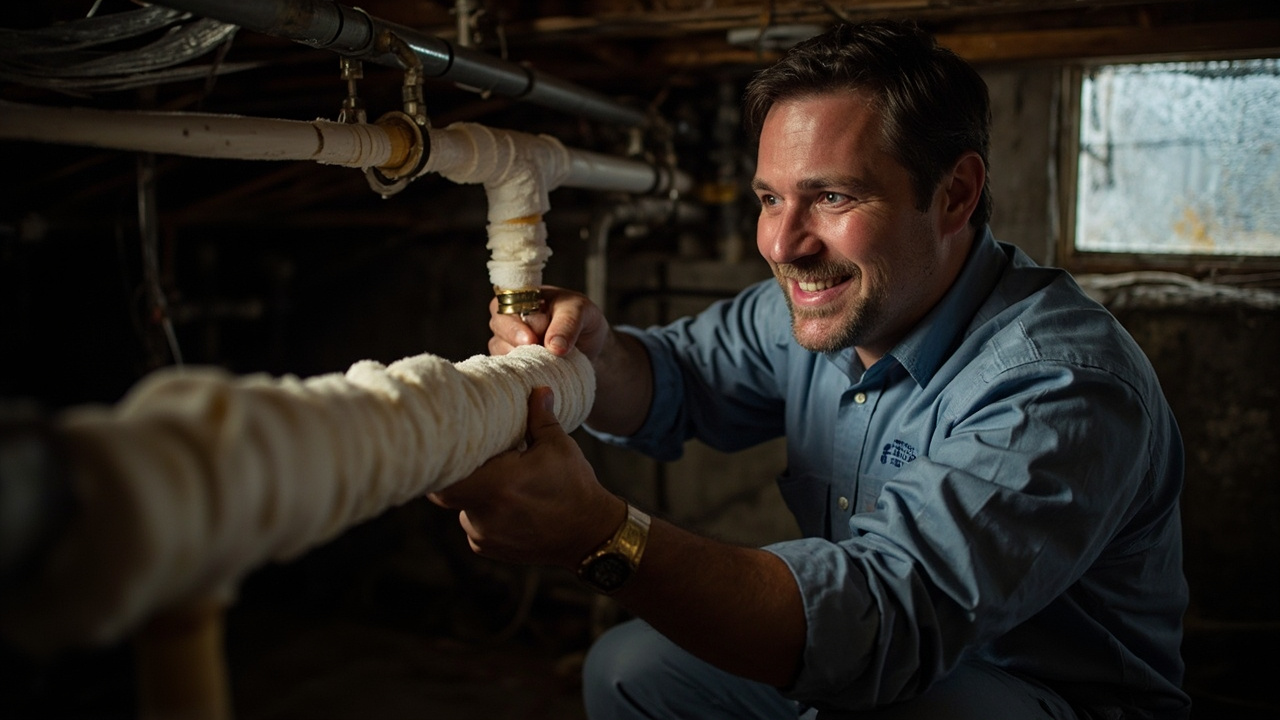
Wrap vulnerable pipes with foam pipe insulation rated R-3 or higher. Seal all seams with waterproof tape so cold air cannot reach the pipe surface. For high-risk sections in exterior walls or unheated crawls, install thermostatically controlled heat trace cable before adding insulation. The cable activates automatically when pipe temperature approaches freezing. Seal foundation vents in crawl spaces with fitted vent covers to block Arctic air infiltration during winter months.
03

Prepare Your Emergency Response Plan

Know where your main water shutoff valve is located and confirm it operates smoothly. Label it clearly so anyone in your household can find it during an emergency. Keep your thermostat at 55 degrees minimum, even when you travel. Open cabinet doors under sinks on exterior walls during extreme cold to let warm air reach supply lines. Program our number into your phone so you can reach us immediately if pipes freeze despite your prevention efforts.

Why Kansas City Homeowners Trust Local Plumbing Expertise for Freeze Protection

Silverline Plumbing Kansas City has protected metro area homes through enough brutal winters to know exactly which pipe configurations fail first. We have diagnosed frozen pipe incidents in every neighborhood from Mission Hills to Independence, and we understand how Kansas City's specific construction patterns create predictable vulnerabilities.

Homes in the historic Northeast area often have galvanized supply lines in exterior walls with zero insulation. Brookside and Waldo bungalows frequently have crawl spaces with inadequate vapor barriers and open foundation vents. Ranch homes built in the 1960s and 1970s across Overland Park and Lenexa often have hose bibs and outdoor shower connections that owners forget to winterize.

We know these patterns because we have repaired the failures and implemented the prevention strategies. Our technicians recognize the difference between a home that needs simple foam insulation and one that requires heat trace installation or complete pipe rerouting.

Local building codes in Kansas City do not mandate specific freeze protection measures beyond basic insulation requirements. That means builders and homeowners often skip critical protection steps. We fill that gap by explaining exactly which pipes in your specific home face the highest risk based on construction era, materials, and exposure.

The metro area also experiences power outages during ice storms, which eliminates heat to homes and rapidly drops interior temperatures. We help you prepare backup plans like knowing how to drain your system before temperatures inside the home reach dangerous levels.

You need someone who has seen what actually fails in Kansas City homes when the temperature drops to 5 degrees for 48 hours straight. We provide that experience-based guidance and implement solutions that match your home's specific construction and risk profile.

What to Expect When You Winterize Your Plumbing System

Quick Assessment and Immediate Solutions

We can typically complete a freeze vulnerability assessment in 60 to 90 minutes for most Kansas City homes. Our technician inspects your crawl space, attic, garage, and all exterior wall areas where plumbing penetrates the building envelope. You receive a prioritized list of high-risk sections with specific recommendations for insulation, heat trace, or pipe rerouting. We carry foam insulation and heat trace materials on our trucks, so we can often implement basic protection measures during the same visit if you choose to move forward.

Detailed Vulnerability Mapping

You get a clear explanation of which pipes face the highest freeze risk and why. We mark vulnerable sections with tape during the inspection so you can see exactly what we are discussing. Our assessment considers pipe material, wall insulation, distance from heat sources, and exposure to exterior cold. You learn which pipes need immediate attention versus which sections can wait for future upgrades. We explain the difference between passive protection like insulation and active protection like heat trace so you can make informed decisions based on your budget and risk tolerance.

Professional Installation That Lasts

Pipe insulation and heat trace installation are permanent improvements that protect your home every winter going forward. We use commercial-grade foam insulation with closed-cell construction that resists moisture and maintains its R-value over decades. Heat trace cables include built-in thermostats that activate only when needed, keeping electrical costs minimal. All installations meet local electrical code requirements for safe operation. You gain peace of mind knowing your plumbing system can handle Kansas City's worst winter weather without constant monitoring or intervention.

Seasonal Maintenance and Emergency Support

We recommend checking your freeze protection measures each fall before the first hard freeze. Inspect insulation for gaps or damage, test heat trace cables to confirm they activate properly, and verify that foundation vents are sealed. If you experience a freeze event despite prevention measures, we provide 24/7 emergency response to thaw frozen pipes and repair any damage. Our emergency service includes thermal imaging to locate freeze points inside walls and strategic thawing techniques that minimize burst risk. We also offer annual maintenance plans that include fall winterization checks and priority emergency response during extreme weather events.

Frequently Asked Questions

You Have Questions,
We Have Answers

Do all faucets need to drip to prevent freezing? +

No. Only faucets connected to pipes in unheated areas need to drip. Focus on faucets that serve exterior walls, crawl spaces, attics, or uninsulated garages. In Kansas City homes, this typically includes north-facing exterior walls where freeze-thaw cycles hit hardest. Let cold and hot water drip at a pencil-width stream. Interior pipes with proper insulation rarely need dripping. Target your efforts where pipes lack heat or insulation. Running every faucet wastes water and money without adding protection.

How do I stop my pipes from freezing? +

Insulate exposed pipes in crawl spaces, attics, and garages using foam sleeves or heat tape. Seal cracks in exterior walls where cold air enters. Disconnect garden hoses and drain outdoor spigots before Kansas City's first hard freeze. Keep cabinet doors open under sinks on exterior walls to let warm air circulate. Set your thermostat to at least 55 degrees when you leave town. Let faucets drip slightly during sub-freezing nights. Shut off and drain your main water line if leaving for extended periods during winter.

At what temperature do pipes freeze? +

Pipes start freezing at 32 degrees, but damage risk increases when outdoor temperatures drop to 20 degrees or below for several hours. Kansas City experiences rapid temperature swings during winter that stress pipes in unheated spaces. Pipes in crawl spaces or exterior walls freeze faster than interior plumbing. Wind chill accelerates freezing. Copper pipes freeze quicker than PEX. Water stops flowing when ice forms, but the real danger comes when expanding ice creates enough pressure to crack pipes and cause flooding.

How often should I run water to keep pipes from freezing? +

Run water every few hours when temperatures stay below 20 degrees. A continuous pencil-width drip provides better protection than intermittent heavy flows. Start dripping before nighttime temperatures drop. Keep the flow going until daytime temps rise above freezing. In Kansas City, this typically means overnight protection during January and February cold snaps. Moving water resists freezing. The cost of wasted water beats the expense of burst pipe repairs, water damage restoration, and temporary housing during repairs.

How Kansas City's Freeze-Thaw Cycles Increase Pipe Burst Risk

Kansas City does not experience the steady, deep cold of northern climates. Instead, we get rapid temperature swings that cycle between freezing and thawing multiple times each winter. A pipe that partially freezes on Monday night, thaws Tuesday afternoon, then freezes again Wednesday night faces more stress than a pipe that stays frozen for weeks. The expansion and contraction weakens joints and creates microscopic cracks that eventually fail. This pattern is why Kansas City sees pipe bursts even during winters without extreme sustained cold. Your protection strategy must account for repeated freeze-thaw cycles, not just the coldest single day.

Silverline Plumbing Kansas City has served the metro area through enough winter seasons to recognize which homes face the highest risk. We know that homes built before 1980 in neighborhoods like Waldo and Brookside typically lack adequate crawl space insulation. We understand that the clay soil throughout the metro creates foundation movement that opens small gaps where cold air reaches pipes. Our technicians live and work in Kansas City, so we respond to the same weather you do and understand the urgency when Arctic fronts move through. Choosing a local plumber means working with someone who has diagnosed and prevented frozen pipes in homes just like yours.
Plumbing Services in The Kansas City Area

We invite you to visit our location or view our extensive service area on the map below. Silverline Plumbing is proud to serve the entire Kansas City metro area, bringing our professional and trustworthy plumbing services to homes and businesses across the region. We are committed to being your neighborhood plumbers, always ready to respond to your call with speed and expertise, no matter where you are located.

Address:
Silverline Plumbing Kansas City, 131 E 39th St, Kansas City, MO, 64111

Additional Services We Offer

Our news updates

Latest Articles & News from The Blogs

Which Toilet Type Saves More on Your Kansas City Water Bill? Choosing between a dual flush and single flush toilet…

Dual Flush vs Single Flush — Which Toilet Saves the Most Money on Your KCMO Water Bill?

Which Toilet Type Saves More on Your Kansas City Water Bill? Choosing between a dual flush and single flush toilet…

How to Get Instant Hot Water to Your Master Suite in Leawood Without Wasting Gallons

How to Get Instant Hot Water to Your Master Suite in Leawood Without Wasting Gallons Waiting three minutes for hot…

Reverse Osmosis vs Whole House Filtration — Finding the Right Pure Water Solution in Liberty

Reverse Osmosis vs Whole House Filtration — Finding the Right Pure Water Solution in Liberty Homeowners in Liberty face a…

Contact Us

Do not wait until temperatures drop to discover your pipes are vulnerable. Call Silverline Plumbing Kansas City at (816) 473-9233 to schedule a freeze protection assessment. We will identify your high-risk pipes and implement proven prevention strategies that keep your plumbing system safe all winter.