Menu

PEX vs. Copper Piping Guide for Kansas City Homes – Make the Right Choice for Your Property

This comprehensive PEX vs. Copper Piping Guide breaks down costs, durability, and installation factors so Kansas City homeowners can choose the right material for repiping projects, new construction, and repairs.

Slider Image 1
Slider Image 2
Slider Image 3
Slider Image 4
Slider Image 5
Slider Image 7
Slider Image 8
Slider Image 9
Slider Image 10
Slider Image 11

Why Kansas City Homeowners Need to Understand the PEX vs Copper Decision

You stand in your basement, staring at corroded copper pipes that have served your Kansas City home for decades. Or maybe you are building new and your contractor just asked which piping material you want. The difference between PEX and copper pipes is not just about cost. It affects how your plumbing handles our freeze-thaw cycles, how long the installation takes, and what happens when Kansas City temperatures drop below freezing in January.

The copper vs PEX plumbing decision matters more here than in mild climates. Kansas City sees temperature swings from single digits in winter to upper 90s in summer. We experience sudden cold snaps that can burst pipes if water freezes inside them. Our soil conditions, particularly the clay composition common in areas like Brookside and Waldo, shift with moisture changes and can stress rigid piping systems.

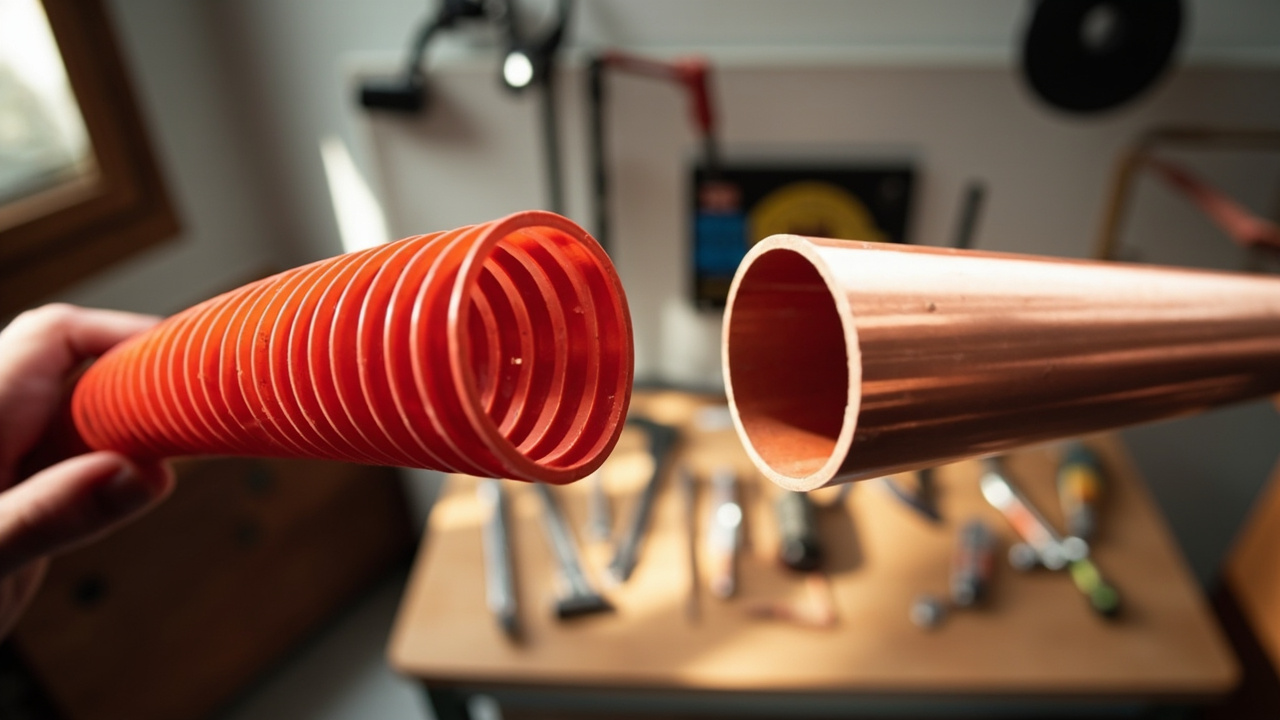
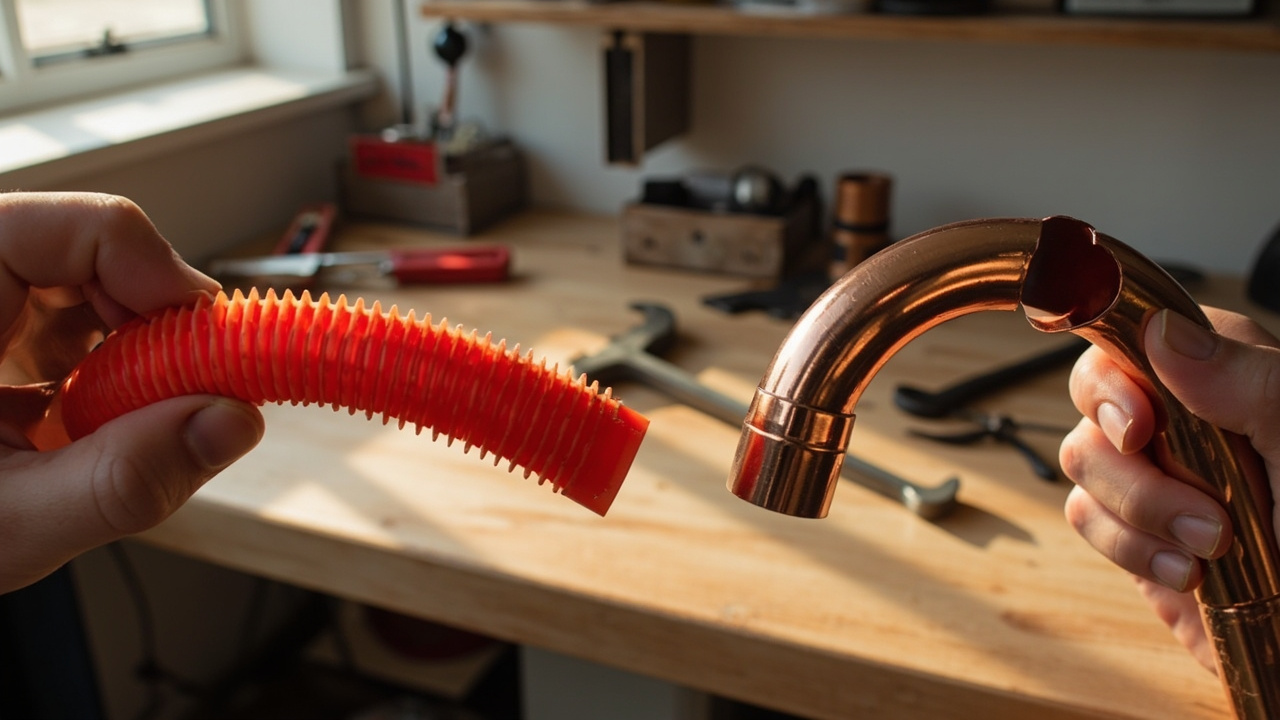
The PEX vs copper comparison involves real trade-offs. Cross-linked polyethylene (PEX) offers flexibility that absorbs expansion when water freezes, while copper tubing provides a proven track record spanning generations. PEX piping vs copper plumbing is not about one being universally better. It depends on your specific situation, your home's age, your budget, and how you plan to use the space.

Most Kansas City homeowners face this decision during three scenarios: whole-house repiping when old galvanized lines fail, new construction or additions, and targeted repairs after a pipe bursts. Each scenario has different factors that tip the scale toward PEX or copper. Understanding the PEX vs copper pros and cons helps you avoid expensive mistakes and choose piping that will serve your home reliably for decades.

Why Kansas City Homeowners Need to Understand the PEX vs Copper Decision
Breaking Down PEX and Copper: Material Properties and Performance

Breaking Down PEX and Copper: Material Properties and Performance

PEX tubing is cross-linked polyethylene, a flexible plastic pipe that comes in three types: PEX-A, PEX-B, and PEX-C. The cross-linking process changes the molecular structure, making it stronger and more heat-resistant than standard polyethylene. PEX-A uses the Engel method and offers the most flexibility and shape memory. PEX-B uses the silane method and provides good balance between cost and performance. PEX-C uses electron beam radiation and is the most affordable but least flexible.

Copper tubing comes in Type K, Type L, and Type M, with Type L being standard for residential plumbing in Kansas City. The wall thickness decreases from K to M, with Type L offering the right balance of durability and cost for home use. Copper is a metal with antimicrobial properties, and it does not degrade from UV exposure or support bacterial growth inside the pipe.

The cross-linked polyethylene vs copper tubing debate centers on how each material handles stress. PEX expands up to three times its diameter when water freezes inside, then contracts back to normal when it thaws. This flexibility reduces burst risk during Kansas City cold snaps. Copper is rigid and will split if water freezes solid inside it, though it handles higher temperatures and pressures than PEX.

Installation methods differ substantially. PEX uses crimped or expansion fittings that connect with specialized tools. You can snake PEX through walls with minimal cutting because it bends around corners. Copper requires soldering each joint with a torch, flux, and lead-free solder. Soldered joints create permanent connections, but the process takes longer and requires more skill. PEX installations typically finish in half the time of equivalent copper runs, which matters when you are paying for labor by the hour.

How to Evaluate Which Piping Material Fits Your Kansas City Home

PEX vs. Copper Piping Guide for Kansas City Homes – Make the Right Choice for Your Property
01

Assess Your Property

Start by examining your current plumbing system and your home's construction. Walk through your basement or crawl space and note whether you have easy access to pipe runs or if they are buried in finished walls. Check your water heater location and how far it sits from fixtures. Measure your home's square footage and count bathrooms to estimate total piping needed. Document any areas where pipes froze previously or where you see corrosion on existing copper lines. This assessment determines whether the flexibility advantage of PEX or the rigidity of copper makes more practical sense for your layout.
02

Compare Long-Term Costs

Calculate both material and installation costs for each option. PEX material costs less per foot, and installation labor runs lower because the work goes faster and requires fewer fittings. Copper costs more upfront for both materials and labor, but it lasts longer and maintains property value better in some markets. Factor in your timeline for staying in the home. If you plan to sell within five years, copper may offer better resale perception. If you are staying long-term, PEX provides excellent value. Consider energy costs too, as PEX insulates better than copper and reduces heat loss in hot water lines.
03

Match Material to Application

Different areas of your plumbing system favor different materials. Hot water recirculation lines work well with PEX because it retains heat better than copper. Exposed piping in finished spaces often looks better in copper because of its clean, professional appearance. Areas prone to freezing benefit from PEX flexibility. Outdoor hose bibs and areas with UV exposure require copper since sunlight degrades PEX. Your water chemistry matters too. If Kansas City municipal water or your well water has low pH (acidic), it will corrode copper faster, making PEX the smarter choice for longevity.

Why Kansas City Plumbers Choose Different Materials for Different Jobs

Professional plumbers in Kansas City do not universally prefer one material over the other. They select based on the specific job requirements and local conditions. Silverline Plumbing Kansas City evaluates every project individually because we know that cookie-cutter solutions fail when Kansas City weather and building stock vary so widely.

Homes built before 1960 in neighborhoods like Hyde Park or the Northeast often have galvanized steel pipes that need complete replacement. For these whole-house repipe jobs, PEX makes practical sense. We can often run new PEX lines without tearing into every wall, threading the flexible tubing through existing chases and dropping it down walls from the attic. This approach cuts demo and drywall repair costs substantially compared to rigid copper that requires more wall openings.

New construction and high-end renovations often specify copper because buyers expect it and because exposed copper pipe has aesthetic appeal that PEX lacks. When a kitchen remodel includes open shelving or a basement finishing project leaves some plumbing visible, copper presents a finished appearance. The material also meets building codes without question, while some inspectors scrutinize PEX installations more carefully.

The Kansas City climate creates specific challenges for both materials. Our winter temperature swings mean pipes in exterior walls, crawl spaces, and unheated areas face freeze risk. PEX handles this better than copper, but proper installation matters more than material choice. Pipes need insulation regardless of material, and both types should be kept away from exterior walls when possible.

Local water chemistry affects long-term durability. Kansas City municipal water from the Missouri River treatment plants typically has neutral to slightly alkaline pH, which suits both materials. Well water in surrounding Johnson County and rural areas varies more, with some wells producing acidic water that accelerates copper corrosion. A water test reveals whether your supply favors one material over the other.

What to Expect When Choosing Between PEX and Copper for Your Project

Installation Timeline Differences

PEX installations move faster than copper because the material requires fewer fittings and no soldering. A typical whole-house repipe that would take four days with copper often finishes in two days with PEX. This speed matters when you need to minimize time without water or when you are paying for temporary housing during the work. The flexible nature of PEX means less cutting into walls and ceilings, which reduces both installation time and post-work repairs. You can typically resume normal water use within hours after a PEX installation, while copper joints need time to cool and cure before pressurizing the system.

Performance in Kansas City Conditions

Both materials perform well in Kansas City when installed correctly, but each has vulnerabilities. PEX resists freeze damage better because it expands and contracts without splitting, making it ideal for pipes in exterior walls or unheated crawl spaces. Copper handles higher temperatures and works better for recirculation systems that keep water hot continuously. PEX degrades if exposed to sunlight, so any outdoor sections need protection or should use copper instead. Copper naturally resists bacterial growth inside the pipe, while PEX has had some concerns about leaching chemicals in early formulations, though modern PEX-A and PEX-B meet all safety standards for potable water.

Long-Term Durability and Lifespan

Copper piping has proven itself over more than 80 years in residential plumbing, with many original installations still functioning. The material does not degrade over time unless water chemistry causes pinhole leaks, which typically takes decades. PEX has a shorter track record, with the oldest installations now approaching 40 years, but lab testing projects a lifespan exceeding 50 years under normal conditions. The quality of installation matters more than material choice for longevity. Poor soldering on copper joints will fail faster than properly crimped PEX connections. Both materials should outlast your ownership of the home when installed by experienced plumbers who follow manufacturer specifications.

Maintenance and Future Repairs

PEX systems require minimal maintenance once installed. The flexible material resists scale buildup better than copper, and the fewer fittings mean fewer potential leak points. If a repair becomes necessary, PEX fittings can be cut out and replaced without special tools beyond the crimping tool. Copper requires more skill to repair because you need to solder new joints, but any plumber can work on copper systems since the material has been industry standard for generations. PEX fittings can occasionally fail if overtightened during installation, while copper joints rarely fail unless the initial soldering was poor. Neither material requires routine maintenance beyond normal system care like pressure regulation and water heater maintenance.

Frequently Asked Questions

You Have Questions,
We Have Answers

Do plumbers prefer PEX or copper? +

Plumber preference varies by project scope and local conditions. Many Kansas City plumbers favor PEX for remodels and retrofits because it installs faster, resists freeze damage during our harsh winters, and costs less. Copper remains the choice for exposed applications, commercial jobs, and homes where building codes require metal piping. PEX flexibility simplifies routing through tight crawl spaces common in older Kansas City homes. Copper offers proven durability and works better outdoors. Most pros keep both materials in their trucks and choose based on your specific plumbing needs and budget.

Why don't insurance companies like PEX plumbing? +

Insurance companies scrutinize PEX because some older formulations failed prematurely in the 1980s and 1990s. Modern PEX-A and PEX-B products meet rigorous ASTM standards, but insurers remember past claims. They worry about burst fittings if installed incorrectly or exposure to UV light before installation. Most Kansas City insurers now accept PEX if installed by licensed professionals and meets local building codes. Check your policy before repiping. Some carriers require documentation of installation standards. Copper faces fewer insurance questions because it has a longer track record, though it can still fail from corrosion or freezing.

What are the downsides of PEX pipe? +

PEX cannot handle direct sunlight and degrades when exposed to UV rays before installation. It cannot be used outdoors without protection. PEX requires more fittings than copper, creating potential leak points if crimped improperly. Rodents can chew through PEX tubing in crawl spaces and attics. Some homeowners dislike that PEX cannot be recycled as easily as copper. Early PEX formulations leached chemicals, though modern versions meet EPA standards. Kansas City homes with extremely hard water may experience mineral buildup at fittings over time. PEX also cannot be installed directly to your water heater without short copper adapters.

Why do plumbers not use copper anymore? +

Plumbers shifted away from copper because material costs tripled over the past 20 years. Copper theft became rampant in Kansas City during construction, forcing contractors to guard job sites. PEX installs three times faster, cutting labor expenses. Copper soldering requires open flames, creating fire hazards in occupied homes and requiring permits. Freeze damage repairs cost homeowners thousands when copper bursts during our cold snaps. PEX expands without splitting. Copper also corrodes in acidic Kansas City water conditions or when mixed with galvanized steel fittings. Most plumbers still use copper for specific applications but default to PEX for cost and speed.

What is the life expectancy of PEX pipes vs copper pipes? +

Copper piping lasts 50 to 70 years when installed correctly and protected from corrosive water conditions. Kansas City homes built before 1970 often have original copper still functioning. PEX manufacturers claim a 50-year lifespan, but the material has only existed since the 1980s in residential applications. Real-world data shows quality PEX-A systems perform well after 30-plus years. Copper longevity depends on water pH and electrolysis exposure. PEX lifespan depends on installation quality and protection from UV light and chemicals. Both materials fail prematurely if installed incorrectly or exposed to harsh conditions.

Do bacteria grow in PEX pipe? +

Studies show bacteria can form biofilm inside any pipe material, including PEX, copper, and galvanized steel. PEX does not inherently promote bacterial growth more than copper. Your water source and stagnant conditions matter more than pipe material. Kansas City municipal water contains chlorine that inhibits bacterial colonization. Problems arise when water sits unused in pipes for extended periods or when systems operate at low temperatures. Copper has natural antimicrobial properties that may slightly reduce biofilm formation. Regular water flow and proper system design prevent bacterial issues regardless of material. Professional installation and periodic flushing maintain water quality in both systems.

Where is PEX banned in the US? +

California banned specific PEX formulations until 2009 due to concerns about chemical leaching. The state now allows PEX that meets strict certification standards. No current statewide bans exist, but some local jurisdictions restrict PEX use. Kansas City and Missouri permit PEX installations that meet International Plumbing Code requirements. Always verify local building codes before starting a repipe project. Some municipalities require copper for specific applications like water main connections or exposed interior installations. Historic districts may mandate copper to preserve architectural authenticity. Your plumber should confirm material compliance with Kansas City regulations before purchasing supplies.

Why do plumbers not like PEX? +

Some plumbers distrust PEX because they learned copper techniques during training and resist change. Older professionals remember early PEX failures from poor manufacturing standards in the 1980s. Concerns include proprietary fitting systems that require expensive tools, potential for installer error when crimping connections, and uncertainty about true lifespan. Kansas City plumbers who specialize in historic renovations prefer copper for authenticity and proven performance. Others dislike that PEX repairs require cutting and refitting rather than simple soldering. Many pros now embrace PEX after seeing reliable performance and faster installations. Experience level and training influence these preferences significantly.

What is the best pipe for a residential water line? +

The best residential water line material depends on your home age, budget, and local conditions. PEX works well for Kansas City homes because it resists freeze damage during winter cold snaps and installs quickly in crawl spaces. Copper offers unmatched durability for exposed locations and outdoor applications. Type L copper remains ideal for underground water service lines entering your home. PEX-A provides superior flexibility for tight retrofits in older Kansas City neighborhoods. CPVC works as a budget alternative but cracks more easily. Consult a licensed Kansas City plumber to evaluate your water quality, pipe routing, and code requirements before choosing materials.

Why is PEX banned in NYC? +

New York City banned PEX until 2021 due to concerns about fire safety and chemical leaching in high-density buildings. The city required extensive testing to verify PEX met strict mechanical and health standards before approval. NYC worried about installation quality in crowded conditions and potential contamination from petroleum-based products near piping. Kansas City faces none of these restrictions. Missouri adopted International Plumbing Code standards that permit PEX installations. The NYC ban reflected unique concerns about skyscraper plumbing systems and extremely dense construction rather than problems with PEX material itself. Most U.S. cities, including Kansas City, allow PEX without special restrictions.

How Kansas City Temperature Extremes Affect Your PEX vs Copper Decision

Kansas City experiences temperature swings that test plumbing systems harder than steady climates. January averages drop to 20 degrees, with cold snaps pushing below zero. Summer peaks reach the mid-90s with high humidity. This range creates expansion and contraction stress on piping. PEX handles thermal movement better because the material flexes, while copper expands and contracts rigidly, which can stress soldered joints over decades. Homes in historic neighborhoods like Valentine and Pendleton Heights often have plumbing in exterior walls due to the age and layout of the construction. These locations favor PEX because the freeze-expansion tolerance protects against burst pipes when a cold front drops temperatures 40 degrees overnight, which happens several times each winter in Kansas City.

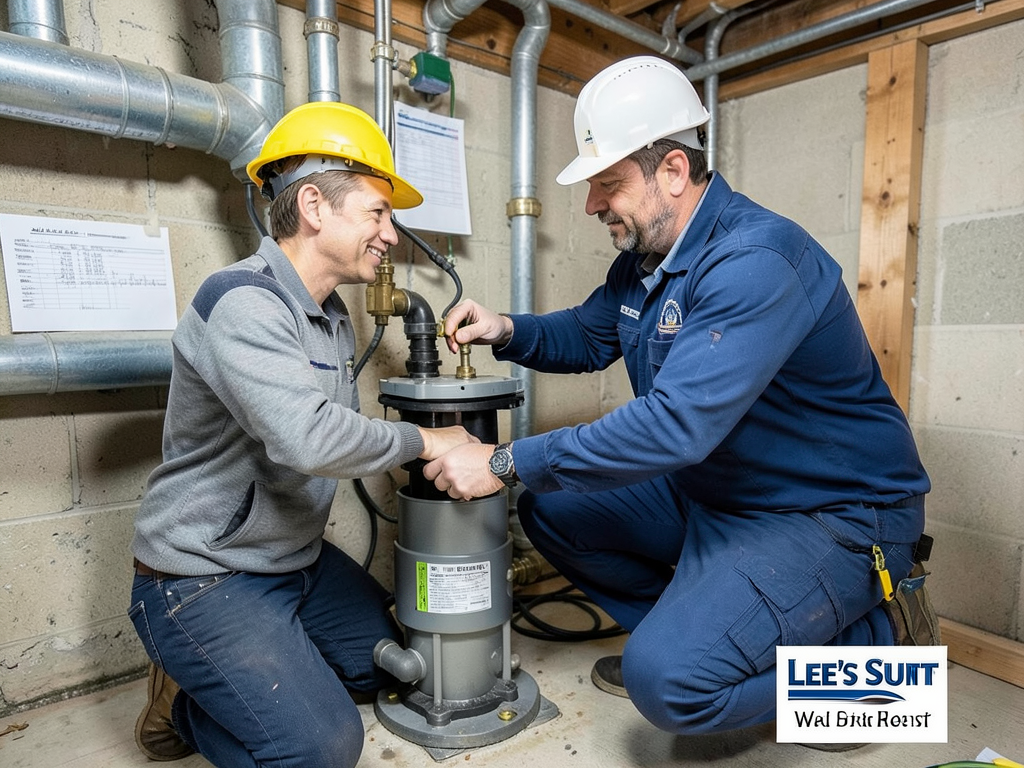
Silverline Plumbing Kansas City works with both materials daily across the metro area. We know which neighborhoods have aggressive water chemistry from older infrastructure and which subdivisions built in the 1970s are now facing galvanized pipe failures. This local knowledge matters when recommending materials because we have seen how different piping performs in Kansas City basements, crawl spaces, and slab foundations. We follow Kansas City building codes that specify proper installation methods for both PEX and copper, and we maintain relationships with local inspectors who know our work meets or exceeds requirements. Choosing a plumber with deep Kansas City experience means getting material recommendations based on how systems actually perform here, not generic advice that might work in Phoenix or Portland but fails in our specific climate.

Plumbing Services in The Kansas City Area

We invite you to visit our location or view our extensive service area on the map below. Silverline Plumbing is proud to serve the entire Kansas City metro area, bringing our professional and trustworthy plumbing services to homes and businesses across the region. We are committed to being your neighborhood plumbers, always ready to respond to your call with speed and expertise, no matter where you are located.

Address:
Silverline Plumbing Kansas City, 131 E 39th St, Kansas City, MO, 64111

Additional Services We Offer

Our news updates

Latest Articles & News from The Blogs

Which Toilet Type Saves More on Your Kansas City Water Bill? Choosing between a dual flush and single flush toilet…

Dual Flush vs Single Flush — Which Toilet Saves the Most Money on Your KCMO Water Bill?

Which Toilet Type Saves More on Your Kansas City Water Bill? Choosing between a dual flush and single flush toilet…

How to Get Instant Hot Water to Your Master Suite in Leawood Without Wasting Gallons

How to Get Instant Hot Water to Your Master Suite in Leawood Without Wasting Gallons Waiting three minutes for hot…

Reverse Osmosis vs Whole House Filtration — Finding the Right Pure Water Solution in Liberty

Reverse Osmosis vs Whole House Filtration — Finding the Right Pure Water Solution in Liberty Homeowners in Liberty face a…

Contact Us

Stop guessing about which piping material fits your project. Call Silverline Plumbing Kansas City at (816) 473-9233 for a consultation that evaluates your specific situation. We will assess your home, explain your options, and provide clear recommendations based on decades of Kansas City plumbing experience.