Menu

No Hot Water Diagnosis in Kansas City – Fast Expert Troubleshooting That Pinpoints the Real Problem

When your water heater fails, you need more than guesswork. Our certified technicians use precision diagnostic tools to identify water heater issues quickly, so you get accurate repairs the first time without wasting money on the wrong fix.

Slider Image 1
Slider Image 2
Slider Image 3
Slider Image 4
Slider Image 5
Slider Image 7
Slider Image 8
Slider Image 9
Slider Image 10
Slider Image 11

Why Kansas City Water Heaters Fail Without Warning

You turn on the shower expecting hot water. Instead, you get a cold shock. No warning. No gradual decline. Just nothing.

This is not uncommon in Kansas City homes, and the causes are rarely obvious. The hard water flowing through our municipal supply and well systems leaves mineral deposits that choke heating elements and corrode anode rods. You cannot see this happening until the damage is done. Kansas City's temperature swings compound the problem. When winter temperatures drop into the teens, water heaters work overtime to maintain set temperatures. The stress accelerates wear on thermostats, gas control valves, and pilot assemblies.

Many homeowners try to troubleshoot water heater problems on their own. They check the circuit breaker. They relight the pilot. They adjust the thermostat. Sometimes these steps work temporarily, but the underlying issue remains. A water heater malfunction symptom like inconsistent temperature or strange noises often signals multiple failures happening at once.

To diagnose lack of hot water accurately, you need to identify water heater issues at the component level. Is the dip tube broken, allowing cold water to mix at the top? Has sediment buildup created a barrier between the burner and the tank? Is the pressure relief valve leaking, draining your tank faster than it can reheat? Each cause requires a different repair. Guessing costs you time and money.

Kansas City's aging housing stock adds another layer of complexity. Homes built in the 1960s and 1970s often have original galvanized plumbing that restricts flow and creates back pressure on the water heater. The system cannot perform as designed.

Why Kansas City Water Heaters Fail Without Warning
How We Diagnose Water Heater Failures the Right Way

How We Diagnose Water Heater Failures the Right Way

We do not guess. We do not sell you a new water heater because it is easier than finding the real problem. We perform a systematic diagnostic process that isolates the exact failure point.

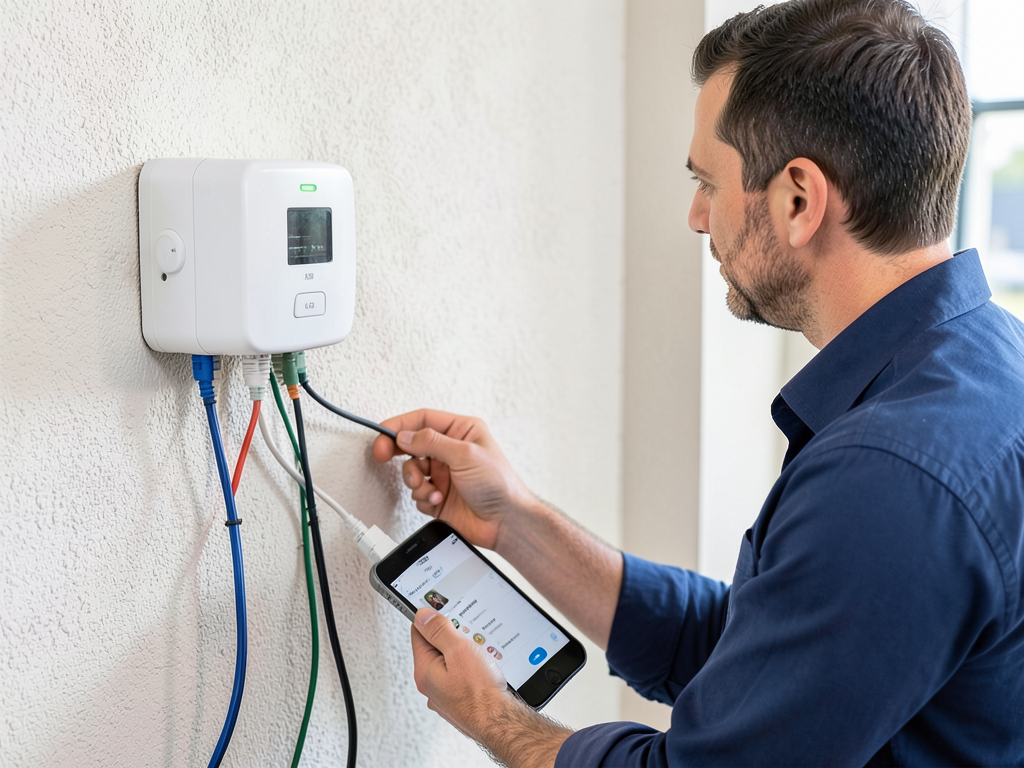
First, we test for power and fuel delivery. For electric units, we use a multimeter to measure voltage at the heating elements and check for continuity. A reading below 220 volts on a 240-volt system means you have a supply issue, not a water heater problem. For gas units, we verify gas pressure at the inlet and inspect the burner assembly for proper flame pattern. A weak yellow flame indicates incomplete combustion caused by a clogged burner orifice or insufficient air intake.

Next, we inspect the internal components without draining the tank unless necessary. We use thermal imaging to map temperature distribution across the tank surface. Hot spots at the bottom with cold zones at the top suggest a failed dip tube. Uniform cold readings mean the heating source is not functioning.

We test the thermostat calibration using a contact thermometer. If the thermostat reads 120 degrees but the water measures 95, the thermostat has drifted out of spec. We also check the high-limit switch, which shuts down the heater if temperatures exceed safe thresholds. A tripped switch often points to a failed lower thermostat that allowed overheating.

For tank integrity, we inspect the pressure relief valve, the drain valve, and all visible pipe connections for active leaks or corrosion. We measure sediment depth using an inspection camera or by draining a sample. Heavy sediment reduces tank capacity and insulates the water from the heat source.

This process takes 30 to 45 minutes. It gives you a clear answer and a repair plan based on facts, not assumptions.

What Happens During Your Water Heater Diagnostic Appointment

No Hot Water Diagnosis in Kansas City – Fast Expert Troubleshooting That Pinpoints the Real Problem
01

Initial System Assessment

We start by asking when you first noticed the problem and what symptoms you experienced. Sudden failure points to electrical or mechanical breakdown. Gradual decline suggests sediment buildup or anode rod depletion. We check the age and model of your unit and review any previous repairs. This background helps us narrow the possible causes before we open a single access panel or test a single component.
02

Component-Level Testing

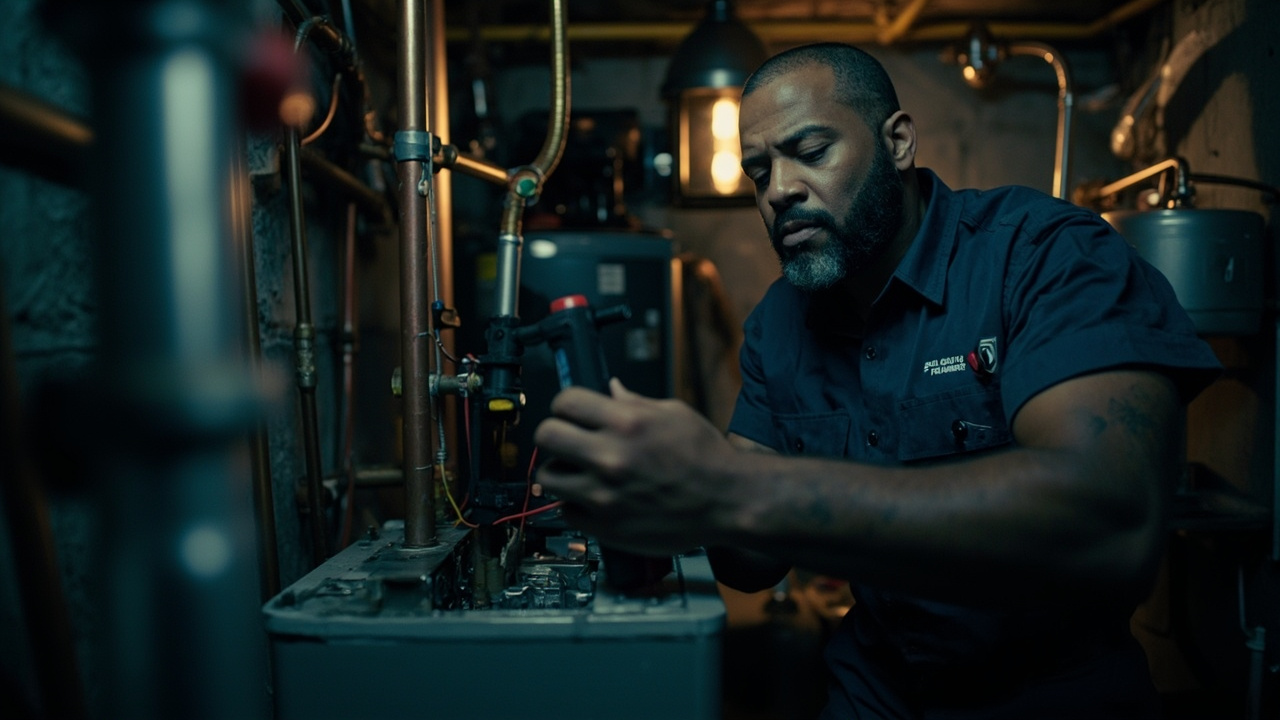
We test each part of the heating system individually. For electric heaters, we remove the access panels and test both heating elements, both thermostats, and the high-limit switch. For gas heaters, we inspect the pilot assembly, the thermocouple or flame sensor, the gas control valve, and the venting system. We document voltage, resistance, and temperature readings. This data tells us exactly which part failed and why.
03

Diagnosis and Repair Options

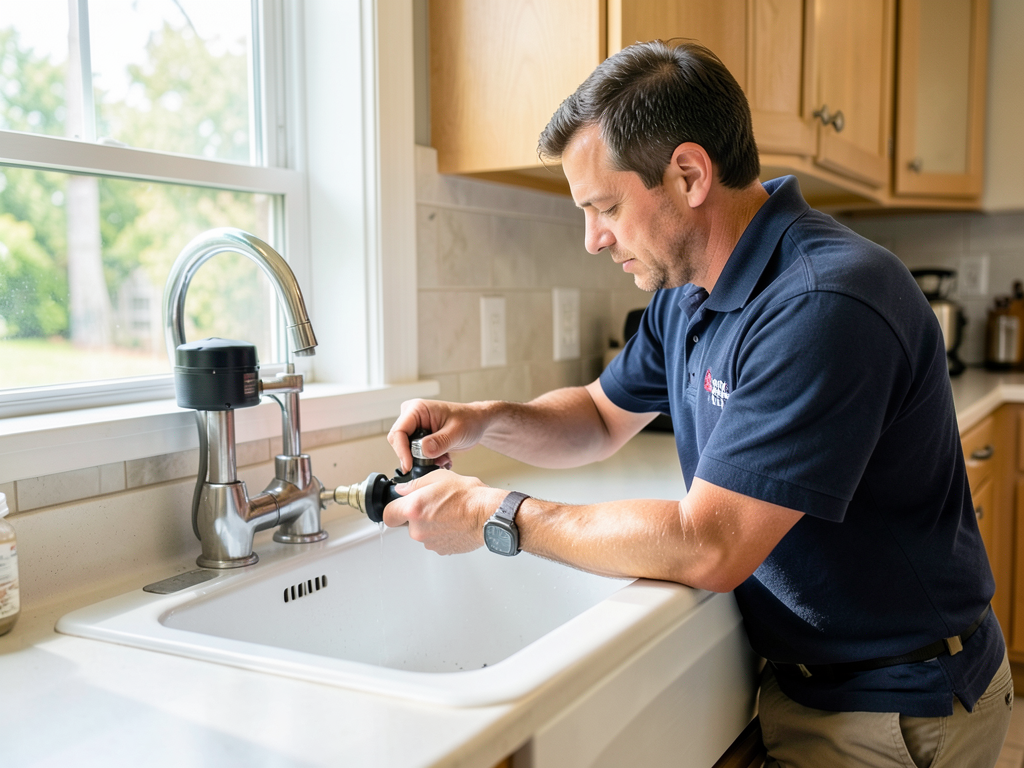
Once we identify the problem, we explain what failed, why it failed, and what your options are. If the repair is straightforward and the tank is in good condition, we provide a quote for parts and labor. If the tank has corroded or multiple components have failed, we discuss whether replacement makes more financial sense. You get clear information and control over the decision. We do not upsell. We give you the facts.

Why Kansas City Homeowners Trust Our Diagnostic Process

Most plumbing companies in Kansas City send a technician with a basic toolbox and limited diagnostic equipment. If the fix is not obvious, they recommend replacement. This approach is faster for them but more expensive for you.

Silverline Plumbing Kansas City invests in advanced diagnostic tools because accurate diagnosis saves you money. Our technicians carry multimeters, thermal cameras, combustion analyzers, and pressure gauges. We can measure voltage, test continuity, analyze flame composition, and map heat distribution. These tools reveal problems that are invisible to the naked eye.

We also understand Kansas City's water. The municipal supply has moderate hardness, but well water in areas like southern Jackson County and Cass County often exceeds 10 grains per gallon. This accelerates scale buildup inside tanks and on heating elements. We account for this when diagnosing water heater issues and recommend solutions that address the root cause, not just the symptom.

Our familiarity with local building codes and permit requirements matters when repairs involve gas line work or electrical upgrades. Kansas City requires permits for water heater replacements and certain repairs. We handle the permit process and ensure all work meets code. You do not have to worry about compliance or future inspection failures.

We have worked in every neighborhood in the Kansas City metro, from older homes in Westport and Brookside to newer construction in southern Johnson County. We know the common issues in each area. Homes near Brush Creek often have higher humidity that accelerates tank corrosion. Properties on the Kansas side with hard well water need more frequent maintenance. This local knowledge lets us diagnose problems faster and recommend preventive measures specific to your location.

What You Can Expect From Our Diagnostic Service

Same-Day and Next-Day Appointments

We know that losing hot water disrupts your entire household. You cannot shower, wash dishes, or do laundry. We prioritize diagnostic appointments and offer same-day availability for most requests. If you call before noon, we can usually arrive that afternoon. For next-day appointments, we provide a two-hour arrival window and call 30 minutes before we arrive. You will not waste your day waiting. Our technicians arrive prepared with the tools and parts needed for common repairs, so if the fix is simple, we can complete it during the same visit.

Transparent Diagnostic Process

We explain what we are testing and why. You will understand the logic behind each step. After we complete the diagnosis, we show you the failed component if possible and explain how it caused your symptoms. We provide a written estimate for repairs before we start any work. The estimate includes parts, labor, and any permit fees. There are no surprises. If we recommend replacement instead of repair, we explain the cost comparison and the expected lifespan of each option. You make the final decision based on complete information.

Accurate Repairs That Last

Because we diagnose the actual problem, our repairs fix the issue permanently. We do not patch symptoms. If your heating element failed due to sediment buildup, we replace the element and flush the tank to remove the sediment. If your thermostat failed because of voltage fluctuations, we trace the electrical issue and correct it. We use manufacturer-spec parts that match your water heater model. Generic parts often have different tolerances that lead to premature failure. We also test the system after the repair to verify proper operation before we leave your property.

Follow-Up Support and Maintenance Guidance

After the repair, we provide maintenance recommendations based on your water quality and usage patterns. For homes with hard water, we suggest annual tank flushing and anode rod inspection. For older units, we recommend checking the pressure relief valve and inspecting the venting system. We keep records of your water heater's age, model, and repair history. If you call us again in the future, we already know your system. We also offer reminders for recommended maintenance intervals, so you do not have to track it yourself. Preventive care extends the life of your water heater and reduces the chance of unexpected failures.

Frequently Asked Questions

You Have Questions,
We Have Answers

What is the most common cause of no hot water? +

A failed heating element is the most common culprit in electric water heaters. Gas units often lose hot water when the pilot light goes out or the thermocouple fails. In Kansas City, sediment buildup from hard water accelerates element failure and reduces heating efficiency. A tripped circuit breaker can cut power to your heater without warning. Older tanks lose heating capacity as mineral deposits coat the elements or burners. Check your breaker panel first, then inspect the pilot light on gas units. If both check out, the heating element or thermocouple needs professional replacement to restore hot water.

How to diagnose no hot water? +

Start by checking if the issue affects gas or electric supply. For gas heaters, verify the pilot light is lit and the gas valve is open. Electric heaters require checking the circuit breaker and reset button on the unit itself. Test water temperature at multiple faucets to determine if the problem is localized or whole-house. Feel the tank exterior—a cold tank indicates no heating is occurring. Listen for unusual sounds like popping or hissing that signal sediment buildup. Kansas City's mineral-heavy water often causes scale deposits that interfere with heating. A licensed plumber uses diagnostic tools to test thermostats, elements, and gas control valves accurately.

Is it an emergency if you don't have hot water? +

No hot water qualifies as a maintenance emergency, not a life-threatening crisis. You can function without hot water temporarily, but extended outages create health and sanitation concerns. Kansas City winters make cold showers particularly uncomfortable and increase risk of illness. Families with infants, elderly members, or immune-compromised individuals face greater urgency. Most plumbing companies offer same-day service for water heater failures during business hours. After-hours emergency rates apply for weekend or overnight calls. If your heater is leaking water or you smell gas, that becomes an immediate emergency requiring shut-off and professional response. Schedule service promptly to restore normal household function.

Why have I suddenly got no hot water? +

Sudden hot water loss typically means a component just failed. Heating elements burn out without warning after years of mineral exposure from Kansas City's hard water. Thermostats can fail and stop signaling the heating system to activate. Gas control valves stick or malfunction, cutting fuel supply to the burner. A tripped breaker or blown fuse interrupts power to electric heaters. Pilot lights extinguish from drafts, dirt buildup, or thermocouple failure. If your water heater is over 10 years old, age-related component failure becomes more likely. Recent power outages or storms can trigger reset needs or reveal underlying electrical issues requiring professional diagnosis.

Why is my hot water not working but the cold is? +

Cold water works because it bypasses your water heater entirely. Hot water runs through the tank or tankless unit for heating before reaching your faucets. When hot taps produce cold water, the heating system has failed while your main water supply remains intact. Electric heaters lose function when elements burn out or thermostats fail. Gas heaters stop heating when pilot lights extinguish or gas valves malfunction. Kansas City's temperature swings can cause expansion and contraction that loosens electrical connections. A functioning cold water supply confirms your plumbing is intact. The problem exists specifically within your water heating equipment and requires targeted repair or replacement.

How long can they leave you with no hot water? +

Kansas City has no specific legal timeline requiring landlords to restore hot water, but Missouri implied warranty of habitability laws apply. Landlords must make repairs within a reasonable timeframe, typically 24 to 72 hours depending on circumstances. Document all communication with your landlord in writing. You can contact Kansas City's Neighborhoods and Housing Services if repairs are unreasonably delayed. For homeowners, timeline depends on plumber availability and part sourcing. Most water heater repairs complete within one business day. Tank replacements take two to four hours once the unit arrives. Extended delays only occur when parts are backordered or extensive plumbing modifications are needed.

When should I call a plumber for no hot water? +

Call a plumber immediately if you smell gas near your water heater or notice water pooling around the tank base. Schedule same-day service when you have zero hot water and basic troubleshooting fails. If your pilot light will not stay lit after multiple attempts, a failed thermocouple or gas valve needs professional replacement. Unusual noises like loud popping, banging, or hissing indicate dangerous sediment buildup or pressure issues. Kansas City homeowners should call when their water heater exceeds 12 years old and shows declining performance. Rust-colored hot water signals internal tank corrosion requiring replacement. Do not attempt electrical or gas repairs yourself.

What is the most common part failure that causes no heat? +

The heating element fails most frequently in electric water heaters. Kansas City's hard water accelerates element failure as mineral deposits coat the metal and reduce heat transfer. Elements eventually corrode and burn out, typically after six to ten years. For gas heaters, the thermocouple ranks as the most common failure point. This safety device senses pilot light heat and allows gas flow. When thermocouples degrade, they shut off gas supply even when the pilot burns correctly. Both components are relatively inexpensive parts, but labor costs vary. Regular maintenance and sediment flushing extend component life and prevent premature failure in mineral-heavy water conditions.

How to reset boiler for hot water? +

Locate the reset button on your boiler control panel, usually red and recessed to prevent accidental activation. Press and hold for three to five seconds until you hear a click. Wait several minutes for the system to restart and begin heating water. If the boiler does not fire up, check that gas supply valves are fully open. Electric boilers may have a separate circuit breaker requiring reset. Kansas City boilers installed in basements or crawl spaces sometimes develop moisture issues that trip safety switches. If your boiler repeatedly requires resets, an underlying fault needs professional diagnosis. Persistent reset needs indicate thermostat failure, electrical problems, or sensor malfunctions requiring repair.

Who do you call when your water doesn't get hot? +

Call a licensed plumber who specializes in water heater repair and diagnosis. Plumbers have the tools and training to identify whether your tank, tankless unit, or boiler needs repair or replacement. They test electrical components, gas valves, thermostats, and heating elements to pinpoint failure points. Kansas City plumbers understand how local water quality affects heater longevity and can recommend appropriate solutions. Avoid general handymen for water heater issues—improper repairs create safety hazards and void warranties. Get multiple quotes for replacement if your unit exceeds its expected lifespan. Emergency plumbing services offer same-day appointments when you need immediate hot water restoration for your household.

How Kansas City's Hard Water Accelerates Water Heater Breakdown

Kansas City's water supply contains dissolved minerals, primarily calcium and magnesium, that deposit on heating elements and inside tanks. Municipal water averages 7 to 9 grains per gallon of hardness, which is moderate. Well water in rural areas often exceeds 15 grains per gallon. These minerals precipitate when water is heated, forming scale on heating elements and sediment at the tank bottom. Scale acts as an insulator, forcing the heating element to work harder and overheat. This shortens element life and increases energy consumption. Sediment buildup reduces tank capacity and creates hot spots that weaken the tank lining. Diagnosing lack of hot water in Kansas City often reveals heavy sediment as the primary culprit. Regular flushing prevents this, but most homeowners do not maintain their water heaters until problems occur.

Kansas City's plumbing code follows the International Plumbing Code with local amendments. Water heater installations require permits and must include proper venting, earthquake straps in certain areas, and expansion tanks for closed-loop systems. When we diagnose water heater issues, we also inspect code compliance. Non-compliant installations create safety risks and can affect your ability to sell your home. Silverline Plumbing Kansas City has worked with Kansas City's building inspectors for years. We know the local amendments and the common inspection failures. When we complete a repair or replacement, it passes inspection the first time. This local expertise protects you from code violations and ensures safe operation.
Plumbing Services in The Kansas City Area

We invite you to visit our location or view our extensive service area on the map below. Silverline Plumbing is proud to serve the entire Kansas City metro area, bringing our professional and trustworthy plumbing services to homes and businesses across the region. We are committed to being your neighborhood plumbers, always ready to respond to your call with speed and expertise, no matter where you are located.

Address:
Silverline Plumbing Kansas City, 131 E 39th St, Kansas City, MO, 64111

Additional Services We Offer

Our news updates

Latest Articles & News from The Blogs

Which Toilet Type Saves More on Your Kansas City Water Bill? Choosing between a dual flush and single flush toilet…

Dual Flush vs Single Flush — Which Toilet Saves the Most Money on Your KCMO Water Bill?

Which Toilet Type Saves More on Your Kansas City Water Bill? Choosing between a dual flush and single flush toilet…

How to Get Instant Hot Water to Your Master Suite in Leawood Without Wasting Gallons

How to Get Instant Hot Water to Your Master Suite in Leawood Without Wasting Gallons Waiting three minutes for hot…

Reverse Osmosis vs Whole House Filtration — Finding the Right Pure Water Solution in Liberty

Reverse Osmosis vs Whole House Filtration — Finding the Right Pure Water Solution in Liberty Homeowners in Liberty face a…

Contact Us

Do not let a cold shower ruin your morning again. Call Silverline Plumbing Kansas City at (816) 473-9233 to schedule your diagnostic appointment. We will identify the problem and give you a clear solution, fast.