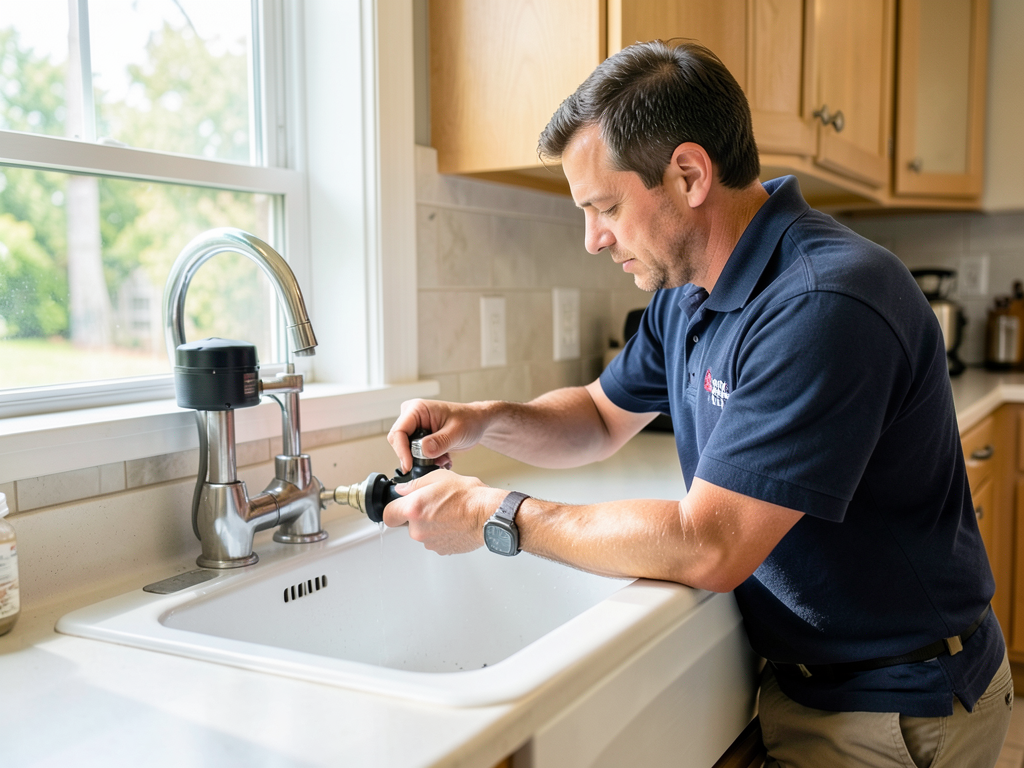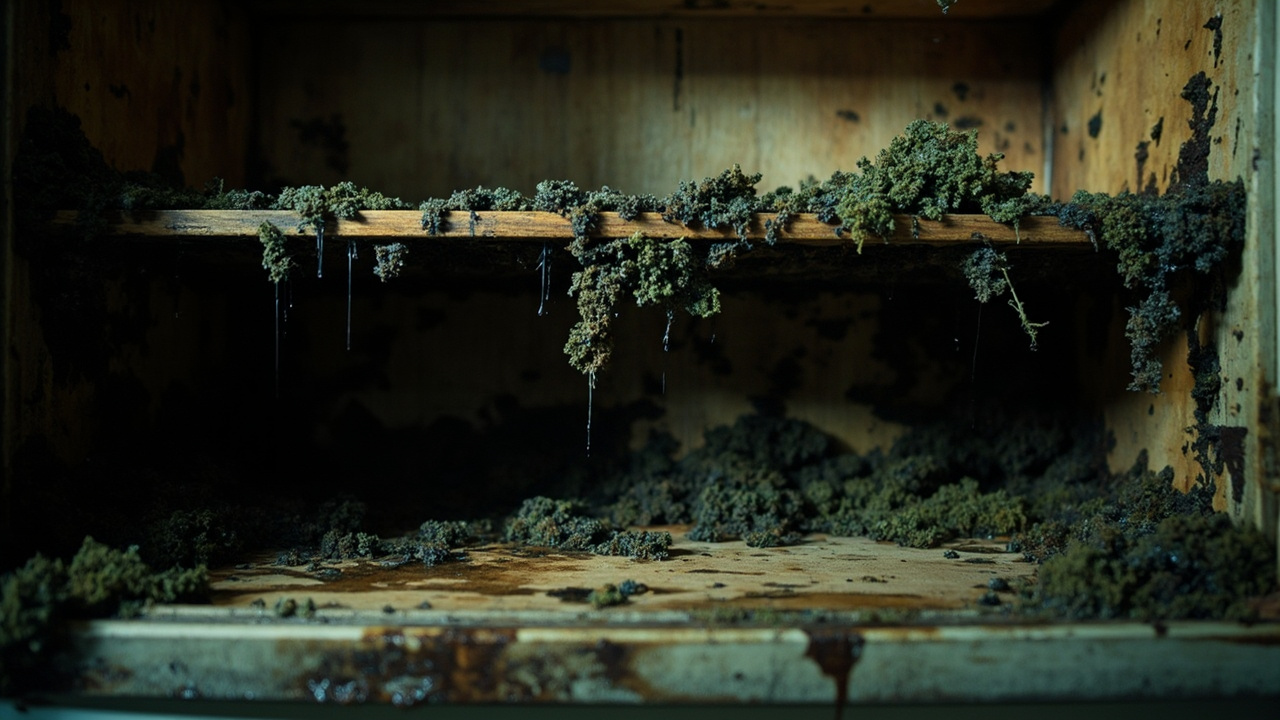
Kansas City sits at the intersection of humid continental and humid subtropical climate zones, which means we get sticky, oppressive summers and sharp winter freezes. From June through August, relative humidity regularly exceeds 70 percent, and dewpoints climb into the uncomfortable mid-60s. When cold water flows through uninsulated supply lines inside vanity cabinets, condensation forms on the copper or PEX tubing and drips onto the cabinet floor. Add a slow leak from a deteriorated shutoff valve or P-trap, and you have created a perfect environment for mildew in bathroom cabinets to explode. Our winter freeze-thaw cycles make it worse. When January temperatures drop below 20 degrees, supply line fittings contract, and microscopic gaps open at compression ferrules and threaded connections, creating pinhole leaks that go unnoticed until mold growth inside vanity cabinets becomes visible months later.
Silverline Plumbing Kansas City works in homes across the metro every day, from historic districts in Westport and the Crossroads to newer subdivisions in Olathe and Blue Springs. We know how local soil conditions stress waste lines, how older homes in the urban core still have galvanized plumbing that corrodes from the inside, and how builders in the 1980s and 1990s installed cheap plastic P-traps that crack under stress. When you call us for bathroom cupboard mold, you are not getting a generic checklist. You are getting a plumber who has seen your exact problem in hundreds of Kansas City homes and knows the most common failure points for your neighborhood and home age.