Menu

Wet Spots in Yard in Kansas City – Expert Diagnosis and Permanent Underground Leak Solutions

Kansas City's clay soil and freeze-thaw cycles create hidden underground leaks that cause soggy patches in your lawn. We use advanced leak detection to find the source and fix it right the first time.

Slider Image 1
Slider Image 2
Slider Image 3
Slider Image 4
Slider Image 5
Slider Image 7
Slider Image 8
Slider Image 9
Slider Image 10
Slider Image 11

Why Your Kansas City Yard Has Unexplained Standing Water

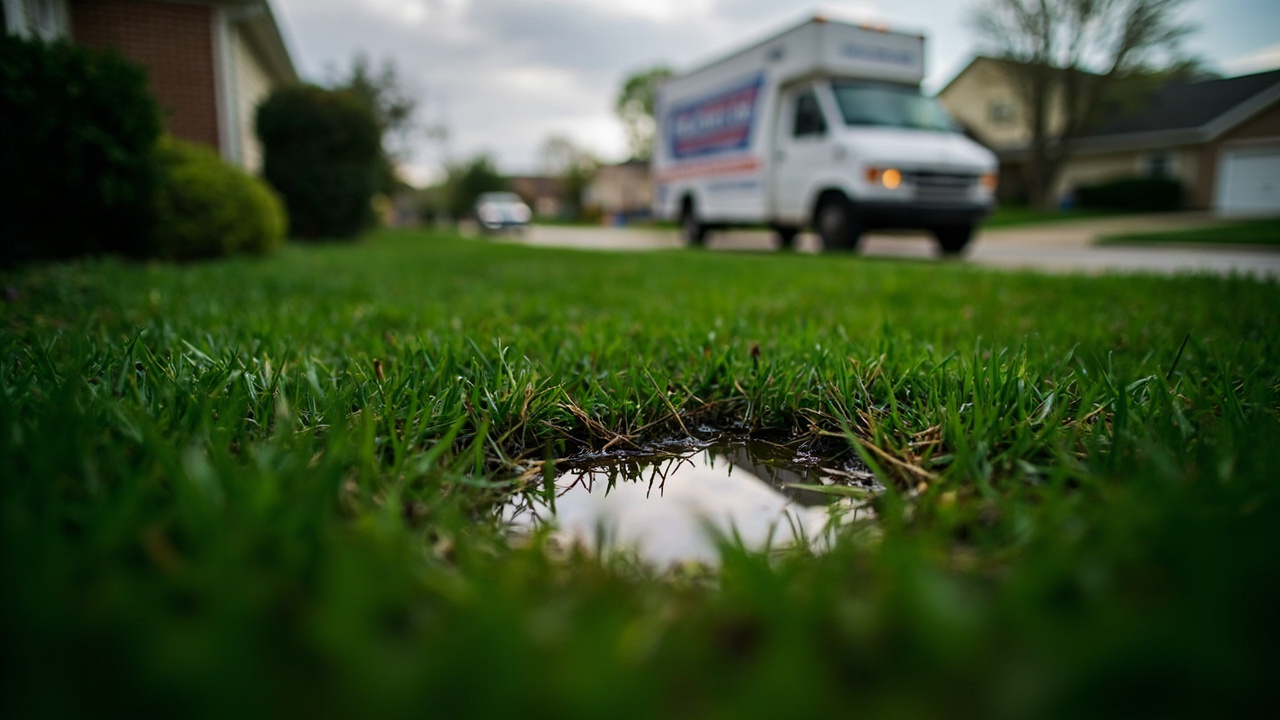
You walk outside and notice soggy patches in your lawn that never dry out. The rest of your yard looks fine, but these damp spots in lawn stay saturated even days after the last rain. You check the sprinkler system. Nothing. You look for obvious leaks. Nothing visible. But the pooling water in yard keeps coming back.

Kansas City's expansive clay soil makes this problem worse. When underground water lines crack or develop pinhole leaks, the clay absorbs and holds that water near the surface. You see saturated areas in grass, but the actual leak could be three feet down. Our freeze-thaw cycles compound the issue. Water expands in pipes during winter, creating micro-cracks that turn into full breaks by spring. That is when you notice the wet spots.

These problems do not fix themselves. Underground leaks waste thousands of gallons, spike your water bill, and create foundation risks if water migrates toward your house. The longer water saturates the soil, the more it erodes support under driveways, sidewalks, and slabs. You might also see a drop in water pressure, hear running water when nothing is on, or notice your water meter spinning when all fixtures are off.

Most homeowners assume it is drainage or just a low spot. But true drainage issues drain. These spots stay wet because water keeps feeding them from below. If you have unexplained standing water that does not move, you likely have a pressurized leak in your service line, irrigation lateral, or sewer line.

Why Your Kansas City Yard Has Unexplained Standing Water
How We Pinpoint and Fix Underground Leaks in Kansas City

How We Pinpoint and Fix Underground Leaks in Kansas City

We do not guess. We use electronic acoustic leak detection and ground-penetrating methods to isolate the exact location of the leak before we dig. This saves you time, money, and unnecessary destruction of your landscaping. Our equipment detects the sound frequency of pressurized water escaping underground, even through clay and rock.

Once we locate the leak, we assess the pipe material and condition. Many Kansas City homes built before 1980 have galvanized steel or cast iron service lines that corrode from the inside out. If your leak is in one of these older lines, we discuss whether a spot repair makes sense or if a full line replacement is the smarter long-term investment. We will not upsell you, but we will tell you the truth about the remaining lifespan of your underground plumbing.

For isolated leaks in copper or PEX lines, we excavate only the affected section, cut out the damaged pipe, and install a new segment with compression or push-fit fittings rated for underground use. We backfill with clean fill dirt, compact it properly, and restore the surface. For sewer line leaks, we camera-inspect the entire run to check for root intrusion, belly sags, or offset joints that could cause future problems.

We also pressure-test the repair before we close the trench. You will see the gauge hold steady. No more saturated areas in grass. No more mystery water bills. Just a dry yard and peace of mind that the problem is actually solved.

What Happens When You Call About Wet Spots in Your Yard

Wet Spots in Yard in Kansas City – Expert Diagnosis and Permanent Underground Leak Solutions
01

Leak Detection and Locating

We arrive with electronic leak detection equipment and start by isolating your water service line. We listen along the pipe route from the meter to your house, marking any acoustic anomalies. We also use tracer gas or dye testing for sewer lines. Within an hour, we can usually pinpoint the leak within a two-foot radius, so you know exactly where we need to dig.
02

Excavation and Pipe Repair

We dig a targeted trench to expose the damaged section of pipe. You will see the break or corrosion firsthand. We cut out the compromised pipe, clean the ends, and install a new section using code-approved fittings. If the surrounding pipe shows advanced corrosion or multiple weak points, we discuss replacing the entire lateral to prevent callback issues.
03

Testing and Site Restoration

Before we backfill, we pressure-test the repair to confirm zero leakage. You will see the gauge stay locked at system pressure. We then compact the trench in layers, restore your grass or landscaping, and haul away any excavated clay or debris. You are left with a dry yard and a properly functioning water line.

Why Kansas City Homeowners Trust Silverline Plumbing for Underground Leak Repairs

Underground leaks are not a DIY repair. You need someone who understands Kansas City soil conditions, knows how to navigate utility locates, and has the right detection equipment to avoid guesswork. Silverline Plumbing Kansas City has been diagnosing and repairing service line leaks, irrigation breaks, and sewer line failures across the metro for years.

We know that homes in neighborhoods like Brookside, Waldo, and Midtown often have 60-plus-year-old galvanized lines that are due for failure. We also know that newer developments in southern Kansas City and Johnson County sometimes have shallow irrigation lines that freeze during harsh winters. Every area has its quirks, and we have seen them all.

Our technicians are licensed and trained in trenchless repair methods, traditional excavation, and camera diagnostics. We do not subcontract the hard stuff. We handle it in-house, so you get consistent quality and accountability from start to finish. We also pull permits when required and coordinate with the city if we need to work near the meter or in the right-of-way.

You also get transparent pricing. We provide a detailed estimate before we dig, so you know what the repair will cost. No surprise charges for "unforeseen conditions" unless we genuinely encounter something unexpected, and we will explain it before we proceed. We respect your property, your time, and your budget. That is why homeowners across Kansas City call us first when they see wet spots in their yard that will not go away.

What to Expect When We Repair Your Underground Leak

Response Time and Scheduling

We offer same-day and next-day service for active leaks that are wasting water or threatening your foundation. For less urgent issues, we can schedule within two to three business days. Leak detection typically takes one to two hours. The repair itself depends on depth and accessibility but usually completes in four to six hours for a straightforward service line repair. Sewer line repairs or full lateral replacements take longer, sometimes requiring a second day if we need to coordinate with the city or order specialty parts.

Diagnostic Process and Transparency

We start by asking when you first noticed the wet spots, whether your water bill has increased, and if you have heard any unusual sounds near the meter. We then perform a pressure test on your system and use acoustic or tracer methods to isolate the leak. Once we locate it, we show you on the ground where we will dig and explain what we expect to find. If we discover additional damage during excavation, we stop and discuss your options before proceeding. You stay informed at every step.

Quality of Workmanship

We use code-approved materials rated for underground burial and Kansas City soil conditions. Copper repairs use Type K copper with compression fittings or brazed joints. PEX repairs use stainless steel clamps and manifold systems where appropriate. Sewer repairs use Schedule 40 PVC or cast iron depending on existing pipe type and local code. We compact backfill in lifts to prevent settling and restore the surface as close to original condition as possible. You will not see a sunken trench six months later.

Follow-Up and Prevention Guidance

After the repair, we walk you through what we did and what caused the failure. If your leak was corrosion-related and other sections of your line are at risk, we discuss proactive replacement options. We also provide tips for monitoring your water meter and recognizing early signs of future leaks. If you experience any issues with the repair, we come back and make it right. Our goal is a permanent fix, not a temporary patch that fails next winter.

Frequently Asked Questions

You Have Questions,
We Have Answers

Why is there a sudden wet spot in my yard? +

A sudden wet spot usually signals a broken water line, leaking sprinkler pipe, or sewer line failure. Kansas City's clay soil and freeze-thaw cycles stress underground pipes, causing cracks or joint separations. You might notice higher water bills, low pressure, or soggy grass in one area. Sometimes French drains or downspouts overflow after heavy rain, but persistent moisture points to pipe damage. Turn off your main water valve and watch the meter. If it keeps spinning, you have a leak. Call a licensed plumber immediately to camera inspect the line and pinpoint the break before foundation damage occurs.

How to fix wet spots in yard? +

Start by identifying the source. If it is a broken pipe, repair or replace the damaged section immediately. For poor drainage, regrade the soil away from structures or install a French drain to channel water. Kansas City's heavy clay soil retains moisture, so amending with sand or compost improves absorption. Extend downspouts at least six feet from the foundation. If the wet spot persists without obvious runoff, camera inspection reveals hidden leaks. Temporary fixes like gravel or sand only mask the problem. Address the root cause to prevent foundation settlement, mosquito breeding, and landscape damage.

How to fix a muddy spot in yard? +

Muddy spots form when clay soil holds water or drainage patterns concentrate flow. First, stop the water source. If it is a leak, fix the pipe. For surface runoff, regrade the area to slope away from the low spot. Add a layer of coarse sand or gravel to improve drainage, then top with soil and reseed. In Kansas City, consider installing a dry well or French drain to capture and redirect water. Avoid just adding topsoil, it settles and creates the same problem. If mud returns after rain, you need subsurface drainage, not surface fixes.

How to fix water runoff in yard? +

Redirect water runoff by regrading your yard to slope away from structures at a minimum two percent grade. Install a French drain or channel drain where water naturally flows. Extend downspouts to discharge six feet from the foundation. Kansas City's clay soil does not absorb quickly, so surface solutions like swales or dry creek beds channel water to better drainage areas. For severe runoff, a catch basin collects water and routes it to storm drains. Avoid dumping water onto neighbor's property. Proper grading prevents basement flooding, foundation cracks, and soggy turf.

How to detect water leaks in a yard? +

Walk your property after turning off all water fixtures. Look for unusually green or soggy patches, sunken areas, or standing water. Check your water meter. Turn off all taps and appliances, then watch the meter for movement. If it spins, you have a leak. Listen for hissing sounds near the main line. In Kansas City, frost heave and clay soil shifting crack pipes, so inspect areas near the curb or meter pit. A thermal camera or acoustic leak detector pinpoints hidden breaks. Professional camera inspection maps your entire system and locates problems before they worsen.

Does homeowners insurance cover main water line leak? +

Most standard homeowners policies cover sudden, accidental main line breaks inside your property line. However, coverage excludes gradual leaks, poor maintenance, or damage outside your property boundary. Kansas City homeowners are responsible for the line from the meter to the house. Review your policy declarations page for water backup or service line endorsements. Some insurers offer optional coverage for exterior lines. If a pipe bursts due to freezing or ground shifting, file a claim immediately. Document the damage with photos. Your insurer may cover repairs but not the cost to access the pipe or landscape restoration.

How to dry up a wet yard fast without drainage? +

Spread a four-inch layer of coarse sand or pea gravel over the wet area to absorb surface moisture and create temporary drainage. Aerate compacted soil with a core aerator to improve water infiltration. In Kansas City's heavy clay, aeration helps water move downward instead of pooling. Redirect downspouts and check for clogged gutters. Use a wet-dry vacuum for small puddles. Run a fan over the area if possible. These are short-term fixes. Without proper grading or subsurface drainage, the wet spot returns after the next rain. Address the root cause for a permanent solution.

What is the rule of 3 in landscaping? +

The rule of three is a landscaping design principle, not a plumbing fix. It suggests grouping plants or features in odd numbers for visual balance. However, it has no relevance to wet spots or drainage problems. If you are seeing persistent moisture in your yard, focus on practical solutions like grading, French drains, or pipe repairs. Kansas City's clay soil and weather patterns require functional drainage systems, not decorative groupings. If someone mentioned this rule about wet spots, they are confusing landscape design with drainage engineering. Stick to proven solutions for water management.

How to stop water runoff from neighbor's yard? +

You cannot legally redirect water onto your property from a neighbor's yard. Document the runoff with photos and dates. Talk to your neighbor first. They may not realize their downspouts or grading cause the problem. If they refuse to fix it, Kansas City municipal code addresses drainage nuisances. Install a swale or French drain along the property line to intercept runoff before it reaches your yard. A landscape berm redirects water back toward its source. As a last resort, contact the city's code enforcement or consult a property attorney. Drainage disputes often require mediation.

How to fix a poorly draining yard? +

Poor drainage stems from compacted clay soil, improper grading, or lack of subsurface systems. Start by aerating and amending soil with compost to improve infiltration. Regrade to create a two percent slope away from structures. Install a French drain in low areas to capture and redirect water. In Kansas City, clay soil retains moisture, so perforated pipe wrapped in fabric and surrounded by gravel works best. Add catch basins where water naturally collects. Extend downspouts at least six feet from the foundation. If DIY fixes fail, hire a drainage contractor to design a comprehensive system.

How Kansas City's Clay Soil and Freeze-Thaw Cycles Create Hidden Underground Leaks

Kansas City sits on expansive clay soil that swells when wet and shrinks when dry. This constant movement puts stress on rigid underground pipes, especially older galvanized steel and cast iron lines. When clay shifts, it can bend or crack pipes at the joints. Add in our freeze-thaw cycles, and you have a perfect recipe for leaks. Water inside pipes expands when it freezes, creating micro-cracks that worsen each winter. By spring, those cracks turn into full breaks, and you see soggy patches in your lawn that never dry out. The clay holds that water at the surface, making it look like a drainage problem when it is actually a pressurized leak feeding the soil from below.

Kansas City plumbing codes require proper depth and bedding for underground water lines to protect them from frost heave and soil movement. But many older homes were plumbed before these standards, leaving service lines shallow and vulnerable. Silverline Plumbing Kansas City understands these local conditions and knows how to install repairs that will last. We also know which neighborhoods have the oldest infrastructure and where we are likely to find galvanized lines that need full replacement. Choosing a local plumber who understands Kansas City soil, climate, and building history means you get a repair designed for this environment, not just a generic fix.
Plumbing Services in The Kansas City Area

We invite you to visit our location or view our extensive service area on the map below. Silverline Plumbing is proud to serve the entire Kansas City metro area, bringing our professional and trustworthy plumbing services to homes and businesses across the region. We are committed to being your neighborhood plumbers, always ready to respond to your call with speed and expertise, no matter where you are located.

Address:
Silverline Plumbing Kansas City, 131 E 39th St, Kansas City, MO, 64111

Additional Services We Offer

Our news updates

Latest Articles & News from The Blogs

Which Toilet Type Saves More on Your Kansas City Water Bill? Choosing between a dual flush and single flush toilet…

Dual Flush vs Single Flush — Which Toilet Saves the Most Money on Your KCMO Water Bill?

Which Toilet Type Saves More on Your Kansas City Water Bill? Choosing between a dual flush and single flush toilet…

How to Get Instant Hot Water to Your Master Suite in Leawood Without Wasting Gallons

How to Get Instant Hot Water to Your Master Suite in Leawood Without Wasting Gallons Waiting three minutes for hot…

Reverse Osmosis vs Whole House Filtration — Finding the Right Pure Water Solution in Liberty

Reverse Osmosis vs Whole House Filtration — Finding the Right Pure Water Solution in Liberty Homeowners in Liberty face a…

Contact Us

Wet spots in your yard will not fix themselves. Every day you wait, you lose more water and risk foundation damage. Call Silverline Plumbing Kansas City at (816) 473-9233 for fast, accurate leak detection and permanent underground repairs. We will find it, fix it, and restore your yard.