Menu

Discolored or Rusty Water in Kansas City – Expert Diagnosis and Permanent Repair

When brown tap water or reddish water from pipes appears in your Kansas City home, you need precise testing and targeted repairs to restore safe, clear water throughout your plumbing system.

Slider Image 1
Slider Image 2
Slider Image 3
Slider Image 4
Slider Image 5
Slider Image 7
Slider Image 8
Slider Image 9
Slider Image 10
Slider Image 11

Why Kansas City Homes Experience Brown, Yellow, and Rusty Water

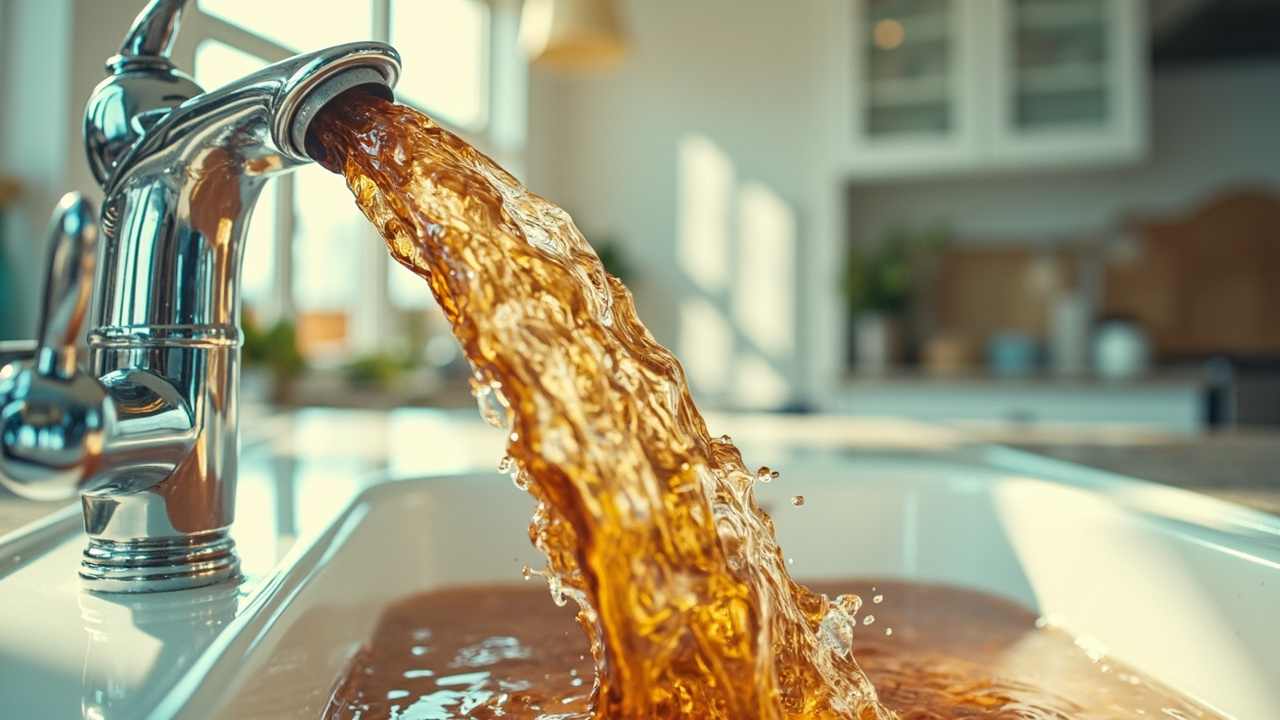
You turn on the faucet expecting clear water, and instead see brown tap water or yellow water from the faucet. The discolored hot water looks like rust, and you wonder if it's safe to drink, cook with, or bathe in.

Kansas City's aging infrastructure creates unique water quality challenges. The metro area's mix of older iron supply lines and galvanized steel pipes corrodes over time, releasing iron oxide and manganese into the water supply. When you see rusty colored water, you're witnessing the breakdown of pipe interiors or sediment disturbances in the municipal system.

The Missouri River's naturally high mineral content amplifies corrosion rates in residential plumbing. Homes in historic neighborhoods like Old Westport, Brookside, and the River Market often contain original galvanized pipes installed 60 to 80 years ago. These pipes deteriorate from the inside out, creating a constant source of reddish water from pipes.

Water pressure fluctuations from the Kansas City Water Department's routine main line maintenance can dislodge accumulated sediment, suddenly turning clear water into discolored hot water. The problem worsens in summer when increased demand strains the system and winter when freeze-thaw cycles stress aging pipes.

If the discoloration clears after running water for several minutes, the source likely sits within your home's plumbing. If it persists, the problem may originate in the supply line between the street and your house or in the municipal system itself. Either way, diagnosing the exact source requires professional testing and inspection.

Why Kansas City Homes Experience Brown, Yellow, and Rusty Water
How We Identify and Fix the Source of Water Discoloration

How We Identify and Fix the Source of Water Discoloration

Guessing at the cause of brown tap water wastes time and money. We use systematic testing to pinpoint whether the problem originates in your home, your service line, or the municipal supply.

First, we test water at multiple fixture points. If only hot water shows discoloration, the problem typically traces to sediment buildup in your water heater tank or anode rod deterioration. If both hot and cold water runs rusty colored water, the issue lies in your supply pipes or the incoming main.

We perform static tests by shutting off water usage for several hours, then sampling the first-draw water. High iron or manganese readings confirm pipe corrosion. We compare these results against samples from your outdoor hose bib, which connects directly to the service line before entering your home's internal plumbing. This isolates whether galvanized pipes inside your walls are corroding or if the problem exists in the underground service lateral.

For homes with reddish water from pipes at specific fixtures, we inspect angle stops, supply tubes, and fixture connections. Corroded brass fittings or deteriorated rubber washers can leach particles into the water stream.

When testing confirms internal pipe corrosion, we map your plumbing system to identify which sections need replacement. Partial repiping targets problem zones without unnecessary demolition. For water heater sediment issues, we drain and flush the tank or replace sacrificial anode rods that prevent tank corrosion.

If the service line between your home and the city main is the culprit, we coordinate with Kansas City Water Services to determine responsibility and perform trenchless or traditional replacement based on your property layout.

Our Water Quality Diagnostic Process

Discolored or Rusty Water in Kansas City – Expert Diagnosis and Permanent Repair
01

Multi-Point Water Testing

We collect water samples from your kitchen sink, bathroom faucets, water heater drain valve, and exterior hose bib. Each sample receives lab testing for iron, manganese, copper, and pH levels. We photograph the samples to document discoloration severity. This testing pattern isolates whether yellow water from the faucet originates inside your home or from the municipal supply. We compare readings across hot and cold lines to identify water heater sediment versus pipe corrosion.
02

Pipe Inspection and Mapping

Using video camera inspection and pressure testing equipment, we examine accessible pipe sections in your basement, crawlspace, or utility room. We identify galvanized steel, copper, or PEX lines and assess corrosion levels. For hidden pipes in walls, we use thermal imaging to trace hot water lines and locate problem zones. We create a diagram showing which sections produce discolored hot water and mark pipes scheduled for replacement. This prevents unnecessary demolition in unaffected areas.
03

Targeted Repair and Testing

Based on test results, we execute the appropriate fix: flushing and replacing water heater components, repiping corroded sections with copper or PEX, or replacing the service lateral from the street to your home. After repairs, we flush the system thoroughly and collect follow-up water samples. We run fixtures until water clarity stabilizes and retest to confirm iron and manganese levels meet EPA standards. You receive before and after lab reports documenting the improvement.

Why Kansas City Homeowners Trust Our Water Quality Solutions

Water discoloration is not a cosmetic issue. It signals active corrosion, potential pipe failure, and possible contamination. You need a plumber who understands Kansas City's specific infrastructure challenges and can deliver accurate answers, not guesswork.

We have diagnosed water quality issues in homes across Kansas City's diverse neighborhoods. From the century-old homes in Hyde Park with original galvanized supply lines to newer developments in Northland experiencing premature copper pipe corrosion, we have seen how different eras of construction create different water quality problems.

Our technicians carry professional water testing kits and maintain relationships with certified labs for detailed analysis. When testing reveals high iron or manganese, we explain what the numbers mean and which repair approach delivers the longest-lasting solution. We do not recommend whole-house repiping if a water heater flush solves the problem, and we do not patch small sections when widespread corrosion will cause repeated failures.

Kansas City enforces specific plumbing codes through both the Unified Government of Wyandotte County and Kansas City, Missouri's Codes Administration. We pull permits for service line replacements and coordinate inspections to ensure compliance. This protects your property value and prevents problems during future home sales.

We also understand the coordination required when the problem originates in the municipal supply. If testing shows the Kansas City Water Department's mains or treatment process is the source, we provide documentation you need to file service requests and we advise you on temporary filtration during resolution.

You deserve water that is not just clear but safe. We provide the testing, diagnosis, and precision repairs that restore confidence in your home's plumbing system.

What to Expect During Your Water Quality Service

Same-Day Diagnostic Visits

We schedule water quality diagnostics within 24 hours of your call. Most testing appointments take 60 to 90 minutes depending on the size of your home and the number of fixtures we need to sample. We bring all necessary equipment to collect samples, photograph discoloration, and perform preliminary analysis. If the problem requires immediate attention due to sudden changes in water quality, we prioritize your appointment. Lab results for detailed mineral analysis typically return within 48 to 72 hours. We call you with findings and schedule repairs based on urgency and your availability.

Transparent Testing and Analysis

We explain every test we perform and why it matters. You receive written results showing iron, manganese, copper, lead, and pH levels compared against EPA drinking water standards. We walk you through what each reading means for your health and your plumbing system. If multiple causes contribute to discoloration, such as water heater sediment combined with corroded supply pipes, we break down each issue separately. You see photos of collected samples and inspection footage from camera work. We never use technical jargon without explanation, and we answer every question before moving to the repair phase.

Lasting Water Clarity

Our repairs target the root cause, not just the symptom. When we replace corroded galvanized pipes with copper or PEX, you eliminate the source of rust and sediment. When we flush and service your water heater, we remove years of accumulated mineral deposits. After repairs, we flush your system thoroughly to clear residual discoloration from pipe walls. We run fixtures until water clarity stabilizes and collect final samples to verify results. You receive documentation showing before and after test results. The goal is permanent resolution, not temporary improvement that fails again in six months.

Preventive Maintenance Guidance

After resolving your water discoloration issue, we provide a customized maintenance plan. For homes with water heaters prone to sediment buildup, we recommend annual flushing to prevent recurrence. If your municipal supply shows elevated mineral content, we discuss whole-house filtration or water softening options to protect new pipes. We explain warning signs that indicate developing problems, such as gradual changes in water color or pressure drops at specific fixtures. You receive a written summary of repairs performed, parts installed, and recommended follow-up intervals. We also offer reminders for scheduled maintenance visits.

Frequently Asked Questions

You Have Questions,
We Have Answers

Is discolored water safe to drink? +

Discolored water is usually not safe to drink. Brown, yellow, or rusty water indicates sediment, rust, or corroded pipes in your system. While trace amounts of iron are not immediately toxic, contaminated water can carry bacteria, lead, or other harmful metals. If you see discolored water in Kansas City, stop drinking it. Run cold water taps for a few minutes. If the color persists, call a licensed plumber to inspect your pipes and water heater. Old galvanized pipes are common in Kansas City homes and often cause rust buildup. Do not risk your health.

How to tell if water is rusty? +

Rusty water appears reddish-brown, orange, or yellow when you turn on your tap. The discoloration comes from iron oxide (rust) breaking off corroded pipes or a decaying water heater anode rod. You might also notice a metallic taste or smell. In Kansas City, older homes with galvanized steel pipes frequently experience rust as pipes corrode from the inside. Fill a clear glass with tap water and inspect it under good light. If sediment settles at the bottom or the color remains cloudy after a few minutes, you have a rust problem that needs professional inspection.

Is it safe to drink slightly rusty water? +

No. Slightly rusty water is not safe to drink. While small amounts of iron are not acutely poisonous, rusty water signals corroded pipes that may leach lead, bacteria, or other contaminants into your supply. The rust particles themselves can harbor harmful microorganisms. Kansas City water is treated at the source, but corrosion inside your home's plumbing compromises that safety. Children, pregnant women, and immunocompromised individuals face higher risk. If your water looks rusty, do not drink it. Run taps to clear sediment, then contact a plumber to identify the source and protect your family.

What does discolored water mean? +

Discolored water means something is wrong with your plumbing or water supply. Brown or rusty water points to corroded pipes, a failing water heater, or sediment buildup. Yellow or cloudy water can indicate rust, mineral deposits, or disturbed city water mains. In Kansas City, sudden discoloration after construction or main breaks is common and usually temporary. If discoloration persists after flushing your taps for five minutes, the problem is inside your home. Corroded galvanized pipes, common in pre-1970 Kansas City homes, often shed rust and sediment. A plumber can diagnose the exact cause and recommend repairs or repiping.

Should I call a plumber for brown water? +

Yes. Call a plumber if brown water persists after flushing your taps for five to ten minutes. Brown water signals corroded pipes, a failing water heater, or severe sediment buildup. These issues worsen over time and can contaminate your drinking water with rust, lead, or bacteria. In Kansas City, older galvanized pipes corrode from mineral-heavy water and freeze-thaw cycles. A licensed plumber will inspect your pipes, test water quality, and identify whether you need anode rod replacement, pipe descaling, or full repiping. Do not ignore brown water. It indicates a plumbing failure that threatens your health and home value.

How to tell if you drank bad water? +

Symptoms of drinking contaminated water include nausea, vomiting, diarrhea, stomach cramps, and fever. These can appear within hours or take days to develop. If you drank discolored or rusty water, monitor yourself for gastrointestinal distress. Kansas City water is generally safe at the source, but corroded home plumbing can introduce lead, bacteria, or heavy metals. If you experience severe symptoms, seek medical attention and inform your doctor you consumed discolored tap water. Document the incident and contact a plumber to inspect your system. Children and elderly adults are more vulnerable to waterborne illness and should be watched closely.

How Kansas City's Aging Water Infrastructure Affects Home Plumbing Systems

Kansas City Water Department serves over 800,000 people through more than 2,900 miles of water mains, many installed between the 1920s and 1950s. When the city performs main line flushing or repairs aging infrastructure, pressure fluctuations and flow direction changes dislodge decades of iron oxide buildup. This sends rusty colored water directly into your service lateral and home plumbing. Homes in midtown and older urban core neighborhoods experience more frequent discoloration episodes because the concentration of original cast iron mains remains highest in these areas. Understanding this connection helps separate temporary municipal issues from permanent problems within your home.

Silverline Plumbing Kansas City has built relationships with local water department engineers and code enforcement officials through years of service in this metro. We understand the quirks of Kansas City's dual-jurisdiction plumbing standards and know which neighborhoods face recurring water quality challenges. When you work with a plumber who knows the difference between a Northland subdivision built in 1995 with copper supply lines and a Waldo bungalow built in 1930 with galvanized steel, you get accurate diagnosis the first time. Local expertise means we anticipate problems before they escalate and we communicate effectively with city officials when municipal issues affect your home.


Plumbing Services in The Kansas City Area

We invite you to visit our location or view our extensive service area on the map below. Silverline Plumbing is proud to serve the entire Kansas City metro area, bringing our professional and trustworthy plumbing services to homes and businesses across the region. We are committed to being your neighborhood plumbers, always ready to respond to your call with speed and expertise, no matter where you are located.

Address:
Silverline Plumbing Kansas City, 131 E 39th St, Kansas City, MO, 64111

Additional Services We Offer

Our news updates

Latest Articles & News from The Blogs

Which Toilet Type Saves More on Your Kansas City Water Bill? Choosing between a dual flush and single flush toilet…

Dual Flush vs Single Flush — Which Toilet Saves the Most Money on Your KCMO Water Bill?

Which Toilet Type Saves More on Your Kansas City Water Bill? Choosing between a dual flush and single flush toilet…

How to Get Instant Hot Water to Your Master Suite in Leawood Without Wasting Gallons

How to Get Instant Hot Water to Your Master Suite in Leawood Without Wasting Gallons Waiting three minutes for hot…

Reverse Osmosis vs Whole House Filtration — Finding the Right Pure Water Solution in Liberty

Reverse Osmosis vs Whole House Filtration — Finding the Right Pure Water Solution in Liberty Homeowners in Liberty face a…

Contact Us

Stop wondering what's in your water. Call Silverline Plumbing Kansas City at (816) 473-9233 for professional testing and permanent repairs. We diagnose the exact cause of discolored water and deliver solutions that last.