Menu

Water Conservation Tips in Kansas City – Cut Water Bills and Protect Your Plumbing System

Practical Water Saving Techniques That Reduce Consumption, Lower Monthly Costs, and Extend the Life of Your Fixtures Through Proven Water Efficiency Strategies

Slider Image 1
Slider Image 2
Slider Image 3
Slider Image 4
Slider Image 5
Slider Image 7
Slider Image 8
Slider Image 9
Slider Image 10
Slider Image 11

Why Kansas City Homeowners Need to Rethink Water Use Now

Kansas City sits at the confluence of the Missouri and Kansas rivers, but that does not mean water is unlimited or cheap. The metro pulls water from multiple treatment plants, and rising infrastructure costs mean your water rates climb year after year. Missouri's hot, humid summers drive up outdoor water use, while winter freeze-thaw cycles stress pipes and create hidden leaks that waste gallons without you knowing.

The clay soil common across Johnson County and Jackson County shifts with moisture changes. When you overwater your yard, that clay expands and puts pressure on sewer laterals and foundation drains. When drought hits, the soil contracts and can crack underground pipes. Both scenarios waste water and damage your plumbing infrastructure.

Most Kansas City households use between 80 and 100 gallons per person per day. That number includes showers, toilets, laundry, dishwashing, and outdoor watering. If you have older fixtures or slow leaks, you could be pushing 120 gallons per person. Those extra gallons add up fast on your utility bill and strain the municipal water supply during peak summer months when Lake Jacomo and the Blue River reservoirs face higher demand.

Water efficiency strategies are not just about saving money. They protect your home from the cascading damage that comes with leaks, reduce strain on aging municipal pipes, and help you avoid emergency plumbing calls during the coldest weeks of January or the hottest days of August. Simple ways to save water at home start with understanding where you use the most and where you lose the most without realizing it.

Why Kansas City Homeowners Need to Rethink Water Use Now
How to Reduce Water Consumption Without Sacrificing Comfort

How to Reduce Water Consumption Without Sacrificing Comfort

Water saving techniques fall into three categories: fixture upgrades, behavior changes, and leak detection. All three work together to reduce water consumption without making you feel like you are rationing.

Start with your toilets. Older toilets use 3.5 to 7 gallons per flush. WaterSense-labeled models use 1.28 gallons or less. If you have three people in your home flushing five times a day, upgrading from a 3.5-gallon toilet to a 1.28-gallon model saves over 11,000 gallons per year per toilet. That is real water and real money.

Showerheads matter just as much. Standard showerheads flow at 2.5 gallons per minute. Low-flow models drop that to 1.5 or 2.0 GPM without feeling like you are standing under a trickle. A ten-minute shower at 2.5 GPM uses 25 gallons. Drop to 1.5 GPM and you use 15 gallons. Over a year, that one change saves thousands of gallons per person.

Faucet aerators cost a few dollars and screw onto your kitchen and bathroom faucets. They reduce flow from 2.2 GPM to 1.0 or 1.5 GPM by mixing air into the stream. You still get enough pressure to rinse dishes or wash your hands, but you use half the water.

Leak detection is where most homeowners lose the game. A toilet flapper that does not seal right can waste 200 gallons per day. A pinhole leak in a supply line under the sink drips constantly and adds up fast. Check your water meter before bed, then check it again in the morning without using any water overnight. If the meter moved, you have a leak somewhere. Finding and fixing that leak is the fastest way to save water at home and protect your property from water damage.

How We Help You Build a Water-Smart Home

Water Conservation Tips in Kansas City – Cut Water Bills and Protect Your Plumbing System
01

Full Plumbing Audit

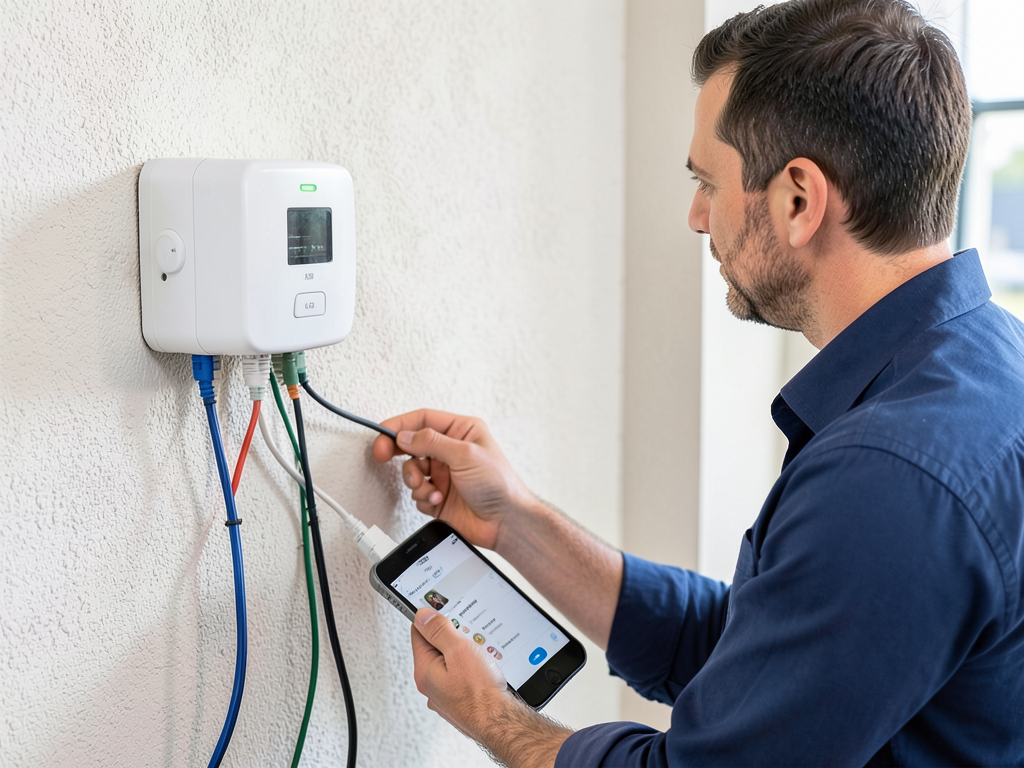
We inspect every fixture, valve, and pipe to identify leaks, inefficient equipment, and opportunities to reduce water consumption. You get a detailed report showing where your water goes and where you are losing money. This includes checking toilet flappers, faucet seals, water heater pressure relief valves, and outdoor hose bibs. We also test your water pressure to ensure it stays in the safe range that prevents pipe stress and premature fixture failure.
02

Custom Conservation Plan

Based on what we find, we create a prioritized list of water saving techniques tailored to your home and budget. This might include replacing old toilets, installing aerators, upgrading to a tankless water heater, or adding a leak detection system. We explain the cost, the expected water savings, and the payback period so you can decide what makes sense. No upselling, just clear information on how to reduce water consumption in ways that fit your household.
03

Installation and Monitoring

We install the fixtures and systems you choose, test everything for proper operation, and show you how to monitor your water use going forward. You learn how to read your water meter, spot early signs of leaks, and maintain your new equipment. We also provide a follow-up check to confirm your water bills dropped and your system performs as expected. The goal is long-term water efficiency strategies that stay effective year after year.

Why Kansas City Residents Trust Local Plumbing Expertise

Water conservation in Kansas City requires knowledge of local water quality, local building codes, and local climate challenges. The metro area pulls water from the Missouri River and treats it at multiple plants. That water is moderately hard, which means mineral buildup in your pipes, water heater, and fixtures over time. Hard water reduces fixture efficiency and shortens equipment life, so water efficiency strategies here must account for scale and sediment.

Kansas City follows the International Plumbing Code with local amendments adopted by the city and county. Those amendments affect fixture requirements, backflow prevention, and water heater installation. A plumber who knows those local codes installs equipment that passes inspection the first time and performs reliably for years.

Our team works throughout Jackson County, Johnson County, and the surrounding metro. We understand how freeze-thaw cycles stress outdoor faucets and irrigation lines. We know which neighborhoods have older galvanized pipes prone to corrosion and leaks. We know where water pressure runs high and damages fixtures faster. That local knowledge helps us recommend the right water saving techniques for your specific property and plumbing system.

Water efficiency is not a one-time fix. It requires ongoing attention to leaks, fixture performance, and water use habits. We provide the education, the equipment, and the follow-up to ensure your water savings last. Whether you live in Brookside, Overland Park, or out in Lee's Summit, you get the same detailed audit, the same clear recommendations, and the same quality installation that makes water conservation practical and profitable.

What You Get When You Choose Professional Water Conservation Help

Fast Scheduling and Detailed Assessment

We schedule your water audit within days, not weeks. The assessment takes one to two hours depending on the size of your home and the complexity of your plumbing. We check every fixture, test water pressure, inspect visible pipes, and review your water bills to establish a baseline. You get a written report with clear recommendations ranked by impact and cost. No surprises, no pressure, just the information you need to make smart decisions about reducing water consumption and protecting your plumbing system.

Transparent Recommendations and Education

We explain what we find in plain language. If your toilet wastes 200 gallons per day, we show you how we know and what it costs you per month. If your water pressure runs too high, we explain the damage it causes and the solution. We walk through every water efficiency strategy on your list, answer your questions, and help you prioritize based on your budget and goals. You leave the consultation understanding your plumbing system, your water use, and the steps that deliver the biggest savings.

Quality Installation and Immediate Results

When you are ready to move forward, we install your new fixtures and equipment correctly the first time. That means proper seals, correct water pressure, and compliance with local codes. We test everything before we leave and show you how to operate and maintain your new equipment. Most customers see lower water bills within the first month. Leak repairs deliver immediate savings. Fixture upgrades pay for themselves over time. Either way, you get a plumbing system that uses less water, costs less to operate, and lasts longer.

Ongoing Support and Monitoring Guidance

Water conservation is a long game. We provide follow-up support to make sure your savings continue. That includes teaching you how to check for leaks, how to read your water meter, and when to call for help. We also offer maintenance plans that include annual plumbing inspections, fixture checks, and water heater flushing to remove sediment. Regular maintenance keeps your system efficient and catches small problems before they turn into expensive emergencies. You get peace of mind knowing your plumbing works the way it should and your water bills stay low.

Frequently Asked Questions

You Have Questions,
We Have Answers

What are 10 ways to conserve water? +

Install low-flow fixtures in showers and faucets to reduce flow rates without sacrificing pressure. Fix leaking toilets and faucets immediately, as a slow drip wastes thousands of gallons yearly. Run dishwashers and washing machines only with full loads. Turn off the tap while brushing teeth or soaping dishes. Replace older toilets with WaterSense models that use 1.28 gallons per flush. Collect rainwater in barrels for outdoor use. Water lawns early morning to minimize evaporation in Kansas City's humid summers. Shorten shower times by two minutes. Insulate hot water pipes to reduce wait time for warm water. Mulch garden beds to retain soil moisture during dry spells.

What are the 5 R's of water conservation? +

The 5 R's of water conservation provide a framework for responsible use. Reduce consumption by shortening showers and turning off taps when not in use. Reuse water where possible, like saving pasta water for plants or using greywater systems. Recycle by capturing rainwater or treating wastewater for irrigation. Respect water as a limited resource, especially during Kansas City's summer heat when demand spikes. Restore natural water systems by protecting local waterways like the Missouri River and supporting native landscaping that requires less irrigation. These principles help homeowners lower utility bills while protecting regional water supplies.

What are 7 ways to conserve water? +

Fix all leaks in faucets, toilets, and pipes immediately. Install water-efficient fixtures like low-flow showerheads and dual-flush toilets. Water your lawn before 8 a.m. to reduce evaporation during Kansas City's warm months. Run full loads in dishwashers and washing machines only. Turn off the tap while brushing teeth or washing hands. Use a broom instead of a hose to clean driveways and sidewalks. Install a rain sensor on irrigation systems to prevent watering during rainfall. These simple changes reduce consumption without requiring major lifestyle adjustments and lower monthly water bills significantly.

What are 20 ways to save water? +

Fix dripping faucets and running toilets. Install low-flow showerheads and faucet aerators. Run dishwashers and washing machines only when full. Turn off taps while brushing teeth or scrubbing dishes. Take shorter showers, aiming for five minutes or less. Replace old toilets with WaterSense models. Water lawns early morning in Kansas City to minimize evaporation. Collect rainwater for gardens. Use a broom to clean patios instead of hosing. Insulate hot water pipes. Mulch garden beds to retain moisture. Install drip irrigation for landscaping. Thaw frozen food in the refrigerator, not under running water. Rinse vegetables in a basin, not under running water. Keep drinking water in the fridge instead of running taps until cold. Use garbage disposals sparingly. Check for hidden leaks by reading your water meter. Plant drought-resistant native species. Adjust sprinkler heads to avoid watering pavement. Monitor your water bill for unexpected increases.

What are 8 ways to conserve water? +

Upgrade to low-flow fixtures throughout your home to cut water use by 30 percent without sacrificing performance. Fix leaks immediately, as a toilet leak can waste 200 gallons daily. Run appliances only with full loads to maximize efficiency per cycle. Turn off taps while brushing teeth, shaving, or soaping dishes. Replace grass with native plants suited to Kansas City's clay soil and seasonal rainfall patterns, reducing irrigation needs significantly. Install rain barrels to capture roof runoff for watering gardens. These changes lower utility bills while protecting local water resources during drought conditions that periodically affect the metro area.

How can we save water 50 ways? +

Comprehensive water conservation involves fixture upgrades, behavioral changes, and landscape modifications. Start indoors by installing low-flow showerheads, dual-flush toilets, and faucet aerators. Fix all leaks and insulate pipes. Run full loads in appliances and scrape dishes instead of rinsing. Turn off taps when not actively using water. Outside, replace turf with native grasses and perennials suited to Kansas City's climate. Install drip irrigation and rain sensors. Water early morning only. Collect rainwater in barrels. Use mulch to retain soil moisture. Clean walkways with brooms, not hoses. These combined strategies can reduce household water use by 40 percent or more while maintaining comfort and curb appeal.

How to stop wasting water? +

Stop wasting water by identifying and eliminating inefficiencies. Check for hidden leaks by turning off all water sources and watching your meter for movement. Replace worn faucet washers and toilet flappers that cause drips. Avoid running taps unnecessarily while brushing teeth, washing dishes, or waiting for hot water. Adjust irrigation schedules seasonally to match Kansas City's rainfall patterns rather than using fixed timers year-round. Install aerators on faucets to maintain pressure while reducing flow. Choose efficient appliances with WaterSense or Energy Star ratings. Small behavioral changes and minor repairs prevent thousands of gallons of waste annually without requiring major investment.

What are 5 ways to protect the environment? +

Reduce water consumption by fixing leaks and installing efficient fixtures to protect local water supplies. Minimize chemical use in lawns and gardens to prevent runoff pollution into Kansas City waterways like the Blue River and Missouri River. Use native plants that require less irrigation and support local ecosystems. Properly dispose of hazardous materials like paint, oil, and medications instead of pouring them down drains. Reduce energy consumption by upgrading to efficient appliances and LED lighting, as energy production requires significant water resources. These actions protect both water quality and quantity while reducing your environmental footprint in the metro area.

What is water conservation 10 lines? +

Water conservation means using water wisely to protect this limited resource for future generations. It involves reducing waste through efficient fixtures and repairing leaks promptly. Conservation includes changing daily habits like shortening showers and turning off taps when not in use. Outdoor water use requires particular attention in Kansas City, where lawns and landscaping account for major residential consumption during summer months. Smart irrigation practices and native plant choices reduce demand significantly. Conservation lowers utility bills while protecting regional water supplies. Every household action matters during drought conditions. Simple changes create measurable impact. Water conservation benefits both your budget and the environment. Responsible use ensures adequate supplies for all community needs.

How to save water 30 ways? +

Effective water conservation combines fixture upgrades, appliance efficiency, landscape modifications, and behavioral changes. Install low-flow showerheads and toilets. Fix all leaks immediately. Run full appliance loads only. Turn off taps while brushing teeth or washing dishes. Take shorter showers. Use rain barrels for outdoor watering. Water lawns before 8 a.m. in Kansas City to reduce evaporation. Install drip irrigation for gardens. Choose native plants requiring less water. Mulch beds to retain moisture. Clean driveways with brooms, not hoses. Insulate hot water pipes. Monitor your water bill for unusual increases. These combined strategies reduce consumption by 40 percent while maintaining comfort and property appearance throughout the metro area.

How Kansas City's Water Rates and Infrastructure Make Conservation Critical

Kansas City Water Services raised rates multiple times in recent years to fund aging infrastructure upgrades. The metro relies on water treatment plants built decades ago, and replacing old pipes and pump stations costs money. Those costs get passed to you through higher water and sewer rates. Combined water and sewer bills in Kansas City can run over one hundred dollars per month for an average household. That number climbs fast if you have leaks, inefficient fixtures, or high outdoor watering use. Reducing water consumption directly lowers your monthly bill and eases pressure on the municipal system during peak demand periods in July and August when temperatures hit the nineties and everyone runs sprinklers.

Local plumbers understand the unique challenges of Kansas City's water supply and plumbing infrastructure. We work with the clay soil conditions that cause pipe shifting and leaks. We know the local code requirements for backflow prevention and water heater installation. We understand how the moderate hardness of the local water affects fixture performance and equipment life. That knowledge means better recommendations, faster repairs, and water saving techniques that actually work in Kansas City homes. When you choose a plumber who knows the metro, you get solutions that fit your property and deliver results that last.
Plumbing Services in The Kansas City Area

We invite you to visit our location or view our extensive service area on the map below. Silverline Plumbing is proud to serve the entire Kansas City metro area, bringing our professional and trustworthy plumbing services to homes and businesses across the region. We are committed to being your neighborhood plumbers, always ready to respond to your call with speed and expertise, no matter where you are located.

Address:
Silverline Plumbing Kansas City, 131 E 39th St, Kansas City, MO, 64111

Additional Services We Offer

Our news updates

Latest Articles & News from The Blogs

Which Toilet Type Saves More on Your Kansas City Water Bill? Choosing between a dual flush and single flush toilet…

Dual Flush vs Single Flush — Which Toilet Saves the Most Money on Your KCMO Water Bill?

Which Toilet Type Saves More on Your Kansas City Water Bill? Choosing between a dual flush and single flush toilet…

How to Get Instant Hot Water to Your Master Suite in Leawood Without Wasting Gallons

How to Get Instant Hot Water to Your Master Suite in Leawood Without Wasting Gallons Waiting three minutes for hot…

Reverse Osmosis vs Whole House Filtration — Finding the Right Pure Water Solution in Liberty

Reverse Osmosis vs Whole House Filtration — Finding the Right Pure Water Solution in Liberty Homeowners in Liberty face a…

Contact Us

Call Silverline Plumbing Kansas City at (816) 473-9233 to schedule your water conservation audit. We will identify leaks, recommend upgrades, and help you build a water-smart home that saves money every month.