Menu

Complete Plumbing Inspection Checklist for Kansas City Homes – Catch Problems Before They Become Emergencies

Download your free residential plumbing checkup list designed specifically for Kansas City's hard water, freeze-thaw cycles, and aging infrastructure. Use this preventative plumbing maintenance checklist to spot leaks, corrosion, and pressure issues before they turn into expensive repairs.

Slider Image 1
Slider Image 2
Slider Image 3
Slider Image 4
Slider Image 5
Slider Image 7
Slider Image 8
Slider Image 9
Slider Image 10
Slider Image 11

Why Kansas City Homes Need Regular Plumbing Inspections

Kansas City's geography puts unique stress on residential plumbing systems. The Missouri River corridor brings hard water loaded with calcium and magnesium that builds up inside pipes, water heaters, and fixtures. Over time, this mineral accumulation restricts flow, reduces efficiency, and corrodes valves.

Winter freeze-thaw cycles create another challenge. When temperatures drop below freezing, water expands inside pipes. Even a single hard freeze can crack copper lines hidden in crawl spaces or exterior walls. By the time you see water damage in spring, the problem has already spread to insulation, drywall, and subflooring.

Many homes in neighborhoods like Waldo, Brookside, and the Historic Northeast sit on clay soil that shifts with moisture changes. This movement puts pressure on sewer laterals and main water lines. Hairline cracks turn into leaks. Tree roots from mature oaks and maples exploit these weak points and invade underground pipes.

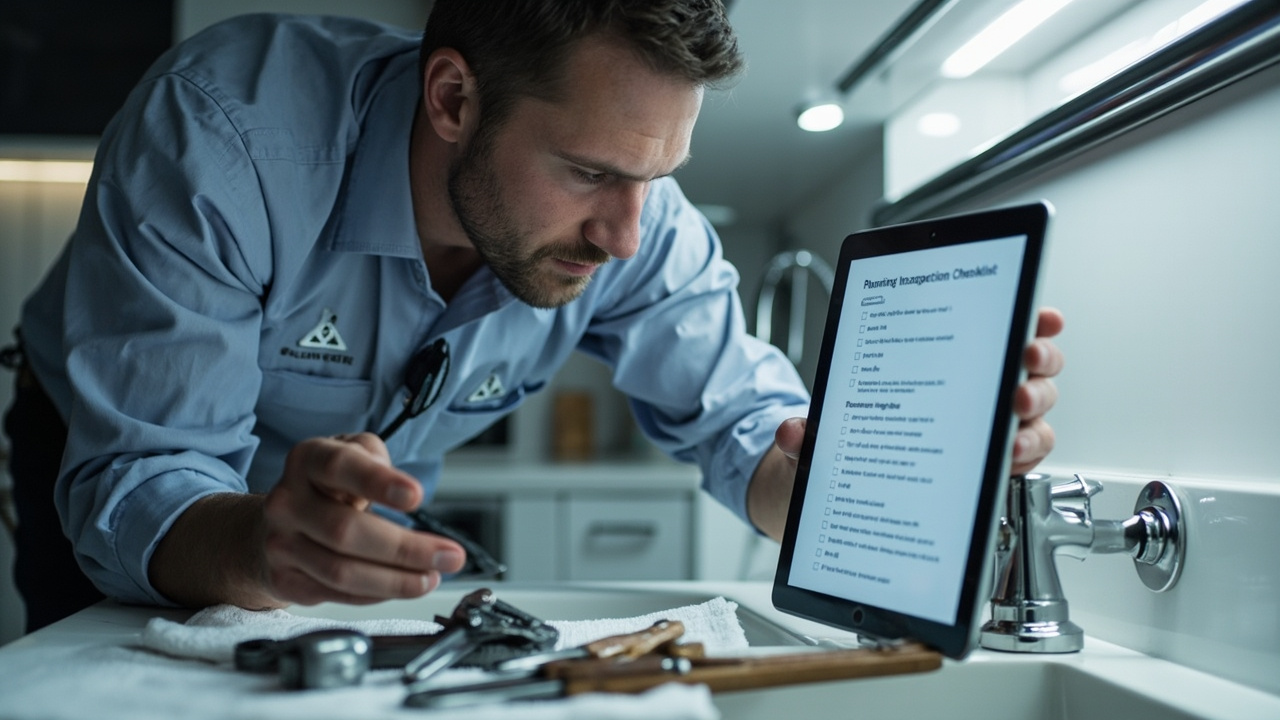
A home plumbing inspection list helps you catch these issues early. Regular checks of shut-off valves, supply lines, drain traps, and sewer cleanouts prevent catastrophic failures. You can spot slow leaks before they rot floor joists. You can identify pressure drops before pipes burst. A plumbing maintenance checklist gives you control over one of your home's most critical systems.

Most homeowners only think about plumbing when something breaks. The water heater fails on Christmas morning. The main line backs up during a dinner party. A pipe bursts while you are at work. Using a residential plumbing checkup list shifts you from reactive to proactive.

Why Kansas City Homes Need Regular Plumbing Inspections
What Belongs on Your Plumbing System Inspection Guide

What Belongs on Your Plumbing System Inspection Guide

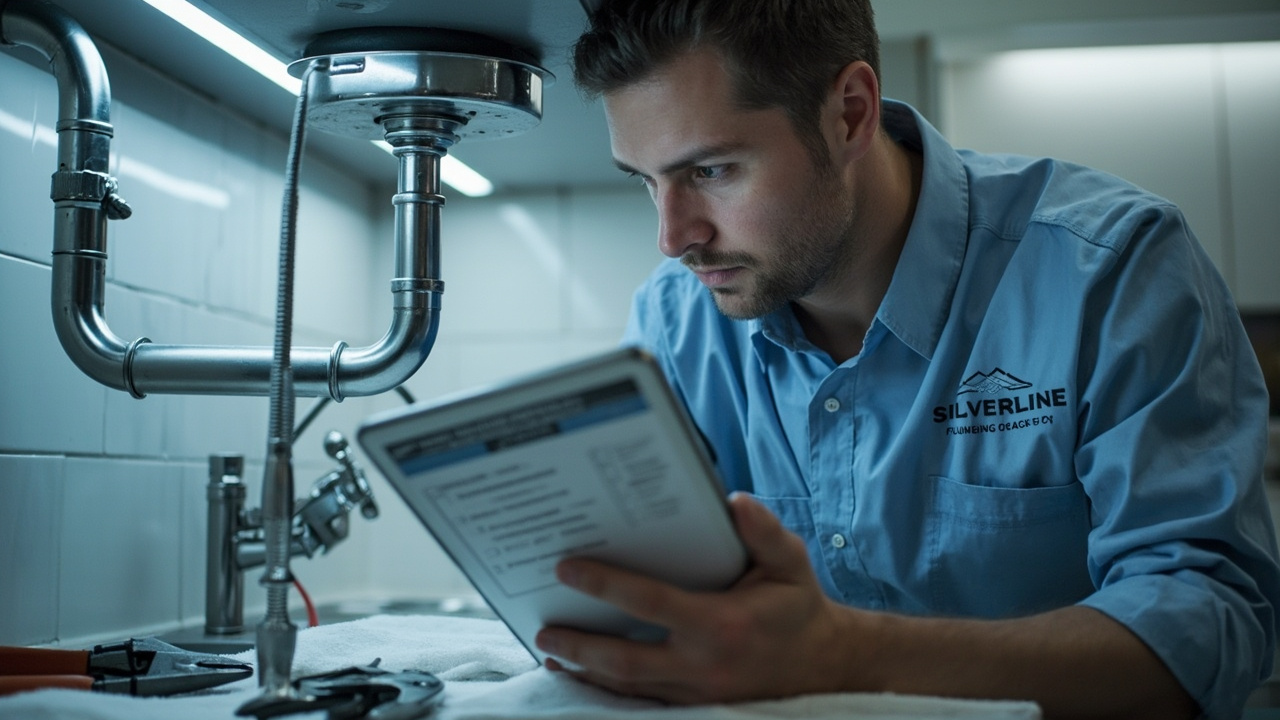
An effective preventative plumbing maintenance checklist covers both visible components and hidden infrastructure. Start with water heaters. Check the temperature pressure relief valve for leaks or corrosion. Look at the sacrificial anode rod if your tank is older than five years. Hard water accelerates anode depletion, which leads to tank rust and eventual failure.

Move to exposed supply lines under sinks, behind toilets, and at appliance connections. Braided stainless steel flex lines develop pinhole leaks where they crimp at the ferrule. Copper lines show green patina at joints when they start to corrode. Galvanized pipes rust from the inside out. You will see reduced flow before you see exterior rust.

Inspect drain traps under every sink and at floor drains in basements and laundry rooms. Traps dry out when not used regularly, which allows sewer gas into living spaces. Check for hair clogs, mineral buildup, and loose slip nuts. A slow drain today becomes a complete blockage tomorrow.

Examine shut-off valves at toilets, sinks, and the main water line. Turn each valve a quarter turn and back to prevent them from seizing. Mineral deposits lock valves in the open position. When you need to shut off water during an emergency, a frozen valve costs you time and increases damage.

Look at your sewer cleanout caps. Most Kansas City homes have a cleanout in the basement or outside near the foundation. Remove the cap once a year and shine a light down the pipe. You should see clear pipe walls. If you see roots, grease buildup, or standing water, your main line needs professional attention. Catching partial blockages prevents full backups into your basement.

How to Use Your Plumbing Inspection Checklist

Complete Plumbing Inspection Checklist for Kansas City Homes – Catch Problems Before They Become Emergencies
01

Schedule Seasonal Inspections

Perform a full home plumbing inspection list twice per year. Schedule one check in early spring after the last freeze to catch winter damage. Run a second inspection in late fall before temperatures drop to prepare your system for cold weather. Mark these dates on your calendar like you would HVAC filter changes. Consistency catches problems at the earliest stage when repairs cost less and prevent secondary damage.
02

Document Your Findings

Take photos of every component you inspect. Note water heater age, pipe materials, valve conditions, and any visible wear. Create a simple spreadsheet or use your phone's notes app to track changes over time. When you see the same joint dripping in multiple inspections, you know it needs replacement soon. Documentation helps you prioritize repairs and budget for upcoming work. It also provides valuable information for plumbers when you need professional service.
03

Know When to Call

A residential plumbing checkup list identifies issues, but some problems require professional diagnosis and repair. Call a licensed plumber when you find active leaks, smell sewer gas, see water pressure drops throughout the house, or discover tree roots in your sewer line. Hidden leaks inside walls, main line replacements, and water heater installations need specialized tools and expertise. Your checklist helps you make informed decisions about when DIY maintenance ends and professional service begins.

Why Kansas City Homeowners Trust Local Plumbing Expertise

Plumbing problems in Kansas City require local knowledge. Out-of-area companies do not understand how hard water affects fixture lifespan or how clay soil movement damages sewer laterals. They use generic solutions that work in Denver or Phoenix but fail here.

Silverline Plumbing Kansas City knows the common failure points in homes built during different eras. Homes in Brookside from the 1920s have galvanized supply lines that need replacement. Ranch homes in Prairie Village from the 1950s use cast iron drains that develop bellies and blockages. Understanding construction history helps us predict where problems hide.

We understand Kansas City plumbing codes and permit requirements. Work on main water lines, sewer laterals, and gas lines requires permits from the city. We handle paperwork, inspections, and compliance so you avoid fines and failed inspections. When you sell your home, permitted work increases value and speeds closing.

Our service area covers Jackson County, Clay County, Platte County, and Johnson County in Kansas. We respond to calls in downtown Kansas City, Overland Park, Lee's Summit, Independence, and Liberty. This geographic focus means faster response times and familiarity with neighborhood-specific challenges.

We stock parts that fit Kansas City's most common plumbing configurations. When we arrive for a repair, we carry the right valve bodies, supply lines, drain assemblies, and fixtures in our trucks. This eliminates delays waiting for special orders and gets your water running faster.

A plumbing system inspection guide only works if you know who to call when you find problems. Local expertise translates to accurate diagnosis, proper repairs, and solutions that last in Kansas City's specific conditions.

What to Expect When You Schedule a Professional Inspection

Same-Day Appointments Available

We offer flexible scheduling that fits your calendar. Most inspection appointments happen within 24 to 48 hours of your call. If you discover an active leak or urgent issue during your DIY checklist review, we prioritize your appointment and often arrive the same day. Our trucks stay stocked and ready throughout the metro so we respond quickly to both routine inspections and emergency calls. You do not wait days for service while a small problem grows into expensive damage.

Comprehensive System Evaluation

Professional plumbing inspections go deeper than a homeowner checklist. We use video camera equipment to inspect sewer lines from inside. We test water pressure at multiple fixtures to identify hidden restrictions. We check venting to ensure drains flow properly and prevent sewer gas infiltration. We inspect crawl spaces, attics, and mechanical rooms that homeowners often skip. Our evaluation includes thermal imaging to find leaks behind walls before they cause visible damage. You receive a detailed report with photos, priority rankings, and cost estimates for recommended repairs.

Clear Written Recommendations

After the inspection, you receive a written report that explains every finding in plain language. We separate urgent repairs from preventative maintenance. Critical issues get immediate attention. Items you can schedule for later get realistic timelines based on how quickly problems typically progress. We never pressure you into unnecessary work. You make informed decisions based on facts, not fear. Our goal is to extend your plumbing system's lifespan through smart maintenance, not maximize our invoice by replacing functional components.

Ongoing Maintenance Plans

We offer annual maintenance agreements that include scheduled inspections, priority service, and discounts on repairs. Members receive reminders when their next inspection comes due so they never forget this critical maintenance task. We keep records of your plumbing system's condition over time, which helps us spot developing problems early. Annual agreements include water heater flushing, drain cleaning, and valve testing. Regular professional attention combined with your personal plumbing maintenance checklist creates a comprehensive strategy that prevents emergencies and extends equipment life.

Frequently Asked Questions

You Have Questions,
We Have Answers

What does a plumbing inspection consist of? +

A plumbing inspection examines your entire water supply and drainage system. Inspectors check water heaters for leaks and sediment buildup, test water pressure at fixtures, inspect visible pipes for corrosion or damage, and evaluate drain flow. They examine exposed supply lines in basements and crawl spaces, test toilets and faucets for proper operation, and look for signs of past leaks like water stains or mold. In Kansas City homes, inspectors pay extra attention to clay soil-related foundation shifts that can stress pipes and connections. The inspection also covers sewer lines, sump pumps, and gas line connections if applicable.

What are the 7 steps of the inspection process? +

The plumbing inspection process starts with a visual assessment of all fixtures and exposed pipes. Next, inspectors test water pressure and flow rates at multiple points. Third, they examine drainage systems by running water through sinks, tubs, and toilets to check for slow drains or backups. Fourth, they inspect water heaters for age, capacity, and safety features. Fifth, they check for visible leaks under sinks and around fixtures. Sixth, they may use cameras to inspect sewer lines. Finally, they document findings with photos and notes, then provide a detailed report of issues needing repair or replacement.

What are the 5 main items you should inspect for at a drain detail? +

At a drain detail, inspect the trap configuration first to confirm proper water seal and venting. Second, check the drain slope to verify proper pitch for gravity flow. Third, examine connection points for secure fittings and proper seals to prevent leaks. Fourth, look for signs of corrosion or deterioration in older pipes, which is common in Kansas City homes with aging galvanized steel drains. Fifth, test the drain flow by running water to identify slow drainage or partial blockages. These five items catch most problems before they cause water damage or costly repairs.

What would make a house fail a home inspection? +

Major plumbing failures include active leaks that cause water damage, non-functional toilets or drains, improperly vented drain systems, missing or damaged water heater safety features, and cross-connections between potable water and waste systems. In Kansas City, houses often fail due to older galvanized pipes with severe corrosion, sewer line damage from tree roots or soil movement, and outdated fixtures that do not meet current code. Significant water pressure issues, malfunctioning sump pumps in basements, and evidence of sewage backups also trigger inspection failures. These problems require immediate attention before closing.

How much should a plumbing inspection cost? +

Plumbing inspection costs in Kansas City typically range based on home size and scope. A basic inspection for a standard home runs lower than comprehensive inspections that include sewer camera scoping. Factors affecting price include square footage, number of fixtures, age of the plumbing system, and accessibility of pipes. Older homes in neighborhoods like Hyde Park or Westport may cost more due to complex systems and crawl space access challenges. Sewer line camera inspections add to the base price. Get quotes from licensed inspectors and confirm what the inspection covers before scheduling.

What is the biggest red flag in a home inspection? +

Active water leaks represent the biggest red flag because they indicate immediate damage and potential mold growth. Leaks under sinks, around water heaters, or in basements signal failing seals, corroded pipes, or pressure problems. In Kansas City homes, foundation movement from expansive clay soil can crack pipes and create hidden leaks inside walls. Other major red flags include sewage odors indicating vent or drain line failures, low water pressure pointing to corroded pipes, and water stains on ceilings or walls revealing past or ongoing leaks. These issues require fast professional assessment and repair.

What should be included in an inspection checklist? +

A comprehensive plumbing inspection checklist must include water supply system checks for pressure and flow, examination of all visible pipes for leaks and corrosion, water heater inspection for age and safety compliance, and drain system testing for proper flow. Include fixture operation tests for toilets, faucets, and showers, sump pump functionality in basement areas, and gas line inspection if applicable. For Kansas City properties, add foundation-related pipe stress checks and sewer line condition assessment. Document shut-off valve locations and operation, check for proper venting, and note any code violations or outdated materials requiring replacement.

What are the 4 types of inspections? +

The four main plumbing inspection types are pre-purchase inspections for home buyers, routine maintenance inspections to catch problems early, code compliance inspections for new construction or remodels, and specialized inspections like sewer camera scoping. Pre-purchase inspections protect buyers from inheriting costly repairs. Maintenance inspections identify small issues before they become emergencies. Code inspections ensure new work meets Kansas City building standards and includes rough-in and final inspections. Specialized inspections use cameras or pressure tests to diagnose specific problems in drain lines, sewer connections, or hidden pipe runs within walls.

What do you need in order to pass an inspection? +

To pass a plumbing inspection, your system must show no active leaks, proper water pressure and flow at all fixtures, and correctly functioning drains without backups. Water heaters need proper temperature settings, pressure relief valves, and secure venting. All fixtures must operate correctly with no cross-contamination risks. In Kansas City, you need proper venting on all drain lines, correct pipe materials meeting current code, accessible shut-off valves, and sewer lines free from damage or blockages. Gas lines require proper sizing and leak-free connections. Document any recent repairs and confirm work meets local building codes.

How to prepare for a rough plumbing inspection? +

Before a rough plumbing inspection in Kansas City, verify all supply and drain lines are installed per approved plans with proper slopes and support. Ensure vent pipes extend correctly through the roof and drain traps are properly positioned. Pressure test water supply lines to identify leaks before walls close. Confirm pipe materials meet code requirements and all connections are secure. Leave work exposed and accessible for the inspector. Have your permit paperwork ready and mark fixture locations clearly. Check that clean-outs are accessible and properly installed. Remove debris from work areas and verify rough-in measurements match fixture specifications.

How Kansas City's Hard Water and Freeze-Thaw Cycles Impact Your Plumbing Inspection Needs

Kansas City draws water from the Missouri River and local reservoirs. This water contains high levels of dissolved minerals that leave scale deposits inside pipes, water heaters, and fixtures. Your plumbing maintenance checklist needs to account for this local water chemistry. Check aerators every few months for mineral buildup. Inspect water heater elements and tanks for sediment accumulation. Look at shut-off valves for mineral deposits that prevent smooth operation. Hard water also reduces soap effectiveness and creates film on fixtures. A residential plumbing checkup list for Kansas City homes must include components that other regions can ignore.

Winter temperatures in Kansas City regularly drop into the teens. Pipes in exterior walls, crawl spaces, and unheated garages face freeze risk every year. Your preventative plumbing maintenance checklist should include insulation checks before cold weather arrives. Professional plumbers in Kansas City understand which areas of local homes are most vulnerable to freeze damage. We have serviced thousands of homes across every neighborhood and know where builders cut corners on insulation. We know which pipe materials tolerate freeze-thaw cycles and which fail after a single event. This local experience means more accurate inspections and better protection for your home.
Plumbing Services in The Kansas City Area

We invite you to visit our location or view our extensive service area on the map below. Silverline Plumbing is proud to serve the entire Kansas City metro area, bringing our professional and trustworthy plumbing services to homes and businesses across the region. We are committed to being your neighborhood plumbers, always ready to respond to your call with speed and expertise, no matter where you are located.

Address:
Silverline Plumbing Kansas City, 131 E 39th St, Kansas City, MO, 64111

Additional Services We Offer

Our news updates

Latest Articles & News from The Blogs

Which Toilet Type Saves More on Your Kansas City Water Bill? Choosing between a dual flush and single flush toilet…

Dual Flush vs Single Flush — Which Toilet Saves the Most Money on Your KCMO Water Bill?

Which Toilet Type Saves More on Your Kansas City Water Bill? Choosing between a dual flush and single flush toilet…

How to Get Instant Hot Water to Your Master Suite in Leawood Without Wasting Gallons

How to Get Instant Hot Water to Your Master Suite in Leawood Without Wasting Gallons Waiting three minutes for hot…

Reverse Osmosis vs Whole House Filtration — Finding the Right Pure Water Solution in Liberty

Reverse Osmosis vs Whole House Filtration — Finding the Right Pure Water Solution in Liberty Homeowners in Liberty face a…

Contact Us

Stop worrying about hidden leaks and surprise failures. Call (816) 473-9233 now to schedule your comprehensive plumbing system evaluation. Silverline Plumbing Kansas City will inspect every component, document current conditions, and give you a clear action plan. Protect your home with expert service backed by local knowledge.