
Reverse Osmosis vs Whole House Filtration — Finding the Right Pure Water Solution in Liberty
Homeowners in Liberty face a common water quality challenge. The Missouri River supplies much of the region’s water, which often contains high mineral content and chlorine. This leads to hard water scale, metallic taste, and concerns about contaminants like lead from aging pipes. When searching for cleaner water, two main options emerge: reverse osmosis (RO) systems for drinking water or whole house filtration systems for every tap. The right choice depends on your specific water problems, budget, and whether you need purified drinking water or comprehensive household protection.. Read more about Moen vs Delta — Which Kitchen Faucet Brand Lasts Longest in Our Hard Water?.
Liberty’s water hardness typically ranges from 10-15 grains per gallon, higher than the national average. This causes white scale buildup on faucets, reduces appliance efficiency, and leaves skin feeling dry after showers. The Liberty Municipal Utilities reports that while water meets all federal safety standards, many residents notice chlorine taste and occasional sediment. These local conditions directly impact which filtration system provides the best return on investment for your home. Faucet & Sink Repair.
How Reverse Osmosis Systems Work in Liberty Homes
Reverse osmosis systems install under a single kitchen sink and use a semi-permeable membrane to remove up to 99% of dissolved solids. Water pressure forces tap water through multiple filters, including a sediment pre-filter, carbon filter, and the RO membrane. The process produces highly purified drinking water while sending concentrated contaminants down the drain.
RO systems excel at removing specific contaminants that concern Liberty residents. The membrane blocks lead, fluoride, nitrates, and many pesticides that may enter the water supply through aging infrastructure or agricultural runoff. The carbon filter eliminates chlorine taste and odor, while the sediment filter catches rust particles from old galvanized pipes common in Liberty’s older neighborhoods near historic downtown.. Read more about How to Check for Lead Pipes in Your Historic Northeast Kansas City Home.
Installation requires drilling a hole in the sink or countertop for a dedicated faucet. The system includes a storage tank that holds 2-4 gallons of purified water, providing instant access without waiting for filtration. Annual maintenance involves replacing pre-filters every 6-12 months and the membrane every 2-3 years. The typical Liberty homeowner spends $150-200 yearly on replacement filters.
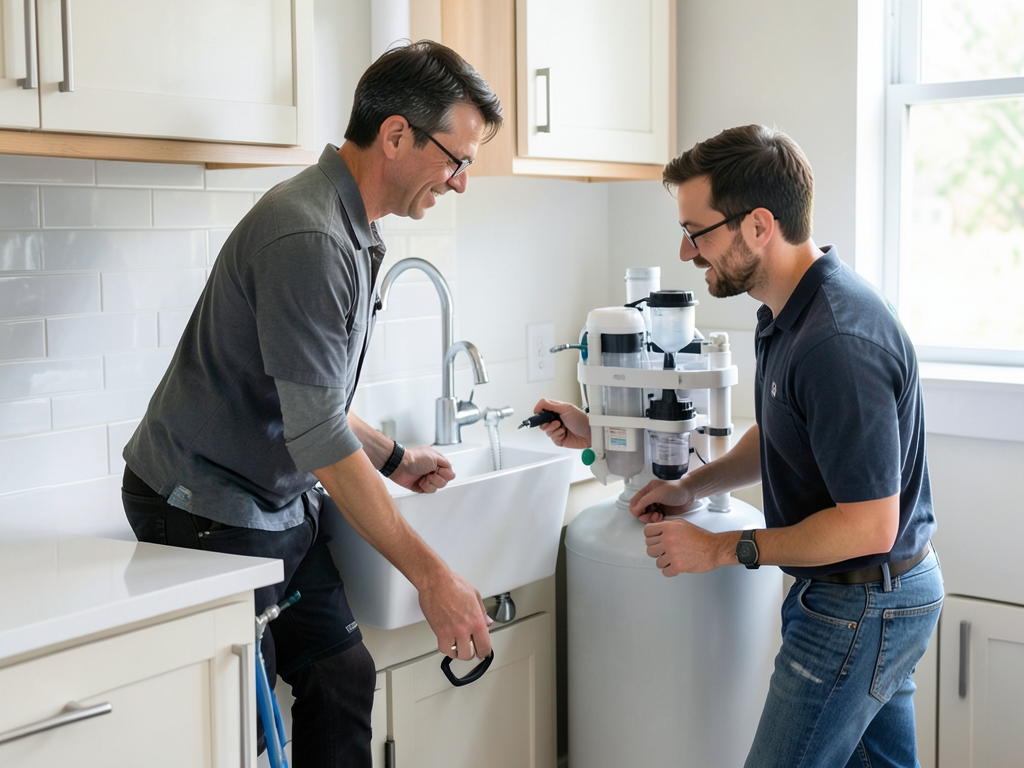
A technician installs an under-sink reverse osmosis system in a Liberty kitchen, showing the dedicated faucet, storage tank, and filter manifold configuration.
Whole House Filtration Systems for Liberty Properties
Whole house filtration systems connect to the main water line where it enters your Liberty home. These point-of-entry systems treat all water before it reaches any fixture, providing filtered water for drinking, bathing, laundry, and appliances. The most common setup uses a multi-stage approach with sediment and carbon filters housed in a single unit.
Carbon filtration removes chlorine, volatile organic compounds, and improves taste and odor throughout the house. Sediment filters catch rust, sand, and other particles that cause cloudy water or damage appliances. Some Liberty homeowners add water softening capabilities to address the high mineral content that causes scale buildup on fixtures and inside pipes.
Installation typically occurs in the basement or utility area near the main water shutoff. The system requires minimal maintenance, with filter changes needed every 6-12 months depending on water usage and sediment levels. Liberty’s water quality reports indicate that a standard carbon filter lasts about 9 months in most homes before efficiency drops. Keep Your Olathe Basement Dry with Reliable Sump Pump Repair and Maintenance.
Whole house systems protect plumbing infrastructure by preventing scale accumulation in pipes and water heaters. This extends the life of water-using appliances and maintains water pressure by keeping pipes clear. The initial investment ranges from $1,200 to $3,500 installed, with annual maintenance costs around $100-150 for filter replacements.
Comparing RO and Whole House Systems for Liberty Water Issues
The fundamental difference between these systems lies in their purpose and scope. Reverse osmosis provides maximum purification for drinking water at one location, while whole house filtration provides moderate improvement for all water uses. Understanding your specific water quality concerns helps determine which approach delivers the best value.
Liberty’s water quality data reveals that while municipal treatment removes most harmful contaminants, residual chlorine and minerals remain. RO systems remove up to 99% of these remaining substances, producing water that rivals bottled quality. Whole house systems typically reduce chlorine by 80-90% and trap larger particles but cannot achieve the same level of purification.
Cost comparison shows significant differences in both initial investment and ongoing expenses. A quality RO system costs $400-600 for equipment plus $200-300 for installation. Whole house systems require $1,200-3,500 upfront with similar installation costs. However, whole house systems protect expensive appliances like water heaters and washing machines from scale damage, potentially saving thousands in replacement costs over time.
Water pressure impact varies between systems. RO units reduce pressure at the dedicated faucet by about 30-40%, which is usually not noticeable for drinking water use. Whole house systems cause minimal pressure drop when properly sized, typically less than 5 psi, making them suitable for simultaneous use of multiple fixtures.
| Feature | Reverse Osmosis | Whole House Filtration |
|---|---|---|
| Installation Cost | $600-900 | $2,000-4,000 |
| Annual Maintenance | $150-200 | $100-150 |
| Contaminants Removed | 99% of dissolved solids | 80-90% of chlorine, sediment |
| Water Pressure Impact | 30-40% at faucet | <5 psi throughout house |
| Best For | Drinking/cooking water | Whole home protection |
Liberty’s Specific Water Quality Factors
Liberty’s location along the Missouri River means water quality fluctuates seasonally. Spring runoff brings higher sediment levels, while summer heat can concentrate mineral content. The Liberty Municipal Utilities conducts regular testing and publishes annual water quality reports showing that while water meets all EPA standards, many residents notice taste and odor issues. EPA Drinking Water Standards.
The city’s water treatment process uses chloramines rather than free chlorine, which provides longer-lasting disinfection but creates different taste characteristics. Some residents report a slight medicinal taste from chloramines that carbon filtration can reduce but not eliminate entirely. This makes RO systems particularly effective for improving Liberty’s specific water profile.
Older neighborhoods in Liberty, particularly near historic downtown, often have galvanized steel supply lines that corrode internally over time. This releases rust particles and can cause brown water during pressure changes. A whole house sediment filter addresses this issue by trapping particles before they reach fixtures, while RO systems include sediment pre-filters that handle this at the point of use.
Liberty’s water hardness of 10-15 grains per gallon causes scale buildup that reduces water heater efficiency by up to 30% over time. While RO systems don’t address hardness, whole house systems can include water softeners that prevent scale formation. This protection extends appliance life and maintains water pressure throughout the home.
Installation Requirements and Local Codes
Liberty follows Clay County plumbing codes, which require permits for whole house filtration system installations. The permit process ensures proper backflow prevention and verifies that the system won’t create cross-connection hazards. RO systems typically don’t require permits since they’re considered point-of-use appliances, but whole house systems need inspection to confirm compliance.
Installation location affects system performance and maintenance access. Whole house systems need a dry, accessible location near the main water line, typically in a basement or utility closet. The area must maintain temperatures above freezing to prevent pipe damage. RO systems require cabinet space under the sink and access to a drain line for wastewater discharge.
Backflow prevention represents a critical safety requirement for whole house systems. Clay County Code Section 15-9-30 mandates that any water treatment system capable of introducing contaminants must include approved backflow prevention devices. This prevents treated water from flowing backward into the municipal supply if pressure drops occur.
Wastewater handling presents another consideration for RO systems. These units discharge 2-3 gallons of concentrated waste for every gallon of purified water produced. Liberty’s sewer system can handle this additional flow, but homeowners should ensure proper drainage to prevent backups or flooding in the cabinet area. Fix Your Overland Park Sewer Line Without Digging Up Your Entire Yard.
Maintenance Requirements for Liberty Homes
Regular maintenance keeps both system types functioning properly and ensures water quality. RO systems require more frequent attention, with pre-filters needing replacement every 6-12 months depending on sediment levels in your Liberty water supply. The membrane lasts 2-3 years but may need earlier replacement if water quality deteriorates or usage increases.
Whole house systems need less frequent maintenance but larger filter changes. The main carbon and sediment filters typically last 9-12 months in Liberty’s water conditions. Some systems include pressure gauges that indicate when filters need replacement based on flow reduction rather than calendar time. This approach accounts for seasonal variations in sediment levels from Missouri River sources.
Sanitization represents an important maintenance step for RO systems. The storage tank and lines can develop bacterial growth over time, especially in Liberty’s humid summers. Annual sanitization with food-grade hydrogen peroxide or a specialized cleaning solution prevents contamination and maintains water taste quality.
Leak detection and prevention help avoid water damage. Both system types include connections that can develop leaks over time. RO systems have more potential failure points due to the multiple fittings and tubing connections. Installing a leak detector near the system provides early warning of developing problems before significant damage occurs.
Cost Analysis for Liberty Homeowners
Initial investment represents the most obvious cost difference between these systems. RO systems require $600-900 total for equipment and installation, while whole house systems need $2,000-4,000. However, the total cost of ownership over five years tells a more complete story about which system provides better value.
RO systems cost approximately $450-550 annually including filter replacements and occasional membrane changes. Whole house systems run about $250-350 yearly for filter changes and minor maintenance. The lower annual cost of whole house systems partially offsets their higher initial investment, especially when considering the protection they provide to expensive appliances.
Energy efficiency impacts long-term costs. Scale buildup from hard water forces water heaters to use more energy to achieve the same temperature. A whole house system with water softening capabilities can reduce water heating costs by 15-20% annually. This savings alone can offset the system’s operating costs over time.
Appliance longevity represents another cost factor. Hard water scale damages water heaters, dishwashers, and washing machines, reducing their lifespan by 2-5 years. The cost of replacing these appliances prematurely often exceeds the price difference between RO and whole house systems, making comprehensive filtration more economical long-term.
Frequently Asked Questions
Does reverse osmosis waste a lot of water?
Traditional RO systems do waste water, typically 2-3 gallons for every gallon of purified water. However, newer high-efficiency models reduce this ratio to 1:1 or even produce slightly more purified water than waste. The wastewater contains concentrated minerals and contaminants that would otherwise enter your body, making the trade-off worthwhile for many Liberty residents concerned about water quality.
Will a whole house filter fix my white scale buildup?
Standard whole house carbon filters remove chlorine and improve taste but do not address water hardness that causes scale. To eliminate scale, you need a water softener component or a salt-free scale prevention system. Some Liberty homeowners install both a whole house filter for chlorine removal and a separate water softener to address hardness issues comprehensively.
Can I install both an RO system and whole house filtration?
Yes, many Liberty homeowners choose this combination approach. A whole house system provides basic filtration and scale prevention for all water uses, while an under-sink RO unit delivers ultra-pure drinking water. This setup addresses both the broad protection needs and the desire for the highest quality drinking water, though it requires a larger initial investment of $2,500-4,500 total.
How long does installation take for each system?
RO system installation typically requires 2-3 hours for a qualified plumber to complete, including mounting the faucet, connecting the storage tank, and running drain lines. Whole house system installation takes 4-6 hours due to the main water line connection, backflow prevention device installation, and system programming. Both installations cause minimal water service interruption, usually less than one hour.
Making the Right Choice for Your Liberty Home
The decision between RO and whole house filtration depends on your specific water quality concerns and household needs. If your primary goal involves better tasting drinking water and removal of specific contaminants like lead or fluoride, an RO system provides the most cost-effective solution. The system’s ability to remove up to 99% of dissolved solids makes it ideal for families concerned about water purity.
Whole house filtration makes more sense when you need comprehensive water quality improvement throughout your home. If you notice scale buildup on fixtures, dry skin after showers, or want to protect expensive appliances from hard water damage, the broader protection justifies the higher initial cost. Liberty’s hard water conditions make whole house systems particularly valuable for long-term plumbing protection.
Consider your household size and water usage patterns. A family of four using 12,000+ gallons monthly may find whole house filtration more economical due to reduced scale damage and lower per-gallon filtration costs. Smaller households or those primarily concerned with drinking water quality often prefer the lower initial investment of an RO system.
Budget constraints play a significant role in the decision. While whole house systems cost more upfront, they provide protection for your entire plumbing system and appliances. RO systems offer an affordable entry point to improved water quality with the option to upgrade to whole house filtration later as budget allows. Upgrade Your Prairie Village Home with a Professional Low-Flow Toilet Installation.
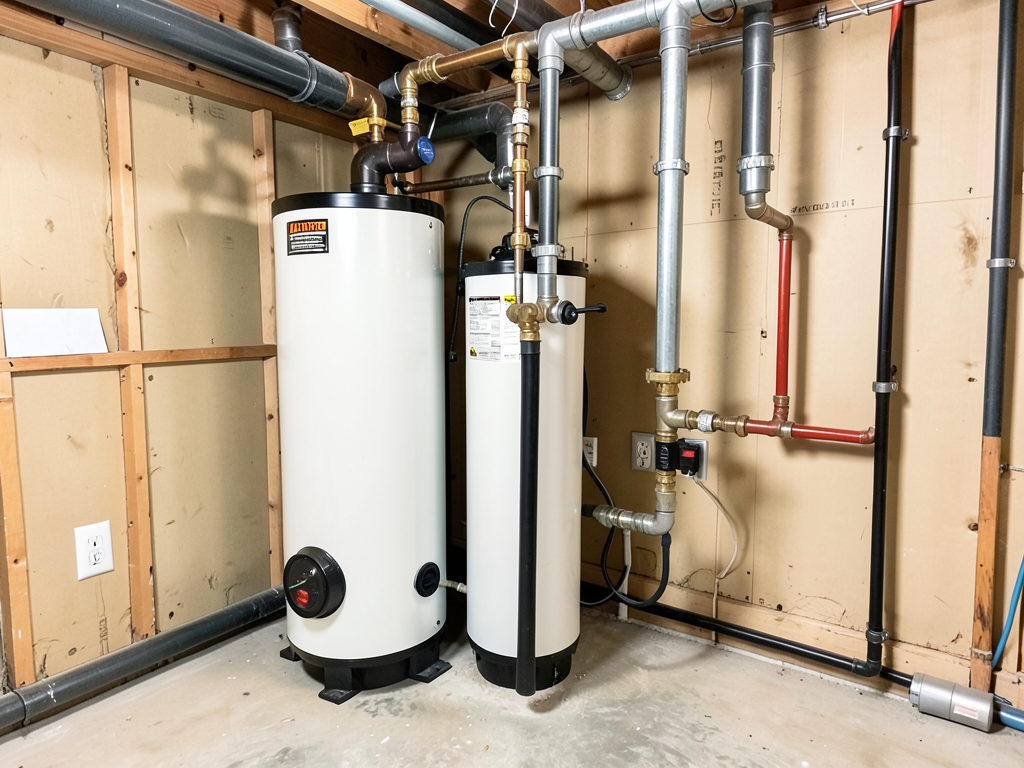
A whole house water filtration system installed in a Liberty basement utility area, showing the main filter housing, bypass valve, and connection to the home’s main water line.
Local Service and Support in Liberty
Liberty residents benefit from local plumbing professionals familiar with the area’s specific water quality challenges. The Missouri River’s influence creates unique conditions that require understanding of seasonal variations in sediment and mineral content. Local technicians can test your water quality and recommend systems sized appropriately for Liberty’s water pressure and hardness levels. Solving the Unique Plumbing Problems Common in Older Brookside and Waldo Homes.
Service availability matters when maintenance or repairs become necessary. Local providers can typically respond within 24 hours for emergency service, while out-of-area companies may require longer wait times. Liberty’s proximity to Kansas City means access to qualified technicians who understand both local codes and the specific requirements of RO and whole house systems.
Warranty considerations vary by manufacturer and installer. Many Liberty residents prefer working with local companies that provide installation warranties in addition to manufacturer coverage. This dual protection ensures that both the equipment and the installation quality are guaranteed, providing peace of mind for this significant home investment.
Water quality testing services help determine which system best addresses your specific concerns. Local providers can test for chlorine levels, hardness, pH, and specific contaminants like lead or iron that may be present in Liberty’s water supply. This testing eliminates guesswork and ensures you invest in the right solution for your actual water quality issues.
Environmental Considerations
Water conservation plays an increasing role in filtration system selection. Traditional RO systems waste significant water, which concerns environmentally conscious Liberty residents. However, the reduction in bottled water consumption often offsets this waste, as a single RO system can eliminate hundreds of plastic bottles annually from local landfills.
Filter disposal presents another environmental consideration. Both RO and whole house systems produce used filters that require proper disposal. Many filter manufacturers now offer recycling programs for used cartridges, reducing landfill impact. Liberty residents should inquire about recycling options when selecting their filtration system to minimize environmental footprint.
Energy consumption varies between system types. RO systems require electricity only for the storage tank’s automatic shutoff valve, resulting in minimal energy use. Whole house systems with water softeners need periodic regeneration cycles that consume water and salt, though modern demand-initiated softeners reduce this impact significantly compared to older timer-based models.
Long-term sustainability involves considering the full lifecycle of your filtration system. While RO systems produce wastewater, they also extend the life of appliances and reduce bottled water consumption. Whole house systems protect infrastructure and reduce the need for harsh cleaning chemicals required to remove scale, creating environmental benefits that offset their higher resource consumption.
A technician performs water quality testing in a Liberty home, using a digital meter to measure total dissolved solids and chlorine levels before recommending a filtration solution.
Call for Your Free Water Quality Assessment
Understanding your specific water quality issues is the first step toward choosing the right filtration system. Liberty’s water conditions vary by neighborhood and even by street, making generalized recommendations less effective than personalized assessments. A professional water test reveals exactly what contaminants are present and in what concentrations, allowing for targeted system selection.
Local water quality experts can test for the specific issues affecting Liberty homes, including chlorine levels, hardness, pH balance, and potential contaminants like lead or iron. This testing typically takes 15-20 minutes and provides immediate results, giving you the information needed to make an informed decision about your water treatment investment.
During your assessment, technicians can also evaluate your home’s plumbing configuration, water pressure, and available installation space. This evaluation ensures that any recommended system will integrate properly with your existing infrastructure and provide optimal performance. The assessment includes a detailed cost analysis showing both initial investment and long-term operating expenses.
Don’t wait until water quality issues cause damage to your plumbing or affect your family’s health. Call (816) 473-9233 today to schedule your free water quality assessment. Our Liberty-based team understands the specific challenges facing local homeowners and can recommend the most effective solution for your needs and budget.
Whether you need pure drinking water from an RO system or comprehensive whole house protection, we have the expertise to install and maintain the right system for your Liberty home. Contact us now to take the first step toward better water quality and peace of mind.
Pick up the phone and call (816) 473-9233 before the next water quality issue affects your home. Our team is ready to help Liberty residents enjoy clean, safe water throughout their entire house.
Additional Resources for Liberty Homeowners
The Liberty Municipal Utilities website provides current water quality reports and information about the city’s treatment processes. Understanding how your water is treated helps in selecting the right filtration approach. The site also includes contact information for water quality questions and emergency services.
Local hardware stores in Liberty carry basic filtration supplies and replacement filters, but professional installation ensures proper system function and warranty protection. Many homeowners find that while DIY installation seems cost-effective initially, professional installation prevents common problems that can void warranties or cause system failures.
Online water quality databases maintained by the Environmental Protection Agency provide historical data about Liberty’s water quality trends. This information helps in understanding seasonal variations and long-term changes that might affect your filtration needs. The data shows that while water consistently meets safety standards, taste and odor issues persist for many residents.
Community forums and neighborhood groups often share experiences about local water quality and filtration solutions. Liberty residents frequently discuss which systems work best for their specific water conditions and which local installers provide the best service. This peer feedback can be valuable when researching your options.
Manufacturer websites for major filtration brands provide detailed specifications and comparison tools to help narrow your choices. However, local conditions in Liberty may require adjustments to standard recommendations, making professional consultation valuable even after initial online research.
Remember that water quality directly impacts your family’s health, your home’s value, and your quality of life. Investing in the right filtration system protects these important aspects while potentially saving money on appliance replacements and bottled water purchases over time.
Take action today by calling (816) 473-9233 for your comprehensive water quality assessment. Our Liberty experts are ready to help you achieve the clean, safe water your family deserves.
Don’t let another day pass with water quality issues affecting your home. Call (816) 473-9233 now and speak with a local professional who understands Liberty’s specific water challenges and can recommend the perfect solution for your needs.
Your journey to better water quality starts with a simple phone call. Contact us at (816) 473-9233 and discover how affordable clean, great-tasting water can be for your Liberty home. For more information, visit CDC Water Treatment Information.
{
“@context”: “https://schema.org”,
“@type”: “BlogPosting”,
“headline”: “Reverse Osmosis vs Whole House Filtration — Finding the Right Pure Water Solution in Liberty”,
“description”: “Compare RO vs whole house filtration for Liberty homes. Learn about local water quality, costs, and which system removes lead, chlorine, and scale. Call (816) 473-9233.”,
“wordCount”: 3373,
“datePublished”: “2026-04-13T12:53:00.000Z”,
“dateModified”: “2026-04-13T12:53:00.000Z”,
“inLanguage”: “en-US”,
“mainEntityOfPage”: {
“@type”: “WebPage”,
“@id”: “https://silverlineplumbingkansascity.com”
},
“publisher”: {
“@type”: “LocalBusiness”,
“name”: “Silverline Plumbing Kansas City”,
“url”: “https://silverlineplumbingkansascity.com”
},
“author”: {
“@type”: “Organization”,
“name”: “Silverline Plumbing Kansas City”,
“url”: “https://silverlineplumbingkansascity.com”
},
“image”: {
“@type”: “ImageObject”,
“url”: “https://silverlineplumbingkansascity.com/wp-content/uploads/2026/03/reverse-osmosis-vs-whole-house-filtration-finding-1.png”
}
}
{
“@context”: “https://schema.org”,
“@type”: “Plumber”,
“name”: “Silverline Plumbing Kansas City”,
“url”: “https://silverlineplumbingkansascity.com”,
“address”: {
“@type”: “PostalAddress”,
“addressLocality”: “Kansas City”
},
“areaServed”: {
“@type”: “City”,
“name”: “Kansas City”
}
}
{
“@context”: “https://schema.org”,
“@type”: “FAQPage”,
“mainEntity”: [
{
“@type”: “Question”,
“name”: “Does reverse osmosis waste a lot of water?”,
“acceptedAnswer”: {
“@type”: “Answer”,
“text”: “Traditional RO systems do waste water, typically 2-3 gallons for every gallon of purified water. However, newer high-efficiency models reduce this ratio to 1:1 or even produce slightly more purified water than waste. The wastewater contains concentrated minerals and contaminants that would otherwise enter your body, making the trade-off worthwhile for many Liberty residents concerned about water quality.”
}
},
{
“@type”: “Question”,
“name”: “Will a whole house filter fix my white scale buildup?”,
“acceptedAnswer”: {
“@type”: “Answer”,
“text”: “Standard whole house carbon filters remove chlorine and improve taste but do not address water hardness that causes scale. To eliminate scale, you need a water softener component or a salt-free scale prevention system. Some Liberty homeowners install both a whole house filter for chlorine removal and a separate water softener to address hardness issues comprehensively.”
}
},
{
“@type”: “Question”,
“name”: “Can I install both an RO system and whole house filtration?”,
“acceptedAnswer”: {
“@type”: “Answer”,
“text”: “Yes, many Liberty homeowners choose this combination approach. A whole house system provides basic filtration and scale prevention for all water uses, while an under-sink RO unit delivers ultra-pure drinking water. This setup addresses both the broad protection needs and the desire for the highest quality drinking water, though it requires a larger initial investment of $2,500-4,500 total.”
}
},
{
“@type”: “Question”,
“name”: “How long does installation take for each system?”,
“acceptedAnswer”: {
“@type”: “Answer”,
“text”: “RO system installation typically requires 2-3 hours for a qualified plumber to complete, including mounting the faucet, connecting the storage tank, and running drain lines. Whole house system installation takes 4-6 hours due to the main water line connection, backflow prevention device installation, and system programming. Both installations cause minimal water service interruption, usually less than one hour.”
}
}
]
}
{
“@context”: “https://schema.org”,
“@type”: “BreadcrumbList”,
“itemListElement”: [
{
“@type”: “ListItem”,
“position”: 1,
“name”: “Home”,
“item”: “https://silverlineplumbingkansascity.com”
},
{
“@type”: “ListItem”,
“position”: 2,
“name”: “Blog”,
“item”: “https://silverlineplumbingkansascity.com/blog”
},
{
“@type”: “ListItem”,
“position”: 3,
“name”: “Reverse Osmosis vs Whole House Filtration — Finding the Right Pure Water Solution in Liberty”
}
]
}
{
“@context”: “https://schema.org”,
“@type”: “Service”,
“serviceType”: “Plumbing”,
“provider”: {
“@type”: “LocalBusiness”,
“name”: “Silverline Plumbing Kansas City”,
“url”: “https://silverlineplumbingkansascity.com”
},
“areaServed”: {
“@type”: “City”,
“name”: “Kansas City”
},
“description”: “Compare RO vs whole house filtration for Liberty homes. Learn about local water quality, costs, and which system removes lead, chlorine, and scale. Call (816) 473-9233.”
}