
The hidden history of Westside plumbing and why your drains might be made of orangeburg
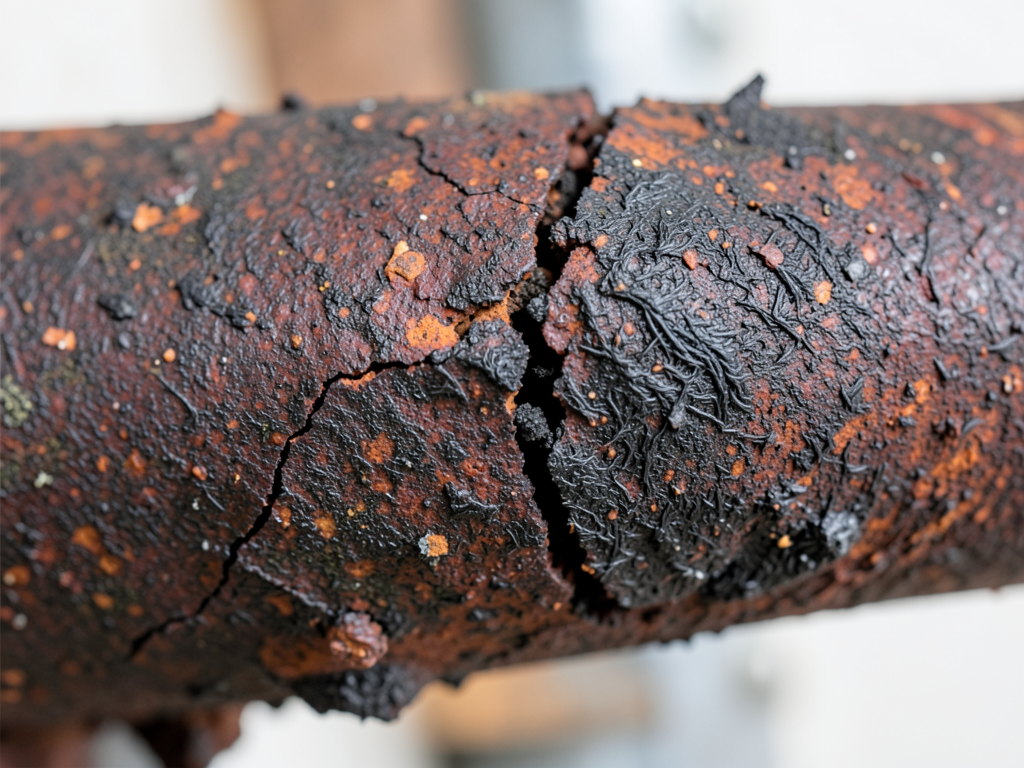
Westside homeowners built between 1945 and 1972 may have a ticking time bomb buried beneath their lawns. Orangeburg pipes, a fiber-based sewer material once marketed as “no-corrode,” are now collapsing across Kansas City’s historic neighborhoods. These pipes, made from wood pulp and coal tar pitch, were installed when the area was booming with post-war construction. Today, they’re reaching the end of their 30- to 50-year lifespan, and Kansas City’s expansive clay soil is accelerating their failure. Fix Your Overland Park Sewer Line Without Digging Up Your Entire Yard.
The problem is especially severe in Westside because of the area’s unique soil composition. Missouri clay expands and contracts with moisture changes, putting tremendous pressure on the already fragile fiber material. When these pipes fail, they create slow drains, sewage backups, and yard sinkholes that can cost thousands to repair. EPA sewer system guidelines.
What makes Orangeburg pipes different from modern materials?
Unlike PVC or cast iron, Orangeburg pipes are made from layers of wood pulp sealed with coal tar pitch. They were lightweight and inexpensive to install, which made them popular during Kansas City’s housing boom. However, the material has several critical weaknesses that modern materials don’t share.
The pipes are susceptible to “ovaling,” where the circular cross-section becomes flattened under soil pressure. They also absorb moisture, which causes the wood fibers to swell and the coal tar to soften. Tree roots can easily penetrate the material, and once inside, they expand and cause blockages.
Modern PVC pipes, by contrast, maintain their shape under pressure and resist root intrusion. They also have smooth interiors that prevent waste buildup and allow for easier cleaning with hydro-jetting equipment.
Comparison of Pipe Materials
| Material | Lifespan | Root Resistance | Soil Pressure Tolerance |
|---|---|---|---|
| Orangeburg | 30-50 years | Poor | Very Poor |
| PVC | 100+ years | Excellent | Excellent |
| Cast Iron | 80-100 years | Good | Good |
How to identify Orangeburg pipes in your Westside home
Identifying Orangeburg pipes requires some detective work. The first clue is your home’s age. If your house in the Westside area was built between 1945 and 1972, there’s a high probability Orangeburg was used for the sewer lateral.. Read more about Identifying That Mysterious Sewer Smell in Your Blue Springs Garage.
Look for these warning signs: slow drains throughout the house, recurring sewer backups, soggy patches in your yard that smell like sewage, or visible indentations in your lawn where the pipe has collapsed. You might also notice your toilets gurgling when other fixtures are used. DIY vs. Professional Drain Cleaning.
The most definitive test is a sewer camera inspection. A licensed plumber can feed a camera through your sewer line and identify the pipe material. Orangeburg pipes appear dark and fibrous on camera, often with visible cracks or deformation.
During an inspection, we also check for “offsets” where pipe sections have separated, and we measure the degree of ovaling. A pipe that’s more than 15% out of round is considered severely compromised and needs replacement.
Why Kansas City’s clay soil is destroying Orangeburg pipes
Missouri’s clay soil is notorious for its expansive properties. When it gets wet, it swells dramatically. When it dries, it shrinks and cracks. This constant movement puts stress on underground pipes, but Orangeburg is particularly vulnerable because of its fiber-based construction.
The soil in Westside, near the Missouri River valley, tends to hold moisture longer than other areas. This creates a perfect storm for Orangeburg failure: the pipes stay wet, the wood fibers absorb water, and the coal tar coating becomes soft and pliable.
Temperature changes compound the problem. Kansas City experiences freeze-thaw cycles that cause the soil to shift seasonally. Each cycle puts additional stress on the already weakened pipes, accelerating their deterioration.
Local building codes now require PVC or approved alternatives for all new sewer installations. The Kansas City, Missouri, plumbing code (Section 701.4) mandates that sewer laterals must be able to withstand soil pressure and resist root intrusion, standards that Orangeburg cannot meet. Plumbing Gladstone.
Westside Soil Characteristics
| Soil Type | Expansion Rate | Moisture Retention | Impact on Orangeburg |
|---|---|---|---|
| Missouri Clay | High | High | Severe |
| Sandy Loam | Low | Low | Minimal |
| Loamy Clay | Moderate | Moderate | Moderate |
Replacement options for failing Orangeburg pipes
When Orangeburg pipes fail, homeowners have two main replacement options: traditional excavation or trenchless pipe bursting. Each method has advantages depending on your specific situation.
Traditional excavation involves digging a trench from your house to the street to remove the old pipe and install new PVC. This method is straightforward and allows for inspection of the surrounding soil and any other underground utilities. However, it’s disruptive to landscaping and can be expensive if you have mature trees or extensive hardscaping.. Read more about How the beautiful old trees in Hyde Park could be destroying your underground sewer line.
Trenchless pipe bursting is a newer technology that pulls a bursting head through the existing pipe, breaking it apart while simultaneously pulling the new pipe behind it. This method requires only two small access holes and can often be completed in a single day. It’s ideal for properties with established landscaping or when minimizing disruption is a priority.
The cost difference between methods varies, but trenchless typically costs 20-30% more upfront. However, when you factor in landscape restoration and the speed of completion, the total project cost is often similar.
Replacement Method Comparison
| Method | Duration | Landscape Impact | Typical Cost Range |
|---|---|---|---|
| Traditional Excavation | 2-5 days | High | $4,000-$8,000 |
| Trenchless Bursting | 1-2 days | Low | $5,000-$9,000 |
Real estate implications of Orangeburg pipes
Orangeburg pipes can significantly impact your home’s marketability and value. Many buyers now require sewer scope inspections as part of their due diligence, and discovering Orangeburg can derail a sale or become a major negotiation point.
In Westside, where many homes are historic and desirable, the presence of Orangeburg pipes can reduce a home’s value by $5,000 to $15,000 or more. Some buyers will walk away entirely rather than deal with the replacement cost and hassle.
Insurance companies are also becoming wary of Orangeburg pipes. Some carriers may refuse coverage or charge higher premiums for homes with known fiber pipes. Others may require documentation of replacement before issuing a policy.
If you’re selling a home with Orangeburg pipes, consider replacing them before listing. The cost of replacement is often less than the reduction in sale price you’ll face, and it makes your home more attractive to buyers who don’t want to deal with immediate repairs.
Emergency signs that require immediate attention
Some Orangeburg pipe failures constitute plumbing emergencies that need immediate professional attention. If you notice any of these signs, don’t wait for a scheduled inspection.. Read more about A plumbing checklist for every homeowner buying an older property in South Kansas City.
Raw sewage backing up into your home is the most obvious emergency. This typically happens when the pipe collapses completely or becomes blocked by roots. The backup will usually occur at the lowest drain in your home, often a basement floor drain or the main house trap. Keep Your Olathe Basement Dry with Reliable Sump Pump Repair and Maintenance.
Sudden yard sinkholes or depressions can indicate a collapsed pipe that’s allowing soil to wash away. These can be dangerous, especially if they appear near walkways or where children play.
Multiple fixtures backing up simultaneously suggests a main sewer line problem rather than an isolated drain clog. If your toilets, sinks, and showers all drain slowly or back up at once, your Orangeburg lateral may be failing.
Unusual plumbing sounds, like gurgling or bubbling when fixtures drain, can indicate air trapped in the system due to partial pipe collapse. These sounds often precede complete failure.
If you experience any of these emergency signs, call (816) 473-9233 immediately. We offer 24/7 emergency service for sewer line failures and can often diagnose the problem within an hour of arrival.
Preventive maintenance for Orangeburg pipes
If you haven’t experienced complete failure yet, there are steps you can take to extend the life of your Orangeburg pipes and prevent emergencies. Regular maintenance can add years to the system’s lifespan.
Annual sewer camera inspections can catch problems early when they’re less expensive to fix. We look for early signs of root intrusion, pipe deformation, and joint separation. Early detection often means spot repairs rather than complete replacement.
Root treatment can help prevent the most common cause of Orangeburg failure. We apply copper sulfate crystals or foaming root killers that kill existing roots and prevent new growth for 6-12 months. This treatment is especially important if you have large trees near your sewer line.
Proper drain use habits can reduce stress on your pipes. Avoid flushing anything other than human waste and toilet paper. Even “flushable” wipes don’t break down properly in Orangeburg pipes and can cause blockages.
Hydro-jetting should never be used on Orangeburg pipes. The high-pressure water can destroy the already fragile material. If you need cleaning, we use a specialized auger with a camera to gently remove blockages without damaging the pipe.
Frequently Asked Questions
How long do Orangeburg pipes typically last in Kansas City?
Orangeburg pipes in Kansas City typically last 30 to 50 years, but the city’s clay soil and freeze-thaw cycles often reduce that to 25-40 years. Most pipes installed during the 1950s and 1960s are now at or past their expected lifespan.
Can I repair just a section of my Orangeburg pipe?
Spot repairs on Orangeburg pipes are rarely cost-effective. Because the material has a uniform failure pattern, replacing one section often means the adjacent sections will fail soon after. Most professionals recommend full replacement once problems appear.
Does homeowners insurance cover Orangeburg pipe replacement?
Most standard homeowners policies don’t cover sewer line replacement due to age or wear. Some policies may cover damage if the failure is sudden and caused by a covered peril like a tree root from a neighbor’s property. Check your specific policy details.
How much does it cost to replace Orangeburg pipes in Westside?
Replacement costs in Westside typically range from $4,000 to $12,000 depending on the method chosen, pipe length, and landscaping complexity. Trenchless replacement tends to be at the higher end but minimizes restoration costs.
Should I replace Orangeburg pipes before selling my home?
If you’re planning to sell within the next few years, replacing Orangeburg pipes first is often the smartest financial decision. The replacement cost is usually less than the reduction in sale price you’ll face, and it makes your home more attractive to buyers.
Call (816) 473-9233 today to schedule your inspection
Don’t wait for a sewage backup to discover your Orangeburg pipes have failed. Our experienced technicians can inspect your sewer line, identify problems early, and recommend the most cost-effective solution for your situation.
We serve all of Kansas City’s historic neighborhoods, including Westside, and understand the unique challenges these older homes present. Our sewer camera inspections include a complete video of your pipe’s condition, and we provide honest recommendations without pressure. Solving the Unique Plumbing Problems Common in Older Brookside and Waldo Homes.
Call (816) 473-9233 today to schedule your inspection. Early detection can save you thousands in emergency repairs and prevent the inconvenience of sewage backups in your home.
Pick up the phone and call (816) 473-9233 before the next storm hits. Kansas City’s clay soil is already putting stress on your pipes, and we can help you avoid a plumbing emergency.
Don’t let Orangeburg pipes become your worst nightmare. Call (816) 473-9233 now for peace of mind and professional service you can trust. For more information, visit ASSE plumbing standards.
{
“@context”: “https://schema.org”,
“@type”: “BlogPosting”,
“headline”: “The hidden history of Westside plumbing and why your drains might be made of orangeburg”,
“description”: “Discover why Orangeburg pipes in Kansas City’s Westside neighborhoods are failing after 50 years and what it means for your home’s sewer system.”,
“wordCount”: 1885,
“datePublished”: “2026-05-04T12:10:00.000Z”,
“dateModified”: “2026-05-04T12:10:00.000Z”,
“inLanguage”: “en-US”,
“mainEntityOfPage”: {
“@type”: “WebPage”,
“@id”: “https://silverlineplumbingkansascity.com”
},
“publisher”: {
“@type”: “LocalBusiness”,
“name”: “Silverline Plumbing Kansas City”,
“url”: “https://silverlineplumbingkansascity.com”
},
“author”: {
“@type”: “Organization”,
“name”: “Silverline Plumbing Kansas City”,
“url”: “https://silverlineplumbingkansascity.com”
},
“image”: {
“@type”: “ImageObject”,
“url”: “https://silverlineplumbingkansascity.com/wp-content/uploads/2026/03/the-hidden-history-of-westside-plumbing-and-why-yo-1.png”
}
}
{
“@context”: “https://schema.org”,
“@type”: “Plumber”,
“name”: “Silverline Plumbing Kansas City”,
“url”: “https://silverlineplumbingkansascity.com”,
“address”: {
“@type”: “PostalAddress”,
“addressLocality”: “Kansas City”
},
“areaServed”: {
“@type”: “City”,
“name”: “Kansas City”
}
}
{
“@context”: “https://schema.org”,
“@type”: “FAQPage”,
“mainEntity”: [
{
“@type”: “Question”,
“name”: “What makes Orangeburg pipes different from modern materials?”,
“acceptedAnswer”: {
“@type”: “Answer”,
“text”: “Unlike PVC or cast iron, Orangeburg pipes are made from layers of wood pulp sealed with coal tar pitch. They were lightweight and inexpensive to install, which made them popular during Kansas City’s housing boom. However, the material has several critical weaknesses that modern materials don’t share.”
}
},
{
“@type”: “Question”,
“name”: “How long do Orangeburg pipes typically last in Kansas City?”,
“acceptedAnswer”: {
“@type”: “Answer”,
“text”: “Orangeburg pipes in Kansas City typically last 30 to 50 years, but the city’s clay soil and freeze-thaw cycles often reduce that to 25-40 years. Most pipes installed during the 1950s and 1960s are now at or past their expected lifespan.”
}
},
{
“@type”: “Question”,
“name”: “Can I repair just a section of my Orangeburg pipe?”,
“acceptedAnswer”: {
“@type”: “Answer”,
“text”: “Spot repairs on Orangeburg pipes are rarely cost-effective. Because the material has a uniform failure pattern, replacing one section often means the adjacent sections will fail soon after. Most professionals recommend full replacement once problems appear.”
}
},
{
“@type”: “Question”,
“name”: “Does homeowners insurance cover Orangeburg pipe replacement?”,
“acceptedAnswer”: {
“@type”: “Answer”,
“text”: “Most standard homeowners policies don’t cover sewer line replacement due to age or wear. Some policies may cover damage if the failure is sudden and caused by a covered peril like a tree root from a neighbor’s property. Check your specific policy details.”
}
},
{
“@type”: “Question”,
“name”: “How much does it cost to replace Orangeburg pipes in Westside?”,
“acceptedAnswer”: {
“@type”: “Answer”,
“text”: “Replacement costs in Westside typically range from $4,000 to $12,000 depending on the method chosen, pipe length, and landscaping complexity. Trenchless replacement tends to be at the higher end but minimizes restoration costs.”
}
},
{
“@type”: “Question”,
“name”: “Should I replace Orangeburg pipes before selling my home?”,
“acceptedAnswer”: {
“@type”: “Answer”,
“text”: “If you’re planning to sell within the next few years, replacing Orangeburg pipes first is often the smartest financial decision. The replacement cost is usually less than the reduction in sale price you’ll face, and it makes your home more attractive to buyers.”
}
}
]
}
{
“@context”: “https://schema.org”,
“@type”: “BreadcrumbList”,
“itemListElement”: [
{
“@type”: “ListItem”,
“position”: 1,
“name”: “Home”,
“item”: “https://silverlineplumbingkansascity.com”
},
{
“@type”: “ListItem”,
“position”: 2,
“name”: “Blog”,
“item”: “https://silverlineplumbingkansascity.com/blog”
},
{
“@type”: “ListItem”,
“position”: 3,
“name”: “The hidden history of Westside plumbing and why your drains might be made of orangeburg”
}
]
}
{
“@context”: “https://schema.org”,
“@type”: “Service”,
“serviceType”: “Plumbing”,
“provider”: {
“@type”: “LocalBusiness”,
“name”: “Silverline Plumbing Kansas City”,
“url”: “https://silverlineplumbingkansascity.com”
},
“areaServed”: {
“@type”: “City”,
“name”: “Kansas City”
},
“description”: “Discover why Orangeburg pipes in Kansas City’s Westside neighborhoods are failing after 50 years and what it means for your home’s sewer system.”
}