
The 5 things you should never put down your Liberty kitchen sink this holiday season
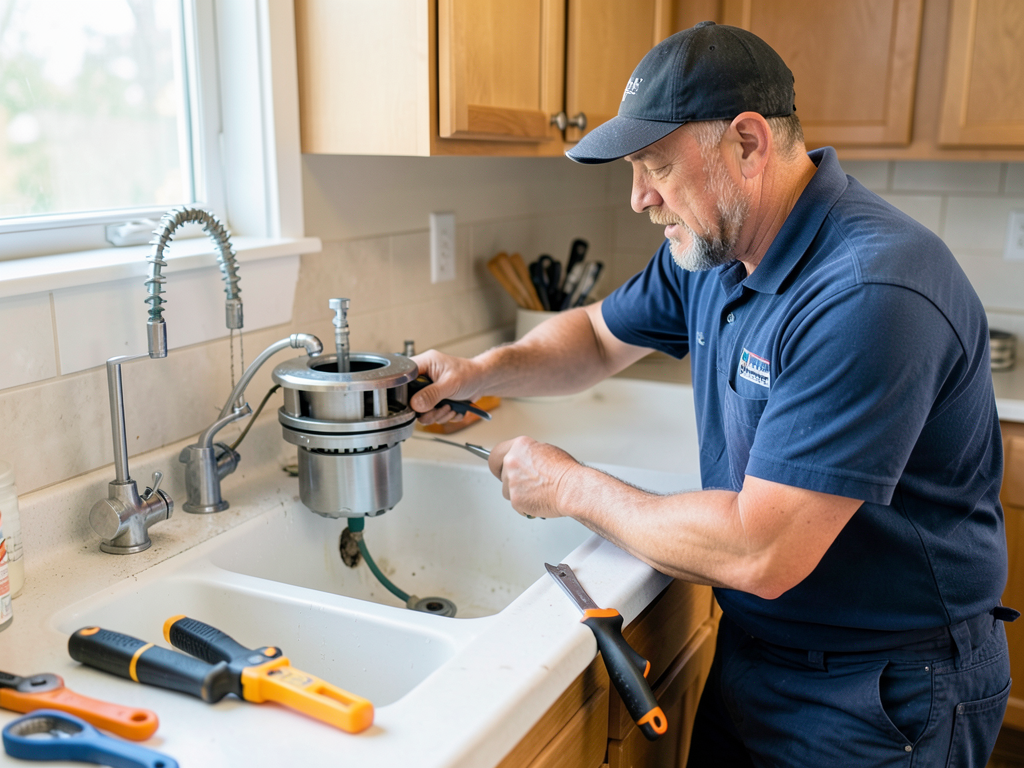
Your Liberty kitchen sink works hard all year, but holiday cooking puts it to the ultimate test. During Thanksgiving and Christmas, garbage disposals across Kansas City face their busiest season, and many homeowners discover too late that their disposal isn’t equipped to handle everything they’re feeding it. The result? Clogged pipes, jammed motors, and emergency plumber calls that ruin holiday gatherings. Kansas City Water Services Department.
Understanding what not to put down your garbage disposal can save you from costly repairs and prevent the frustration of a malfunctioning kitchen during the busiest cooking season of the year. Let’s break down the five most damaging items and why they spell disaster for your plumbing system. EPA guidelines on Fats, Oils, and Grease disposal.
The ‘Big No-No’ List: 10 Items That Kill Your Disposal
While we’re focusing on five critical items, understanding the full scope of disposal dangers helps you make better decisions. Many Liberty homeowners learn about disposal damage the hard way after a holiday dinner gone wrong.
Fats, Oils, and Grease (FOG): The Silent Cloggers
When you pour bacon grease or turkey drippings down the drain, they flow easily as liquids. But as they cool, they solidify into a waxy substance that coats your pipes. Over time, this buildup narrows your drain passages, creating perfect conditions for stubborn clogs that require professional hydro-jetting to remove. DIY vs. Professional Drain Cleaning.
The science is simple: FOG cools and congeals, forming a barrier that traps food particles and creates blockages. In Liberty’s older homes with cast iron pipes, this problem compounds because the rough interior surfaces provide more area for grease to cling to.
Fibrous Vegetables and Stringy Scraps
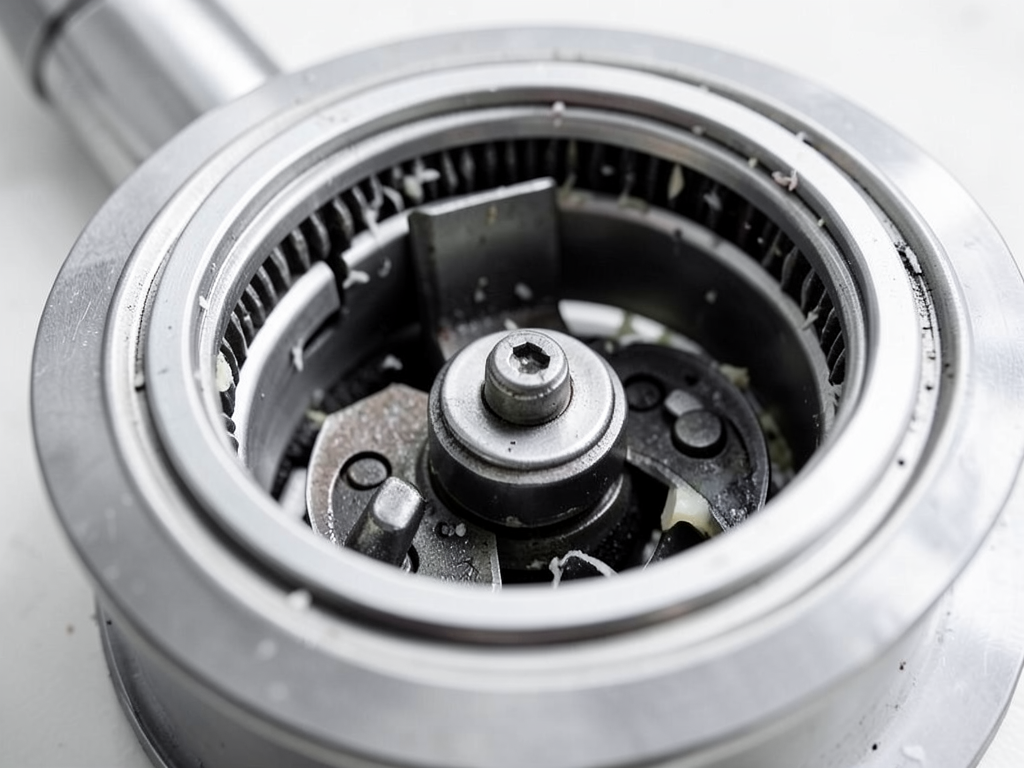
Celery, corn husks, asparagus, and onion skins contain long, tough fibers that wrap around your disposal’s impellers like fishing line. Instead of being chopped up, these fibers tangle and bind the motor, causing it to overheat and potentially burn out.
Liberty’s holiday menus often include dishes with these problematic ingredients. That green bean casserole or creamed corn might seem harmless, but the fibrous remnants can cause serious disposal damage. The impellers aren’t blades—they’re blunt hammers that can’t cut through tough plant fibers.
Expanding Starches: Pasta, Rice, and Bread
Starchy foods absorb water and expand dramatically. When you put spaghetti or rice down your disposal, they continue absorbing water even after grinding. This creates a thick, glue-like paste that coats pipes and disposal components, leading to stubborn blockages.
During holiday cooking, it’s easy to accidentally send pasta water or rice remnants down the drain. The problem compounds because these starches continue expanding inside your pipes, creating pressure that can crack older plumbing connections common in Liberty’s established neighborhoods. Plumbing Gladstone.
Hard Materials: Bones, Fruit Pits, and Seafood Shells
Your disposal’s impellers are designed to grind soft food waste, not crush hard materials. Bones, peach pits, and shrimp shells can damage the grinding ring, bend impellers, or jam the motor completely. The sound of metal-on-bone is your disposal’s way of screaming for help.
Liberty’s proximity to the Missouri River means many homes have disposal units that have been grinding for decades. Adding hard materials to an already aging system is asking for immediate failure. The cost of replacing a disposal motor far exceeds the inconvenience of throwing bones in the trash.
Coffee Grounds and Eggshells: The Myth-Busting Duo
Despite popular belief, coffee grounds don’t clean your disposal—they create sediment that settles in pipes and forms stubborn sludge. Eggshells, while seemingly harmless, have a membrane lining that can wrap around impellers and contribute to buildup.
These items pass through the disposal but cause problems downstream. Coffee grounds mix with grease to create a cement-like substance, while eggshell fragments can combine with other debris to form clogs that require professional removal.
Common Myths: Eggshells and Coffee Grounds
Many Liberty homeowners believe eggshells sharpen disposal blades or that coffee grounds eliminate odors. Neither is true. Disposals don’t have sharp blades—they have blunt impellers that grind food against a stationary grinding ring. Eggshells and coffee grounds actually contribute to the very problems they’re supposed to solve.
The membrane inside eggshells is particularly problematic. It’s a thin, flexible layer that can wrap around moving parts like plastic wrap around a mixer blade. Once wrapped, it’s nearly impossible to remove without disassembling the entire unit.. Read more about The Real Cost and Complexity of Moving a Sink to Your Prairie Village Kitchen Island.
How Kansas City’s Hard Water Impacts Your Kitchen Plumbing
Liberty’s water supply comes from the Missouri River and contains high mineral content, particularly calcium and magnesium. This hard water creates scale buildup inside pipes and on disposal components, reducing efficiency and creating rough surfaces where debris can catch.
When you combine hard water scale with the sticky residues from FOG and starches, you create a perfect storm for clogs. The scale provides a rough surface that traps FOG, while expanding starches fill in the gaps, creating blockages that grow larger over time.
According to the Kansas City Water Services Department, Liberty’s water hardness averages 180-200 parts per million, which is considered very hard. This means your disposal works harder than units in areas with softer water, making proper maintenance even more critical.
Pro Maintenance Tips: Keeping Your Disposal Fresh and Functional
Regular maintenance can extend your disposal’s life and prevent holiday emergencies. Start by running cold water before, during, and after using the disposal. Cold water keeps fats solid so they can be chopped up rather than coating pipes as liquids.
Once a month, grind ice cubes with citrus peels. The ice helps clean the grinding ring while the citrus provides a fresh scent. This isn’t a substitute for proper use, but it can help maintain your unit between professional cleanings.
For Liberty’s hard water conditions, consider installing a water softener. While this is an investment, it protects all your plumbing fixtures and can prevent the scale buildup that makes disposal problems worse.
When to Call a Professional Kansas City Plumber
Some disposal problems require professional attention. If your unit hums but doesn’t spin, the motor might be jammed. If you smell burning electrical odors, the motor could be failing. These aren’t DIY fixes—they require licensed plumbers who understand Liberty’s specific plumbing challenges.
Don’t wait until your disposal completely fails. Strange noises, slow drainage, or persistent odors indicate developing problems that worsen over time. A professional inspection can identify issues before they become emergencies.
Liberty’s older homes, particularly those built before 1980, often have disposal units that are past their expected lifespan. If your unit is over 10 years old and showing signs of trouble, replacement might be more cost-effective than repeated repairs.
Safe Disposal Practices for Holiday Cooking
Holiday cooking generates more food waste than normal meals, but your disposal’s capacity hasn’t changed. Scrape plates thoroughly before rinsing, and use your trash can for questionable items. Keep a small compost bin for vegetable scraps that would otherwise go down the drain.
Educate your holiday guests about proper disposal use. Many disposal emergencies happen when well-meaning visitors try to help with cleanup and unknowingly put harmful items down the drain.
Consider using paper plates or disposable serving ware for large gatherings. This reduces the load on your disposal and prevents accidental damage from items that shouldn’t go down any drain.
Emergency Troubleshooting: The Reset Button
Every garbage disposal has a reset button, usually red and located on the bottom of the unit. If your disposal stops working, it might have tripped due to overload or overheating. Press the reset button and try again.
If the reset button doesn’t solve the problem, check for jams using the disposal wrench that came with your unit. Never put your hand in the disposal, even when it’s off. If you can’t resolve the issue with these steps, it’s time to call a professional.
Liberty’s holiday season is too short to spend dealing with plumbing emergencies. A few simple precautions can keep your kitchen running smoothly while you focus on what matters—spending time with family and friends.
Environmental Impact: What Should Actually Go in the Sewer System
Beyond protecting your plumbing, consider what’s best for Liberty’s municipal water treatment system. FOG, coffee grounds, and other problematic items create extra work for water treatment facilities and can contribute to sewer overflows during heavy rainfall. Fix Your Overland Park Sewer Line Without Digging Up Your Entire Yard.
The Liberty Municipal Utilities Department recommends composting food waste when possible and properly disposing of FOG in sealed containers. These practices protect both your home’s plumbing and the community’s infrastructure.
By making informed choices about what goes down your disposal, you’re contributing to a more sustainable community while protecting your own investment in your home’s plumbing system.
Frequently Asked Questions
Can I put small bones down my garbage disposal?
Small bones from fish or chicken can sometimes pass through disposals without immediate damage, but they still create risks. The grinding process can create tiny bone fragments that contribute to pipe blockages. It’s safer to dispose of all bones in the trash.
How long should I run water when using the disposal?
Run cold water for at least 15-20 seconds before turning on the disposal, continue running it during operation, and keep it running for another 30 seconds after turning off the disposal. This ensures all waste is flushed through the pipes completely.
What’s the best way to clean a smelly disposal?
Avoid chemical cleaners that can damage disposal seals. Instead, use the ice and citrus method mentioned earlier, or try baking soda followed by vinegar. Let the mixture sit for 10 minutes, then flush with hot water while running the disposal.
Should I use hot or cold water with my disposal?
Always use cold water. Hot water can melt fats and grease, allowing them to coat pipes before they cool and solidify farther down the line. Cold water keeps fats solid so they can be chopped up and flushed away.
How do I know if my disposal needs replacement?
Signs include frequent jams, unusual noises, persistent odors despite cleaning, slow drainage even when the disposal runs, and age over 10-12 years. If repair costs approach half the price of a new unit, replacement is usually the better investment.
Can I put potato peels in the garbage disposal?
Potato peels are one of the worst items for garbage disposals. They contain high starch content that creates a thick, glue-like paste when ground up. This paste can coat pipes and disposal components, leading to stubborn clogs that are difficult to remove.
What should I do if my disposal is completely dead?
First, check if the reset button has tripped. If pressing it doesn’t work, check your circuit breaker. If power is reaching the unit but it won’t turn on, the motor might have failed. This requires professional diagnosis and repair.
Are garbage disposals bad for septic systems?
Standard garbage disposals can overwhelm septic systems by adding excess solids. If you have a septic system, consider a septic-assist disposal that injects enzyme treatments to help break down waste, or avoid using a disposal altogether and compost instead.
Protecting Your Liberty Home This Holiday Season
Your garbage disposal is a convenience, not a trash can. Understanding its limitations and treating it with respect can prevent the frustration and expense of holiday plumbing emergencies. Liberty’s combination of hard water, aging infrastructure in established neighborhoods, and busy holiday cooking creates a perfect storm for disposal problems.
By following these guidelines and being mindful of what goes down your drain, you can enjoy a worry-free holiday season. Your disposal will thank you, and so will your wallet when you avoid emergency plumber calls during the busiest time of the year.
Remember that prevention is always cheaper than repair. A little caution in the kitchen can save you from major plumbing headaches and keep your holiday gatherings focused on what really matters—time with loved ones.
Call (816) 473-9233 today to schedule your inspection
Don’t wait for a holiday disaster to strike. If your garbage disposal is showing signs of trouble or you’re concerned about your kitchen plumbing’s ability to handle holiday cooking, call (816) 473-9233 today. Our licensed Kansas City plumbers serve Liberty and surrounding areas with fast, reliable service when you need it most.
Pick up the phone and call (816) 473-9233 before the next storm hits. Whether you need emergency repair, routine maintenance, or advice about disposal replacement, we’re here to help keep your Liberty home’s plumbing running smoothly all season long.
{
“@context”: “https://schema.org”,
“@type”: “BlogPosting”,
“headline”: “The 5 things you should never put down your Liberty kitchen sink this holiday season”,
“description”: “Protect your Liberty kitchen plumbing this holiday season. Learn the 5 things you should never put down your garbage disposal from a Kansas City plumber.”,
“wordCount”: 2080,
“datePublished”: “2026-05-06T12:16:00.000Z”,
“dateModified”: “2026-05-06T12:16:00.000Z”,
“inLanguage”: “en-US”,
“mainEntityOfPage”: {
“@type”: “WebPage”,
“@id”: “https://silverlineplumbingkansascity.com”
},
“publisher”: {
“@type”: “LocalBusiness”,
“name”: “Silverline Plumbing Kansas City”,
“url”: “https://silverlineplumbingkansascity.com”
},
“author”: {
“@type”: “Organization”,
“name”: “Silverline Plumbing Kansas City”,
“url”: “https://silverlineplumbingkansascity.com”
},
“image”: {
“@type”: “ImageObject”,
“url”: “https://silverlineplumbingkansascity.com/wp-content/uploads/2026/03/the-5-things-you-should-never-put-down-your-libert-1.png”
}
}
{
“@context”: “https://schema.org”,
“@type”: “Plumber”,
“name”: “Silverline Plumbing Kansas City”,
“url”: “https://silverlineplumbingkansascity.com”,
“address”: {
“@type”: “PostalAddress”,
“addressLocality”: “Kansas City”
},
“areaServed”: {
“@type”: “City”,
“name”: “Kansas City”
}
}
{
“@context”: “https://schema.org”,
“@type”: “FAQPage”,
“mainEntity”: [
{
“@type”: “Question”,
“name”: “Can I put small bones down my garbage disposal?”,
“acceptedAnswer”: {
“@type”: “Answer”,
“text”: “Small bones from fish or chicken can sometimes pass through disposals without immediate damage, but they still create risks. The grinding process can create tiny bone fragments that contribute to pipe blockages. It’s safer to dispose of all bones in the trash.”
}
},
{
“@type”: “Question”,
“name”: “How long should I run water when using the disposal?”,
“acceptedAnswer”: {
“@type”: “Answer”,
“text”: “Run cold water for at least 15-20 seconds before turning on the disposal, continue running it during operation, and keep it running for another 30 seconds after turning off the disposal. This ensures all waste is flushed through the pipes completely.”
}
},
{
“@type”: “Question”,
“name”: “What’s the best way to clean a smelly disposal?”,
“acceptedAnswer”: {
“@type”: “Answer”,
“text”: “Avoid chemical cleaners that can damage disposal seals. Instead, use the ice and citrus method mentioned earlier, or try baking soda followed by vinegar. Let the mixture sit for 10 minutes, then flush with hot water while running the disposal.”
}
},
{
“@type”: “Question”,
“name”: “Should I use hot or cold water with my disposal?”,
“acceptedAnswer”: {
“@type”: “Answer”,
“text”: “Always use cold water. Hot water can melt fats and grease, allowing them to coat pipes before they cool and solidify farther down the line. Cold water keeps fats solid so they can be chopped up and flushed away.”
}
},
{
“@type”: “Question”,
“name”: “How do I know if my disposal needs replacement?”,
“acceptedAnswer”: {
“@type”: “Answer”,
“text”: “Signs include frequent jams, unusual noises, persistent odors despite cleaning, slow drainage even when the disposal runs, and age over 10-12 years. If repair costs approach half the price of a new unit, replacement is usually the better investment.”
}
},
{
“@type”: “Question”,
“name”: “Can I put potato peels in the garbage disposal?”,
“acceptedAnswer”: {
“@type”: “Answer”,
“text”: “Potato peels are one of the worst items for garbage disposals. They contain high starch content that creates a thick, glue-like paste when ground up. This paste can coat pipes and disposal components, leading to stubborn clogs that are difficult to remove.”
}
},
{
“@type”: “Question”,
“name”: “What should I do if my disposal is completely dead?”,
“acceptedAnswer”: {
“@type”: “Answer”,
“text”: “First, check if the reset button has tripped. If pressing it doesn’t work, check your circuit breaker. If power is reaching the unit but it won’t turn on, the motor might have failed. This requires professional diagnosis and repair.”
}
},
{
“@type”: “Question”,
“name”: “Are garbage disposals bad for septic systems?”,
“acceptedAnswer”: {
“@type”: “Answer”,
“text”: “Standard garbage disposals can overwhelm septic systems by adding excess solids. If you have a septic system, consider a septic-assist disposal that injects enzyme treatments to help break down waste, or avoid using a disposal altogether and compost instead.”
}
}
]
}
{
“@context”: “https://schema.org”,
“@type”: “BreadcrumbList”,
“itemListElement”: [
{
“@type”: “ListItem”,
“position”: 1,
“name”: “Home”,
“item”: “https://silverlineplumbingkansascity.com”
},
{
“@type”: “ListItem”,
“position”: 2,
“name”: “Blog”,
“item”: “https://silverlineplumbingkansascity.com/blog”
},
{
“@type”: “ListItem”,
“position”: 3,
“name”: “The 5 things you should never put down your Liberty kitchen sink this holiday season”
}
]
}
{
“@context”: “https://schema.org”,
“@type”: “Service”,
“serviceType”: “Plumbing”,
“provider”: {
“@type”: “LocalBusiness”,
“name”: “Silverline Plumbing Kansas City”,
“url”: “https://silverlineplumbingkansascity.com”
},
“areaServed”: {
“@type”: “City”,
“name”: “Kansas City”
},
“description”: “Protect your Liberty kitchen plumbing this holiday season. Learn the 5 things you should never put down your garbage disposal from a Kansas City plumber.”
}