
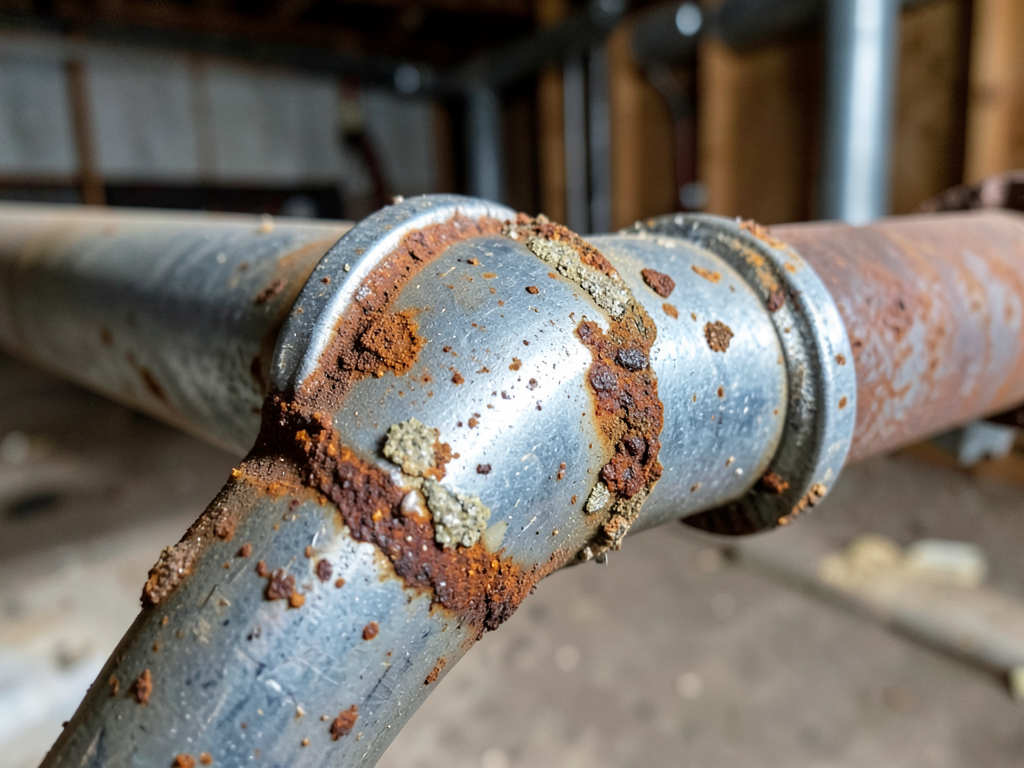
Galvanized pipes in older Kansas City homes can quietly deteriorate for decades before causing major problems. You might notice rusty water or low water pressure in your rental property and wonder if replacement is finally necessary. This guide walks you through the warning signs health concerns and replacement options specific to the Kansas City area. Kansas Department of Health and Environment.
The average galvanized steel supply line lasts 40 to 60 years before corrosion creates serious flow restrictions. Many KCK rentals built between the 1920s and 1950s are now reaching or exceeding that lifespan. Kansas City’s high-alkaline water and clay-heavy soil accelerate the rusting process making local homes more vulnerable than those in other regions.
Replacing old galvanized pipes improves water quality prevents costly emergency repairs and protects your rental investment. The decision often comes down to weighing the age of your system against the symptoms you are seeing. This article explains what to look for and what to expect during a professional replacement. DIY vs. Professional Drain Cleaning.
Signs Your Galvanized Pipes Are Failing
Several symptoms indicate your galvanized pipes are nearing the end of their service life. Low water pressure throughout the home often signals internal corrosion creating mineral scale buildup inside the pipes. You might also notice discolored water with a brown or yellow tint when you first turn on a tap.
Pinhole leaks in multiple locations suggest the protective zinc coating has worn away exposing the steel to continuous moisture damage. These small leaks can cause water damage to walls ceilings and flooring if not addressed quickly. Frequent plumbing repairs become expensive compared to a one-time repipe investment. Plumbing Gladstone.
Visible rust on exposed pipe sections near the water heater or in the basement confirms active corrosion. If you can scratch the pipe surface and see flaking metal the deterioration is advanced. Kansas City’s freeze-thaw cycles and high humidity create conditions that speed up this process compared to drier climates. Keep Your Olathe Basement Dry with Reliable Sump Pump Repair and Maintenance.
Another warning sign is reduced hot water volume. Scale buildup restricts both cold and hot water flow but hot water pipes often fail first due to mineral precipitation at higher temperatures. You might find your tenants complaining about long waits for hot water or inconsistent temperatures.
Testing your water pressure with a simple gauge can help confirm suspicions. Normal residential pressure ranges from 40 to 60 psi. Readings consistently below 40 psi especially if they fluctuate often indicate pipe restrictions from corrosion. A professional plumber can perform more detailed flow tests to assess the extent of the problem.
Health and Safety Risks of Old Galvanized Pipes
Beyond the inconvenience of poor water pressure old galvanized pipes pose health concerns that make replacement urgent. As the zinc coating breaks down the exposed steel can react with water to release lead particles into your drinking water. This is particularly concerning in homes built before 1986 when lead was still used in plumbing materials.
The Kansas Department of Health and Environment recommends testing water in older homes for lead content. Lead exposure can cause developmental problems in children and various health issues in adults. Even if your pipes were never soldered with lead the galvanized coating itself can contain lead that leaches out over time.
Corrosion also creates an environment where bacteria can grow inside the pipes. The rough pitted interior surfaces trap organic matter and provide places for microorganisms to multiply. This can lead to unpleasant tastes odors and potential health risks from contaminated drinking water.
Another safety concern involves the structural integrity of severely corroded pipes. As metal thins from rust pipes become more susceptible to bursting under pressure. A burst pipe in a rental property can cause extensive water damage displace tenants and create liability issues for landlords.
Water quality testing can reveal whether your galvanized system is contributing to lead or other contaminant levels. The EPA’s Lead and Copper Rule requires public water systems to monitor these metals but private well owners and some older municipal connections may not receive the same oversight. Testing gives you concrete data to make replacement decisions. EPA’s Lead and Copper Rule.
Replacement Options PEX vs. Copper
Once you decide to replace galvanized pipes you will need to choose between modern materials. PEX (cross-linked polyethylene) and copper are the two most common options for whole-home repiping. Each has advantages depending on your property’s needs and local conditions.
| Material | Cost Range | Lifespan | Freeze Resistance | Installation Speed | Water Quality Impact |
|---|---|---|---|---|---|
| PEX | $4000 – $10000 | 30-50 years | Excellent | Fast | Neutral |
| Copper | $8000 – $15000 | 50-70 years | Good | Slower | Neutral |
PEX costs less and installs more quickly than copper. The flexible tubing snakes through walls and crawlspaces without requiring as many fittings reducing labor time. PEX resists corrosion from Kansas City’s alkaline water and handles freeze-thaw cycles better than rigid materials.
Copper offers superior longevity and is the traditional choice for plumbing. It handles high temperatures well and provides a proven track record of 50-plus years of service. However copper costs more per foot and requires more fittings increasing both material and labor expenses.
Local building codes in Kansas City and surrounding areas generally allow both materials for residential repiping. The International Plumbing Code which governs most of the metro area permits PEX installation when following manufacturer guidelines and local inspection requirements.
Your choice may also depend on your tenants’ preferences and your property’s characteristics. PEX works well in homes with crawlspaces or pier-and-beam foundations common in older KCK neighborhoods. Copper might be preferable if you want the highest resale value or if your property has specific insurance requirements.
Both materials resist the types of corrosion that destroyed your galvanized pipes. PEX will not rust and copper forms a protective patina that prevents further deterioration. Either choice eliminates the lead leaching risk and provides reliable water service for decades.
The Repiping Process Step by Step
Professional repiping follows a systematic process to minimize disruption and ensure code compliance. The first step involves a thorough inspection of your existing plumbing system. A licensed plumber will locate all galvanized pipes assess water pressure and check for any hidden damage behind walls.
Next comes obtaining necessary permits. Kansas City MO requires plumbing permits for whole-home repiping and Johnson County has similar requirements. Your plumber should handle permit applications and schedule required inspections. This ensures your new system meets all local building codes and passes final approval.
During the repipe plumbers typically work one area at a time to maintain partial water service. They cut access holes in walls and ceilings only where necessary to run new pipes. Professional crews use techniques to minimize drywall damage and can often reuse existing pipe chases and wall cavities.
After installing new pipes the system undergoes pressure testing to check for leaks. Plumbers fill the system with water or air and monitor pressure gauges for drops that indicate problems. This testing phase catches any issues before walls are closed up and finishes are restored.
The final steps include restoring walls patching drywall and painting. Some companies coordinate with drywall contractors to streamline this process. Your plumber should also flush the new system to remove any debris from installation before restoring full water service.
Throughout the process professional plumbers protect your property from damage. They use drop cloths contain dust and clean work areas daily. Most whole-home repipes take three to five days depending on home size and complexity. Your tenants may need temporary accommodations for water service interruptions.
Documentation of the completed work includes as-built drawings showing new pipe locations warranty information and inspection approvals. Keep these records for future reference and to demonstrate to potential buyers that your plumbing system is up to date.
Cost Factors and Local Considerations
Repiping costs vary based on several factors specific to your Kansas City property. Home size directly affects material quantities and labor hours. A two-bathroom bungalow might cost $5000 to $7000 while a larger four-bedroom home could range from $8000 to $12000.
Accessibility impacts pricing significantly. Homes with unfinished basements or accessible crawlspaces cost less to repipe than those with finished interiors requiring extensive wall demolition. The age of your home also matters since older construction may have unusual layouts or non-standard materials that complicate replacement.
Local labor rates in the Kansas City metro area run slightly below national averages making repiping more affordable than in coastal cities. However demand for qualified plumbers can affect scheduling and pricing. Emergency replacements or work during peak seasons may cost more than planned projects during slower periods.
Permitting fees in Kansas City typically range from $50 to $200 depending on project scope. Johnson County and other surrounding areas have similar fee structures. These costs are usually included in your plumber’s quote but ask for a breakdown to understand all charges.
Consider the cost of temporary housing if you have tenants. A hotel stay for a family during a three-day repipe could add $300 to $600 to your total project cost. Some landlords schedule work between tenancies to avoid this expense.
Insurance implications matter too. Some policies offer discounts for updated plumbing while others may require replacement of old galvanized pipes to maintain coverage. Check with your insurance provider about potential premium reductions or coverage requirements before starting work.
Energy efficiency improvements can offset some costs. New PEX pipes provide better insulation than old galvanized steel reducing heat loss in hot water lines. This can lower your energy bills and provide ongoing savings that help justify the upfront investment.
Finally consider the impact on property value. Updated plumbing is a strong selling point that can increase your home’s market appeal and potentially raise the sale price. Buyers often factor in the cost of replacing old pipes when making offers on older homes.
Impact on Rental Property Management
For landlords replacing galvanized pipes in a rental property involves balancing tenant needs with investment returns. The most significant benefit is eliminating emergency repair calls that disrupt your tenants’ lives and your sleep schedule. No more midnight phone calls about burst pipes or no water service.
Updated plumbing can justify higher rents. Modern systems are a selling point that attracts quality tenants willing to pay more for reliable utilities. You can market your property as having new plumbing which differentiates it from other rentals with aging infrastructure.
Maintenance costs drop dramatically after repiping. You eliminate the need for frequent leak repairs pressure regulator adjustments and water quality treatments. These savings add up over the years often covering a significant portion of the replacement cost.
Tenant satisfaction improves with reliable water service. Consistent pressure and clean water enhance their living experience leading to longer tenancies and fewer vacancies. Happy tenants take better care of your property and recommend it to others.
Legal considerations include habitability requirements. In Kansas and Missouri landlords must provide safe functioning plumbing as part of the implied warranty of habitability. Severely corroded pipes could potentially violate these requirements if they cause repeated service interruptions.
Documentation of the repipe project helps with tax deductions. Plumbing improvements are capital expenses that can be depreciated over time providing tax benefits that improve your investment returns. Keep all receipts and documentation for your tax professional.
Consider timing the work strategically. Schedule repiping during natural vacancy periods if possible. Some landlords coordinate with major renovations or upgrades to minimize disruption and maximize the impact of property improvements. Upgrade Your Prairie Village Home with a Professional Low-Flow Toilet Installation.
Communication with tenants is crucial. Explain the scope of work timeline and any temporary inconveniences. Most tenants appreciate transparency and will cooperate if they understand the long-term benefits of the project.
Frequently Asked Questions
How long does a whole-home repipe take?
Most whole-home repiping projects in Kansas City take three to five days for a typical single-family home. Larger homes or those with complex layouts may require six to eight days. Your plumber should provide a specific timeline after inspecting your property.
Can I stay in my home during repiping?
Yes you can usually remain in your home during repiping. Plumbers work in sections to maintain partial water service. However you will experience periodic water shutoffs lasting a few hours at a time. Some homeowners choose to stay elsewhere for convenience.
Will repiping increase my home’s value?
Updated plumbing can increase your home’s value and marketability. Buyers view new plumbing as a major selling point that eliminates future repair concerns. The exact value increase depends on your local market and the quality of the installation.
What permits are required in Kansas City?
Kansas City MO requires plumbing permits for whole-home repiping. The permit process ensures work meets local building codes and includes required inspections. Your licensed plumber should handle permit applications and coordinate inspections as part of the project.
How do I know if I have galvanized pipes?
Galvanized pipes appear as gray or silver-colored metal with threaded connections. You can usually see them in basements crawlspaces or near water heaters. A magnet will stick to galvanized steel. If you are unsure a plumber can inspect your system and identify the pipe material.
Is PEX safe for drinking water?
Yes PEX is approved for drinking water use and meets all safety standards. It is certified by NSF International for potable water systems. PEX does not leach harmful chemicals and is resistant to the corrosion that affects metal pipes.
What happens to the old pipes?
Professional plumbers remove old galvanized pipes and dispose of them properly. The metal can often be recycled. Your plumber should clean up all debris and leave your property in good condition after completing the work.
How soon will I notice improvements?
You will notice improved water pressure and quality immediately after the system is flushed and tested. Discolored water from old pipes disappears completely. Many homeowners also notice better hot water delivery and more consistent temperatures throughout the home.
Call (816) 473-9233 today to schedule your inspection. Don’t wait for a pipe to burst and cause expensive water damage. Our licensed Kansas City plumbers will assess your system and provide a clear plan for replacement that fits your needs and budget.