
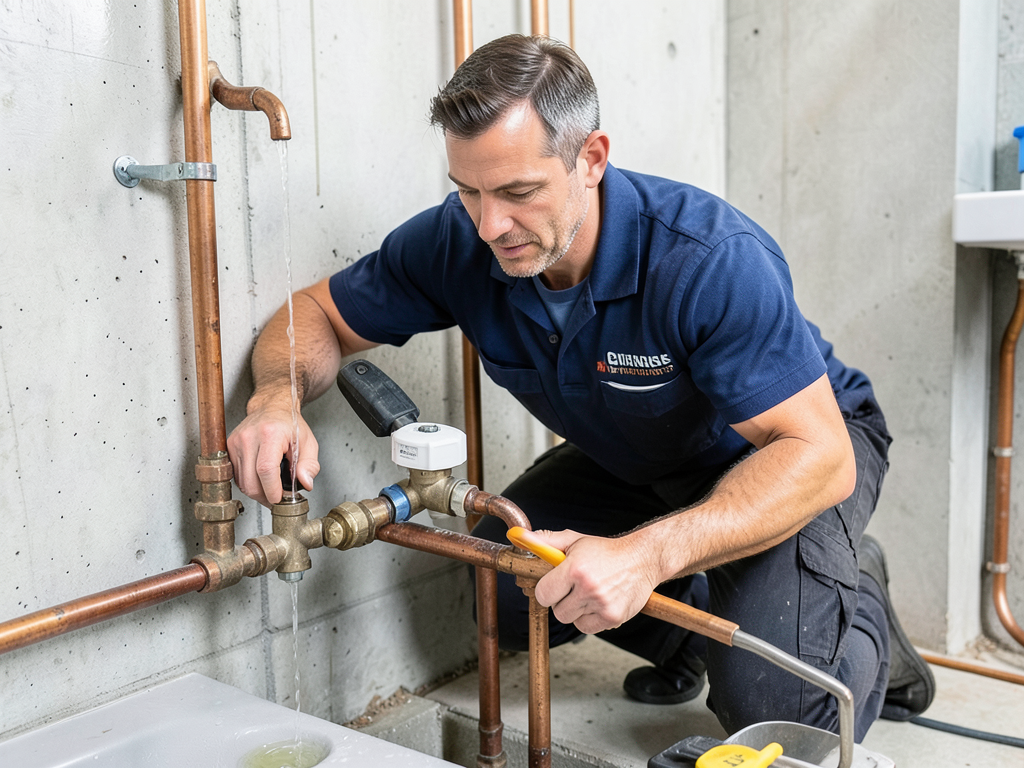
Designing the Perfect Mudroom Dog Wash Station for Your Olathe Home
A dedicated dog wash station transforms muddy paws into clean paws before they track through your home. Professional plumbing installation prevents water damage and protects your home’s foundation from moisture intrusion. Johnson County homeowners need specific drainage solutions that handle pet hair and prevent main line clogs. DIY vs. Professional Drain Cleaning.
Understanding Your Olathe Home’s Plumbing Infrastructure
Olathe homes built after 2000 typically use PEX supply lines and PVC drainage systems. Older homes may have galvanized steel pipes that corrode over time. The city’s hard water with 8-12 grains per gallon mineral content affects fixture longevity and requires specific water treatment considerations for pet bathing stations. Keep Your Olathe Basement Dry with Reliable Sump Pump Repair and Maintenance.
Essential Plumbing Components for Pet Wash Stations
Professional installation requires specific components that DIY setups often overlook. A thermostatic mixing valve maintains consistent water temperature between 90-100 degrees Fahrenheit for pet comfort. Hair interceptors prevent clogs by trapping fur before it enters the main drainage system. Floor drains need proper slope toward the P-trap to prevent standing water.
Drainage System Requirements
Pet wash stations need 2-inch diameter drain lines to handle debris flow. The International Plumbing Code requires P-traps to maintain a water seal that blocks sewer gases. Slope requirements specify 1/4 inch per foot for proper drainage velocity. Vent pipes prevent air locks that cause gurgling sounds and slow drainage. International Plumbing Code Section P-2503.
Water Supply Considerations
Hot and cold water lines need 1/2 inch diameter minimum for adequate flow. Backflow preventers protect your home’s potable water supply from contamination. Pressure regulators maintain consistent 40-60 PSI for handheld sprayer performance. Water hammer arrestors prevent pipe banging when sprayers shut off suddenly.
Location Options and Plumbing Challenges
Mudrooms offer convenient access but may require new water line runs from the main supply. Garages provide isolation but need freeze protection in winter. Laundry rooms share existing plumbing but may lack proper drainage slope. Each location presents unique challenges for pipe routing and fixture mounting. Solving the Unique Plumbing Problems Common in Older Brookside and Waldo Homes.
Kansas City Building Code Compliance
Johnson County requires permits for new drainage installations. The International Residential Code Section P-2503 governs fixture installations. Backflow prevention devices must meet ANSI/AWWA standards. Licensed plumbers must pull permits and schedule inspections before covering walls or floors.
Waterproofing and Moisture Protection
Greenboard or cement board provides moisture resistance behind tile surfaces. Waterproof membranes prevent water migration into wall cavities. Floor pans with raised edges contain splashes. Caulk joints between fixtures and walls prevent water intrusion. Proper ventilation removes humidity to prevent mold growth.
Hair Interceptor Systems
Commercial-grade hair traps capture 95% of pet fur before it reaches the main drain. Stainless steel baskets resist corrosion and clean easily. Some systems use disposable filters for convenience. Regular cleaning prevents odors and maintains drainage efficiency. Professional installation ensures proper trap sizing for your pet’s coat type.
Thermostatic Mixing Valve Installation
TMVs maintain constant outlet temperature despite pressure fluctuations. Wax elements inside the valve expand and contract to balance hot and cold water. Safety stops prevent scalding if cold water supply fails. Professional calibration ensures accurate temperature control for pet comfort and safety.
Floor Drain Specifications
Floor drains need strainers to catch debris before it enters the P-trap. Cast iron or PVC construction resists corrosion. Drain bodies require proper bedding in mortar for stability. Cleanouts provide access for removing stubborn clogs. Floor slope calculations ensure complete water evacuation.
Ventilation System Requirements
Vent pipes connect to the main stack or exit through the roof. Proper sizing prevents vacuum formation in drainage lines. Vent placement affects drainage efficiency and prevents trap siphoning. Air admittance valves offer alternatives where traditional venting proves difficult.
Professional Installation Process
Site assessment determines optimal fixture placement and pipe routing. Water supply shutoff and drain line isolation prevent disruptions. Rough-in plumbing installation follows code requirements for spacing and support. Pressure testing verifies leak-free connections before fixture installation. Plumbing Gladstone.
Permit Requirements in Olathe
Johnson County requires plumbing permits for new fixture installations. Applications include detailed drawings showing pipe locations and fixture specifications. Inspections verify code compliance before wall closure. Permit fees vary based on project scope and complexity.
Cost Factors for Professional Installation
Existing plumbing proximity affects installation costs significantly. Concrete cutting adds expense when running pipes through slabs. Fixture quality ranges from basic utility models to luxury spa-grade systems. Professional labor rates in Johnson County average $85-125 per hour.
Maintenance Requirements
Hair interceptors need monthly cleaning to maintain efficiency. Drain lines benefit from annual hydro jetting to prevent buildup. Valve cartridges require periodic replacement for consistent temperature control. Sealant joints need inspection and recaulking every 2-3 years.
Common Installation Mistakes to Avoid
Inadequate slope causes standing water and odors. Undersized drains clog frequently with pet hair. Missing backflow preventers risk water contamination. Poor waterproofing leads to structural damage. Incorrect vent placement causes drainage problems.
Winterization Considerations
Garage installations need pipe insulation to prevent freezing. Heat tape provides additional protection in extreme cold. Shutoff valves allow seasonal deactivation. Drain traps need antifreeze protection in unheated spaces. Proper ventilation prevents condensation in cold weather.
Energy Efficiency Features
Point-of-use water heaters reduce energy waste by heating only needed water. Low-flow sprayers conserve water while maintaining cleaning power. Insulated hot water lines prevent heat loss during transport. Timer controls limit water usage during operation.
Safety Features
Anti-scald devices prevent temperature spikes. Non-slip flooring reduces fall risks. GFCI protection prevents electrical shock near water sources. Emergency shutoff valves allow quick water supply termination. Proper drainage prevents slip hazards from standing water.
Integration with Home Automation
Smart water sensors detect leaks early. Temperature monitors alert to freezing conditions. Voice controls offer hands-free operation. Usage tracking helps monitor water consumption. Mobile apps provide remote monitoring and control.
Professional vs DIY Considerations
Professional installation ensures code compliance and warranty protection. DIY projects risk code violations and water damage. Insurance may not cover damage from unlicensed work. Professional expertise prevents costly mistakes and ensures proper system function.
Long-term Value Assessment
Quality installations increase home resale value. Proper drainage prevents costly water damage repairs. Durable fixtures reduce replacement frequency. Professional workmanship includes warranty protection. Energy-efficient features lower utility costs. EPA WaterSense efficiency standards.
Frequently Asked Questions
How much does professional dog wash station installation cost in Olathe?
Professional installation typically ranges from $2,500 to $6,000 depending on plumbing complexity, fixture quality, and permit requirements. Basic setups cost less while luxury systems with advanced features cost more.
Do I need a permit for a dog wash station in Johnson County?
Yes. Johnson County requires plumbing permits for new fixture installations including dog wash stations. Licensed plumbers must pull permits and schedule inspections to ensure code compliance.
How long does professional installation take?
Most installations require 2-3 days. The first day handles rough-in plumbing and inspections. The second day completes fixture installation and testing. Complex projects may require additional time.
Can I install a dog wash station in my garage?
Yes, but garage installations need freeze protection and proper drainage slope. Pipe insulation and heat tape prevent freezing. Floor drains require proper slope toward the P-trap for complete water removal.
What maintenance does a dog wash station require?
Monthly hair interceptor cleaning prevents clogs. Annual drain line cleaning maintains efficiency. Valve cartridges need replacement every 3-5 years. Sealant joints require inspection and recaulking every 2-3 years.
Call (816) 473-9233 Today to Schedule Your Consultation
Professional dog wash station installation requires expert plumbing knowledge and code compliance. Our licensed plumbers understand Johnson County requirements and can design a system that protects your home while providing years of reliable service. Call (816) 473-9233 today to schedule your free consultation and protect your Olathe home from water damage.
{
“@context”: “https://schema.org”,
“@type”: “BlogPosting”,
“headline”: “Designing the Perfect Mudroom Dog Wash Station for Your Olathe Home”,
“description”: “Professional dog wash station plumbing in Olathe. Learn drainage, water line, and permit requirements. Protect your home from water damage with expert installation.”,
“wordCount”: 1300,
“datePublished”: “2026-05-24T09:33:00.000Z”,
“dateModified”: “2026-05-24T09:33:00.000Z”,
“inLanguage”: “en-US”,
“mainEntityOfPage”: {
“@type”: “WebPage”,
“@id”: “https://silverlineplumbingkansascity.com”
},
“publisher”: {
“@type”: “LocalBusiness”,
“name”: “Silverline Plumbing Kansas City”,
“url”: “https://silverlineplumbingkansascity.com”
},
“author”: {
“@type”: “Organization”,
“name”: “Silverline Plumbing Kansas City”,
“url”: “https://silverlineplumbingkansascity.com”
},
“image”: {
“@type”: “ImageObject”,
“url”: “https://silverlineplumbingkansascity.com/wp-content/uploads/2026/03/designing-the-perfect-mudroom-dog-wash-station-for-1.png”
}
}
{
“@context”: “https://schema.org”,
“@type”: “Plumber”,
“name”: “Silverline Plumbing Kansas City”,
“url”: “https://silverlineplumbingkansascity.com”,
“address”: {
“@type”: “PostalAddress”,
“addressLocality”: “Kansas City”
},
“areaServed”: {
“@type”: “City”,
“name”: “Kansas City”
}
}
{
“@context”: “https://schema.org”,
“@type”: “FAQPage”,
“mainEntity”: [
{
“@type”: “Question”,
“name”: “How much does professional dog wash station installation cost in Olathe?”,
“acceptedAnswer”: {
“@type”: “Answer”,
“text”: “Professional installation typically ranges from $2,500 to $6,000 depending on plumbing complexity, fixture quality, and permit requirements. Basic setups cost less while luxury systems with advanced features cost more.”
}
},
{
“@type”: “Question”,
“name”: “Do I need a permit for a dog wash station in Johnson County?”,
“acceptedAnswer”: {
“@type”: “Answer”,
“text”: “Yes. Johnson County requires plumbing permits for new fixture installations including dog wash stations. Licensed plumbers must pull permits and schedule inspections to ensure code compliance.”
}
},
{
“@type”: “Question”,
“name”: “How long does professional installation take?”,
“acceptedAnswer”: {
“@type”: “Answer”,
“text”: “Most installations require 2-3 days. The first day handles rough-in plumbing and inspections. The second day completes fixture installation and testing. Complex projects may require additional time.”
}
},
{
“@type”: “Question”,
“name”: “Can I install a dog wash station in my garage?”,
“acceptedAnswer”: {
“@type”: “Answer”,
“text”: “Yes, but garage installations need freeze protection and proper drainage slope. Pipe insulation and heat tape prevent freezing. Floor drains require proper slope toward the P-trap for complete water removal.”
}
},
{
“@type”: “Question”,
“name”: “What maintenance does a dog wash station require?”,
“acceptedAnswer”: {
“@type”: “Answer”,
“text”: “Monthly hair interceptor cleaning prevents clogs. Annual drain line cleaning maintains efficiency. Valve cartridges need replacement every 3-5 years. Sealant joints require inspection and recaulking every 2-3 years.”
}
}
]
}
{
“@context”: “https://schema.org”,
“@type”: “BreadcrumbList”,
“itemListElement”: [
{
“@type”: “ListItem”,
“position”: 1,
“name”: “Home”,
“item”: “https://silverlineplumbingkansascity.com”
},
{
“@type”: “ListItem”,
“position”: 2,
“name”: “Blog”,
“item”: “https://silverlineplumbingkansascity.com/blog”
},
{
“@type”: “ListItem”,
“position”: 3,
“name”: “Designing the Perfect Mudroom Dog Wash Station for Your Olathe Home”
}
]
}
{
“@context”: “https://schema.org”,
“@type”: “Service”,
“serviceType”: “Plumbing”,
“provider”: {
“@type”: “LocalBusiness”,
“name”: “Silverline Plumbing Kansas City”,
“url”: “https://silverlineplumbingkansascity.com”
},
“areaServed”: {
“@type”: “City”,
“name”: “Kansas City”
},
“description”: “Professional dog wash station plumbing in Olathe. Learn drainage, water line, and permit requirements. Protect your home from water damage with expert installation.”
}