
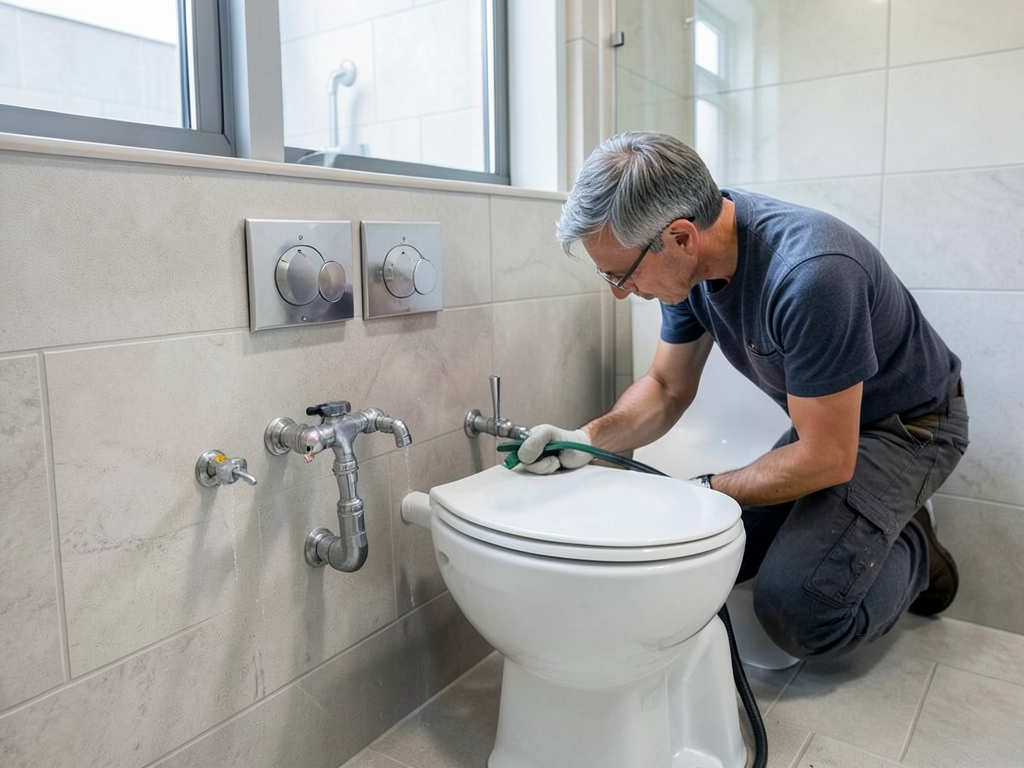
Which Toilet Type Saves More on Your Kansas City Water Bill?
Choosing between a dual flush and single flush toilet comes down to water savings, maintenance costs, and how well each handles Kansas City’s hard water. A dual flush toilet uses 1.28 gallons per flush for liquids and just 0.8 gallons for solids, while a standard single flush uses 1.6 gallons every time. Over a year, that difference can save a household of four about $45 to $75 on their KC Water Services bill, depending on usage patterns. But the real savings depend on how often you use the low-volume flush and whether you’re willing to deal with more frequent seal replacements in our mineral-heavy water. KC Water Services.
Single flush toilets cost less upfront and have fewer moving parts, making them easier to repair in older Northland homes with aging plumbing. Dual flush models reduce water waste but require more maintenance because the flush valve canister and seal are exposed to mineral buildup from Missouri River water. If you live in a newer home in Liberty or Parkville, the long-term water savings and environmental benefits may outweigh the extra upkeep. For older Gladstone bungalows with cast iron waste lines, a single flush’s consistent flush volume can prevent clogs that low-flow models sometimes cause. EPA WaterSense certified toilets.
Before deciding, consider your household size, water usage habits, and whether you qualify for any KC Water rebates on WaterSense-certified fixtures. Both types meet EPA WaterSense standards, but only dual flush toilets give you control over how much water you use per flush. That control can make a noticeable difference on your monthly bill, especially if you replace an older 3.5 GPF toilet. Call (816) 473-9233 today to schedule a free water usage audit and find out which option fits your home and budget.. Read more about Why your Mission Hills toilet sounds like a whistle every time you flush it.
How Dual Flush and Single Flush Toilets Work
Dual flush toilets use a two-button or two-lever system mounted on top of the tank. Pressing the smaller button releases about 0.8 gallons for liquid waste, while the larger button releases 1.28 gallons for solids. The mechanism relies on a flush valve canister with a rubber seal that lifts when you press either button. This design saves water by matching flush volume to waste type, but the seal wears faster in areas with hard water like Kansas City, where mineral deposits can cause leaks or incomplete flushes.
Single flush toilets use a flapper or tower-style flush valve that releases a fixed 1.6 gallons every time you press the handle. The flapper drops back down after the tank empties, sealing the outlet and allowing the tank to refill. This simpler design has fewer parts that can fail, making it more reliable in homes with older plumbing or where water pressure fluctuates. In neighborhoods like North Kansas City with aging cast iron sewer lines, the consistent flush volume helps prevent buildup that low-flow models can leave behind. Fix Your Overland Park Sewer Line Without Digging Up Your Entire Yard.
Both systems rely on gravity to move water from the tank to the bowl, but dual flush models often use a wider flush valve opening to ensure the lower water volume still clears the bowl effectively. That wider opening also means more surface area for mineral scale to form, especially on the Kansas side where water hardness averages 8 to 12 grains per gallon. If you notice your dual flush toilet running longer than usual or needing handle jiggling, mineral buildup on the seal is usually the culprit.
Pressure-assisted toilets are another option, using compressed air to force water into the bowl at higher velocity. These models use about 1.0 to 1.1 gallons per flush and rarely clog, but they cost more and can be noisy. For most Kansas City homeowners, the choice comes down to standard single flush reliability versus dual flush water savings, with local water quality tipping the balance.
Water Savings and Cost Comparison
WaterSense-certified toilets use no more than 1.28 gallons per flush, with dual flush models averaging about 1.1 gallons across typical use. Replacing a pre-1994 toilet that uses 3.5 gallons per flush can save a family of four roughly 13,000 gallons per year. At KC Water’s current rate of $5.40 per 748 gallons, that translates to about $94 in annual water savings. Dual flush models can push those savings higher by using only 0.8 gallons for liquid waste, which makes up about 60% of flushes in most households.
Single flush toilets save less on a per-flush basis but still cut water use by about 38% compared to older models. Over a year, that works out to around $60 in savings for a typical household. The difference in savings between single and dual flush shrinks if your household flushes mostly solids, such as in homes with young children or frequent guests. In that case, the extra cost of a dual flush model may not pay off as quickly.
Installation costs for both types run between $250 and $450 in the Kansas City metro, depending on whether new supply lines or a reinforced floor flange are needed. Dual flush toilets often cost $50 to $100 more than comparable single flush models, and some premium brands like TOTO or Kohler charge even more for features like skirted bowls or soft-close seats. If you’re replacing multiple toilets, those added costs can add up quickly.
Maintenance is another cost factor. Dual flush seals and canisters typically need replacement every 3 to 5 years in Kansas City’s hard water, at a cost of $20 to $40 per part. Single flush flappers last about the same time but cost only $5 to $15 to replace. Over a 10-year period, the added maintenance of a dual flush can offset some of the water savings, especially if you live in an area with extremely hard water like parts of Platte County.
For rental properties or homes with heavy usage, the reliability of a single flush can mean fewer service calls and less downtime. For owner-occupied homes focused on conservation, a dual flush’s lower water use and potential rebate eligibility can make it the better long-term investment.
Maintenance and Repair Considerations
Dual flush toilets require more frequent attention to the flush valve seal, which is exposed to water on all sides. In Kansas City’s hard water, mineral scale builds up quickly, causing the seal to stick or fail to close completely. A leaking dual flush can waste up to 200 gallons per day, erasing any water savings within months. Cleaning the seal with vinegar every six months and replacing it every three to five years keeps the system working efficiently.
Single flush toilets use a simpler flapper mechanism that sits above the water until flushed. While still affected by hard water, the flapper wears more slowly because it isn’t constantly submerged. A worn flapper causes a slow leak into the bowl, which is easier to detect by adding food coloring to the tank and watching for color in the bowl after 30 minutes. Replacement takes about five minutes and costs under $15, making it a quick DIY fix for most homeowners.. Read more about Making Your Bathroom Safer with Senior-Friendly Plumbing Upgrades in Lee’s Summit.
The fill valve in both types can also fail, causing the toilet to run continuously or not fill at all. Dual flush models often use a cylindrical fill valve that’s more sensitive to sediment, while single flush models use a traditional float ball or cup design. In areas with high iron content, like parts of Clay County, sediment can clog the fill valve filter and reduce flow. Flushing the line and cleaning the filter annually prevents most fill valve issues.
Clogs are less common with single flush toilets because the 1.6-gallon volume provides more force to move waste through older pipes. Dual flush toilets can struggle with solid waste if the bowl is not designed for low-flow performance, especially in homes with cast iron or clay sewer lines that have rough interiors. Using the correct flush mode and avoiding flushing wipes or paper towels reduces clog risk in either system.
For homes with septic systems, both types are safe, but dual flush models reduce the load on the drain field by using less water per flush. That can extend the time between pump-outs and lower long-term maintenance costs. If you’re unsure which type fits your home’s plumbing, call (816) 473-9233 for a professional assessment. DIY vs. Professional Drain Cleaning.
Local Factors: Hard Water and Kansas City Plumbing Codes
Kansas City’s water comes primarily from the Missouri River and local aquifers, with hardness levels ranging from 8 to 12 grains per gallon on the Kansas side and slightly lower on the Missouri side. That mineral content, mostly calcium and magnesium, builds up inside toilet tanks, on seals, and in supply lines. In dual flush toilets, the constant exposure of the flush valve seal to hard water means more frequent replacements and a higher chance of leaks. Installing a whole-house water softener can reduce these issues, but it adds to upfront costs.
Local plumbing codes require all new and replacement toilets to meet EPA WaterSense standards, which means a maximum of 1.28 gallons per flush for the full flush mode. The City of Kansas City, MO, and surrounding municipalities like Gladstone and Liberty enforce these rules through permit inspections. If you’re remodeling a bathroom or replacing a failing toilet, you must install a compliant model or risk failing inspection. Some older homes in historic districts may qualify for exemptions, but those are rare and require special approval. Plumbing Gladstone.
Backflow prevention is another code requirement for commercial properties and some residential irrigation systems. While it doesn’t directly affect toilet choice, it does mean that any major plumbing work must include proper permits and inspections. DIY toilet replacement is allowed in most single-family homes, but if you’re moving the location of the toilet or altering the waste line, you’ll need a licensed plumber to pull the permit and ensure code compliance.
Soil conditions in the Northland, where much of the area sits on expansive clay, can also affect toilet stability. If the floor flange is not properly secured or the wax ring is old, even a small shift in the foundation can cause leaks at the base. That’s true for both single and dual flush models, but dual flush toilets with skirted bowls can make leak detection harder because the base is enclosed. Regular inspection of the floor around the toilet for signs of water or discoloration can catch problems early.
For homes near the Missouri River or in low-lying areas, high water tables can cause older toilets to sweat in summer, leading to mildew and wood rot around the base. Installing a foam tank liner or upgrading to an insulated model can prevent this, regardless of flush type. If you’re dealing with any of these local challenges, a plumber familiar with Kansas City’s unique conditions can recommend the best solution. Solving the Unique Plumbing Problems Common in Older Brookside and Waldo Homes.
The Verdict: Which Toilet Should You Choose?
If your priority is maximum water savings and you don’t mind a bit more maintenance, a dual flush toilet is the clear winner. The ability to use only 0.8 gallons for liquid waste can cut your household’s water use by up to 20%, and the savings add up over time. This makes dual flush models ideal for eco-conscious families, homes with WaterSense rebates available, or anyone replacing an older 3.5 GPF toilet. Just be prepared for more frequent seal replacements in Kansas City’s hard water and the occasional need to clean mineral buildup from the flush valve.
If reliability and ease of repair matter more than squeezing out every drop of savings, a single flush toilet is the better choice. The consistent 1.6-gallon flush works well with older plumbing, reduces the risk of clogs, and has fewer parts that can fail. Single flush models cost less upfront, are easier to find in a variety of styles, and don’t require as much attention in hard water areas. For rental properties, homes with heavy usage, or anyone who prefers a set-it-and-forget-it approach, the single flush’s simplicity pays off.
For homes with cast iron or clay sewer lines, the stronger flush of a single flush toilet can prevent buildup that low-flow models sometimes leave behind. If you live in an area with frequent water pressure fluctuations, like parts of North Kansas City, the consistent performance of a single flush can also mean fewer double-flushes and less frustration. On the other hand, if your home has modern PVC waste lines and you’re focused on conservation, a dual flush’s lower water use can make a noticeable dent in your bill.
Budget also plays a role. Dual flush toilets cost $50 to $100 more than comparable single flush models, and the added maintenance can offset some of the water savings. If you’re replacing multiple toilets, those costs multiply quickly. Single flush models offer a lower total cost of ownership over 10 years, especially in hard water areas where seal replacements are more frequent.
Still not sure which is right for your home? Call (816) 473-9233 to schedule a free consultation. We’ll assess your plumbing, water usage, and local conditions to recommend the best toilet for your needs and budget.
Frequently Asked Questions
Do dual flush toilets really save money?
Yes. A dual flush toilet can save a family of four about $45 to $75 per year on water bills in Kansas City, depending on usage. The savings are higher if you’re replacing an older 3.5 GPF toilet. Over 10 years, that can offset the higher upfront cost of a dual flush model.
Why do dual flush toilets need more maintenance?
Dual flush toilets have a flush valve seal that’s constantly exposed to water, making it more vulnerable to mineral buildup from Kansas City’s hard water. Cleaning the seal every six months and replacing it every three to five years keeps the toilet working efficiently.
Are dual flush toilets harder to repair?
They can be. Dual flush parts like the canister and seal are specific to each brand, so you can’t always use generic replacements. Single flush flappers are universal and cost much less. If you’re not comfortable with DIY repairs, a plumber can handle both types quickly.
Can I install a dual flush toilet in an older home?
Yes, but older plumbing with cast iron or clay lines may not clear waste as well with low-flow flushes. In those cases, a single flush toilet’s stronger, consistent flush can prevent clogs. A professional plumber can evaluate your waste line and recommend the best option.
Do I need a permit to replace a toilet?
In most single-family homes, you can replace a toilet without a permit as long as you don’t move the location or alter the waste line. If you’re doing a full bathroom remodel or changing the plumbing layout, you’ll need a permit and inspection to meet local codes.
What is the best brand for dual flush toilets?
Kohler, American Standard, and TOTO all make reliable dual flush models with good local parts availability. TOTO’s Aquia and Kohler’s Wellworth are popular choices for their balance of performance, water savings, and ease of maintenance. Your plumber can help you pick the right model for your home.
How do I know if my toilet is wasting water?
Add a few drops of food coloring to the tank and wait 30 minutes without flushing. If color appears in the bowl, you have a leak. Running toilets can waste hundreds of gallons per day, so fixing them quickly saves money and prevents damage.
Should I upgrade if my toilet still works?
If your toilet is pre-1994 and uses more than 1.6 gallons per flush, upgrading to a WaterSense model will save water and lower your bill. Even if it’s not broken, the long-term savings and improved performance can make replacement worthwhile.
Can I get a rebate for a new toilet?
KC Water and some local municipalities offer rebates for replacing older toilets with WaterSense-certified models. Check with your water provider for current programs, as availability and amounts vary by location and funding.
Who should I call for toilet replacement in Kansas City?
Call (816) 473-9233 to schedule a free consultation. We’ll help you choose the right toilet for your home, handle the installation, and make sure everything meets local codes and your budget.
{
“@context”: “https://schema.org”,
“@type”: “BlogPosting”,
“headline”: “Dual Flush vs Single Flush — Which Toilet Saves the Most Money on Your KCMO Water Bill?”,
“description”: “Compare dual flush vs single flush toilets for Kansas City homes. See real water savings, maintenance costs, and hard water impacts. Call (816) 473-9233 for expert advice.”,
“wordCount”: 2730,
“datePublished”: “2026-04-15T08:03:00.000Z”,
“dateModified”: “2026-04-15T08:03:00.000Z”,
“inLanguage”: “en-US”,
“mainEntityOfPage”: {
“@type”: “WebPage”,
“@id”: “https://silverlineplumbingkansascity.com”
},
“publisher”: {
“@type”: “LocalBusiness”,
“name”: “Silverline Plumbing Kansas City”,
“url”: “https://silverlineplumbingkansascity.com”
},
“author”: {
“@type”: “Organization”,
“name”: “Silverline Plumbing Kansas City”,
“url”: “https://silverlineplumbingkansascity.com”
},
“image”: {
“@type”: “ImageObject”,
“url”: “https://silverlineplumbingkansascity.com/wp-content/uploads/2026/03/dual-flush-vs-single-flush-which-toilet-saves-the-1.png”
}
}
{
“@context”: “https://schema.org”,
“@type”: “Plumber”,
“name”: “Silverline Plumbing Kansas City”,
“url”: “https://silverlineplumbingkansascity.com”,
“address”: {
“@type”: “PostalAddress”,
“addressLocality”: “Kansas City”
},
“areaServed”: {
“@type”: “City”,
“name”: “Kansas City”
}
}
{
“@context”: “https://schema.org”,
“@type”: “FAQPage”,
“mainEntity”: [
{
“@type”: “Question”,
“name”: “Which Toilet Type Saves More on Your Kansas City Water Bill?”,
“acceptedAnswer”: {
“@type”: “Answer”,
“text”: “Choosing between a dual flush and single flush toilet comes down to water savings, maintenance costs, and how well each handles Kansas City’s hard water. A dual flush toilet uses 1.28 gallons per flush for liquids and just 0.8 gallons for solids, while a standard single flush uses 1.6 gallons every time. Over a year, that difference can save a household of four about $45 to $75 on their KC Water Services bill, depending on usage patterns. But the real savings depend on how often you use the low-volume flush and whether you’re willing to deal with more frequent seal replacements in our mineral-heavy water. KC Water Services.”
}
},
{
“@type”: “Question”,
“name”: “The Verdict: Which Toilet Should You Choose?”,
“acceptedAnswer”: {
“@type”: “Answer”,
“text”: “If your priority is maximum water savings and you don’t mind a bit more maintenance, a dual flush toilet is the clear winner. The ability to use only 0.8 gallons for liquid waste can cut your household’s water use by up to 20%, and the savings add up over time. This makes dual flush models ideal for eco-conscious families, homes with WaterSense rebates available, or anyone replacing an older 3.5 GPF toilet. Just be prepared for more frequent seal replacements in Kansas City’s hard water and the occasional need to clean mineral buildup from the flush valve.”
}
},
{
“@type”: “Question”,
“name”: “Do dual flush toilets really save money?”,
“acceptedAnswer”: {
“@type”: “Answer”,
“text”: “Yes. A dual flush toilet can save a family of four about $45 to $75 per year on water bills in Kansas City, depending on usage. The savings are higher if you’re replacing an older 3.5 GPF toilet. Over 10 years, that can offset the higher upfront cost of a dual flush model.”
}
},
{
“@type”: “Question”,
“name”: “Why do dual flush toilets need more maintenance?”,
“acceptedAnswer”: {
“@type”: “Answer”,
“text”: “Dual flush toilets have a flush valve seal that’s constantly exposed to water, making it more vulnerable to mineral buildup from Kansas City’s hard water. Cleaning the seal every six months and replacing it every three to five years keeps the toilet working efficiently.”
}
},
{
“@type”: “Question”,
“name”: “Are dual flush toilets harder to repair?”,
“acceptedAnswer”: {
“@type”: “Answer”,
“text”: “They can be. Dual flush parts like the canister and seal are specific to each brand, so you can’t always use generic replacements. Single flush flappers are universal and cost much less. If you’re not comfortable with DIY repairs, a plumber can handle both types quickly.”
}
},
{
“@type”: “Question”,
“name”: “Can I install a dual flush toilet in an older home?”,
“acceptedAnswer”: {
“@type”: “Answer”,
“text”: “Yes, but older plumbing with cast iron or clay lines may not clear waste as well with low-flow flushes. In those cases, a single flush toilet’s stronger, consistent flush can prevent clogs. A professional plumber can evaluate your waste line and recommend the best option.”
}
},
{
“@type”: “Question”,
“name”: “Do I need a permit to replace a toilet?”,
“acceptedAnswer”: {
“@type”: “Answer”,
“text”: “In most single-family homes, you can replace a toilet without a permit as long as you don’t move the location or alter the waste line. If you’re doing a full bathroom remodel or changing the plumbing layout, you’ll need a permit and inspection to meet local codes.”
}
},
{
“@type”: “Question”,
“name”: “What is the best brand for dual flush toilets?”,
“acceptedAnswer”: {
“@type”: “Answer”,
“text”: “Kohler, American Standard, and TOTO all make reliable dual flush models with good local parts availability. TOTO’s Aquia and Kohler’s Wellworth are popular choices for their balance of performance, water savings, and ease of maintenance. Your plumber can help you pick the right model for your home.”
}
},
{
“@type”: “Question”,
“name”: “How do I know if my toilet is wasting water?”,
“acceptedAnswer”: {
“@type”: “Answer”,
“text”: “Add a few drops of food coloring to the tank and wait 30 minutes without flushing. If color appears in the bowl, you have a leak. Running toilets can waste hundreds of gallons per day, so fixing them quickly saves money and prevents damage.”
}
},
{
“@type”: “Question”,
“name”: “Should I upgrade if my toilet still works?”,
“acceptedAnswer”: {
“@type”: “Answer”,
“text”: “If your toilet is pre-1994 and uses more than 1.6 gallons per flush, upgrading to a WaterSense model will save water and lower your bill. Even if it’s not broken, the long-term savings and improved performance can make replacement worthwhile.”
}
},
{
“@type”: “Question”,
“name”: “Can I get a rebate for a new toilet?”,
“acceptedAnswer”: {
“@type”: “Answer”,
“text”: “KC Water and some local municipalities offer rebates for replacing older toilets with WaterSense-certified models. Check with your water provider for current programs, as availability and amounts vary by location and funding.”
}
},
{
“@type”: “Question”,
“name”: “Who should I call for toilet replacement in Kansas City?”,
“acceptedAnswer”: {
“@type”: “Answer”,
“text”: “Call (816) 473-9233 to schedule a free consultation. We’ll help you choose the right toilet for your home, handle the installation, and make sure everything meets local codes and your budget.”
}
}
]
}
{
“@context”: “https://schema.org”,
“@type”: “BreadcrumbList”,
“itemListElement”: [
{
“@type”: “ListItem”,
“position”: 1,
“name”: “Home”,
“item”: “https://silverlineplumbingkansascity.com”
},
{
“@type”: “ListItem”,
“position”: 2,
“name”: “Blog”,
“item”: “https://silverlineplumbingkansascity.com/blog”
},
{
“@type”: “ListItem”,
“position”: 3,
“name”: “Dual Flush vs Single Flush — Which Toilet Saves the Most Money on Your KCMO Water Bill?”
}
]
}
{
“@context”: “https://schema.org”,
“@type”: “Service”,
“serviceType”: “Plumbing”,
“provider”: {
“@type”: “LocalBusiness”,
“name”: “Silverline Plumbing Kansas City”,
“url”: “https://silverlineplumbingkansascity.com”
},
“areaServed”: {
“@type”: “City”,
“name”: “Kansas City”
},
“description”: “Compare dual flush vs single flush toilets for Kansas City homes. See real water savings, maintenance costs, and hard water impacts. Call (816) 473-9233 for expert advice.”
}