
The majestic trees that line the streets of Hyde Park are one of Kansas City’s most cherished features. But those same beautiful old trees could be silently destroying your underground sewer line right now. Kansas City Water Services Department.
Tree roots naturally seek out water and nutrients, and your sewer line provides exactly what they need. In older Kansas City neighborhoods like Hyde Park, where clay pipes installed decades ago are now cracking and separating, tree roots find easy entry points. Once inside, they grow rapidly, creating blockages that can cause sewage backups into your home. Fix Your Overland Park Sewer Line Without Digging Up Your Entire Yard.
Understanding the warning signs and knowing when to call for professional help can save you thousands in emergency repairs. Let’s explore what’s happening beneath your yard and what you can do about it. DIY vs. Professional Drain Cleaning.
6 Warning Signs Your Hyde Park Home Has Tree Root Intrusion
Tree roots in sewer lines don’t announce themselves with fanfare. They work slowly, building up inside your pipes until they create a complete blockage. Here are the symptoms Kansas City homeowners should watch for:. Read more about Identifying That Mysterious Sewer Smell in Your Blue Springs Garage.
1. Multiple Drains Backing Up Simultaneously
When tree roots create a blockage in your main sewer line, you’ll notice problems throughout your home. Toilets, showers, and sinks all drain slowly or back up at the same time. This is different from a simple clog in one fixture.
2. Gurgling Sounds From Toilets and Drains
As roots grow inside your pipes, they create air pockets that cause gurgling noises when water tries to pass through. You might hear this after flushing or when using the washing machine.
3. Slow-Moving Drains That Keep Returning
Unlike temporary clogs from hair or grease, tree root blockages return even after you’ve cleared them. The roots keep growing back, creating a cycle of slow drainage that gets progressively worse.
4. Unexplained Wet Spots in Your Yard
Tree roots can crack pipes enough to cause small leaks. You might notice unusually green grass, soggy areas, or even sinkholes forming in your yard above the sewer line.
5. Sewage Odors Inside or Outside Your Home
Cracked pipes allow sewer gases to escape. If you smell rotten eggs or sewage near drains, in your yard, or in your basement, you may have a broken sewer line. Keep Your Olathe Basement Dry with Reliable Sump Pump Repair and Maintenance.
6. Foundation Cracks or Settling
Severe root intrusion can cause soil erosion around your foundation. You might notice cracks in basement walls or uneven floors as the ground shifts beneath your home.
Why Tree Roots Target Your Sewer Line
Tree roots don’t randomly attack sewer pipes. They’re following a biological imperative to find water, oxygen, and nutrients. Your sewer line provides all three in abundance.
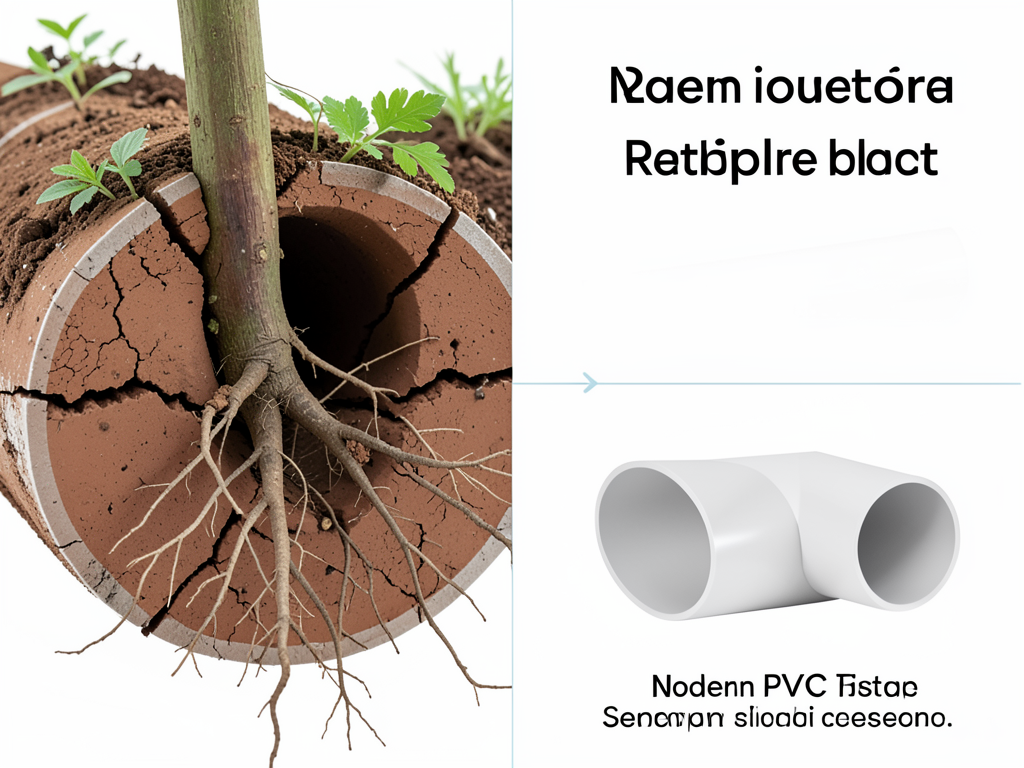
The process works like this: tiny root hairs detect moisture escaping from even microscopic cracks in pipes. These roots grow toward the source, entering through joints, cracks, or loose connections. Once inside, they find a perfect environment with constant moisture and nutrients from household waste.
In Kansas City’s climate, this process accelerates during summer droughts when trees become desperate for water. The roots grow rapidly, filling pipes with a dense mat of fibrous material that catches household waste and creates complete blockages.
Kansas City’s Perfect Storm for Sewer Line Damage
Hyde Park’s beautiful tree canopy creates a unique challenge for homeowners. The neighborhood’s combination of mature trees, aging infrastructure, and specific soil conditions makes it particularly vulnerable to sewer line problems. Solving the Unique Plumbing Problems Common in Older Brookside and Waldo Homes.
Many homes in Hyde Park were built between 1900 and 1950, when sewer lines were commonly made from vitrified clay pipe (VCP). This material, while durable for its time, becomes brittle with age and develops cracks that tree roots exploit.
The area’s expansive clay soil also contributes to the problem. Missouri clay expands when wet and contracts when dry, causing pipes to shift and crack. This soil movement, combined with the weight of mature trees, creates perfect conditions for pipe failure.
According to the Kansas City Water Services Department, the city’s combined sewer system in older neighborhoods like Hyde Park means that both stormwater and sewage flow through the same pipes. This increases the volume of water that attracts tree roots and the potential for backups during heavy rains.
Professional Diagnosis: The Camera Inspection Process
When you suspect tree root intrusion, the first step is professional diagnosis. A sewer camera inspection provides definitive proof of what’s happening inside your pipes.
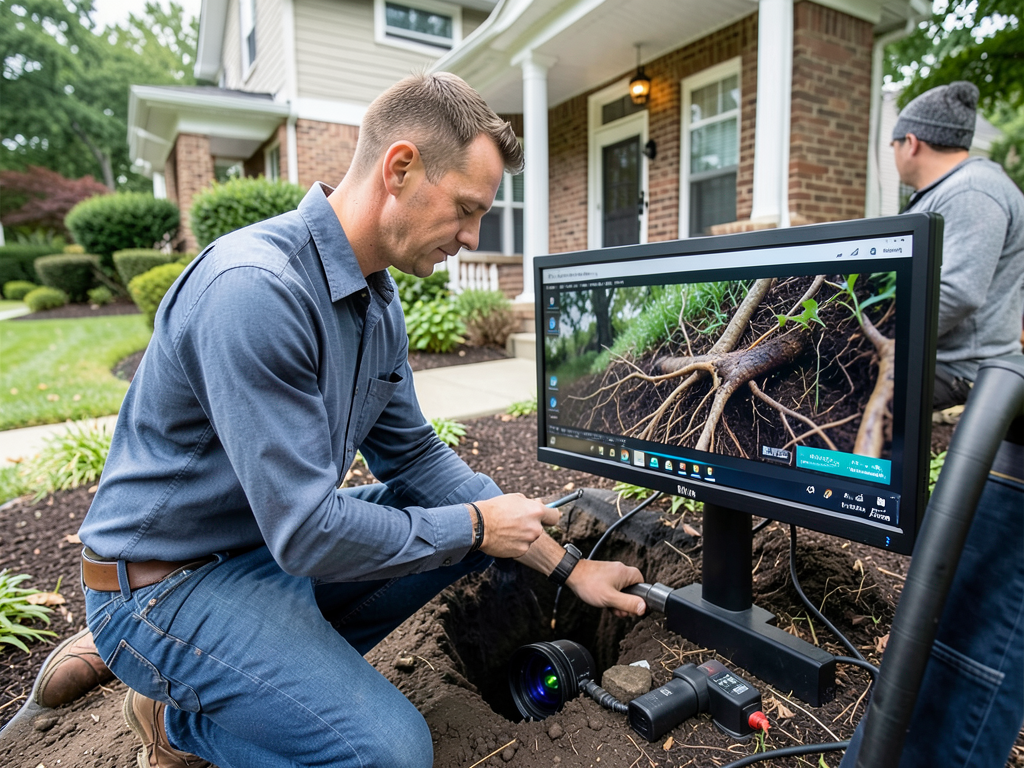
During a camera inspection, a technician inserts a flexible rod with a high-resolution camera into your sewer line. The camera transmits real-time video to a monitor, allowing the technician to see exactly where roots have entered, how extensive the damage is, and what repair options make sense.
The inspection process typically takes 1-2 hours and costs between $250-$400 in the Kansas City area. The technician will document the findings with video footage and provide recommendations for repair.
Key things the camera reveals include: the type of pipe material, the location and severity of root intrusion, any cracks or breaks in the pipe, and the overall condition of the sewer line. This information is crucial for determining whether you need simple root removal or more extensive repairs.
Treatment Options for Tree Root Intrusion
Once tree roots have been confirmed in your sewer line, you have several treatment options depending on the severity of the problem.
Hydro Jetting
Hydro jetting uses high-pressure water (up to 4,000 PSI) to blast roots and debris from your pipes. This method is effective for removing existing roots but doesn’t prevent them from growing back. The process typically costs $400-$600 for residential lines.
Mechanical Rooting
A mechanical auger or “roto-rooter” cuts through roots with rotating blades. While less expensive than hydro jetting ($250-$400), it’s also less thorough and roots often grow back within months.
Chemical Root Killers
Copper sulfate or other chemical treatments can kill roots inside pipes. However, these chemicals can damage pipes over time and may be restricted by local regulations. They also don’t address the underlying pipe damage.
Trenchless Pipe Lining
For severe cases, trenchless pipe lining creates a new pipe inside your existing one. A flexible liner coated with epoxy resin is inserted into the damaged pipe, then inflated and cured in place. This method costs $80-$120 per foot but eliminates future root intrusion by creating a seamless, root-proof pipe.
Traditional Excavation and Replacement
In cases of collapsed pipes or severe damage, traditional excavation may be necessary. This involves digging up the old pipe and replacing it with new PVC. Costs range from $50-$100 per foot plus restoration of landscaping.
Prevention Strategies for Kansas City Homeowners
Preventing tree root intrusion is often more cost-effective than dealing with established problems. Here are strategies that work in Kansas City’s climate and soil conditions.
Regular maintenance is your first line of defense. Schedule professional drain cleaning every 18-24 months if you have mature trees near your sewer line. This removes small root growths before they become major problems.. Read more about A plumbing checklist for every homeowner buying an older property in South Kansas City.
Consider installing a root barrier system. These physical barriers, installed between trees and sewer lines, prevent roots from reaching pipes. They cost $10-$20 per linear foot but can save thousands in repairs.
Choose sewer-friendly trees when landscaping. Some trees have less aggressive root systems than others. The Morton Arboretum recommends trees like Japanese maple, dogwood, or redbud for areas near underground utilities. Morton Arboretum tree recommendations.
Know your sewer line location. Most Kansas City homes have a sewer lateral that runs from the house to the main sewer line in the street. You’re responsible for maintaining this lateral line, which typically falls on your property. Call KC Water at (816) 513-0511 to get a map of your sewer line location.
Who Pays for Repairs? Understanding Your Responsibility
In Kansas City, the homeowner is responsible for the sewer lateral from the house to the main sewer line in the street. This includes any part of the line that runs under the sidewalk or street.
The city maintains the main sewer lines and the portion up to your property line. However, if tree roots from a city tree damage your line, you may still be responsible for repairs unless you can prove negligence.
Check your homeowner’s insurance policy. Most standard policies don’t cover tree root damage to sewer lines, considering it a maintenance issue. However, some policies offer optional coverage for sewer backups that might include root damage.
The average cost of sewer line repairs in Kansas City ranges from $3,000 to $7,000, depending on the extent of damage and repair method chosen. Trenchless methods, while more expensive upfront, often cost less when you factor in landscaping restoration and shorter repair times.
When to Call a Professional Immediately
Some situations require immediate professional attention to prevent extensive damage to your home.
If you notice sewage backing up into your home, especially in multiple fixtures, call a plumber immediately. Raw sewage poses serious health risks and can cause thousands in water damage within hours.
Standing water in your yard near the sewer line, especially if it smells like sewage, indicates a serious break that needs urgent repair. This can contaminate groundwater and create unsafe conditions.
If you’re planning any major landscaping or construction projects, have your sewer line inspected first. Damaging an already-compromised pipe during excavation can turn a manageable problem into a catastrophic one.
Unusual sounds from your plumbing system, like gurgling or bubbling when no water is running, can indicate a developing blockage that will only get worse without intervention. Plumbing Gladstone.
Protecting Your Investment in Hyde Park
The trees that make Hyde Park beautiful don’t have to destroy your sewer line. With proper maintenance, early detection, and appropriate treatment, you can enjoy both your mature trees and reliable plumbing.
Start with a professional inspection if you haven’t had one in the past five years or if you’re experiencing any of the warning signs mentioned above. The cost of inspection is minimal compared to emergency repairs.
Consider the age of your home and the likelihood of clay pipes. Homes built before 1970 in Hyde Park almost certainly have clay sewer lines that are reaching the end of their useful life.
Don’t wait for a complete blockage or sewage backup. Tree root problems always get worse over time, never better. Early intervention means simpler, less expensive repairs.
Your Hyde Park home represents a significant investment. Protecting your sewer line from tree root damage helps maintain that investment and prevents the stress and expense of emergency plumbing situations.
Frequently Asked Questions
How do I know if tree roots are causing my sewer problems?
Multiple slow drains, gurgling sounds, recurring clogs, and sewage odors are the most common signs. A professional camera inspection can confirm if roots are the culprit.
Can I use chemical root killers to solve the problem?
Chemical treatments may kill existing roots but won’t repair pipe damage or prevent new roots from entering. They’re often a temporary solution at best and may be restricted by local regulations.
How much does it cost to remove tree roots from a sewer line?
Basic root removal costs $250-$600. However, if pipe damage exists, you may need repairs ranging from $3,000 to $15,000 depending on the method and extent of damage.
Will cutting down the tree solve my sewer line problems?
Removing the tree may prevent future root intrusion, but it won’t fix existing damage. Roots can continue growing for months after a tree is cut down, and the pipe still needs repair.
How often should I have my sewer line inspected?
If you have mature trees near your sewer line, inspect it every 2-3 years. For homes over 40 years old, annual inspections are recommended as a preventive measure.
Is tree root damage covered by homeowners insurance?
Most standard policies don’t cover tree root damage, considering it a maintenance issue. Some insurers offer optional sewer backup coverage that might include root damage, but you’ll need to check your specific policy.
Can I prevent tree roots from entering my sewer line?
Regular maintenance, root barriers, and choosing appropriate trees for landscaping can help prevent problems. However, if you have existing clay pipes, replacement with modern materials may be the only permanent solution.
How long does a sewer line camera inspection take?
A typical inspection takes 1-2 hours. The plumber will insert a camera into your cleanout or toilet and examine the entire line, documenting any issues with video footage.
What’s the difference between a sewer line and a drain line?
Drain lines carry water from individual fixtures to the main sewer line. The sewer line, also called the main line or lateral, carries all wastewater from your home to the city sewer system.
Should I repair or replace my damaged sewer line?
For minor damage, repairs may suffice. But if your pipes are old clay and have multiple issues, replacement with modern PVC is often more cost-effective long-term, especially considering the trenchless options available today.
Take Action Before It’s Too Late
Tree roots in your sewer line won’t fix themselves. They’ll continue growing until they cause a complete blockage or pipe failure. The longer you wait, the more expensive the repair becomes.
If you’re experiencing any of the warning signs we’ve discussed or if your Hyde Park home is over 40 years old, don’t wait for a sewage backup to force your hand. A simple camera inspection can reveal exactly what’s happening beneath your yard.
Call (816) 473-9233 today to schedule your professional sewer line inspection. Our experienced technicians use state-of-the-art camera equipment to diagnose problems accurately and recommend the most cost-effective solutions.
Don’t let the beautiful trees of Hyde Park destroy your home’s plumbing. Pick up the phone and call (816) 473-9233 before the next storm hits or the next backup occurs. Your home deserves professional care from technicians who understand Kansas City’s unique plumbing challenges.
{
“@context”: “https://schema.org”,
“@type”: “BlogPosting”,
“headline”: “How the beautiful old trees in Hyde Park could be destroying your underground sewer line”,
“description”: “Learn how Hyde Park’s mature trees can damage sewer lines and what Kansas City homeowners need to know about prevention and repair.”,
“wordCount”: 2330,
“datePublished”: “2026-05-14T07:06:00.000Z”,
“dateModified”: “2026-05-14T07:06:00.000Z”,
“inLanguage”: “en-US”,
“mainEntityOfPage”: {
“@type”: “WebPage”,
“@id”: “https://silverlineplumbingkansascity.com”
},
“publisher”: {
“@type”: “LocalBusiness”,
“name”: “Silverline Plumbing Kansas City”,
“url”: “https://silverlineplumbingkansascity.com”
},
“author”: {
“@type”: “Organization”,
“name”: “Silverline Plumbing Kansas City”,
“url”: “https://silverlineplumbingkansascity.com”
},
“image”: {
“@type”: “ImageObject”,
“url”: “https://silverlineplumbingkansascity.com/wp-content/uploads/2026/03/how-the-beautiful-old-trees-in-hyde-park-could-be-1.png”
}
}
{
“@context”: “https://schema.org”,
“@type”: “Plumber”,
“name”: “Silverline Plumbing Kansas City”,
“url”: “https://silverlineplumbingkansascity.com”,
“address”: {
“@type”: “PostalAddress”,
“addressLocality”: “Kansas City”
},
“areaServed”: {
“@type”: “City”,
“name”: “Kansas City”
}
}
{
“@context”: “https://schema.org”,
“@type”: “FAQPage”,
“mainEntity”: [
{
“@type”: “Question”,
“name”: “How do I know if tree roots are causing my sewer problems?”,
“acceptedAnswer”: {
“@type”: “Answer”,
“text”: “Multiple slow drains, gurgling sounds, recurring clogs, and sewage odors are the most common signs. A professional camera inspection can confirm if roots are the culprit.”
}
},
{
“@type”: “Question”,
“name”: “Can I use chemical root killers to solve the problem?”,
“acceptedAnswer”: {
“@type”: “Answer”,
“text”: “Chemical treatments may kill existing roots but won’t repair pipe damage or prevent new roots from entering. They’re often a temporary solution at best and may be restricted by local regulations.”
}
},
{
“@type”: “Question”,
“name”: “How much does it cost to remove tree roots from a sewer line?”,
“acceptedAnswer”: {
“@type”: “Answer”,
“text”: “Basic root removal costs $250-$600. However, if pipe damage exists, you may need repairs ranging from $3,000 to $15,000 depending on the method and extent of damage.”
}
},
{
“@type”: “Question”,
“name”: “Will cutting down the tree solve my sewer line problems?”,
“acceptedAnswer”: {
“@type”: “Answer”,
“text”: “Removing the tree may prevent future root intrusion, but it won’t fix existing damage. Roots can continue growing for months after a tree is cut down, and the pipe still needs repair.”
}
},
{
“@type”: “Question”,
“name”: “How often should I have my sewer line inspected?”,
“acceptedAnswer”: {
“@type”: “Answer”,
“text”: “If you have mature trees near your sewer line, inspect it every 2-3 years. For homes over 40 years old, annual inspections are recommended as a preventive measure.”
}
},
{
“@type”: “Question”,
“name”: “Is tree root damage covered by homeowners insurance?”,
“acceptedAnswer”: {
“@type”: “Answer”,
“text”: “Most standard policies don’t cover tree root damage, considering it a maintenance issue. Some insurers offer optional sewer backup coverage that might include root damage, but you’ll need to check your specific policy.”
}
},
{
“@type”: “Question”,
“name”: “Can I prevent tree roots from entering my sewer line?”,
“acceptedAnswer”: {
“@type”: “Answer”,
“text”: “Regular maintenance, root barriers, and choosing appropriate trees for landscaping can help prevent problems. However, if you have existing clay pipes, replacement with modern materials may be the only permanent solution.”
}
},
{
“@type”: “Question”,
“name”: “How long does a sewer line camera inspection take?”,
“acceptedAnswer”: {
“@type”: “Answer”,
“text”: “A typical inspection takes 1-2 hours. The plumber will insert a camera into your cleanout or toilet and examine the entire line, documenting any issues with video footage.”
}
},
{
“@type”: “Question”,
“name”: “What’s the difference between a sewer line and a drain line?”,
“acceptedAnswer”: {
“@type”: “Answer”,
“text”: “Drain lines carry water from individual fixtures to the main sewer line. The sewer line, also called the main line or lateral, carries all wastewater from your home to the city sewer system.”
}
},
{
“@type”: “Question”,
“name”: “Should I repair or replace my damaged sewer line?”,
“acceptedAnswer”: {
“@type”: “Answer”,
“text”: “For minor damage, repairs may suffice. But if your pipes are old clay and have multiple issues, replacement with modern PVC is often more cost-effective long-term, especially considering the trenchless options available today.”
}
}
]
}
{
“@context”: “https://schema.org”,
“@type”: “BreadcrumbList”,
“itemListElement”: [
{
“@type”: “ListItem”,
“position”: 1,
“name”: “Home”,
“item”: “https://silverlineplumbingkansascity.com”
},
{
“@type”: “ListItem”,
“position”: 2,
“name”: “Blog”,
“item”: “https://silverlineplumbingkansascity.com/blog”
},
{
“@type”: “ListItem”,
“position”: 3,
“name”: “How the beautiful old trees in Hyde Park could be destroying your underground sewer line”
}
]
}
{
“@context”: “https://schema.org”,
“@type”: “Service”,
“serviceType”: “Plumbing”,
“provider”: {
“@type”: “LocalBusiness”,
“name”: “Silverline Plumbing Kansas City”,
“url”: “https://silverlineplumbingkansascity.com”
},
“areaServed”: {
“@type”: “City”,
“name”: “Kansas City”
},
“description”: “Learn how Hyde Park’s mature trees can damage sewer lines and what Kansas City homeowners need to know about prevention and repair.”
}