
How to Find and Shut Off Your Main Water Valve in a Strawberry Hill Emergency
- Locate Your Valve
Find the main water valve in your basement near the front foundation wall or outside in the meter pit. Keep Your Olathe Basement Dry with Reliable Sump Pump Repair and Maintenance.
- Identify the Valve Type
Determine if you have a ball valve (quarter-turn) or gate valve (multiple turns).
- Turn Off the Water
Turn the valve clockwise/right until it stops. For ball valves, turn the handle 90 degrees.
- Open Faucets
Open the lowest faucet in your home to drain remaining water from the pipes. Faucet & Sink Repair.
Water gushing through your Strawberry Hill home can cause thousands of dollars in damage within minutes. Every second counts when you have a burst pipe or major leak. Knowing exactly where your main water valve is located and how to shut it off can save your home from catastrophic water damage.
Strawberry Hill’s historic homes built in the early 1900s often have aging plumbing systems that fail suddenly. The neighborhood sits on clay-rich soil that expands and contracts with moisture changes, putting stress on buried water lines. Kansas City’s freeze-thaw cycles and the area’s proximity to the Missouri River create unique plumbing vulnerabilities that many newer homeowners don’t anticipate. Kansas City Water Services.
Before an emergency strikes, take five minutes to locate your main water valve. This simple preparation could prevent a minor leak from becoming a major disaster. Keep a pipe wrench or valve key near your valve for quick access during an emergency. EPA Safe Drinking Water Act.
Common Locations of the Main Shut-Off Valve in Strawberry Hill Homes
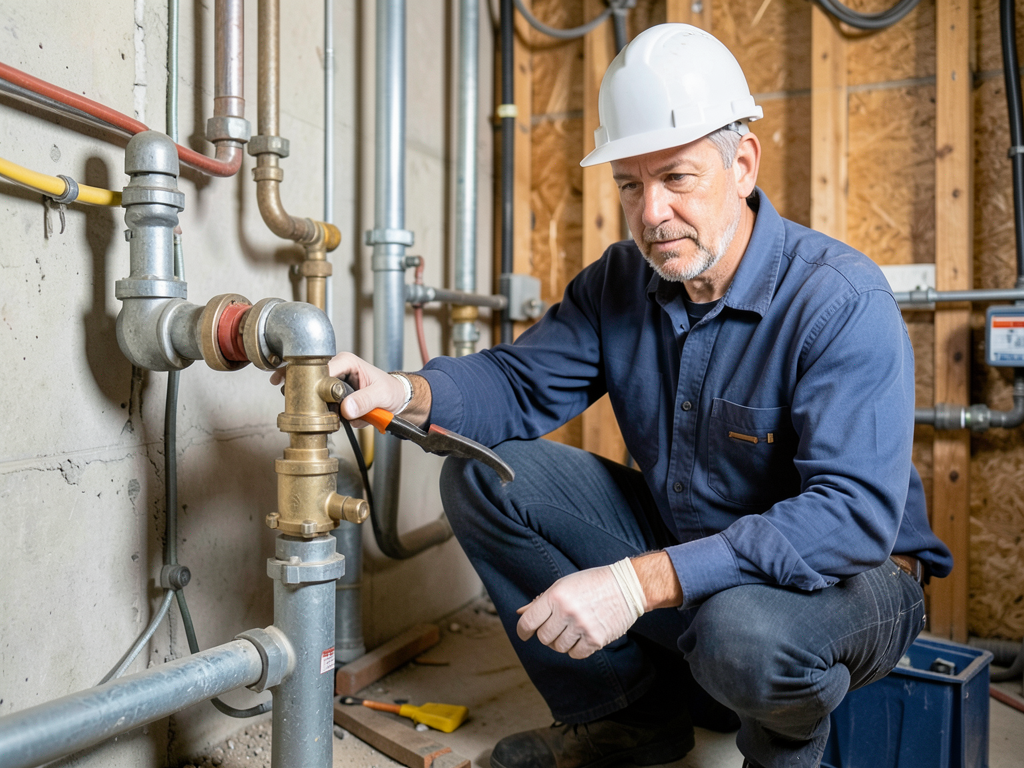
Strawberry Hill’s diverse housing stock means valve locations vary significantly. Most homes built before 1950 have their main shut-off valve in the basement, typically within three to five feet of where the water line enters the foundation. Look for a copper or galvanized pipe coming through the front basement wall.. Read more about Why Your Olathe Basement Needs a Sump Pump Basin Replacement Not Just a New Pump.
In homes with crawl spaces instead of basements, the main valve might be located in a small utility closet or near the water heater. Some older bungalows have the valve hidden behind drywall or paneling, requiring you to remove an access panel to reach it.
Outdoor meter pits are common in newer Strawberry Hill properties, especially those built after the 1980s. These green plastic or metal boxes sit in your front yard near the street. Inside, you’ll find the city’s curb stop valve, which requires a special key to operate. While you can turn this off in emergencies, it’s primarily the city’s responsibility.. Read more about Installing a Frost-Free Outdoor Faucet to Protect Your Prairie Village Foundation.
WaterOne, Johnson County’s water provider, maintains different standards than Kansas City, Missouri’s KC Water system. If your home was recently annexed or you’re unsure who provides your water, check your water bill or call (816) 474-4700 for KC Water or (913) 895-1800 for WaterOne.
Types of Water Valves: Ball Valves vs. Gate Valves
Understanding your valve type helps you shut off water quickly and safely. Ball valves use a rotating ball with a hole through it. When the handle aligns with the pipe, water flows. Turn the handle 90 degrees perpendicular to the pipe to shut off water. These modern valves rarely fail and provide reliable shut-off with minimal effort.
Gate valves use a rising or non-rising stem that moves a metal gate up and down to control water flow. These older valves require multiple clockwise turns to close completely. Gate valves commonly stick in older Strawberry Hill homes due to mineral buildup and corrosion from the area’s hard water.
Gate valves present specific risks during emergencies. The internal stem can break if forced when stuck, leaving you unable to shut off water. Some gate valves develop a “weep” where they don’t fully close, allowing a small but continuous water flow that can still cause damage over time.
Modern building codes now require ball valves for main shut-offs. If your Strawberry Hill home still has a gate valve, consider upgrading to a quarter-turn ball valve for improved reliability. The International Plumbing Code Section 605.8 mandates accessible main shut-off valves in all residential buildings.
Step-by-Step: How to Turn Off the Water Safely
Start by locating your valve and identifying its type. For ball valves, simply turn the handle 90 degrees clockwise until it’s perpendicular to the pipe. You’ll feel resistance when it’s fully closed. For gate valves, turn the handle clockwise continuously until it stops turning.
Never force a stuck valve. If your valve won’t turn easily, apply gentle pressure while turning. Forcing corroded gate valves can break the stem or damage the valve seat, creating a worse situation than the original leak. If the valve feels frozen, call (816) 473-9233 for emergency assistance.
After shutting off the main valve, open the lowest faucet in your home to drain remaining water from the pipes. This prevents continued dripping and reduces pressure on the damaged section. In multi-story homes, water in upper pipes will flow down to the lowest open faucet. DIY vs. Professional Drain Cleaning.
Test your shut-off by checking if water continues flowing from any faucet. If water still flows, your valve may be faulty or partially closed. Some homes have multiple shut-off points, including individual fixture valves under sinks and behind toilets. These can provide temporary control while you address the main valve issue.
What to Do if the Main Valve is Stuck or Corroded
Stuck valves commonly occur in Strawberry Hill’s older homes where gate valves haven’t been operated in years. Mineral deposits from Kansas City’s hard water create a cement-like buildup around valve stems. Corrosion from moisture and temperature changes can fuse internal components together.
Before attempting to free a stuck valve, protect surrounding areas with towels or buckets. Apply penetrating oil like WD-40 around the valve stem, wait 15 minutes, then try turning gently. Never use excessive force or tools that could break the valve. If penetrating oil doesn’t work, stop and call a professional.
For severely stuck valves, plumbers use specialized tools like valve wrenches and stem extractors. These tools apply even pressure to break corrosion bonds without damaging the valve body. In some cases, the valve must be cut out and replaced entirely, a process that requires shutting off water at the street level.
Preventive maintenance prevents stuck valves. Exercise your main valve twice yearly by turning it off and on. This simple practice prevents mineral buildup and ensures the valve remains operational when you need it most. Consider this maintenance part of your seasonal home care routine.
The Curb Stop: When to Call the City vs. a Plumber
The curb stop valve sits in the meter pit near the street and controls water to your entire property. This valve belongs to the city water utility, not the homeowner. You can operate it in emergencies, but major repairs require city intervention.
Call KC Water at (816) 895-1800 for curb stop issues during business hours. For after-hours emergencies, the same number connects you to emergency services. WaterOne customers in Johnson County should call (913) 895-1800. Both utilities provide 24/7 emergency response for water main breaks and service line issues.
Plumbers can work on curb stops only with proper permits and utility coordination. They typically handle the connection between the curb stop and your home’s interior plumbing. If your curb stop is buried, damaged, or inaccessible, you’ll need the city to locate and expose it before repairs begin.
Never attempt to repair or replace a curb stop yourself. These valves operate under high pressure and require specialized tools and knowledge. Unauthorized tampering can result in fines and service interruptions to your neighbors. The EPA’s Safe Drinking Water Act regulates these critical infrastructure components.
Emergency Next Steps: Draining the Lines
After shutting off your main valve, draining the plumbing system prevents continued water damage. Start by opening the lowest faucet in your home, typically in the basement or first floor. This allows gravity to pull water from upper pipes through the open fixture.
Open all faucets throughout your home to relieve pressure and drain remaining water. Don’t forget outdoor hose bibs, which can continue dripping even after the main valve is closed. Remove aerators from sink faucets to allow faster drainage and prevent clogging from debris.
Flush all toilets to empty tanks and bowls. Hold the handle down to remove as much water as possible from the bowl. For homes with water softeners or filtration systems, follow manufacturer instructions for draining these appliances to prevent damage.
Once water stops flowing from faucets, your system is mostly drained. However, some water remains in P-traps under sinks and in toilet bowls. This small amount typically won’t cause damage but can create odors if left stagnant for extended periods.
Document the situation with photos before beginning cleanup. This documentation helps with insurance claims and provides valuable information for repair technicians. Keep your shut-off valve accessible and clearly marked for future emergencies.
Preventing Future Emergencies
Regular plumbing inspections catch problems before they become emergencies. Schedule annual checks of your main valve, water heater, and visible supply lines. Look for corrosion, moisture, and unusual sounds that indicate developing issues.
Install water leak detection systems that automatically shut off water when they detect abnormal flow patterns. These smart devices connect to your home’s Wi-Fi and send alerts to your phone, providing protection even when you’re away from home.
Know your home’s plumbing layout. Locate individual fixture shut-off valves under sinks and behind toilets. These can isolate problems without affecting your entire home’s water supply. Label these valves clearly for quick identification during emergencies.
Keep emergency contact numbers readily available. Post (816) 473-9233 for Silverline Plumbing along with your water utility’s emergency number near your main valve. Store these numbers in your phone under “Plumbing Emergency” for quick access.
Consider installing a whole-house water pressure regulator if your home lacks one. High water pressure stresses pipes and fixtures, increasing failure risk. The ideal residential water pressure ranges from 40 to 60 psi. Pressure above 80 psi requires immediate attention.
Strawberry Hill-Specific Plumbing Considerations
Strawberry Hill’s location near the Missouri River creates unique plumbing challenges. The area’s high water table can cause hydrostatic pressure on basement walls and floors, forcing water through tiny cracks. This pressure can also affect underground water service lines, causing them to shift or break. Solving the Unique Plumbing Problems Common in Older Brookside and Waldo Homes.
Many Strawberry Hill homes built before 1940 used galvanized steel supply lines, which corrode from the inside out. These pipes can fail suddenly without warning, releasing pressurized water into walls and basements. Modern PEX or copper replacements provide better reliability and longevity.
The neighborhood’s clay soil expands and contracts with moisture changes, putting stress on buried water lines. This soil movement can cause pipe joints to separate or create cracks in older clay sewer lines. These same soil conditions affect the stability of your home’s foundation and plumbing connections. Fix Your Overland Park Sewer Line Without Digging Up Your Entire Yard.
Strawberry Hill’s historic character means many homes have multiple plumbing renovations over decades. This patchwork approach can create confusing valve arrangements and non-standard connections. Understanding your home’s specific plumbing configuration helps you respond effectively during emergencies.
Local building codes have evolved significantly since many Strawberry Hill homes were built. Current KCMO plumbing codes require accessible main shut-off valves, pressure-reducing valves for high-pressure areas, and proper support for all piping systems. Older homes may need updates to meet current safety standards.
Tools You Need for Water Emergencies
Keep a basic emergency plumbing kit near your main valve. Essential items include an adjustable wrench for valve operation, a bucket for catching water, and heavy-duty gloves for protection. A flashlight or headlamp helps you see in dark basements or utility closets.
For outdoor meter pits, invest in a meter key or curb key. These T-shaped tools fit the valve stem in the pit and provide leverage for turning stubborn valves. Standard models work for most residential applications, but some utilities use proprietary key designs.
Consider adding a water alarm to your emergency kit. These battery-powered devices sound an alert when they detect moisture, helping you identify leaks early. Place them near your water heater, under sinks, and in basement areas prone to flooding.
Keep the phone number (816) 473-9233 programmed in your phone under “Emergency Plumber.” Add your water utility’s emergency number and your insurance company’s claims line. Quick access to these contacts saves valuable time during emergencies.
Store important documents in a waterproof container. Include your insurance policy, home inspection reports, and any plumbing permits or renovation records. This information helps technicians diagnose problems quickly and ensures proper repairs.
When to Call a Professional
Call a professional plumber when you can’t locate your main valve, when valves are stuck beyond your ability to free them safely, or when you discover extensive corrosion or damage. Don’t risk breaking pipes or creating larger problems trying to handle complex issues yourself.
Emergency situations requiring immediate professional help include burst pipes with uncontrolled water flow, sewage backups, gas line concerns near water lines, and situations where you’ve shut off water but the problem continues. These scenarios need specialized equipment and expertise.
Professional plumbers bring diagnostic tools like thermal imaging cameras to locate hidden leaks, pipe locators to trace underground lines, and pressure testing equipment to identify system weaknesses. They also carry replacement parts and can complete repairs in a single visit.
Silverline Plumbing provides 24/7 emergency service throughout Kansas City, including Strawberry Hill. Our licensed technicians arrive equipped to handle any plumbing emergency, from simple valve replacements to complex system repairs. We understand the unique challenges of older homes and provide lasting solutions.
Don’t wait until an emergency strikes to find a reliable plumber. Research local companies, check reviews, and save contact information before you need it. Having a trusted professional relationship means faster response times and better service when emergencies occur.
Frequently Asked Questions
How long does it take to drain a plumbing system after shutting off the main valve?
Most residential plumbing systems drain completely within 5-10 minutes after opening all faucets. The exact time depends on your home’s size, number of stories, and pipe configuration. Opening the lowest faucet first allows gravity to speed up the process.
Can I turn my water back on myself after shutting it off?
Yes, you can turn your water back on yourself by slowly opening the main valve. Open it gradually to prevent water hammer, which can damage pipes. Once water flows steadily from your faucets, your system is repressurized and ready for use.
What should I do if my main valve is leaking when I try to turn it off?
A leaking valve indicates worn seals or corrosion. Don’t force it further. Place a bucket under the leak to catch water and call a plumber immediately. Continuing to operate a leaking valve can cause complete failure and flooding.
How often should I test my main water valve?
Test your main water valve twice yearly, ideally during seasonal home maintenance. Turn it off and on to ensure smooth operation and prevent mineral buildup. This simple test could save you from disaster during an actual emergency.
Is it normal for some water to continue flowing after I shut off the main valve?
Some residual water remains in pipes after shutting off the main valve. This water will drain through open faucets within minutes. However, if water continues flowing strongly after 10-15 minutes, your valve may not be fully closing or you might have a separate issue requiring professional attention.
Water emergencies strike without warning, but preparation gives you the advantage. Take time today to locate your main water valve, test its operation, and gather basic emergency supplies. This simple preparation could save your Strawberry Hill home from extensive water damage.
When plumbing emergencies occur, every minute matters. Keep (816) 473-9233 programmed in your phone for immediate access to professional emergency service. Our experienced technicians understand Strawberry Hill’s unique plumbing challenges and provide fast, effective solutions to protect your home.
Don’t let a minor leak become a major disaster. Prepare now, act quickly during emergencies, and trust experienced professionals for repairs that last. Your home deserves protection from water damage, and proper preparation provides that security.
Need emergency plumbing help right now? Call (816) 473-9233 for 24/7 service in Strawberry Hill and throughout Kansas City. Don’t wait until water is pouring through your ceiling.
You may also find this helpful. Planning a Home Addition? Here’s How to Connect Your New Plumbing in Gardner.
{
“@context”: “https://schema.org”,
“@type”: “BlogPosting”,
“headline”: “How to Find and Shut Off Your Main Water Valve in a Strawberry Hill Emergency”,
“description”: “Learn where your main water valve hides in Strawberry Hill’s historic homes and how to shut it off fast when pipes burst. Call (816) 473-9233 for emergency help.”,
“wordCount”: 2738,
“datePublished”: “2026-04-01T14:47:00.000Z”,
“dateModified”: “2026-04-01T14:47:00.000Z”,
“inLanguage”: “en-US”,
“mainEntityOfPage”: {
“@type”: “WebPage”,
“@id”: “https://silverlineplumbingkansascity.com”
},
“publisher”: {
“@type”: “LocalBusiness”,
“name”: “Silverline Plumbing Kansas City”,
“url”: “https://silverlineplumbingkansascity.com”
},
“author”: {
“@type”: “Organization”,
“name”: “Silverline Plumbing Kansas City”,
“url”: “https://silverlineplumbingkansascity.com”
},
“image”: {
“@type”: “ImageObject”,
“url”: “https://silverlineplumbingkansascity.com/wp-content/uploads/2026/03/how-to-find-and-shut-off-your-main-water-valve-in-1.png”
}
}
{
“@context”: “https://schema.org”,
“@type”: “Plumber”,
“name”: “Silverline Plumbing Kansas City”,
“url”: “https://silverlineplumbingkansascity.com”,
“address”: {
“@type”: “PostalAddress”,
“addressLocality”: “Kansas City”
},
“areaServed”: {
“@type”: “City”,
“name”: “Kansas City”
}
}
{
“@context”: “https://schema.org”,
“@type”: “FAQPage”,
“mainEntity”: [
{
“@type”: “Question”,
“name”: “How long does it take to drain a plumbing system after shutting off the main valve?”,
“acceptedAnswer”: {
“@type”: “Answer”,
“text”: “Most residential plumbing systems drain completely within 5-10 minutes after opening all faucets. The exact time depends on your home’s size, number of stories, and pipe configuration. Opening the lowest faucet first allows gravity to speed up the process.”
}
},
{
“@type”: “Question”,
“name”: “Can I turn my water back on myself after shutting it off?”,
“acceptedAnswer”: {
“@type”: “Answer”,
“text”: “Yes, you can turn your water back on yourself by slowly opening the main valve. Open it gradually to prevent water hammer, which can damage pipes. Once water flows steadily from your faucets, your system is repressurized and ready for use.”
}
},
{
“@type”: “Question”,
“name”: “What should I do if my main valve is leaking when I try to turn it off?”,
“acceptedAnswer”: {
“@type”: “Answer”,
“text”: “A leaking valve indicates worn seals or corrosion. Don’t force it further. Place a bucket under the leak to catch water and call a plumber immediately. Continuing to operate a leaking valve can cause complete failure and flooding.”
}
},
{
“@type”: “Question”,
“name”: “How often should I test my main water valve?”,
“acceptedAnswer”: {
“@type”: “Answer”,
“text”: “Test your main water valve twice yearly, ideally during seasonal home maintenance. Turn it off and on to ensure smooth operation and prevent mineral buildup. This simple test could save you from disaster during an actual emergency.”
}
},
{
“@type”: “Question”,
“name”: “Is it normal for some water to continue flowing after I shut off the main valve?”,
“acceptedAnswer”: {
“@type”: “Answer”,
“text”: “Some residual water remains in pipes after shutting off the main valve. This water will drain through open faucets within minutes. However, if water continues flowing strongly after 10-15 minutes, your valve may not be fully closing or you might have a separate issue requiring professional attention.”
}
}
]
}
{
“@context”: “https://schema.org”,
“@type”: “HowTo”,
“name”: “Emergency Water Shut-Off”,
“step”: [
{
“@type”: “HowToStep”,
“position”: 1,
“name”: “Locate Your Valve”,
“text”: “Find the main water valve in your basement near the front foundation wall or outside in the meter pit. Keep Your Olathe Basement Dry with Reliable Sump Pump Repair and Maintenance.”
},
{
“@type”: “HowToStep”,
“position”: 2,
“name”: “Identify the Valve Type”,
“text”: “Determine if you have a ball valve (quarter-turn) or gate valve (multiple turns).”
},
{
“@type”: “HowToStep”,
“position”: 3,
“name”: “Turn Off the Water”,
“text”: “Turn the valve clockwise/right until it stops. For ball valves, turn the handle 90 degrees.”
},
{
“@type”: “HowToStep”,
“position”: 4,
“name”: “Open Faucets”,
“text”: “Open the lowest faucet in your home to drain remaining water from the pipes. Faucet & Sink Repair.”
}
],
“image”: “https://silverlineplumbingkansascity.com/wp-content/uploads/2026/03/how-to-find-and-shut-off-your-main-water-valve-in-1.png”
}
{
“@context”: “https://schema.org”,
“@type”: “BreadcrumbList”,
“itemListElement”: [
{
“@type”: “ListItem”,
“position”: 1,
“name”: “Home”,
“item”: “https://silverlineplumbingkansascity.com”
},
{
“@type”: “ListItem”,
“position”: 2,
“name”: “Blog”,
“item”: “https://silverlineplumbingkansascity.com/blog”
},
{
“@type”: “ListItem”,
“position”: 3,
“name”: “How to Find and Shut Off Your Main Water Valve in a Strawberry Hill Emergency”
}
]
}
{
“@context”: “https://schema.org”,
“@type”: “Service”,
“serviceType”: “Plumbing”,
“provider”: {
“@type”: “LocalBusiness”,
“name”: “Silverline Plumbing Kansas City”,
“url”: “https://silverlineplumbingkansascity.com”
},
“areaServed”: {
“@type”: “City”,
“name”: “Kansas City”
},
“description”: “Learn where your main water valve hides in Strawberry Hill’s historic homes and how to shut it off fast when pipes burst. Call (816) 473-9233 for emergency help.”
}