
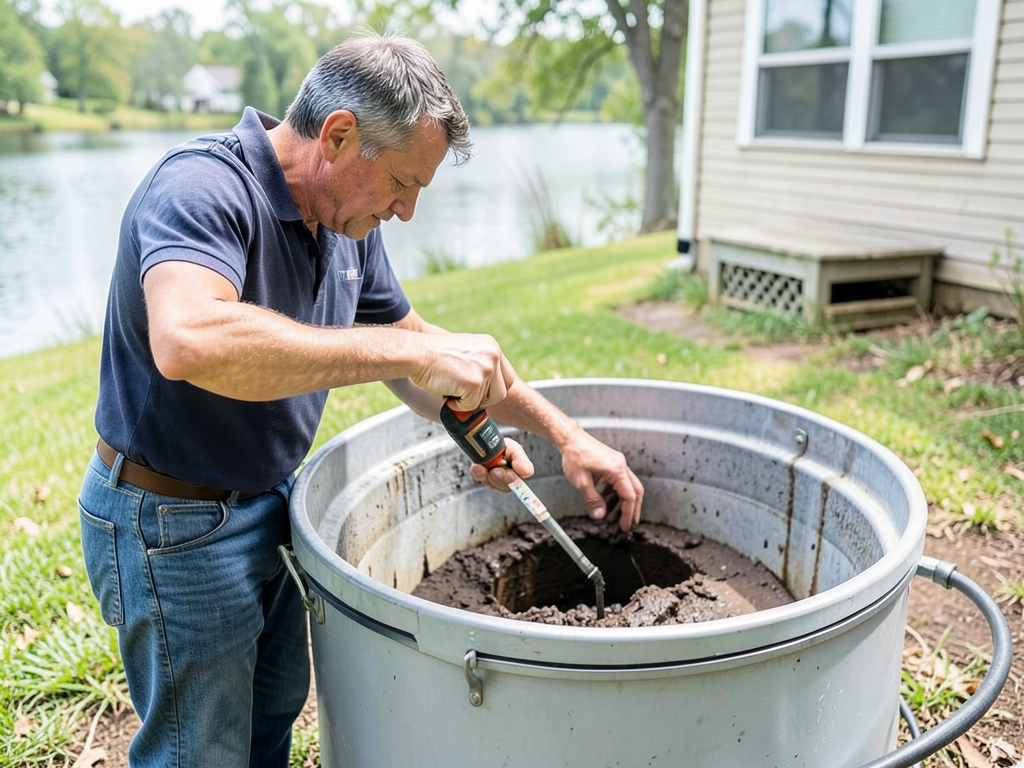
Professional Septic Tank Maintenance in Smithville, MO
Living in Smithville means dealing with heavy Missouri clay soil and seasonal weather patterns that can challenge your septic system. This guide explains exactly what Smithville homeowners need to know about maintaining their septic tanks to avoid costly failures and protect the environment near Smithville Lake. Missouri Department of Natural Resources.
Smithville’s location in Clay County places it in an area with unique soil composition and water table conditions. The heavy clay soil common throughout the region drains slowly which means your septic system must work harder to process waste. Understanding these local conditions helps you maintain your system properly and avoid the emergency calls that come from neglect. Clay County Public Health Center.
Why Smithville Homeowners Need Regular Septic Maintenance
The heavy clay soil in Smithville and surrounding Clay County creates specific challenges for septic systems. Clay particles are extremely small which reduces the soil’s ability to absorb water and filter effluent from your septic tank. This means your drain field must be larger than average and requires more careful maintenance to function properly. DIY vs. Professional Drain Cleaning.
Smithville’s proximity to Smithville Lake adds another layer of responsibility. The lake watershed requires all residents to maintain their septic systems to prevent contamination of this important recreational and drinking water source. Clay County Health Department regulations specifically address septic maintenance near the lake to protect water quality.. Read more about Thinking of switching from well water to city water in Basehor? Here is what to expect.
Missouri’s seasonal weather patterns also affect your septic system. Spring rains can saturate the ground making it difficult for your drain field to absorb effluent. Winter freezes can damage pipes if your system isn’t properly insulated. These local climate factors make regular maintenance essential for Smithville homeowners.
Our Comprehensive Maintenance Checklist
Professional septic maintenance follows a specific checklist to ensure every component functions correctly. Here’s what our technicians inspect during each service visit:
- Sludge Level Measurement
We use a specialized measuring tool to check the depth of sludge and scum layers in your tank. When sludge reaches about one-third of tank capacity it’s time for pumping. This prevents solids from flowing into your drain field and causing clogs.
- Baffle Inspection
The inlet and outlet baffles prevent solids from entering the drain field. We check these components for damage or deterioration. Broken baffles allow solids to escape which can destroy your drain field within months.
- Effluent Filter Cleaning
Modern systems include filters that trap suspended solids before they reach the drain field. We remove and clean these filters to maintain proper flow rates. A clogged filter can cause backups in your home.
- Drain Field Health Check
We inspect the area above your drain field for signs of trouble. Soggy soil, unusually green grass, or foul odors indicate your drain field isn’t absorbing effluent properly. Early detection prevents complete system failure.
- Pipe and Distribution Box Inspection
We check all pipes for cracks, root intrusion, or blockages. The distribution box ensures effluent flows evenly through all drain field lines. Uneven distribution causes some areas to fail while others remain underutilized.
Septic System Regulations in Clay County
Clay County Public Health Center enforces specific regulations for septic systems in Smithville and surrounding areas. These rules protect public health and the environment while ensuring your system functions properly for its expected lifespan.
Missouri Department of Natural Resources (DNR) requires permits for all new septic installations and major repairs. The permit process includes soil testing to determine the appropriate system size and type for your property. Smithville’s clay soil often requires larger drain fields than sandy areas would need.
Clay County mandates minimum distances between septic components and water sources. Your tank must be at least 10 feet from any building foundation and 50 feet from any well or surface water. These setbacks prevent contamination of drinking water and structural damage to your home.
The county also requires regular pumping based on tank size and household occupancy. A typical three-bedroom home with a 1,000-gallon tank needs pumping every three to five years. Failure to maintain your system can result in fines and mandatory repairs at your expense.
Signs Your Septic Tank Needs Immediate Attention
Recognizing early warning signs can save you thousands in emergency repairs. Here are the most common indicators that your Smithville septic system needs professional attention:
- Slow Drains Throughout the House – When multiple fixtures drain slowly it often indicates your tank is full or your drain field is failing. This happens when solids block the outlet pipe or when the drain field becomes saturated.
- Unpleasant Odors Inside or Outside – Sewage smells in your home or near your drain field indicate problems with your system. The odor comes from gases escaping through cracks or from surface effluent.
- Lush Green Grass Over the Drain Field – While healthy grass is normal, unusually green or fast-growing grass over your drain field suggests effluent is surfacing instead of being absorbed properly.
- Gurgling Sounds in Plumbing – Gurgling noises when you flush toilets or run water indicate air is trapped in your pipes due to blockages or full tanks.
- Standing Water Near the Tank or Drain Field – Pooling water in these areas means your system isn’t processing waste properly. This can happen during heavy rains if your drain field is already compromised.
Seasonal Maintenance for Missouri Winters
Missouri’s freeze-thaw cycles create unique challenges for septic systems. Proper winter preparation prevents frozen pipes and system damage that can leave you without working plumbing during the coldest months. Solving the Unique Plumbing Problems Common in Older Brookside and Waldo Homes.
Before winter arrives have your tank pumped if it’s due. A full tank is more likely to freeze than one with adequate capacity. The bacteria that break down waste generate heat so maintaining proper bacterial populations helps prevent freezing.
Insulate exposed pipes with foam insulation or heat tape. Pay special attention to pipes running from your house to the tank and from the tank to the drain field. These areas are most vulnerable to freezing temperatures.
Keep grass mowed over your drain field during fall. Short grass allows snow to accumulate which provides natural insulation. However avoid driving or parking vehicles over the drain field as the weight can compact soil and damage pipes.
During spring thaw monitor your system closely. Rapid melting can saturate the ground causing your drain field to back up. Reduce water usage during heavy rains and avoid doing multiple loads of laundry in one day.
Comparing Aerobic vs. Anaerobic Systems in Smithville
Smithville homeowners have different septic system options depending on their property characteristics and local regulations. Understanding the differences helps you make informed decisions about maintenance and potential upgrades. Upgrade Your Prairie Village Home with a Professional Low-Flow Toilet Installation.
| System Type | Initial Cost | Maintenance Requirements | Best For |
|---|---|---|---|
| Aerobic Treatment Unit | $$ – $$$$ | Monthly inspections, annual professional service | Small lots, poor soil conditions |
| Conventional Anaerobic | $ – $$ | Pumping every 3-5 years, minimal other maintenance | Larger properties with adequate soil depth |
| Mound System | $$$ – $$$$ | Annual inspection, occasional pump adjustments | High water table areas, shallow bedrock |
Aerobic systems use oxygen to break down waste more completely than anaerobic systems. They produce cleaner effluent but require more maintenance and electricity to operate. Smithville’s clay soil sometimes makes aerobic systems necessary when conventional systems won’t work effectively.
Conventional anaerobic systems are simpler and less expensive to maintain. They rely on natural bacterial processes in oxygen-free environments. These systems work well in Smithville when soil conditions allow adequate drainage and when property sizes provide enough space for proper drain field installation.
Emergency Septic Repair Services in Smithville
When your septic system fails you need immediate professional help. Our emergency repair services in Smithville respond quickly to prevent property damage and health hazards from sewage backups.
Common emergency situations include complete drain field failure, broken pipes, and tank overflows. These problems often develop gradually but become emergencies when they cause sewage to back up into your home or surface in your yard.
Our technicians arrive with fully stocked trucks containing the tools and parts needed for most common repairs. We can often resolve issues within hours rather than days, minimizing disruption to your household and preventing further damage to your property.
Emergency services cost more than scheduled maintenance but prevent much larger expenses from property damage. A sewage backup can ruin flooring, walls, and personal belongings while creating serious health hazards that require professional remediation.
Frequently Asked Questions
How often should I pump my septic tank in Smithville?
Most Smithville homes need pumping every three to five years depending on household size and tank capacity. A family of four with a 1,000-gallon tank typically needs service every three years while a retired couple might go five years between pumpings.
Can I plant trees near my drain field?
Keep all trees and large shrubs at least 30 feet from your drain field. Tree roots can grow into pipes causing blockages and breaks. Grass is the best ground cover for drain fields as it prevents erosion without causing root damage.. Read more about How the beautiful old trees in Hyde Park could be destroying your underground sewer line.
What should I avoid putting down my drains?
Never put grease, coffee grounds, paper towels, feminine products, or harsh chemicals down your drains. These items don’t break down in your septic tank and can cause serious problems. Even “flushable” wipes should be avoided as they don’t decompose quickly enough.
How do I know if my drain field is failing?
Signs include soggy ground above the drain field, unusually green grass, sewage odors, and slow drains throughout your home. If you notice these symptoms call a professional immediately as drain field problems worsen quickly and can cause complete system failure.
Protecting Your Investment
Your septic system represents a significant investment in your Smithville home. Proper maintenance costs far less than emergency repairs or system replacement. A new septic system can cost $10,000 to $30,000 while regular maintenance typically costs a few hundred dollars per year.
Consider installing risers over your tank access ports if they’re buried deep underground. This makes pumping and inspection much easier and less expensive. Many Smithville homeowners find this simple upgrade saves money on every service call.
Keep detailed records of all maintenance and repairs. These records help technicians diagnose problems more quickly and can be valuable if you sell your home. Many buyers ask for septic system maintenance records as part of their home inspection process.
Educate your family about proper septic system use. Simple habits like fixing leaky toilets and spreading out laundry loads can extend your system’s life by years. The bacteria in your tank need time to break down waste so sudden large volumes of water can overwhelm the system.
Call (816) 473-9233 today to schedule your septic system inspection. Our Smithville technicians understand local soil conditions and regulations. We’ll provide honest recommendations based on your specific system and usage patterns. Don’t wait for emergency repairs when regular maintenance prevents most problems.
Pick up the phone and call (816) 473-9233 before the next storm hits. Smithville’s spring rains can quickly overwhelm a system that’s already struggling. Our team is ready to help you avoid the mess and expense of septic system failure.
Remember that proper septic maintenance protects not just your property but also Smithville Lake and the entire community. Your responsible actions help keep our water clean and our environment healthy for everyone who enjoys this beautiful area.
{
“@context”: “https://schema.org”,
“@type”: “BlogPosting”,
“headline”: “Maintenance Tips for Keeping Your Smithville Septic System Running Smoothly”,
“description”: “Expert septic tank maintenance for Smithville homeowners. Learn local Clay County regulations, pumping schedules, and signs of failure specific to Missouri clay soil.”,
“wordCount”: 1891,
“datePublished”: “2026-04-21T08:13:00.000Z”,
“dateModified”: “2026-04-21T08:13:00.000Z”,
“inLanguage”: “en-US”,
“mainEntityOfPage”: {
“@type”: “WebPage”,
“@id”: “https://silverlineplumbingkansascity.com”
},
“publisher”: {
“@type”: “LocalBusiness”,
“name”: “Silverline Plumbing Kansas City”,
“url”: “https://silverlineplumbingkansascity.com”
},
“author”: {
“@type”: “Organization”,
“name”: “Silverline Plumbing Kansas City”,
“url”: “https://silverlineplumbingkansascity.com”
},
“image”: {
“@type”: “ImageObject”,
“url”: “https://silverlineplumbingkansascity.com/wp-content/uploads/2026/03/maintenance-tips-for-keeping-your-smithville-septi-1.png”
}
}
{
“@context”: “https://schema.org”,
“@type”: “Plumber”,
“name”: “Silverline Plumbing Kansas City”,
“url”: “https://silverlineplumbingkansascity.com”,
“address”: {
“@type”: “PostalAddress”,
“addressLocality”: “Kansas City”
},
“areaServed”: {
“@type”: “City”,
“name”: “Kansas City”
}
}
{
“@context”: “https://schema.org”,
“@type”: “FAQPage”,
“mainEntity”: [
{
“@type”: “Question”,
“name”: “How often should I pump my septic tank in Smithville?”,
“acceptedAnswer”: {
“@type”: “Answer”,
“text”: “Most Smithville homes need pumping every three to five years depending on household size and tank capacity. A family of four with a 1,000-gallon tank typically needs service every three years while a retired couple might go five years between pumpings.”
}
},
{
“@type”: “Question”,
“name”: “Can I plant trees near my drain field?”,
“acceptedAnswer”: {
“@type”: “Answer”,
“text”: “Keep all trees and large shrubs at least 30 feet from your drain field. Tree roots can grow into pipes causing blockages and breaks. Grass is the best ground cover for drain fields as it prevents erosion without causing root damage.”
}
},
{
“@type”: “Question”,
“name”: “What should I avoid putting down my drains?”,
“acceptedAnswer”: {
“@type”: “Answer”,
“text”: “Never put grease, coffee grounds, paper towels, feminine products, or harsh chemicals down your drains. These items don’t break down in your septic tank and can cause serious problems. Even \”flushable\” wipes should be avoided as they don’t decompose quickly enough.”
}
},
{
“@type”: “Question”,
“name”: “How do I know if my drain field is failing?”,
“acceptedAnswer”: {
“@type”: “Answer”,
“text”: “Signs include soggy ground above the drain field, unusually green grass, sewage odors, and slow drains throughout your home. If you notice these symptoms call a professional immediately as drain field problems worsen quickly and can cause complete system failure.”
}
}
]
}
{
“@context”: “https://schema.org”,
“@type”: “HowTo”,
“name”: “Septic System Maintenance Steps”,
“step”: [
{
“@type”: “HowToStep”,
“position”: 1,
“name”: “Sludge Level Measurement”,
“text”: “We use a specialized measuring tool to check the depth of sludge and scum layers in your tank. When sludge reaches about one-third of tank capacity it’s time for pumping. This prevents solids from flowing into your drain field and causing clogs.”
},
{
“@type”: “HowToStep”,
“position”: 2,
“name”: “Baffle Inspection”,
“text”: “The inlet and outlet baffles prevent solids from entering the drain field. We check these components for damage or deterioration. Broken baffles allow solids to escape which can destroy your drain field within months.”
},
{
“@type”: “HowToStep”,
“position”: 3,
“name”: “Effluent Filter Cleaning”,
“text”: “Modern systems include filters that trap suspended solids before they reach the drain field. We remove and clean these filters to maintain proper flow rates. A clogged filter can cause backups in your home.”
},
{
“@type”: “HowToStep”,
“position”: 4,
“name”: “Drain Field Health Check”,
“text”: “We inspect the area above your drain field for signs of trouble. Soggy soil, unusually green grass, or foul odors indicate your drain field isn’t absorbing effluent properly. Early detection prevents complete system failure.”
},
{
“@type”: “HowToStep”,
“position”: 5,
“name”: “Pipe and Distribution Box Inspection”,
“text”: “We check all pipes for cracks, root intrusion, or blockages. The distribution box ensures effluent flows evenly through all drain field lines. Uneven distribution causes some areas to fail while others remain underutilized.”
}
],
“image”: “https://silverlineplumbingkansascity.com/wp-content/uploads/2026/03/maintenance-tips-for-keeping-your-smithville-septi-1.png”
}
{
“@context”: “https://schema.org”,
“@type”: “BreadcrumbList”,
“itemListElement”: [
{
“@type”: “ListItem”,
“position”: 1,
“name”: “Home”,
“item”: “https://silverlineplumbingkansascity.com”
},
{
“@type”: “ListItem”,
“position”: 2,
“name”: “Blog”,
“item”: “https://silverlineplumbingkansascity.com/blog”
},
{
“@type”: “ListItem”,
“position”: 3,
“name”: “Maintenance Tips for Keeping Your Smithville Septic System Running Smoothly”
}
]
}
{
“@context”: “https://schema.org”,
“@type”: “Service”,
“serviceType”: “Plumbing”,
“provider”: {
“@type”: “LocalBusiness”,
“name”: “Silverline Plumbing Kansas City”,
“url”: “https://silverlineplumbingkansascity.com”
},
“areaServed”: {
“@type”: “City”,
“name”: “Kansas City”
},
“description”: “Expert septic tank maintenance for Smithville homeowners. Learn local Clay County regulations, pumping schedules, and signs of failure specific to Missouri clay soil.”
}