
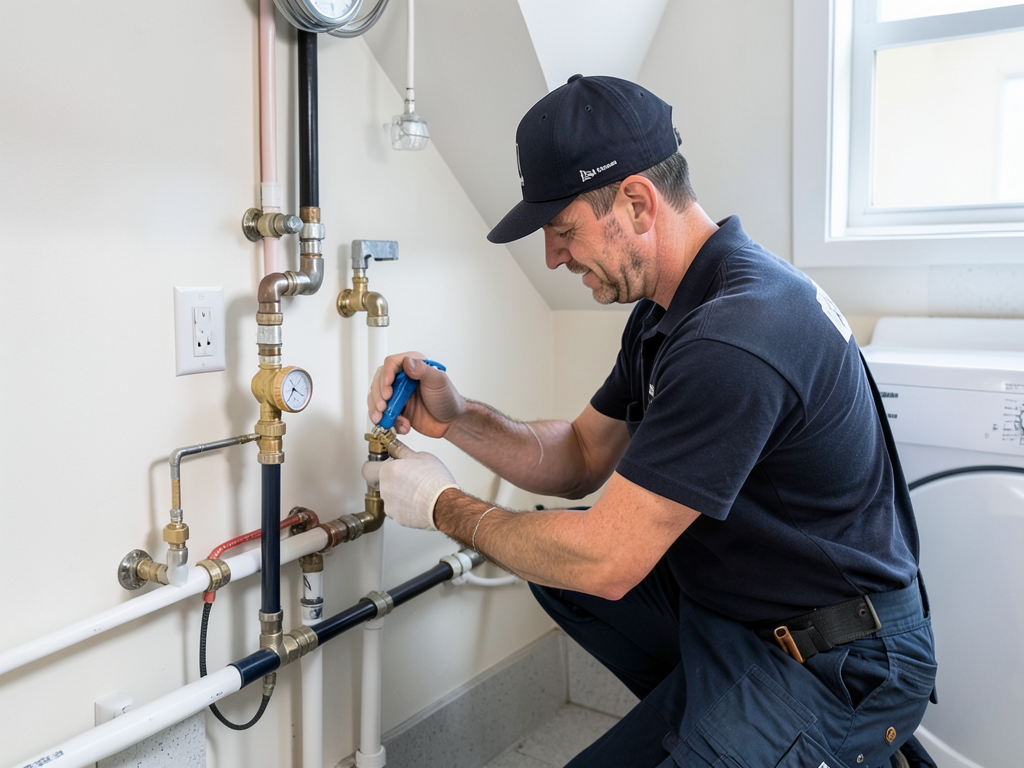
What Homeowners Should Know Before Moving a Laundry Room to the Second Floor in Independence
Moving your laundry room upstairs in Independence can free up valuable main-floor space and make laundry day much more convenient. However, this upgrade involves complex plumbing work that requires careful planning and professional expertise. The process involves creating proper drainage systems, ensuring adequate water supply, and meeting Independence building codes. Without the right installation, you risk water damage, mold growth, and costly repairs down the road. EPA WaterSense standards.
Before you start knocking down walls or ordering new appliances, understand that second-floor laundry requires proper venting to prevent sewer gas from entering your home. The drain lines must have the correct slope to ensure wastewater flows properly. Water supply lines need to be sized correctly to handle the washing machine’s demand. These aren’t weekend DIY projects – they require licensed plumbers who understand Independence’s specific building requirements. Fix Your Overland Park Sewer Line Without Digging Up Your Entire Yard.
Can You Move a Laundry Room Anywhere Upstairs
The first question homeowners ask is whether any upstairs location works for a laundry room. The answer depends on your home’s existing plumbing infrastructure. Your washing machine needs access to a main drain line, proper venting, and water supply pipes. In Independence’s older homes, especially those built before 1980, the main plumbing stack might be located far from ideal laundry room locations. DIY vs. Professional Drain Cleaning.
Most successful second-floor laundry installations happen near existing bathrooms or where plumbing already runs through walls. This minimizes the distance water needs to travel and reduces installation costs. Homes in Independence’s historic districts like the Englewood area often have cast iron drain pipes that require special adapters when adding new fixtures. The good news is that modern PEX piping makes it easier to run new supply lines through walls without major demolition. Plumbing Gladstone.
Before deciding on a location, have a licensed plumber inspect your home’s plumbing system. They can identify the main drain line location, check vent stack accessibility, and determine if your floor joists can support the added weight of a washing machine full of water. This inspection typically costs between $150-300 but saves thousands in potential mistakes.. Read more about Choosing Between Battery and Water-Powered Sump Pump Backups for Your Olathe Basement.
Technical Requirements for Laundry Relocation
Moving laundry upstairs requires meeting specific technical standards that protect your home from water damage and ensure proper appliance function. The International Plumbing Code requires a minimum 2-inch drain pipe for washing machines, with a standpipe that extends 18-30 inches above the trap weir. This height prevents water from siphoning out during the wash cycle while allowing proper drainage. International Plumbing Code.
The washing machine outlet box must include a P-trap that maintains a water seal to block sewer gases. Without this seal, harmful gases like methane and hydrogen sulfide can enter your living space. The vent pipe must extend through the roof and terminate at least 6 inches above the roof surface, or connect to an existing vent stack if one is nearby.. Read more about Water Softener vs Water Conditioner – Which is Right for Your Shawnee Home?.
Water supply lines require specific sizing based on your washing machine’s flow rate. Most modern washers need 1/2-inch supply lines with individual shutoff valves. The lines should include hammer arrestors to prevent water hammer – that loud banging sound when valves close suddenly. These arrestors protect your pipes from damage and extend the life of your plumbing system.. Read more about Why You Should Never Buy an Older Home in Country Club Plaza Without a Professional Sewer Scope.
Drainage and Standpipes
The standpipe serves as the connection point between your washing machine’s drain hose and your home’s drainage system. It must be the correct height – too short and water backs up into the machine, too tall and the washer can’t drain properly. The standpipe should extend above the flood level of the washing machine to prevent overflow during the drain cycle.
Independence’s clay soil can cause foundation movement that affects pipe alignment over time. When installing new drain lines, plumbers often use flexible couplings to accommodate minor shifts without causing leaks. The drain pipe must maintain a minimum slope of 1/4 inch per foot to ensure proper drainage. Any less slope and water pools in the pipes; any more and solids can’t travel properly.
Water Supply Lines
Modern washing machines require both hot and cold water supply lines with adequate pressure. The typical residential washing machine needs 4-6 gallons per minute flow rate. Using undersized supply lines causes long fill times and can damage the washing machine’s internal components. Most plumbers recommend 1/2-inch PEX or copper supply lines for laundry applications.
PEX piping has become the standard for new installations because it resists freezing, doesn’t corrode, and flexes around obstacles without requiring joints. In Independence’s older homes with galvanized steel pipes, replacing the entire supply line to the laundry area often makes more sense than trying to adapt old pipes. Galvanized pipes corrode from the inside, reducing water flow and eventually causing complete blockages.
Ventilation Requirements
Proper ventilation prevents sewer gases from entering your home and ensures your washing machine drains correctly. The vent pipe must maintain a continuous upward path to the roof without dips or low spots where moisture can collect. In second-floor installations, this often means running the vent pipe through an interior wall to connect with an existing vent stack.
If no existing vent is nearby, you may need to install a new vent that extends through the roof. This requires cutting through roof decking and shingles, installing proper flashing to prevent leaks, and ensuring the vent extends high enough to prevent wind-driven rain from entering. The cost of adding a new vent typically ranges from $500-1,200 depending on roof complexity.
The Role of the Floor Drain
Many homeowners don’t realize that second-floor laundry rooms should include a floor drain as a safety measure. If your washing machine hose bursts or the drain line clogs, a floor drain provides an escape path for water before it damages your ceiling below. The floor drain connects to the main drainage system and should be located near the washing machine.
Floor drains require a trap just like any other plumbing fixture to prevent sewer gas entry. They also need a proper cleanout access for maintenance. Some Independence homeowners opt for a drain pan under the washing machine that connects to the floor drain, providing an extra layer of protection against leaks.
Kansas City Building Codes & Permits
Moving laundry upstairs in Independence requires permits from the city’s Building and Code Enforcement department. The permit process ensures your installation meets the International Plumbing Code as adopted by Missouri. Most laundry room relocations require a plumbing permit costing $75-150, plus potential electrical permits if new outlets are needed.
The Independence building code requires that all new plumbing installations be performed by a licensed plumber. This protects homeowners from substandard work that could cause water damage or create health hazards. During inspection, the city verifies that drain lines have proper slope, vents are correctly sized, and all connections are watertight.
Older homes in Independence’s historic districts may face additional requirements. The city’s Historic Preservation Commission reviews changes to properties in designated areas to ensure modifications don’t compromise architectural integrity. This might affect where you can run new vent pipes or how you access existing plumbing stacks.
Water hammer arrestors are now required by code for washing machine installations. These devices absorb the shock wave created when the washing machine’s solenoid valves close suddenly. Without them, the pressure spike can damage pipes, cause leaks at joints, and create that annoying banging sound in your walls.
Cost Factors in the KC Metro Area
The total cost to move laundry upstairs varies significantly based on your home’s existing plumbing configuration. If you’re lucky and the new location is near existing plumbing, costs might range from $1,500-3,000. This covers running new supply lines, creating a proper drain system, and making necessary wall modifications.
More complex installations where plumbing needs to be run across the house or up from the basement can cost $3,000-6,000. These projects often require cutting into walls, running new vent pipes through multiple floors, and potentially upgrading your home’s main drain line to handle the additional fixture. Keep Your Olathe Basement Dry with Reliable Sump Pump Repair and Maintenance.
Older Independence homes with galvanized steel pipes might need complete supply line replacement, adding $1,000-2,000 to the project. Cast iron drain pipes may require special adapters or replacement sections, increasing costs by several hundred dollars. The age and condition of your home’s existing plumbing significantly impacts the final price.
Don’t forget to factor in the cost of finishing work after plumbing installation. This includes repairing drywall, painting, and potentially refinishing floors where new plumbing lines were installed. These costs typically add 20-30% to the base plumbing price but are necessary for a complete, professional installation.
Why DIY is Risky for Laundry Plumbing
Many homeowners underestimate the complexity of moving laundry plumbing. What looks like a simple project can quickly become a nightmare of water damage, mold growth, and code violations. The most common DIY mistake is improper drain line slope. Even a slight deviation from the required 1/4 inch per foot can cause chronic drainage problems that lead to standing water and eventual pipe failure.
Another frequent error is inadequate venting. Without proper venting, your washing machine will either drain too slowly or create a vacuum that pulls water out of traps elsewhere in your home. This allows sewer gases to enter living spaces, creating health hazards and unpleasant odors. Professional plumbers use specialized tools to pressure-test drain systems and verify proper venting before walls are closed up.
Water damage from improper plumbing installations costs homeowners thousands in repairs. A small leak behind a wall can go unnoticed for months, causing rot, mold growth, and structural damage. By the time you notice water stains on your ceiling, the damage might require replacing drywall, insulation, and even floor joists. Professional installation includes proper sealing, testing, and documentation that protects your investment.
Insurance companies often deny claims for water damage caused by unpermitted plumbing work. If you sell your home, unpermitted modifications can complicate the sale or reduce your property value. The small upfront savings from DIY work rarely justify the long-term risks and potential costs of professional remediation.
Frequently Asked Questions
How long does it take to move a laundry room upstairs?
A typical second-floor laundry installation takes 2-4 days for the plumbing work, plus additional time for finishing and inspections. Complex projects involving major wall modifications or new vent installations may take a week or more. Your plumber can provide a more accurate timeline after inspecting your specific situation.
Will I need to replace my washing machine for upstairs installation?
Most modern washing machines work fine upstairs, but you should verify that your model is suitable for second-floor installation. Some high-efficiency front-loaders have specific requirements for drain height and water pressure. Your plumber can check your machine’s specifications against your home’s plumbing capabilities.
What happens if my upstairs laundry room floods?
Professional installations include multiple safeguards against flooding. These include floor drains, drain pans, overflow protection, and proper pipe securing. However, no system is completely foolproof. Consider installing a water alarm near your washing machine that alerts you to leaks before major damage occurs.
Do I need a special washing machine for upstairs installation?
While you don’t need a special washing machine, newer models with auto-shutoff features and leak detection provide extra protection for upstairs installations. Some homeowners also install washing machine-specific water shutoff valves that automatically cut water supply if a leak is detected.
Can I move my laundry room to a bedroom closet?
Yes, many homeowners convert bedroom closets to laundry spaces. However, this requires careful planning for noise, vibration, and moisture control. You’ll need proper ventilation to prevent moisture buildup, sound insulation to reduce noise, and adequate space for the washing machine and dryer with proper clearances for ventilation.
Making Your Decision
Moving your laundry room upstairs in Independence offers convenience and space savings, but it requires careful planning and professional execution. The key to success is understanding your home’s existing plumbing infrastructure and working with licensed plumbers who know Independence’s specific building requirements. Don’t let the upfront cost deter you – the convenience of upstairs laundry and the protection of professional installation pay dividends for years.
Before starting your project, get multiple quotes from licensed plumbers and verify their credentials with the Missouri Division of Professional Registration. Ask about their experience with second-floor installations and request references from similar projects. A quality plumber will explain your options, provide detailed cost estimates, and help you navigate the permit process.
Ready to upgrade your home with upstairs laundry? Call (816) 473-9233 today to schedule your professional consultation. Our licensed plumbers will inspect your home, explain your options, and provide a detailed quote for your second-floor laundry installation. Don’t risk water damage with DIY work – trust the professionals who understand Independence’s plumbing requirements. Upgrade Your Prairie Village Home with a Professional Low-Flow Toilet Installation.
{
“@context”: “https://schema.org”,
“@type”: “BlogPosting”,
“headline”: “What Homeowners Should Know Before Moving a Laundry Room to the Second Floor in Independence”,
“description”: “Moving laundry upstairs in Independence requires proper drainage, venting, and permits. Learn cost factors, code requirements, and why professional installation is essential.”,
“wordCount”: 2158,
“datePublished”: “2026-03-16T08:51:00.000Z”,
“dateModified”: “2026-03-16T08:51:00.000Z”,
“inLanguage”: “en-US”,
“mainEntityOfPage”: {
“@type”: “WebPage”,
“@id”: “https://silverlineplumbingkansascity.com”
},
“publisher”: {
“@type”: “LocalBusiness”,
“name”: “Silverline Plumbing Kansas City”,
“url”: “https://silverlineplumbingkansascity.com”
},
“author”: {
“@type”: “Organization”,
“name”: “Silverline Plumbing Kansas City”,
“url”: “https://silverlineplumbingkansascity.com”
},
“image”: {
“@type”: “ImageObject”,
“url”: “https://silverlineplumbingkansascity.com/wp-content/uploads/2026/03/what-homeowners-should-know-before-moving-a-laundr-1.png”
}
}
{
“@context”: “https://schema.org”,
“@type”: “Plumber”,
“name”: “Silverline Plumbing Kansas City”,
“url”: “https://silverlineplumbingkansascity.com”,
“address”: {
“@type”: “PostalAddress”,
“addressLocality”: “Kansas City”
},
“areaServed”: {
“@type”: “City”,
“name”: “Kansas City”
}
}
{
“@context”: “https://schema.org”,
“@type”: “FAQPage”,
“mainEntity”: [
{
“@type”: “Question”,
“name”: “How long does it take to move a laundry room upstairs?”,
“acceptedAnswer”: {
“@type”: “Answer”,
“text”: “A typical second-floor laundry installation takes 2-4 days for the plumbing work, plus additional time for finishing and inspections. Complex projects involving major wall modifications or new vent installations may take a week or more. Your plumber can provide a more accurate timeline after inspecting your specific situation.”
}
},
{
“@type”: “Question”,
“name”: “Will I need to replace my washing machine for upstairs installation?”,
“acceptedAnswer”: {
“@type”: “Answer”,
“text”: “Most modern washing machines work fine upstairs, but you should verify that your model is suitable for second-floor installation. Some high-efficiency front-loaders have specific requirements for drain height and water pressure. Your plumber can check your machine’s specifications against your home’s plumbing capabilities.”
}
},
{
“@type”: “Question”,
“name”: “What happens if my upstairs laundry room floods?”,
“acceptedAnswer”: {
“@type”: “Answer”,
“text”: “Professional installations include multiple safeguards against flooding. These include floor drains, drain pans, overflow protection, and proper pipe securing. However, no system is completely foolproof. Consider installing a water alarm near your washing machine that alerts you to leaks before major damage occurs.”
}
},
{
“@type”: “Question”,
“name”: “Do I need a special washing machine for upstairs installation?”,
“acceptedAnswer”: {
“@type”: “Answer”,
“text”: “While you don’t need a special washing machine, newer models with auto-shutoff features and leak detection provide extra protection for upstairs installations. Some homeowners also install washing machine-specific water shutoff valves that automatically cut water supply if a leak is detected.”
}
},
{
“@type”: “Question”,
“name”: “Can I move my laundry room to a bedroom closet?”,
“acceptedAnswer”: {
“@type”: “Answer”,
“text”: “Yes, many homeowners convert bedroom closets to laundry spaces. However, this requires careful planning for noise, vibration, and moisture control. You’ll need proper ventilation to prevent moisture buildup, sound insulation to reduce noise, and adequate space for the washing machine and dryer with proper clearances for ventilation.”
}
}
]
}
{
“@context”: “https://schema.org”,
“@type”: “BreadcrumbList”,
“itemListElement”: [
{
“@type”: “ListItem”,
“position”: 1,
“name”: “Home”,
“item”: “https://silverlineplumbingkansascity.com”
},
{
“@type”: “ListItem”,
“position”: 2,
“name”: “Blog”,
“item”: “https://silverlineplumbingkansascity.com/blog”
},
{
“@type”: “ListItem”,
“position”: 3,
“name”: “What Homeowners Should Know Before Moving a Laundry Room to the Second Floor in Independence”
}
]
}
{
“@context”: “https://schema.org”,
“@type”: “Service”,
“serviceType”: “Plumbing”,
“provider”: {
“@type”: “LocalBusiness”,
“name”: “Silverline Plumbing Kansas City”,
“url”: “https://silverlineplumbingkansascity.com”
},
“areaServed”: {
“@type”: “City”,
“name”: “Kansas City”
},
“description”: “Moving laundry upstairs in Independence requires proper drainage, venting, and permits. Learn cost factors, code requirements, and why professional installation is essential.”
}