
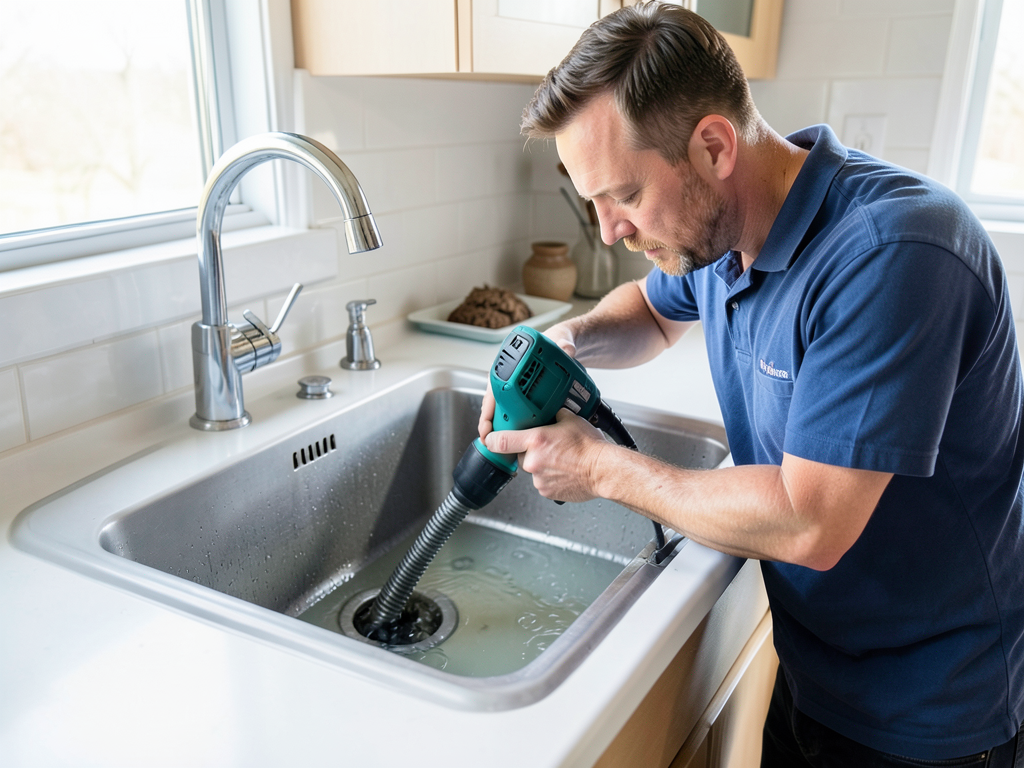
What to Do When Your Gladstone Kitchen Sink is Clogged and a Plunger Won’t Fix It
Your Gladstone kitchen sink is full of standing water and the plunger just isn’t cutting it. The frustration is real when dirty dishwater refuses to drain and you’re left with a greasy mess. Before you reach for harsh chemicals or call a plumber, there are several proven methods to tackle stubborn kitchen clogs that go beyond basic plunging. DIY vs. Professional Drain Cleaning.
Kitchen sink clogs in Gladstone homes often involve a combination of grease, food particles, and mineral buildup from our local water supply. The clay soil in Clay County can also cause subtle pipe shifts over time, creating perfect spots for debris to collect. Understanding these factors helps you choose the right approach for your specific situation. Plumbing Gladstone.
Common Causes of Stubborn Clogs in Gladstone Homes
Gladstone’s hard water contains high levels of calcium and magnesium that leave mineral deposits inside pipes. These deposits create rough surfaces where grease and food particles stick instead of washing through. Over time, this buildup narrows the pipe diameter and creates stubborn blockages.
Fats, oils, and grease (FOG) from cooking are the primary culprits in kitchen sink clogs. When hot grease cools in your pipes, it solidifies and traps other debris. Unlike bathroom clogs that often involve hair and soap scum, kitchen clogs are typically grease-heavy and require different removal techniques.
Older Gladstone homes built before the 1980s may have galvanized steel pipes that corrode from the inside. This corrosion creates rough surfaces and reduces pipe diameter, making clogs more frequent. The combination of aging pipes and hard water creates a perfect storm for stubborn kitchen sink blockages.
Step-by-Step DIY Solutions for Stubborn Clogs
1. The P-Trap Removal Method
The P-trap is the curved pipe under your sink that holds water to block sewer gases. This is often where clogs form. Place a bucket underneath, loosen the slip nuts with channel-lock pliers, and remove the trap. Clean out any debris, then reassemble and test the drain. Fix Your Overland Park Sewer Line Without Digging Up Your Entire Yard.
Many Gladstone homeowners are surprised by what comes out of their P-traps – often a combination of grease, food particles, and mineral buildup. This simple step solves many stubborn clogs without any special tools or chemicals.
2. The Baking Soda and Vinegar Treatment
Pour one cup of baking soda down the drain, followed by one cup of white vinegar. Cover the drain and let the mixture fizz for 15 minutes. The chemical reaction helps break down organic matter and can dissolve minor mineral deposits.
While this method won’t solve severe grease clogs, it’s an excellent first step for Gladstone’s hard water mineral buildup. Follow with hot water to flush away loosened debris.
3. The Manual Auger Technique
A manual drain auger or plumber’s snake can reach clogs that are deeper in the pipe. Insert the cable into the drain opening and crank the handle to feed it through the pipe. When you feel resistance, you’ve likely hit the clog.
Gladstone’s older neighborhoods often have longer pipe runs with more bends, so a flexible auger is essential. Work slowly and avoid forcing the cable, which can damage pipes or get stuck in tight bends.
4. The Hot Water Flush
Boil a large pot of water and carefully pour it down the drain in stages. The heat can melt grease clogs and flush them through the system. This works best when combined with other methods, as hot water alone rarely solves stubborn blockages.
Be cautious with PVC pipes, as extremely hot water can soften the plastic. For Gladstone homes with older plumbing, use water that’s hot but not boiling to avoid damaging seals and connections.
The ‘Stubborn’ Factor: When Household Methods Fail
Stubborn kitchen sink clogs often indicate problems deeper in your plumbing system. Tree roots can infiltrate sewer lines through tiny cracks, creating blockages that trap grease and debris. This is particularly common in Gladstone’s older neighborhoods with mature trees.
Mainline blockages affect multiple drains in your home. If your kitchen sink, bathroom sink, and shower are all draining slowly, the problem likely extends beyond your kitchen pipes to the main sewer line. This requires professional equipment to diagnose and clear.
Gladstone’s clay soil expands and contracts with moisture changes, which can cause subtle pipe misalignment over time. These misalignments create perfect spots for debris to collect and form stubborn clogs that resist DIY methods.
Professional Solutions: Hydro-Jetting vs. Professional Snaking
Professional drain snaking uses motorized equipment that can reach 100+ feet into your plumbing system. The rotating cable with cutting heads can break through tough clogs, including tree roots and hardened grease. This is often the first professional step for stubborn kitchen clogs.
Hydro-jetting uses high-pressure water (up to 4,000 PSI) to scour pipe walls clean. This method not only clears clogs but also removes years of buildup, restoring pipes to near-original capacity. For Gladstone’s hard water mineral deposits, hydro-jetting provides superior cleaning.
Video camera inspection is often used alongside these methods to identify the exact location and nature of the clog. This technology allows plumbers to see inside pipes and recommend the most effective solution without unnecessary digging or wall demolition.
Preventing Future Clogs in Your Gladstone Kitchen
Install a sink strainer to catch food particles before they enter your drain. Empty it regularly and avoid letting debris accumulate. This simple step prevents many common kitchen clogs.
Never pour cooking grease down your drain. Instead, collect it in a container and dispose of it in the trash once it solidifies. Gladstone’s hard water makes grease clogs particularly stubborn, so prevention is crucial.
Run hot water for 30 seconds after each use to help flush debris through your pipes. For Gladstone’s mineral-heavy water, consider using a vinegar rinse once a month to help dissolve minor mineral deposits.
Schedule professional drain cleaning every 1-2 years, especially if you have older pipes or notice recurring clogs. Professional cleaning removes buildup that DIY methods can’t reach and helps prevent emergency situations.
Local Plumbing Code Considerations
Kansas City and Gladstone follow the International Plumbing Code with local amendments. Gladstone requires permits for any plumbing work that involves cutting into walls or replacing major components. Understanding these requirements helps you make informed decisions about DIY versus professional work. International Plumbing Code.
Gladstone Municipal Code Section 15.04.140 requires proper trap installation and venting for all kitchen sinks. DIY modifications that don’t meet these standards can create health hazards and may violate local regulations.
Backflow prevention devices are required for certain kitchen setups, particularly in commercial properties or homes with specific plumbing configurations. These devices prevent contaminated water from flowing back into your clean water supply.
Cost-Benefit Analysis: DIY vs. Professional Service
DIY methods typically cost $10-50 for basic tools and supplies. Professional services range from $150-500 for standard drain cleaning, with hydro-jetting and camera inspection adding $200-400. While DIY is cheaper upfront, repeated failed attempts can waste time and money.
Professional service includes expertise, proper equipment, and often a warranty on the work performed. For stubborn clogs that resist multiple DIY attempts, professional service usually provides better long-term value.
Consider the age of your plumbing system. Older Gladstone homes with galvanized pipes may require gentler professional methods to avoid pipe damage. In these cases, DIY methods using harsh chemicals or aggressive mechanical tools can cause more harm than good.
Frequently Asked Questions
Why won’t my kitchen sink drain even after plunging?
Stubborn clogs often form deeper in the pipe than a plunger can reach. Grease solidifies in cooler sections of pipe, creating blockages that require mechanical removal or chemical treatment. Gladstone’s hard water mineral deposits can also narrow pipes, making clogs more frequent and harder to clear.
Is Drano safe for old Gladstone plumbing?
Drano and similar chemical cleaners can damage older pipes, particularly galvanized steel or older PVC. These chemicals generate heat that can soften plastic pipes or corrode metal ones. For Gladstone homes built before 1980, mechanical methods or professional service are safer alternatives.
How do I know if the clog is in my main sewer line?
If multiple drains in your home are slow or backing up simultaneously, the clog is likely in your main sewer line rather than a single drain. You may also hear gurgling sounds from drains or notice sewage odors. This requires professional diagnosis and equipment to clear.
What’s the difference between snaking and hydro-jetting?
Snaking uses a rotating cable to break through clogs, while hydro-jetting uses high-pressure water to clean pipe walls. Snaking is effective for removing blockages, but hydro-jetting provides more thorough cleaning by removing years of buildup. For Gladstone’s hard water deposits, hydro-jetting often provides better long-term results.
Call (816) 473-9233 for Professional Help
If you’ve tried multiple DIY methods and your Gladstone kitchen sink still won’t drain, it’s time to call the professionals. Our team has the specialized equipment and local expertise to handle even the most stubborn clogs quickly and effectively.
Don’t let a clogged sink disrupt your daily routine. Call (816) 473-9233 today to schedule your inspection. We serve Gladstone and the entire Kansas City metro area with fast, reliable service that gets your plumbing working properly again.
Pick up the phone and call (816) 473-9233 before the next storm hits. Gladstone’s clay soil and hard water create unique plumbing challenges that require experienced local professionals who understand our specific conditions. For more information, visit EPA WaterSense.