
Why Switching to a Tankless Water Heater Makes Sense for Your Kansas City Home
If you’re tired of running out of hot water during morning showers or paying to heat water you never use, a tankless water heater could be the upgrade your Kansas City home needs. These systems heat water on demand, which means no more bulky storage tanks and potentially lower energy bills. With Kansas City’s hard water from the Missouri River and our extreme seasonal temperature swings, choosing the right unit and installation matters more than you might think. ENERGY STAR water heater efficiency data.
Switching to tankless isn’t just about convenience. It’s about matching your home’s specific needs to a system that performs reliably through our humid summers and freezing winters. From Gladstone to Liberty, local homeowners are discovering that the right tankless setup can deliver endless hot water while freeing up valuable basement space once occupied by a traditional tank. Keep Your Olathe Basement Dry with Reliable Sump Pump Repair and Maintenance.
How Tankless Water Heaters Work in Kansas City Homes
Tankless units heat water directly as it flows through the system using either gas burners or electric elements. When you turn on a hot water tap, cold water travels through a pipe into the unit where it’s heated instantly. This eliminates the standby energy losses associated with storage tanks that keep 40 to 50 gallons of water hot around the clock.. Read more about Dealing with Hard Water Damage? Get a Professional Water Softener Installed in Lenexa.
For Kansas City homes, the most common setup is a gas-fired tankless heater because our local gas rates from Spire Energy make them cost-effective. Electric models work well for point-of-use applications like a bathroom sink but typically can’t handle whole-house demand during peak morning hours when multiple fixtures run simultaneously. Spire Energy rebates for high-efficiency water heaters.
The key measurement for sizing is gallons per minute (GPM). A typical Kansas City family home needs 5 to 7 GPM to run two showers and a dishwasher at the same time. Our local water hardness, averaging 8 to 12 grains per gallon, means scale buildup becomes a real concern without proper maintenance. Shower & Bathtub Plumbing.
Local Installation Considerations for Kansas City Properties
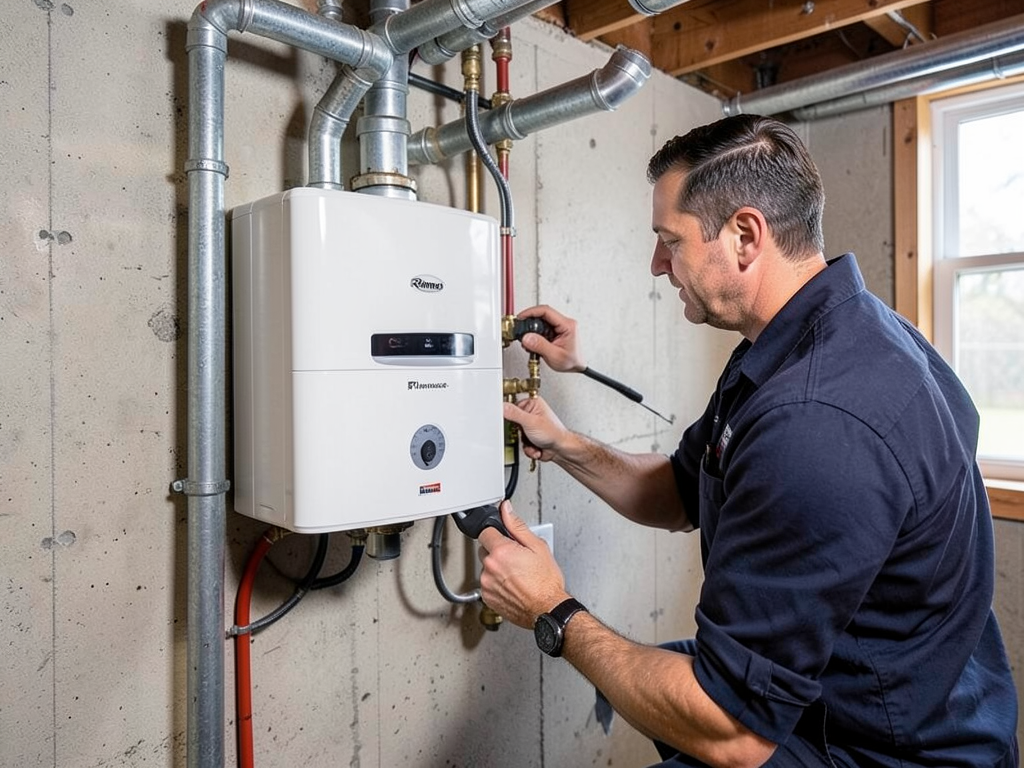
Installing a tankless system in an older Kansas City home often requires more than just swapping units. Many homes built before 2000 have gas lines sized for traditional tanks that can’t deliver the BTU load tankless units demand. A Rinnai RU199iN, for example, needs up to 199,000 BTUs and may require upgrading from a 1/2-inch to a 3/4-inch gas line.
Venting presents another challenge. Tankless heaters use sealed combustion and require specific venting materials. In basement installations common throughout Gladstone and North Kansas City, we typically use concentric venting that combines intake and exhaust in one pipe. This protects against Kansas City’s freeze-thaw cycles that can cause condensation issues in traditional venting. Plumbing Gladstone.
Local building codes in Jackson County and Johnson County require permits for tankless installations. The Kansas City, Missouri, building code (Section 1301.2) mandates proper seismic strapping and clearance requirements that differ from tank installations. Many Gladstone homes with mid-century construction need additional structural support for wall-mounted units.
Energy Savings and Cost Factors in the KC Metro
Tankless water heaters can reduce energy consumption by 24 to 34 percent for homes using less than 41 gallons daily, according to ENERGY STAR data. In Kansas City, where average household water usage runs higher due to larger families and more bathrooms, savings typically land between 8 to 14 percent annually.. Read more about Get Your Hot Water Back with Professional Water Heater Installation in Leawood.
The upfront cost difference is significant. A traditional tank replacement runs $1,200 to $1,800 installed, while a tankless system costs $2,500 to $4,500 depending on brand and installation complexity. However, Spire Energy offers rebates up to $300 for qualifying high-efficiency gas tankless models, and federal tax credits through 2026 can cover 30 percent of installation costs up to $600.
Operating costs depend heavily on local utility rates. With Kansas City’s average natural gas price around $1.10 per therm, a family of four using 85 gallons daily might spend $250 to $350 annually on heating water with a tankless system versus $350 to $450 with a traditional tank.. Read more about Why It Might Be Time to Finally Repipe Your Blue Springs Home with Modern PEX.
Hard Water Impact and Maintenance Requirements
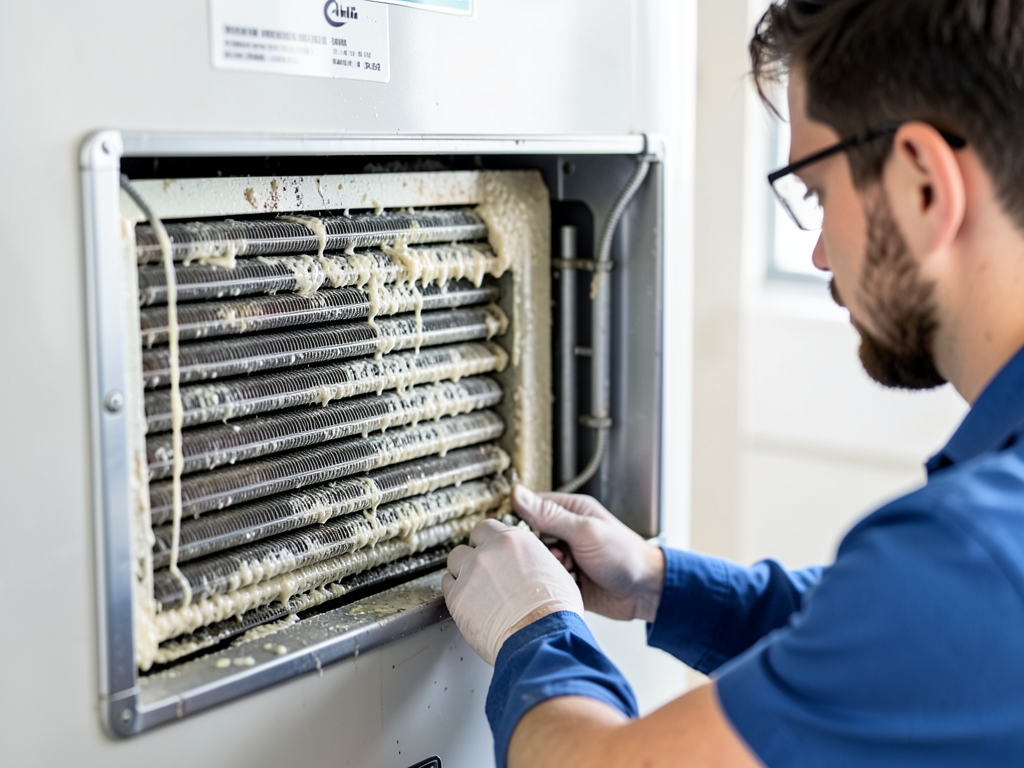
Kansas City’s water from the Missouri River system contains high mineral content that creates scale buildup inside tankless heat exchangers. Without treatment, this scale reduces efficiency by up to 30 percent within three years and can cause premature heat exchanger failure.
Annual descaling becomes essential for Kansas City installations. The process involves circulating a food-grade acid solution through the system to dissolve mineral deposits. Most manufacturers recommend professional descaling every 12 to 18 months for our local water conditions. DIY descaling kits exist but often void warranties if not done correctly. DIY vs. Professional Drain Cleaning.
Water softeners provide the best long-term protection. A properly sized softener can extend heat exchanger life from 8 to 15 years. For Gladstone homes with well water or areas near the Missouri River with particularly hard water, combining a softener with a tankless system delivers the best performance and longevity.. Read more about Protect Your Home Appliances with a Professional Water Filtration System in Gardner.
Top Brands and Models for Kansas City Homes
Rinnai leads the market for gas tankless units in Kansas City due to their reliability in cold climates. The RU199iN handles whole-house demand with freeze protection down to -4°F, crucial for our winter temperatures. For smaller homes or point-of-use applications, the Rinnai V53De handles 5.3 GPM and costs less to install.
Navien offers condensing technology that captures exhaust heat, achieving up to 98 percent efficiency. The NPE-240A works well for Kansas City’s temperature ranges and includes built-in recirculation pumps that eliminate the cold-water sandwich effect common in larger homes.
Rheem’s Performance Platinum series provides solid value with Wi-Fi monitoring capabilities. The RTG-84DVN delivers 8.4 GPM and includes freeze protection, making it suitable for Kansas City’s climate without premium pricing.
Electric options like Stiebel Eltron’s Tempra Plus work in areas without gas service but require 200-amp electrical service. Most Kansas City homes need electrical upgrades to support these units, adding $800 to $1,500 to installation costs.. Read more about Upgrade Your Prairie Village Home with a Professional Low-Flow Toilet Installation.
Permit Process and Local Requirements
Installing a tankless water heater in Kansas City requires permits from your local jurisdiction. In KCMO, the permit process takes 3 to 5 business days and costs $75 to $150 depending on project scope. Johnson County requires similar permits with additional inspections for gas line modifications.
The inspection process verifies proper venting, gas line sizing, and seismic strapping. Inspectors check that units meet National Fuel Gas Code requirements and local amendments. Failure to obtain permits can result in fines up to $500 and may void manufacturer warranties.
Many Gladstone and Liberty homeowners ask about DIY installation. While technically possible, tankless systems require expertise in gas plumbing, electrical work, and venting that most homeowners lack. Improper installation creates carbon monoxide risks and can cause catastrophic water damage.
ROI and Long-Term Value for KC Homeowners
The return on investment for tankless water heaters depends on your specific situation. For a family of four in a 2,500-square-foot home, the payback period typically ranges from 6 to 10 years when factoring in energy savings, rebates, and increased home value.
Tankless systems last 20 to 25 years with proper maintenance versus 10 to 12 years for traditional tanks. This longer lifespan means fewer replacements over your home ownership period. The space savings also adds value in Kansas City’s older neighborhoods where basements often serve as living space.
Insurance companies sometimes offer premium discounts for tankless installations due to reduced flood risk from tank failures. While not universal, some Kansas City insurers provide 5 to 10 percent reductions for homes with professionally installed tankless systems.
Common Questions About Tankless Water Heaters
Will a tankless heater work during a Kansas City power outage? Gas models continue operating during electrical outages since they only need electricity for the control panel and ignition. However, they won’t function if the gas supply is interrupted.
Can I install a tankless unit myself? While possible, professional installation ensures proper venting, gas line sizing, and code compliance. DIY installations often void warranties and create safety hazards.
How much space will I save? Traditional tanks require 30 to 40 square feet of floor space plus clearance. Tankless units mount on walls and need only 2 to 3 square feet of wall space, freeing up valuable basement area.
Do tankless heaters really provide endless hot water? Yes, but with limitations. They provide continuous hot water as long as demand doesn’t exceed the unit’s GPM rating. Running multiple high-demand fixtures simultaneously may require a larger unit or multiple heaters.
Making the Right Choice for Your Home
The decision to switch to tankless depends on your household’s hot water usage patterns, budget, and long-term plans. Homes with 4+ people and high simultaneous demand benefit most from the upgrade. If you’re planning to stay in your Kansas City home for more than five years, the energy savings and convenience often justify the investment.
Consider your home’s age and construction. Newer homes with updated gas lines and proper venting make ideal candidates. Older Gladstone bungalows or mid-century ranches may need significant modifications that increase costs but also improve overall system efficiency.
Before making a decision, get a professional assessment of your current system, gas line capacity, and hot water needs. A qualified plumber can calculate your exact GPM requirements and recommend the right size and brand for your specific situation.
Frequently Asked Questions
How long does a tankless water heater installation take?
Most installations require 6 to 8 hours for a straightforward replacement. Complex installations involving gas line upgrades or venting modifications may take 1 to 2 days.
What maintenance does a tankless water heater need?
Annual descaling is essential in Kansas City due to hard water. Some units also need air filter cleaning every 3 to 6 months and occasional burner inspection. Safe Drain Cleaning Products.
Are there any tax incentives for tankless water heaters in 2026?
Yes, federal tax credits through 2026 cover 30 percent of installation costs up to $600 for qualifying ENERGY STAR models. Local utility rebates may also apply.
Will a tankless water heater increase my home’s value?
Energy-efficient upgrades typically increase home value by 60 to 80 percent of their cost. Tankless systems also appeal to buyers looking for modern, space-saving features.
How do I know what size tankless heater I need?
A professional assessment calculates your peak hot water demand in GPM based on your household size, number of bathrooms, and typical usage patterns. Most Kansas City homes need 5 to 7 GPM for whole-house coverage.
Ready to upgrade to a tankless water heater that handles Kansas City’s hard water and extreme temperatures? Call (816) 473-9233 today to schedule your free assessment. Our licensed plumbers will evaluate your home’s specific needs and recommend the perfect system for endless hot water and lower energy bills.
{
“@context”: “https://schema.org”,
“@type”: “BlogPosting”,
“headline”: “Why Switching to a Tankless Water Heater Makes Sense for Your Kansas City Home”,
“description”: “Discover the benefits of tankless water heaters for Kansas City homes. Learn about local rebates, installation costs, and how hard water affects performance.”,
“wordCount”: 1805,
“datePublished”: “2026-02-17T14:59:00.000Z”,
“dateModified”: “2026-02-17T14:59:00.000Z”,
“inLanguage”: “en-US”,
“mainEntityOfPage”: {
“@type”: “WebPage”,
“@id”: “https://silverlineplumbingkansascity.com”
},
“publisher”: {
“@type”: “LocalBusiness”,
“name”: “Silverline Plumbing Kansas City”,
“url”: “https://silverlineplumbingkansascity.com”
},
“author”: {
“@type”: “Organization”,
“name”: “Silverline Plumbing Kansas City”,
“url”: “https://silverlineplumbingkansascity.com”
},
“image”: {
“@type”: “ImageObject”,
“url”: “https://silverlineplumbingkansascity.com/wp-content/uploads/2026/03/why-switching-to-a-tankless-water-heater-makes-sen-1.png”
}
}
{
“@context”: “https://schema.org”,
“@type”: “Plumber”,
“name”: “Silverline Plumbing Kansas City”,
“url”: “https://silverlineplumbingkansascity.com”,
“address”: {
“@type”: “PostalAddress”,
“addressLocality”: “Kansas City”
},
“areaServed”: {
“@type”: “City”,
“name”: “Kansas City”
}
}
{
“@context”: “https://schema.org”,
“@type”: “FAQPage”,
“mainEntity”: [
{
“@type”: “Question”,
“name”: “How long does a tankless water heater installation take?”,
“acceptedAnswer”: {
“@type”: “Answer”,
“text”: “Most installations require 6 to 8 hours for a straightforward replacement. Complex installations involving gas line upgrades or venting modifications may take 1 to 2 days.”
}
},
{
“@type”: “Question”,
“name”: “What maintenance does a tankless water heater need?”,
“acceptedAnswer”: {
“@type”: “Answer”,
“text”: “Annual descaling is essential in Kansas City due to hard water. Some units also need air filter cleaning every 3 to 6 months and occasional burner inspection. Safe Drain Cleaning Products.”
}
},
{
“@type”: “Question”,
“name”: “Are there any tax incentives for tankless water heaters in 2026?”,
“acceptedAnswer”: {
“@type”: “Answer”,
“text”: “Yes, federal tax credits through 2026 cover 30 percent of installation costs up to $600 for qualifying ENERGY STAR models. Local utility rebates may also apply.”
}
},
{
“@type”: “Question”,
“name”: “Will a tankless water heater increase my home’s value?”,
“acceptedAnswer”: {
“@type”: “Answer”,
“text”: “Energy-efficient upgrades typically increase home value by 60 to 80 percent of their cost. Tankless systems also appeal to buyers looking for modern, space-saving features.”
}
},
{
“@type”: “Question”,
“name”: “How do I know what size tankless heater I need?”,
“acceptedAnswer”: {
“@type”: “Answer”,
“text”: “A professional assessment calculates your peak hot water demand in GPM based on your household size, number of bathrooms, and typical usage patterns. Most Kansas City homes need 5 to 7 GPM for whole-house coverage.”
}
}
]
}
{
“@context”: “https://schema.org”,
“@type”: “BreadcrumbList”,
“itemListElement”: [
{
“@type”: “ListItem”,
“position”: 1,
“name”: “Home”,
“item”: “https://silverlineplumbingkansascity.com”
},
{
“@type”: “ListItem”,
“position”: 2,
“name”: “Blog”,
“item”: “https://silverlineplumbingkansascity.com/blog”
},
{
“@type”: “ListItem”,
“position”: 3,
“name”: “Why Switching to a Tankless Water Heater Makes Sense for Your Kansas City Home”
}
]
}
{
“@context”: “https://schema.org”,
“@type”: “Service”,
“serviceType”: “Plumbing”,
“provider”: {
“@type”: “LocalBusiness”,
“name”: “Silverline Plumbing Kansas City”,
“url”: “https://silverlineplumbingkansascity.com”
},
“areaServed”: {
“@type”: “City”,
“name”: “Kansas City”
},
“description”: “Discover the benefits of tankless water heaters for Kansas City homes. Learn about local rebates, installation costs, and how hard water affects performance.”
}