
Why your Brookside water heater makes a loud popping sound when it’s running
Your Brookside water heater makes a loud popping sound when it’s running because mineral sediment has built up at the bottom of the tank, trapping water underneath. When the burner heats this trapped water, it creates steam bubbles that burst through the sediment layer, causing the characteristic popping or knocking noise. This process, called kettling, is common in Kansas City’s hard water areas where calcium and magnesium accumulate over time. Kansas City Water Services Department.
The sound isn’t just annoying – it’s your water heater’s way of telling you it’s working harder than it should, using more energy, and potentially heading toward premature failure. Brookside homes, many built in the 1920s-1950s, often have water heaters that have never been flushed, allowing years of mineral buildup to create this exact problem.. Read more about How to Stop That Mysterious Gurgling Sound in Your Weatherby Lake Walls.
Call (816) 473-9233 today to schedule your inspection before the next storm hits.
The science behind the sound: what is kettling?
Kettling occurs when sediment settles at the bottom of your water heater tank, creating an insulating layer between the burner and the water. This sediment, primarily calcium carbonate and magnesium deposits from Kansas City’s moderately hard water (typically 8-12 grains per gallon), prevents efficient heat transfer.
Here’s what happens inside your tank: The burner heats the sediment layer first. Water trapped beneath this layer becomes superheated, turning into steam bubbles. These bubbles expand rapidly and burst through the sediment when they reach the surface, creating the popping sound you hear.
The process sounds like someone cooking popcorn inside your water heater. Each pop represents a steam bubble breaking through the mineral layer. The more sediment present, the louder and more frequent the popping becomes.
Gas vs. electric: different sounds, same problem
Gas water heaters typically produce louder popping sounds because the burner creates direct, intense heat at the bottom of the tank. Electric water heaters may produce a softer crackling or hissing sound as the heating elements work through the sediment layer.. Read more about Comparing Gas and Electric Tankless Water Heaters for New Homes in Raymore.
Both types suffer from the same underlying issue – mineral buildup reducing efficiency and potentially damaging the tank from the inside out.
Is a popping water heater dangerous?
A popping water heater isn’t immediately dangerous, but it’s a warning sign that shouldn’t be ignored. The real danger comes from what happens if you continue running the unit without addressing the sediment buildup.
Pressure relief valve failure
As sediment accumulates, the water heater’s temperature and pressure relief valve (T&P valve) must work harder to release excess pressure. Over time, this constant cycling can cause the valve to fail. According to the International Plumbing Code Section 504.7, all water heaters must have a properly functioning T&P valve to prevent tank explosions. International Plumbing Code Section 504.7.
Overheating and tank damage
The sediment layer acts as insulation, forcing the burner to run longer and hotter to heat the water. This overheating can damage the tank’s inner lining, leading to corrosion and eventual leaks. A compromised tank can release 40-50 gallons of water, causing significant damage to your Brookside home.
When popping becomes an emergency
Call for emergency service if you notice:
- Steam or boiling sounds coming from the tank
- Water leaking from the pressure relief valve
- The tank feels extremely hot to the touch
- Popcorn-like sounds that have suddenly become much louder
These symptoms indicate the water heater is operating under dangerous pressure conditions.
Common causes for Kansas City homeowners
Kansas City’s water supply contains moderate to high levels of dissolved minerals, particularly calcium and magnesium. The Kansas City Water Services Department reports that local water hardness ranges from 8-12 grains per gallon, which is considered moderately hard to hard.
Brookside’s specific vulnerability
Brookside homes built before 1980 often have original water heaters that have never been flushed. The neighborhood’s older infrastructure means sediment has had decades to accumulate. Additionally, many Brookside homes have finished basements where a leaking water heater could cause extensive damage to finished living spaces. Keep Your Olathe Basement Dry with Reliable Sump Pump Repair and Maintenance.
Seasonal factors
During Kansas City’s cold winters, water heaters work harder to maintain temperature, accelerating sediment buildup. The freeze-thaw cycles common in our climate can also cause minor expansion and contraction in pipes, potentially loosening sediment that then settles in the water heater.
Water main work impact
When the Kansas City Water Services Department performs water main repairs or replacements in your area, it can stir up sediment in the municipal lines. This sediment flows into your home and settles in your water heater, potentially accelerating the popping problem.
DIY fixes vs. professional repair
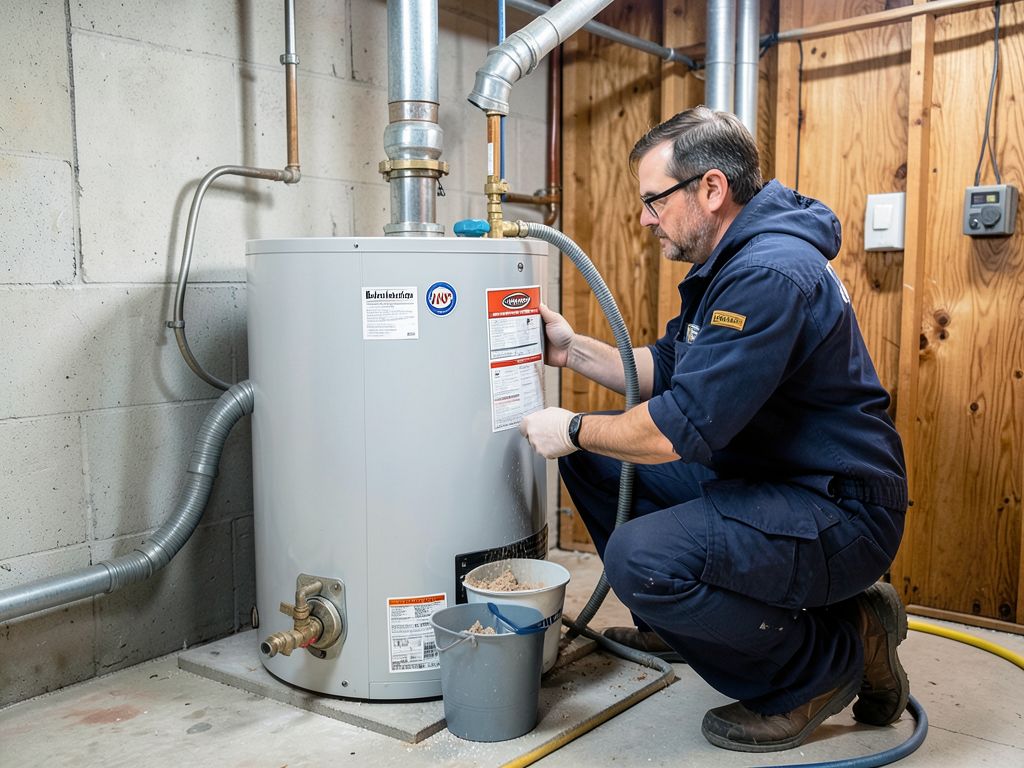
You can attempt to flush your water heater yourself, but this process requires caution and the right tools. Here’s what a proper flush involves:
- Turn off power or gas
Shut off electricity at the breaker or turn the gas control to “pilot” position. Never work on a water heater while it’s powered.
- Connect a garden hose
Attach a garden hose to the drain valve at the bottom of the tank. Run the other end to a floor drain or outside where hot water won’t cause damage. DIY vs. Professional Drain Cleaning.
- Open hot water faucets
Turn on hot water faucets throughout your house to allow air into the system and speed draining. Faucet & Sink Repair.
- Drain the tank
Open the drain valve and let the tank empty completely. The water may appear rusty or cloudy due to sediment.
- Flush with cold water
briefly turn on the cold water supply to stir up remaining sediment, then drain again. Repeat until water runs clear.
- Refill and restart
Close the drain valve, remove the hose, and refill the tank. For electric heaters, restore power only after the tank is full to prevent burning out the heating elements.
When to call a professional
Call (816) 473-9233 if you experience:
- Water that won’t drain or drains very slowly (indicates severe sediment blockage)
- Leaks around the drain valve or pressure relief valve
- Age over 10 years with popping sounds
- Discolored water that persists after flushing
- Fear of working with gas lines or electrical components
Professional plumbers have specialized tools to break up severe sediment blockages and can inspect other components while the tank is drained.
Cost of water heater repair in Kansas City
Understanding the costs involved helps you make informed decisions about whether to repair or replace your popping water heater.
| Service Type | Typical Cost Range | What’s Included |
|---|---|---|
| Professional flush | $150-300 | Complete tank draining, sediment removal, valve inspection, pressure check |
| Anode rod replacement | $200-400 | New rod installation, flush service, corrosion inspection |
| Heating element replacement (electric) | $250-450 | Element replacement, thermostat check, flush service |
| Complete replacement | $1,200-2,500 | New unit installation, old unit removal, code compliance updates |
Cost factors specific to Brookside
Brookside homes often require additional considerations:
- Older homes may need updated venting or gas lines to meet current code requirements
- Finished basements require careful water containment during replacement
- Some Brookside homes have limited access for large equipment, increasing labor time
Energy efficiency savings
A water heater with severe sediment buildup can use 25-30% more energy than a clean unit. If your popping water heater is over 8 years old, the energy savings from replacement might offset much of the replacement cost within 2-3 years.
Preventing future popping noises
Regular maintenance prevents sediment buildup and extends your water heater’s life. Here’s how Brookside homeowners can protect their investment:
Annual flushing schedule
Flush your water heater once per year, ideally in the fall before winter’s heavy usage begins. Homes with very hard water (over 10 grains per gallon) may benefit from twice-yearly flushing.
Water softener installation
Installing a whole-house water softener can reduce mineral content by 90% or more, dramatically slowing sediment buildup. The initial investment of $1,500-2,500 for a quality system pays for itself through:
- Extended water heater life (5-10 additional years)
- Reduced energy costs
- Prevention of scale buildup in pipes and fixtures
Anode rod inspection
The sacrificial anode rod protects your tank from corrosion. Check it every 2-3 years and replace when heavily corroded. This simple $50-100 part can add years to your water heater’s life.
Temperature settings
Set your water heater to 120°F rather than the default 140°F. Lower temperatures reduce mineral precipitation and energy consumption while still providing adequate hot water for most household needs.
Frequently Asked Questions
How long can I safely run a popping water heater?
You can run a popping water heater for several weeks to months, but efficiency decreases and damage accelerates the longer you wait. If the popping is new and not severe, schedule service within 30 days. If it’s very loud or accompanied by leaks, call immediately.
Will a popping water heater cause my water bill to increase?
The popping itself doesn’t directly increase water usage, but the reduced efficiency means your water heater runs longer to heat the same amount of water, increasing your energy bill by 25-30% or more.
Can I prevent sediment buildup without a water softener?
Yes. Annual flushing removes most sediment, and installing a whole-house sediment filter can catch particles before they enter your water heater. However, these methods require consistent maintenance and won’t prevent dissolved minerals from forming scale.
Is the popping sound louder in winter?
Yes. Cold incoming water holds more dissolved gases, and your water heater works harder during winter months, both of which can make popping sounds more noticeable. The increased temperature differential also causes more rapid steam bubble formation.
Call (816) 473-9233 today to schedule your inspection before the next storm hits.
{
“@context”: “https://schema.org”,
“@type”: “BlogPosting”,
“headline”: “Why your Brookside water heater makes a loud popping sound when it’s running”,
“description”: “Learn why Brookside water heaters make popping noises due to sediment buildup and hard water. Find out if it’s dangerous and when to call a plumber.”,
“wordCount”: 1588,
“datePublished”: “2026-05-11T12:27:00.000Z”,
“dateModified”: “2026-05-11T12:27:00.000Z”,
“inLanguage”: “en-US”,
“mainEntityOfPage”: {
“@type”: “WebPage”,
“@id”: “https://silverlineplumbingkansascity.com”
},
“publisher”: {
“@type”: “LocalBusiness”,
“name”: “Silverline Plumbing Kansas City”,
“url”: “https://silverlineplumbingkansascity.com”
},
“author”: {
“@type”: “Organization”,
“name”: “Silverline Plumbing Kansas City”,
“url”: “https://silverlineplumbingkansascity.com”
},
“image”: {
“@type”: “ImageObject”,
“url”: “https://silverlineplumbingkansascity.com/wp-content/uploads/2026/03/why-your-brookside-water-heater-makes-a-loud-poppi-1.png”
}
}
{
“@context”: “https://schema.org”,
“@type”: “Plumber”,
“name”: “Silverline Plumbing Kansas City”,
“url”: “https://silverlineplumbingkansascity.com”,
“address”: {
“@type”: “PostalAddress”,
“addressLocality”: “Kansas City”
},
“areaServed”: {
“@type”: “City”,
“name”: “Kansas City”
}
}
{
“@context”: “https://schema.org”,
“@type”: “FAQPage”,
“mainEntity”: [
{
“@type”: “Question”,
“name”: “The science behind the sound: what is kettling?”,
“acceptedAnswer”: {
“@type”: “Answer”,
“text”: “Kettling occurs when sediment settles at the bottom of your water heater tank, creating an insulating layer between the burner and the water. This sediment, primarily calcium carbonate and magnesium deposits from Kansas City’s moderately hard water (typically 8-12 grains per gallon), prevents efficient heat transfer.”
}
},
{
“@type”: “Question”,
“name”: “Is a popping water heater dangerous?”,
“acceptedAnswer”: {
“@type”: “Answer”,
“text”: “A popping water heater isn’t immediately dangerous, but it’s a warning sign that shouldn’t be ignored. The real danger comes from what happens if you continue running the unit without addressing the sediment buildup.”
}
},
{
“@type”: “Question”,
“name”: “How long can I safely run a popping water heater?”,
“acceptedAnswer”: {
“@type”: “Answer”,
“text”: “You can run a popping water heater for several weeks to months, but efficiency decreases and damage accelerates the longer you wait. If the popping is new and not severe, schedule service within 30 days. If it’s very loud or accompanied by leaks, call immediately.”
}
},
{
“@type”: “Question”,
“name”: “Will a popping water heater cause my water bill to increase?”,
“acceptedAnswer”: {
“@type”: “Answer”,
“text”: “The popping itself doesn’t directly increase water usage, but the reduced efficiency means your water heater runs longer to heat the same amount of water, increasing your energy bill by 25-30% or more.”
}
},
{
“@type”: “Question”,
“name”: “Can I prevent sediment buildup without a water softener?”,
“acceptedAnswer”: {
“@type”: “Answer”,
“text”: “Yes. Annual flushing removes most sediment, and installing a whole-house sediment filter can catch particles before they enter your water heater. However, these methods require consistent maintenance and won’t prevent dissolved minerals from forming scale.”
}
},
{
“@type”: “Question”,
“name”: “Is the popping sound louder in winter?”,
“acceptedAnswer”: {
“@type”: “Answer”,
“text”: “Yes. Cold incoming water holds more dissolved gases, and your water heater works harder during winter months, both of which can make popping sounds more noticeable. The increased temperature differential also causes more rapid steam bubble formation.”
}
}
]
}
{
“@context”: “https://schema.org”,
“@type”: “HowTo”,
“name”: “How to flush your water heater”,
“step”: [
{
“@type”: “HowToStep”,
“position”: 1,
“name”: “Turn off power or gas”,
“text”: “Shut off electricity at the breaker or turn the gas control to \”pilot\” position. Never work on a water heater while it’s powered.”
},
{
“@type”: “HowToStep”,
“position”: 2,
“name”: “Connect a garden hose”,
“text”: “Attach a garden hose to the drain valve at the bottom of the tank. Run the other end to a floor drain or outside where hot water won’t cause damage. DIY vs. Professional Drain Cleaning.”
},
{
“@type”: “HowToStep”,
“position”: 3,
“name”: “Open hot water faucets”,
“text”: “Turn on hot water faucets throughout your house to allow air into the system and speed draining. Faucet & Sink Repair.”
},
{
“@type”: “HowToStep”,
“position”: 4,
“name”: “Drain the tank”,
“text”: “Open the drain valve and let the tank empty completely. The water may appear rusty or cloudy due to sediment.”
},
{
“@type”: “HowToStep”,
“position”: 5,
“name”: “Flush with cold water”,
“text”: “briefly turn on the cold water supply to stir up remaining sediment, then drain again. Repeat until water runs clear.”
},
{
“@type”: “HowToStep”,
“position”: 6,
“name”: “Refill and restart”,
“text”: “Close the drain valve, remove the hose, and refill the tank. For electric heaters, restore power only after the tank is full to prevent burning out the heating elements.”
}
],
“image”: “https://silverlineplumbingkansascity.com/wp-content/uploads/2026/03/why-your-brookside-water-heater-makes-a-loud-poppi-1.png”
}
{
“@context”: “https://schema.org”,
“@type”: “BreadcrumbList”,
“itemListElement”: [
{
“@type”: “ListItem”,
“position”: 1,
“name”: “Home”,
“item”: “https://silverlineplumbingkansascity.com”
},
{
“@type”: “ListItem”,
“position”: 2,
“name”: “Blog”,
“item”: “https://silverlineplumbingkansascity.com/blog”
},
{
“@type”: “ListItem”,
“position”: 3,
“name”: “Why your Brookside water heater makes a loud popping sound when it’s running”
}
]
}
{
“@context”: “https://schema.org”,
“@type”: “Service”,
“serviceType”: “Plumbing”,
“provider”: {
“@type”: “LocalBusiness”,
“name”: “Silverline Plumbing Kansas City”,
“url”: “https://silverlineplumbingkansascity.com”
},
“areaServed”: {
“@type”: “City”,
“name”: “Kansas City”
},
“description”: “Learn why Brookside water heaters make popping noises due to sediment buildup and hard water. Find out if it’s dangerous and when to call a plumber.”
}