
Why Your Cold Water Pipes are Sweating and How to Prevent Basement Mold in Bonner Springs
Your basement pipes are dripping water in the middle of summer and you’re not sure why. The cold water inside the pipes meets warm humid air from your basement and creates condensation. This moisture can lead to mold growth and damage your home’s foundation if left untreated. Bonner Springs experiences high humidity levels during summer months, making this a common problem for local homeowners. Keep Your Olathe Basement Dry with Reliable Sump Pump Repair and Maintenance.
Before you panic about a leak, you need to determine if you’re dealing with condensation or an actual pipe break. Condensation forms when the pipe surface temperature drops below the dew point of the surrounding air. This happens when cold water flows through pipes in a warm basement environment. The moisture then collects on the pipe exterior and drips onto your floor, creating puddles that look exactly like a leak.
The science behind pipe sweating is simple but the consequences are serious. When your cold water pipes run through a basement with relative humidity above 60%, moisture in the air condenses on the cold pipe surface. This creates the perfect environment for mold and mildew to grow. Bonner Springs basements are particularly vulnerable because our clay soil retains moisture and releases it into the air, raising humidity levels even higher than outdoor readings.
Call (816) 473-9233 today to schedule your inspection before mold spreads through your basement.
Condensation vs. Leaks: How to Tell the Difference
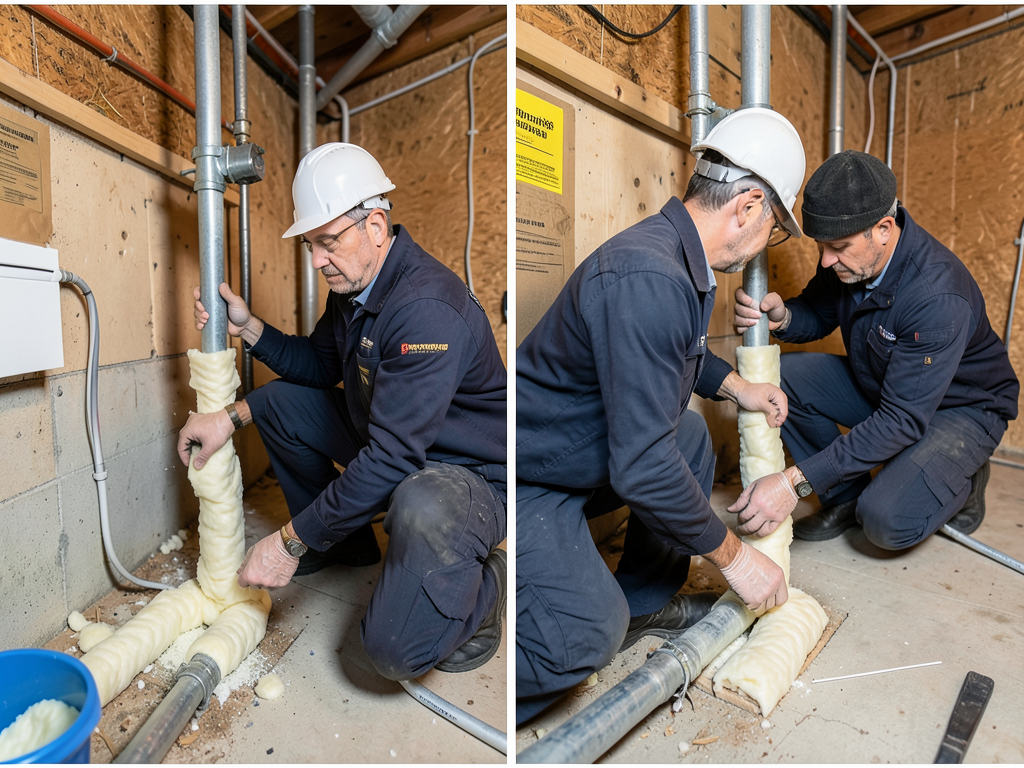
Many homeowners mistake pipe condensation for a leak and waste money on unnecessary repairs. Here’s how to diagnose the problem correctly: EPA Mold Guidelines.
- Visual Inspection
Look for uniform moisture coverage along the pipe length. Condensation appears as even dampness while leaks create isolated wet spots or drips from specific points.
- Paper Towel Test
Wipe the pipe dry with a paper towel. If moisture returns within 30 minutes, you have condensation. If it stays dry, you likely have a leak.
- Temperature Check
Feel the pipe surface. Condensation feels cool and damp while leaking water feels warm or cold depending on the source.
- Pattern Observation
Condensation appears worse on humid days and improves when you run a dehumidifier. Leaks continue regardless of weather conditions.
The Science: Why Basement Pipes Sweat in Kansas City
Kansas City summers bring humidity levels that regularly exceed 70%, creating perfect conditions for pipe condensation. The dew point temperature determines when condensation occurs. When your cold water pipe temperature falls below the dew point of the surrounding air, moisture forms on the pipe surface.
Bonner Springs experiences unique humidity challenges due to our location near the Kansas River. The river valley creates a microclimate with higher moisture content in the air. Combined with our clay soil that holds water like a sponge, basement humidity often reaches 75-85% during peak summer months. Solving the Unique Plumbing Problems Common in Older Brookside and Waldo Homes.
Water temperature also plays a crucial role. Cold water from your municipal supply typically enters at 45-55 degrees Fahrenheit. When this cold water travels through pipes surrounded by 75-85 degree basement air, the temperature differential creates ideal conditions for condensation.
Missouri building codes require proper pipe insulation in basements, but many older Bonner Springs homes were built before these standards existed. Homes built before 1980 often lack any insulation on cold water lines, making them prime candidates for condensation problems.
The Risks of Ignoring ‘Sweating’ Pipes
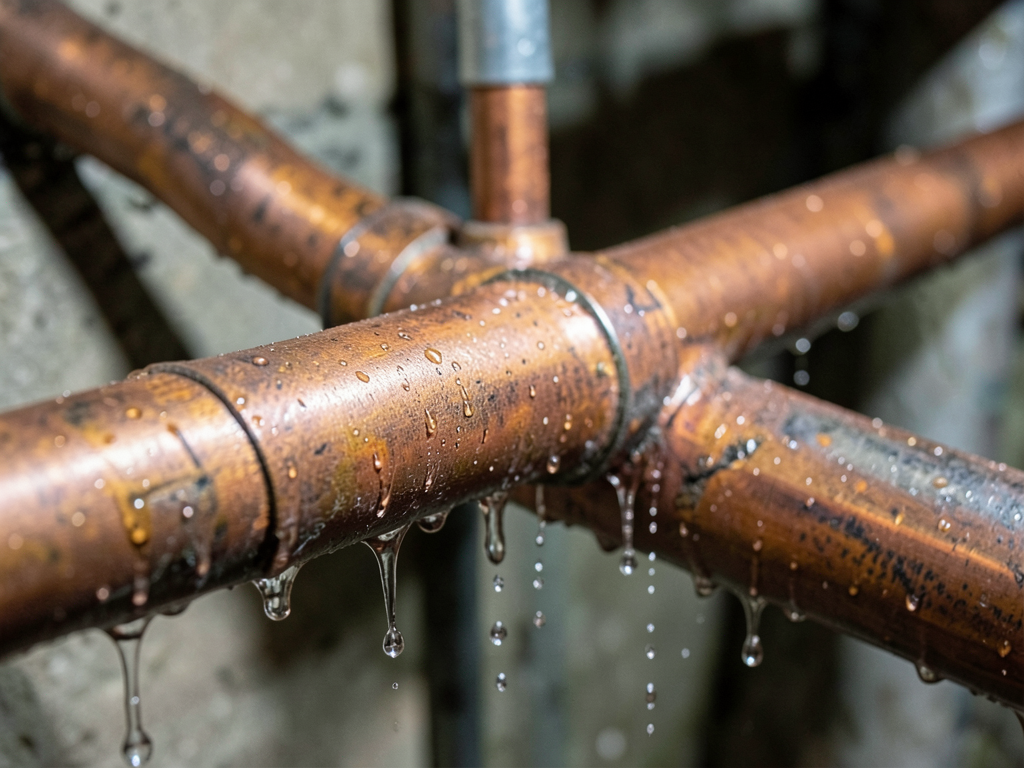
That small amount of water dripping from your pipes can cause major damage over time. Mold grows rapidly in damp environments, with some species establishing colonies within 24-48 hours of moisture exposure. The EPA recommends keeping indoor humidity below 60% to prevent mold growth.
Basement mold affects more than just your pipes. It can damage:
- Wood framing and floor joists
- Carpet and flooring materials
- Stored belongings and cardboard boxes
- Wall insulation and drywall
- Foundation walls through efflorescence
Health risks increase when mold grows in your basement. Mold spores circulate through your HVAC system and affect air quality throughout your entire home. People with allergies, asthma, or compromised immune systems face the highest risk from basement mold exposure.. Read more about The Potential Risks of Finishing Your Lee’s Summit Basement Without the Right Plumbing Permits.
Structural damage occurs when constant moisture weakens wooden support structures. Floor joists can rot from the bottom up, creating unsafe conditions that may require expensive repairs. The cost of fixing structural damage far exceeds the price of preventing pipe condensation.
5 DIY Solutions to Stop Pipe Condensation Today
You can tackle pipe condensation with several DIY approaches. The key is creating a barrier between the cold pipe and warm humid air.
1. Foam Pipe Insulation Sleeves
Pre-slit foam tubes slip over your pipes and create an insulating barrier. Choose closed-cell polyethylene foam with at least 3/8 inch thickness. Measure your pipe diameter before purchasing – common sizes are 1/2 inch, 3/4 inch, and 1 inch. Cut the insulation to length and secure with the built-in adhesive strip.
2. Fiberglass Pipe Wrap
For irregular pipe shapes or valves, fiberglass wrap works better than foam tubes. Wear gloves and a dust mask when handling fiberglass. Wrap the material tightly around pipes and secure with foil tape. This method provides better insulation for pipes near heat sources.
3. Dehumidifier Installation
A basement dehumidifier reduces overall humidity levels, preventing condensation on all cold surfaces. Choose a unit rated for your basement square footage. Empty the collection tank regularly or install a continuous drain hose. Set the humidity control to maintain 45-50% relative humidity. DIY vs. Professional Drain Cleaning.
4. Pipe Heating Cables
For extreme cases, heating cables keep pipe surfaces above the dew point. These electric cables wrap around pipes and maintain a temperature that prevents condensation. They cost more to operate but work when insulation alone isn’t enough.
5. Ventilation Improvements
Increase air circulation in your basement to reduce humidity pockets. Install vent fans, open windows when outdoor humidity is low, and ensure your HVAC system properly conditions basement air. Sometimes simple airflow changes eliminate condensation problems.
When to Call a Professional Plumber
DIY solutions work for minor condensation, but some situations require professional intervention. Call a plumber if you notice:
- Condensation on more than 50% of your basement pipes
- Water damage to finished basement walls or flooring
- Mold growth that covers more than 10 square feet
- Musty odors that persist after cleaning
- Foundation cracks or efflorescence on basement walls
Professional plumbers use specialized tools to diagnose moisture problems. They measure humidity levels with digital hygrometers, check for hidden leaks with acoustic detectors, and assess your basement’s overall moisture management system.
Commercial-grade solutions often provide better results than DIY products. Professional pipe insulation includes vapor barriers and higher R-values. Whole-house dehumidification systems integrate with your existing HVAC equipment for automatic humidity control.
Don’t wait until mold spreads through your basement. Call (816) 473-9233 for a professional inspection today.
Prevention Tips for High-Humidity Missouri Summers
Preventing pipe condensation requires year-round attention, especially in Missouri’s climate. Our summers bring humidity spikes that can overwhelm even well-insulated systems.
Monitor your basement humidity levels using a digital hygrometer. Place the meter at different heights since humidity varies with elevation. Keep humidity between 30-50% to prevent both condensation and mold growth.
Inspect your pipe insulation annually. Foam insulation can degrade over time, especially when exposed to UV light from basement windows or physical damage from stored items. Replace any cracked or compressed sections immediately.
Consider your water usage patterns. Pipes sweat more when cold water runs continuously, such as during lawn irrigation or pool filling. Insulate pipes in areas where you use cold water most frequently.
Upgrade your basement drainage system. Proper grading and functioning sump pumps reduce overall moisture levels. Clay soil in Bonner Springs often requires French drains or other moisture management systems to keep basements dry. Upgrade Your Prairie Village Home with a Professional Low-Flow Toilet Installation.
Install vapor barriers on basement walls if you haven’t already. These plastic sheets prevent moisture from migrating through concrete walls and raising humidity levels. Combined with proper insulation, vapor barriers create a complete moisture control system.
Comparing Pipe Insulation Materials
| Material Type | R-Value per Inch | Cost per Foot | Best Use Case | Installation Difficulty |
|---|---|---|---|---|
| Polyethylene Foam | 3.0-4.0 | $0.50-$1.00 | Straight pipes, DIY projects | Easy |
| Rubber Insulation | 4.0-5.0 | $1.50-$2.50 | High-humidity areas | Medium |
| Fiberglass Wrap | 3.0-4.0 | $0.75-$1.25 | Valves, irregular shapes | Hard |
| Closed-Cell Foam | 5.0-6.0 | $2.00-$3.50 | Commercial applications | Medium |
Understanding Dew Point and Humidity
Dew point represents the temperature at which air becomes saturated and condensation begins. You can calculate when your pipes will sweat using this relationship:
If pipe temperature < dew point temperature, condensation occurs.
Bonner Springs typically experiences summer dew points of 65-75 degrees Fahrenheit. If your cold water pipes run at 50 degrees and your basement air is 75 degrees with 60% humidity, condensation will form because the dew point is approximately 60 degrees.
Relative humidity changes throughout the day affect condensation risk. Morning hours often bring higher humidity levels, increasing condensation during early water usage. Understanding these patterns helps you time insulation projects or dehumidifier operation for maximum effectiveness.
Local weather patterns influence basement humidity. Bonner Springs sits in a river valley where morning fog and evening humidity levels exceed those in surrounding areas. This microclimate effect means our basements face higher moisture challenges than homes just a few miles away.
Long-Term Solutions for Basement Moisture Control
Addressing pipe condensation requires a comprehensive approach to basement moisture management. Start with the source of humidity and work outward.
Foundation waterproofing prevents external moisture from entering your basement. Seal foundation cracks, install proper drainage around your home’s perimeter, and ensure gutters direct water away from your foundation. Clay soil in our area often requires additional drainage solutions.
Upgrade your HVAC system to include basement air conditioning. Many Bonner Springs homes have unconditioned basements that become humidity traps during summer. Adding vents or a separate system keeps basement air dry and prevents condensation on all cold surfaces.
Consider basement finishing with moisture-resistant materials. If you plan to finish your basement, use mold-resistant drywall, install proper vapor barriers, and choose flooring materials that handle occasional moisture exposure.
Regular maintenance prevents small problems from becoming major issues. Check your basement monthly during summer for signs of moisture, inspect pipe insulation annually, and service your dehumidifier according to manufacturer recommendations.
Ready to stop pipe sweating and prevent basement mold? Call (816) 473-9233 to schedule your professional inspection today.
Frequently Asked Questions
How long does it take for mold to grow from pipe condensation?
Mold can begin growing within 24-48 hours of consistent moisture exposure. Once established, mold colonies spread rapidly through your basement, especially in dark corners and behind stored items where air circulation is poor.
Can I use regular insulation from the hardware store for my pipes?
Yes, but choose the right type. Closed-cell foam insulation works best for pipe condensation because it resists moisture absorption. Open-cell foam or fiberglass can trap moisture and actually worsen mold problems if not properly sealed.
Will a dehumidifier alone solve my pipe sweating problem?
A dehumidifier helps but rarely solves the problem completely. You need to combine humidity control with pipe insulation for the best results. Dehumidifiers work best as part of a comprehensive moisture management strategy.
How much does professional pipe insulation cost in Bonner Springs?
Professional pipe insulation typically costs $2-$5 per linear foot depending on the material and complexity. A typical basement with 100 linear feet of pipes might cost $200-$500 for complete insulation installation.
Is pipe condensation covered by homeowners insurance?
Most standard policies don’t cover condensation damage because it’s considered a maintenance issue. However, if condensation leads to mold that causes structural damage, some policies might provide limited coverage. Check your specific policy details with your insurance provider.
How do I know if my basement humidity is too high?
Humidity above 60% creates conditions for mold growth and pipe condensation. Use a hygrometer to measure levels. Signs of high humidity include condensation on windows, musty odors, and visible moisture on cold surfaces like pipes and concrete walls. For more information, visit CDC Mold Information.
{
“@context”: “https://schema.org”,
“@type”: “BlogPosting”,
“headline”: “Why Your Cold Water Pipes are Sweating and How to Prevent Basement Mold in Bonner Springs”,
“description”: “Cold water pipes in Bonner Springs basements sweat due to high summer humidity. Learn how to identify condensation, prevent mold, and protect your home with expert tips.”,
“wordCount”: 2009,
“datePublished”: “2026-06-05T12:43:00.000Z”,
“dateModified”: “2026-06-05T12:43:00.000Z”,
“inLanguage”: “en-US”,
“mainEntityOfPage”: {
“@type”: “WebPage”,
“@id”: “https://silverlineplumbingkansascity.com”
},
“publisher”: {
“@type”: “LocalBusiness”,
“name”: “Silverline Plumbing Kansas City”,
“url”: “https://silverlineplumbingkansascity.com”
},
“author”: {
“@type”: “Organization”,
“name”: “Silverline Plumbing Kansas City”,
“url”: “https://silverlineplumbingkansascity.com”
},
“image”: {
“@type”: “ImageObject”,
“url”: “https://silverlineplumbingkansascity.com/wp-content/uploads/2026/03/why-your-cold-water-pipes-are-sweating-and-how-to-1.png”
}
}
{
“@context”: “https://schema.org”,
“@type”: “Plumber”,
“name”: “Silverline Plumbing Kansas City”,
“url”: “https://silverlineplumbingkansascity.com”,
“address”: {
“@type”: “PostalAddress”,
“addressLocality”: “Kansas City”
},
“areaServed”: {
“@type”: “City”,
“name”: “Kansas City”
}
}
{
“@context”: “https://schema.org”,
“@type”: “FAQPage”,
“mainEntity”: [
{
“@type”: “Question”,
“name”: “How long does it take for mold to grow from pipe condensation?”,
“acceptedAnswer”: {
“@type”: “Answer”,
“text”: “Mold can begin growing within 24-48 hours of consistent moisture exposure. Once established, mold colonies spread rapidly through your basement, especially in dark corners and behind stored items where air circulation is poor.”
}
},
{
“@type”: “Question”,
“name”: “Can I use regular insulation from the hardware store for my pipes?”,
“acceptedAnswer”: {
“@type”: “Answer”,
“text”: “Yes, but choose the right type. Closed-cell foam insulation works best for pipe condensation because it resists moisture absorption. Open-cell foam or fiberglass can trap moisture and actually worsen mold problems if not properly sealed.”
}
},
{
“@type”: “Question”,
“name”: “Will a dehumidifier alone solve my pipe sweating problem?”,
“acceptedAnswer”: {
“@type”: “Answer”,
“text”: “A dehumidifier helps but rarely solves the problem completely. You need to combine humidity control with pipe insulation for the best results. Dehumidifiers work best as part of a comprehensive moisture management strategy.”
}
},
{
“@type”: “Question”,
“name”: “How much does professional pipe insulation cost in Bonner Springs?”,
“acceptedAnswer”: {
“@type”: “Answer”,
“text”: “Professional pipe insulation typically costs $2-$5 per linear foot depending on the material and complexity. A typical basement with 100 linear feet of pipes might cost $200-$500 for complete insulation installation.”
}
},
{
“@type”: “Question”,
“name”: “How do I know if my basement humidity is too high?”,
“acceptedAnswer”: {
“@type”: “Answer”,
“text”: “Humidity above 60% creates conditions for mold growth and pipe condensation. Use a hygrometer to measure levels. Signs of high humidity include condensation on windows, musty odors, and visible moisture on cold surfaces like pipes and concrete walls. For more information, visit CDC Mold Information.”
}
}
]
}
{
“@context”: “https://schema.org”,
“@type”: “HowTo”,
“name”: “How to Test for Condensation vs Leak”,
“step”: [
{
“@type”: “HowToStep”,
“position”: 1,
“name”: “Visual Inspection”,
“text”: “Look for uniform moisture coverage along the pipe length. Condensation appears as even dampness while leaks create isolated wet spots or drips from specific points.”
},
{
“@type”: “HowToStep”,
“position”: 2,
“name”: “Paper Towel Test”,
“text”: “Wipe the pipe dry with a paper towel. If moisture returns within 30 minutes, you have condensation. If it stays dry, you likely have a leak.”
},
{
“@type”: “HowToStep”,
“position”: 3,
“name”: “Temperature Check”,
“text”: “Feel the pipe surface. Condensation feels cool and damp while leaking water feels warm or cold depending on the source.”
},
{
“@type”: “HowToStep”,
“position”: 4,
“name”: “Pattern Observation”,
“text”: “Condensation appears worse on humid days and improves when you run a dehumidifier. Leaks continue regardless of weather conditions.”
}
],
“image”: “https://silverlineplumbingkansascity.com/wp-content/uploads/2026/03/why-your-cold-water-pipes-are-sweating-and-how-to-1.png”
}
{
“@context”: “https://schema.org”,
“@type”: “BreadcrumbList”,
“itemListElement”: [
{
“@type”: “ListItem”,
“position”: 1,
“name”: “Home”,
“item”: “https://silverlineplumbingkansascity.com”
},
{
“@type”: “ListItem”,
“position”: 2,
“name”: “Blog”,
“item”: “https://silverlineplumbingkansascity.com/blog”
},
{
“@type”: “ListItem”,
“position”: 3,
“name”: “Why Your Cold Water Pipes are Sweating and How to Prevent Basement Mold in Bonner Springs”
}
]
}
{
“@context”: “https://schema.org”,
“@type”: “Service”,
“serviceType”: “Plumbing”,
“provider”: {
“@type”: “LocalBusiness”,
“name”: “Silverline Plumbing Kansas City”,
“url”: “https://silverlineplumbingkansascity.com”
},
“areaServed”: {
“@type”: “City”,
“name”: “Kansas City”
},
“description”: “Cold water pipes in Bonner Springs basements sweat due to high summer humidity. Learn how to identify condensation, prevent mold, and protect your home with expert tips.”
}