
Why Your Historic Valentine Home Needs a Specialized Boiler Tune-Up Every Fall
Historic Valentine homes built between 1890 and 1940 feature steam or hot water boiler systems that require specialized maintenance before Kansas City’s freezing winters arrive. These century-old heating systems operate differently than modern furnaces and need annual professional tune-ups to prevent breakdowns when you need heat most. DIY vs. Professional Drain Cleaning.
Steam boilers in Valentine homes typically operate at 0.5 to 2 PSI pressure with cast iron radiators and gravity-fed piping systems. Without proper fall maintenance, these systems can develop dangerous pressure issues, water leaks, or complete failure during the first cold snap. A specialized technician understands the unique challenges of preserving historic heating systems while ensuring modern safety standards. Solving the Unique Plumbing Problems Common in Older Brookside and Waldo Homes.
Silverline Plumbing Kansas City provides expert boiler maintenance for historic Valentine homes, preserving your home’s architectural integrity while ensuring reliable heat throughout winter. Call (816) 473-9233 today to schedule your fall boiler inspection before temperatures drop below freezing. Plumbing Gladstone.
Steam vs. Hot Water: Identifying Your Historic Valentine Boiler System
Most Valentine homes built before 1940 use one of two boiler types. Steam systems feature upright radiators with air vents on top and produce a distinctive hissing sound as steam circulates. Hot water systems use baseboard radiators or cast iron radiators without air vents and operate at higher temperatures with a circulating pump.
Steam boilers require specialized knowledge because they operate at low pressure but high temperature. The Hartford Loop prevents water from escaping if a leak develops, while the low water cut-off (LWCO) shuts down the system if water levels drop too low. Hot water boilers need expansion tank maintenance and circulator pump inspection to prevent cold spots in your home.
Silverline Plumbing technicians can identify your system type and perform the correct maintenance procedures. Many Valentine homeowners discover their system needs different care than they assumed, preventing costly emergency repairs during winter storms.
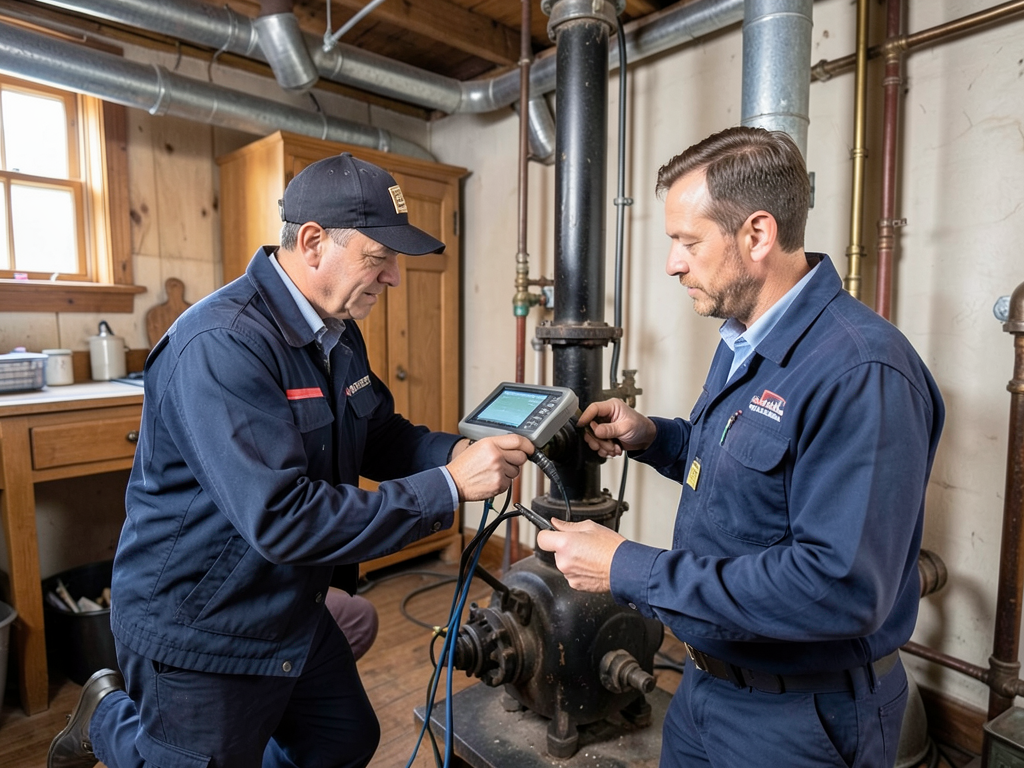
Diagram showing steam boiler components including sight glass, pressure gauge, LWCO, and Hartford Loop connections specific to historic systems.. Read more about How to Check for Lead Pipes in Your Historic Northeast Kansas City Home.
Essential Maintenance Checklist for Historic Valentine Boilers
Professional boiler maintenance follows specific steps that protect both your heating system and your home’s historic value. The process begins with a visual inspection of the boiler exterior, checking for rust, leaks, or damaged insulation that could indicate system problems.
The sight glass requires cleaning to accurately monitor water levels. Many historic boilers have cloudy or dirty sight glasses that make it impossible to verify proper water levels. Clean sight glass allows you to see if the boiler maintains correct water volume during operation.
Pressure relief valve testing ensures the system cannot build dangerous pressure. These valves protect against explosions by releasing excess pressure, but they can stick or fail over time. Testing involves lifting the test lever and verifying water flows freely when released.
Radiator bleeding removes trapped air that prevents proper heat distribution. Each radiator has a small bleed valve that releases air when opened with a special key. Cold spots on radiators indicate air blockage requiring bleeding.
Silverline Plumbing performs comprehensive boiler inspections following National Board of Boiler and Pressure Vessel Inspectors (NBBI) guidelines. Our technicians check all safety controls, clean burners, inspect heat exchangers, and verify proper combustion efficiency for your specific historic system. National Board of Boiler and Pressure Vessel Inspectors.
Common Valentine Boiler Problems and Warning Signs
Historic boilers develop specific problems that modern systems rarely experience. Banging pipes indicate water hammer from steam condensing too quickly or pipes expanding against framing members. This noise often worsens as temperatures drop and steam production increases.
Uneven heating throughout your home suggests balancing issues in the gravity-fed system. Some radiators may stay cold while others overheat because the system cannot properly distribute steam or hot water to all areas. This problem requires professional balancing of radiator valves and possibly system repiping.
Water leaks around the boiler base often indicate corroded sections or failed gaskets in the cast iron sections. Historic boilers develop mineral deposits and corrosion that modern systems resist with stainless steel components. Small leaks can quickly become major failures during peak heating season.
Carbon monoxide production poses serious health risks in older systems with cracked heat exchangers or blocked flues. Kansas City Building Code Section 79-404 requires carbon monoxide detectors near all fuel-burning appliances, but many historic homes lack proper detection systems.
Silverline Plumbing uses combustion analyzers to test for carbon monoxide production and verify proper venting. Our technicians check for backdrafting that could pull dangerous gases into your living space during winter operation.
Energy Efficiency Upgrades Without Losing Historic Integrity
Modern efficiency improvements can enhance your historic boiler without destroying its character. Smart thermostats like Nest or Ecobee provide programmable control while maintaining the original radiator appearance. These devices learn your heating patterns and optimize boiler operation for comfort and fuel savings.
Insulating steam pipes in unconditioned spaces reduces heat loss and improves system efficiency. However, older boilers may have asbestos insulation that requires professional removal following EPA guidelines. Silverline Plumbing tests for asbestos before any insulation work begins.
Replacing the boiler with a modern high-efficiency unit often proves more expensive than maintaining your historic system. Cast iron boilers last 30-50 years with proper maintenance, while modern units typically need replacement after 15-20 years. The embodied energy in your existing boiler also factors into the environmental equation.
Zone control installation allows different areas of your home to operate at different temperatures. This upgrade particularly benefits multi-story Valentine homes where upstairs bedrooms need less heat than downstairs living areas during winter nights. Upgrade Your Prairie Village Home with a Professional Low-Flow Toilet Installation.
Silverline Plumbing helps you balance efficiency improvements with historic preservation. We recommend upgrades that provide measurable energy savings while respecting your home’s architectural character and original heating system design.
Kansas City Winter Demands Pre-Season Boiler Inspections
Kansas City’s climate creates unique challenges for historic boiler systems. Temperature swings of 40-50 degrees in 24 hours cause expansion and contraction stress on century-old pipes and radiators. The freeze-thaw cycles common in January and February can cause cast iron sections to crack if the system lacks proper water treatment.
Heavy snowfall blocks exterior vents and flues, creating dangerous backdrafting conditions. Historic homes often have masonry chimneys that deteriorate over time, allowing carbon monoxide to enter living spaces. Annual inspections verify all venting systems function properly before winter storms arrive.
Power outages during ice storms can cause boiler shutdowns that lead to frozen pipes and water damage. Modern boilers often have battery backup systems, but historic units typically shut down completely. Silverline Plumbing can install low-water cut-off systems with battery backup to protect your home during outages.
Silverline Plumbing recommends scheduling your boiler tune-up in September or October before the first frost. This timing allows for parts ordering if needed and ensures your system operates reliably when temperatures plummet below zero.
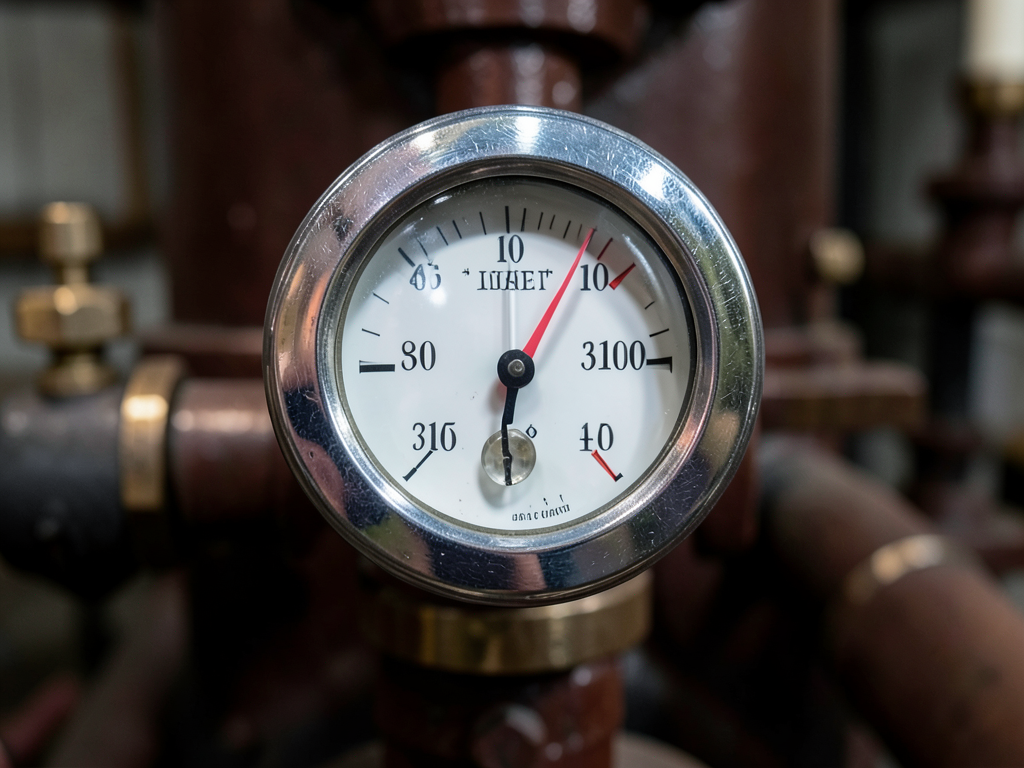
Photo of a technician performing combustion analysis on a historic steam boiler in a Valentine home, showing modern diagnostic equipment connected to century-old equipment.
Repair vs. Replace: Making the Right Choice for Your Valentine Home
Many Valentine homeowners face the decision to repair their existing boiler or replace it with modern equipment. Repair often makes sense for boilers under 30 years old with minor issues like leaking gaskets or faulty controls. Replacement becomes necessary for boilers with cracked sections, severe corrosion, or those over 40 years old.
The cost comparison reveals surprising results. A complete boiler replacement for a historic home often exceeds $8,000-12,000 when factoring in asbestos removal, new piping, and system modifications. Annual maintenance costs $200-400 and can extend your boiler’s life by 10-15 years.
Insurance considerations affect this decision. Some carriers require UL-listed equipment or impose higher premiums on homes with aging heating systems. However, properly maintained historic boilers with documented safety inspections often meet insurance requirements without replacement.
Historic preservation guidelines for Valentine homes may restrict visible changes to your heating system. Replacing radiators or installing new piping could violate local preservation standards. Silverline Plumbing works within these guidelines to maintain both system safety and historic character.
Silverline Plumbing provides honest assessments of your boiler’s condition and helps you understand the long-term costs of repair versus replacement. We never recommend unnecessary replacement when proper maintenance can restore reliable operation.
Safety Considerations for Century-Old Heating Systems
Historic boilers require specific safety protocols that modern systems handle automatically. The low water cut-off (LWCO) must be tested weekly during heating season by opening the blowdown valve and verifying the burner shuts off when water level drops. This simple test prevents catastrophic boiler explosions.
Pressure gauges on steam boilers should read between 0.5 and 2 PSI during normal operation. Higher readings indicate system problems requiring immediate attention. Many historic boilers have inaccurate or missing pressure gauges, making professional testing essential.
Automatic water feeders on steam boilers can mask serious problems by maintaining water levels despite leaks. This feature seems helpful but can lead to flooded basements and hidden corrosion damage. Silverline Plumbing evaluates whether your system needs an automatic feeder or manual water addition. Keep Your Olathe Basement Dry with Reliable Sump Pump Repair and Maintenance.
Gas valve safety requires special attention in older systems. Many historic boilers use standing pilot lights that waste fuel and pose ignition risks. Converting to electronic ignition improves safety and efficiency while maintaining the original boiler’s appearance.
Silverline Plumbing follows National Fire Protection Association (NFPA) 54 standards for gas appliance safety. Our technicians check all gas connections, verify proper combustion air supply, and test for gas leaks using electronic detectors. National Fire Protection Association standards.
Finding the Right Technician for Your Historic Valentine Boiler
Not all HVAC technicians understand historic boiler systems. Look for professionals with specific experience in steam heating, low-pressure systems, and historic preservation. Many modern technicians trained on forced-air furnaces lack the knowledge to properly service gravity-fed steam systems.
Certifications matter for historic boiler work. Look for NATE certification in hydronic heating, ASME certification for pressure vessel work, and experience with National Board inspection standards. These credentials indicate specialized knowledge beyond basic HVAC training.
References from other Valentine homeowners provide valuable insight into a technician’s experience with historic systems. Ask about specific projects involving steam boilers, radiator balancing, or historic preservation work in your area.
Insurance coverage becomes crucial when working on historic systems. Ensure your technician carries liability insurance that covers both property damage and personal injury. Many historic homes have irreplaceable architectural features that require careful protection during service work.
Silverline Plumbing employs technicians with decades of experience in historic Kansas City homes. Our team understands the unique challenges of maintaining century-old heating systems while preserving your home’s architectural integrity.
Before and after photo showing a cleaned and calibrated steam boiler sight glass, demonstrating the difference between neglected and properly maintained historic equipment.
Cost Factors for Historic Boiler Maintenance in Valentine
Boiler maintenance costs vary based on system complexity, accessibility, and required repairs. Basic tune-ups for historic systems typically range from $250-400, while comprehensive inspections with repairs can reach $800-1,500 for older equipment needing parts replacement.
Parts availability affects both cost and timeline. Many historic boiler components are no longer manufactured, requiring custom fabrication or salvage from similar systems. This process can extend repair time from days to weeks while parts are sourced.
Labor rates reflect specialized expertise. Technicians familiar with historic systems often charge 20-30% more than general HVAC technicians because of their specific knowledge and experience. This premium proves worthwhile when considering the risks of improper maintenance on pressure vessels.
Emergency service calls during winter cost significantly more than scheduled maintenance. A Saturday night boiler failure in January might cost $500-800 just for the service call, plus parts and repairs. Regular maintenance prevents these expensive emergency situations.
Silverline Plumbing provides transparent pricing with detailed estimates before beginning work. We explain all cost factors and help you understand the long-term value of proper maintenance versus emergency repairs.
Frequently Asked Questions
How often should I have my historic boiler serviced?
Annual fall maintenance before heating season begins ensures reliable operation throughout winter. Historic boilers need professional inspection to check safety controls, clean burners, and verify proper operation before cold weather arrives.
What are the signs my boiler needs immediate attention?
Banging pipes, uneven heating, water leaks, strange odors, or pressure gauge readings outside 0.5-2 PSI indicate problems requiring professional diagnosis. Carbon monoxide detector alarms require immediate shutdown and emergency service.
Can I maintain my historic boiler myself?
Basic tasks like checking water levels and bleeding radiators are safe for homeowners. However, pressure relief valve testing, combustion analysis, and safety control inspection require professional expertise due to the risks involved with pressure vessels.
How long do historic boilers typically last?
Cast iron steam boilers often operate reliably for 30-50 years with proper maintenance. Some historic boilers over 100 years old still function when regularly serviced by qualified technicians who understand their unique requirements.
Is it worth repairing my old boiler or should I replace it?
Repair makes sense for boilers under 30 years old with minor issues. Replacement becomes necessary for boilers over 40 years old, those with cracked sections, or when repair costs exceed 50% of replacement value. Silverline Plumbing provides honest assessments to help you decide.
Protect Your Valentine Home This Winter
Historic Valentine homes deserve specialized care that preserves their architectural character while ensuring modern safety standards. Your century-old boiler system represents both a heating solution and a piece of Kansas City history that deserves proper maintenance from technicians who understand its unique requirements.
Don’t wait until the first cold snap to discover your boiler needs service. Schedule your fall maintenance now to avoid emergency repairs during the coldest days of winter. Silverline Plumbing Kansas City has served historic Valentine homes for decades, providing expert boiler maintenance that keeps your family warm and your home’s historic integrity intact.
Call (816) 473-9233 today to schedule your specialized boiler tune-up. Our experienced technicians will inspect your system, perform necessary maintenance, and provide recommendations for keeping your historic heating system operating safely and efficiently all winter long.
Pick up the phone and call (816) 473-9233 before the next storm hits. Your historic Valentine home deserves expert care from technicians who understand the unique challenges of century-old heating systems. Don’t risk a cold winter night with an improperly maintained boiler.
Silverline Plumbing Kansas City – Serving Historic Valentine and Surrounding Neighborhoods Since 1998.
{
“@context”: “https://schema.org”,
“@type”: “BlogPosting”,
“headline”: “Why Your Historic Valentine Home Needs a Specialized Boiler Tune-Up Every Fall”,
“description”: “Historic Valentine homes need expert boiler maintenance before Kansas City’s harsh winters. Learn why steam systems need specialized care to protect your 100-year-old heating system.”,
“wordCount”: 2411,
“datePublished”: “2026-04-09T11:08:00.000Z”,
“dateModified”: “2026-04-09T11:08:00.000Z”,
“inLanguage”: “en-US”,
“mainEntityOfPage”: {
“@type”: “WebPage”,
“@id”: “https://silverlineplumbingkansascity.com”
},
“publisher”: {
“@type”: “LocalBusiness”,
“name”: “Silverline Plumbing Kansas City”,
“url”: “https://silverlineplumbingkansascity.com”
},
“author”: {
“@type”: “Organization”,
“name”: “Silverline Plumbing Kansas City”,
“url”: “https://silverlineplumbingkansascity.com”
},
“image”: {
“@type”: “ImageObject”,
“url”: “https://silverlineplumbingkansascity.com/wp-content/uploads/2026/03/why-your-historic-valentine-home-needs-a-specializ-1.png”
}
}
{
“@context”: “https://schema.org”,
“@type”: “Plumber”,
“name”: “Silverline Plumbing Kansas City”,
“url”: “https://silverlineplumbingkansascity.com”,
“address”: {
“@type”: “PostalAddress”,
“addressLocality”: “Kansas City”
},
“areaServed”: {
“@type”: “City”,
“name”: “Kansas City”
}
}
{
“@context”: “https://schema.org”,
“@type”: “FAQPage”,
“mainEntity”: [
{
“@type”: “Question”,
“name”: “How often should I have my historic boiler serviced?”,
“acceptedAnswer”: {
“@type”: “Answer”,
“text”: “Annual fall maintenance before heating season begins ensures reliable operation throughout winter. Historic boilers need professional inspection to check safety controls, clean burners, and verify proper operation before cold weather arrives.”
}
},
{
“@type”: “Question”,
“name”: “What are the signs my boiler needs immediate attention?”,
“acceptedAnswer”: {
“@type”: “Answer”,
“text”: “Banging pipes, uneven heating, water leaks, strange odors, or pressure gauge readings outside 0.5-2 PSI indicate problems requiring professional diagnosis. Carbon monoxide detector alarms require immediate shutdown and emergency service.”
}
},
{
“@type”: “Question”,
“name”: “Can I maintain my historic boiler myself?”,
“acceptedAnswer”: {
“@type”: “Answer”,
“text”: “Basic tasks like checking water levels and bleeding radiators are safe for homeowners. However, pressure relief valve testing, combustion analysis, and safety control inspection require professional expertise due to the risks involved with pressure vessels.”
}
},
{
“@type”: “Question”,
“name”: “How long do historic boilers typically last?”,
“acceptedAnswer”: {
“@type”: “Answer”,
“text”: “Cast iron steam boilers often operate reliably for 30-50 years with proper maintenance. Some historic boilers over 100 years old still function when regularly serviced by qualified technicians who understand their unique requirements.”
}
},
{
“@type”: “Question”,
“name”: “Is it worth repairing my old boiler or should I replace it?”,
“acceptedAnswer”: {
“@type”: “Answer”,
“text”: “Repair makes sense for boilers under 30 years old with minor issues. Replacement becomes necessary for boilers over 40 years old, those with cracked sections, or when repair costs exceed 50% of replacement value. Silverline Plumbing provides honest assessments to help you decide.”
}
}
]
}
{
“@context”: “https://schema.org”,
“@type”: “BreadcrumbList”,
“itemListElement”: [
{
“@type”: “ListItem”,
“position”: 1,
“name”: “Home”,
“item”: “https://silverlineplumbingkansascity.com”
},
{
“@type”: “ListItem”,
“position”: 2,
“name”: “Blog”,
“item”: “https://silverlineplumbingkansascity.com/blog”
},
{
“@type”: “ListItem”,
“position”: 3,
“name”: “Why Your Historic Valentine Home Needs a Specialized Boiler Tune-Up Every Fall”
}
]
}
{
“@context”: “https://schema.org”,
“@type”: “Service”,
“serviceType”: “Plumbing”,
“provider”: {
“@type”: “LocalBusiness”,
“name”: “Silverline Plumbing Kansas City”,
“url”: “https://silverlineplumbingkansascity.com”
},
“areaServed”: {
“@type”: “City”,
“name”: “Kansas City”
},
“description”: “Historic Valentine homes need expert boiler maintenance before Kansas City’s harsh winters. Learn why steam systems need specialized care to protect your 100-year-old heating system.”
}