
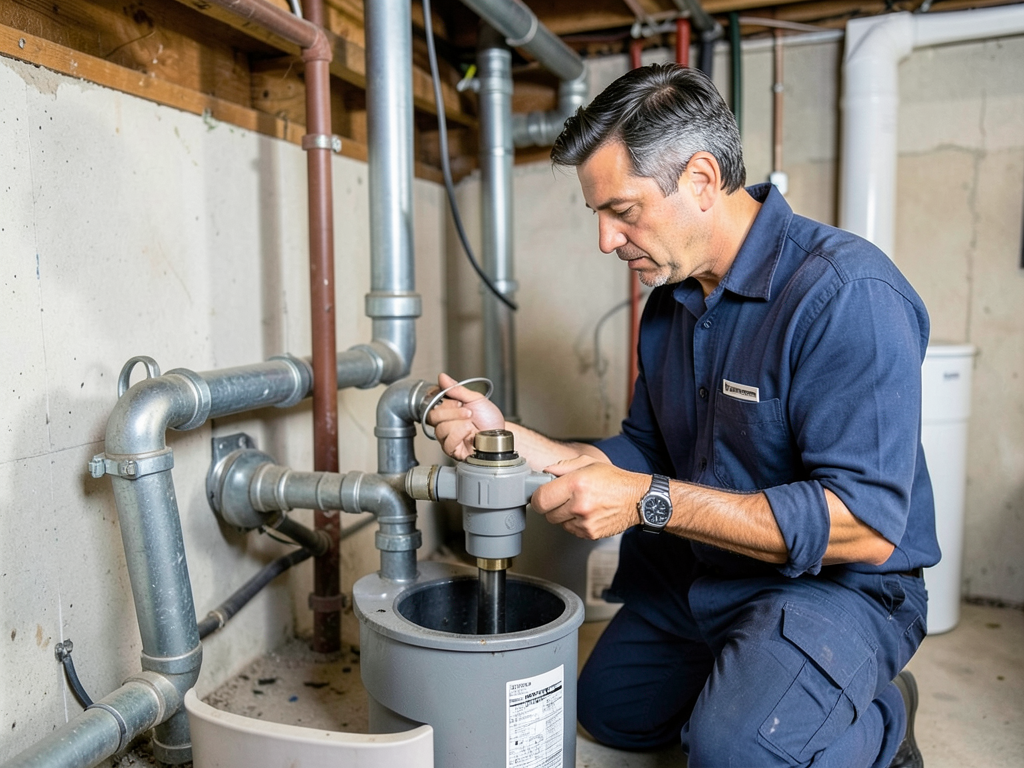
Why Your Parkville Sump Pump Makes a Loud Thumping Noise After It Rains
Your sump pump is supposed to protect your basement from flooding, not create a symphony of strange noises. If you’re hearing a loud thumping sound after it rains in Parkville, you’re not alone. This common issue affects many Kansas City homeowners, especially those with homes near the Missouri River where high water tables and heavy clay soil put extra stress on basement waterproofing systems. Keep Your Olathe Basement Dry with Reliable Sump Pump Repair and Maintenance.
The good news is that a thumping sump pump often indicates a specific, fixable problem rather than imminent pump failure. The bad news is that ignoring it could lead to a flooded basement when the next big storm hits. Let’s diagnose what’s causing that noise and what you can do about it.
Is That Thumping Sound Normal?
Before we dive into problems, it’s important to understand what’s supposed to happen when your sump pump runs. A properly functioning sump pump should operate relatively quietly, with only a gentle hum from the motor and the sound of water moving through discharge pipes.. Read more about Why your Brookside water heater makes a loud popping sound when it’s running.
The thumping sound you’re hearing is most likely caused by what plumbers call “water hammer” or issues with the check valve. This isn’t just annoying—it’s your pump’s way of telling you something isn’t right. Think of it like your car making a knocking sound; it might still run, but that noise means trouble is brewing.. Read more about Why Catch Basins Might Solve Your Lee’s Summit Yard Flooding Better Than a French Drain.
According to the International Plumbing Code (IPC) Section 305.4, proper discharge piping must include a check valve to prevent backflow, and the installation must minimize water hammer effects. If your system isn’t meeting these standards, that’s likely where your thumping originates. International Plumbing Code Section 305.4.
4 Common Causes of Sump Pump Thumping in Kansas City Homes
1. The Water Hammer Effect
Water hammer occurs when the check valve closes abruptly, causing a pressure wave to travel back through the discharge pipe. In Parkville’s older homes with cast iron or rigid PVC pipes, this creates that distinctive thud you’re hearing.
Here’s what happens: when your pump shuts off, water in the discharge pipe suddenly stops moving. If the check valve slams shut instead of closing gradually, the momentum of the water creates a shockwave that makes the pipes bang against your basement walls or floor joists.
During Kansas City’s rainy season, when sump pumps cycle more frequently, this problem becomes more pronounced. The clay soil in Parkville retains water longer, causing your pump to run more often and creating more opportunities for water hammer to occur.
2. Loose Discharge Pipes and Vibration
Another common culprit is vibration from loose discharge pipes. When your sump pump activates, it creates vibrations that travel through the discharge piping. If those pipes aren’t properly secured to floor joists or walls, they’ll bang against nearby surfaces.
In many Parkville basements, especially those built before 2000, discharge pipes were often installed with minimal support. Over time, the constant vibration can loosen mounting brackets or cause pipes to shift position.
Listen carefully to the thumping. If it sounds like it’s coming from the walls or floor rather than directly from the pump, loose pipes are likely your problem. You might even see the pipes moving slightly when the pump runs.
3. Debris in the Pump Impeller
Sump pumps in Parkville often deal with more than just groundwater. During heavy rains, they can suck up small debris, sand, or even leaves that make their way into the basin. This debris can get caught in the impeller, causing it to spin unevenly or hit the pump housing.
When debris interferes with the impeller, it creates an off-balance condition. As the impeller spins at high speed, this imbalance translates into vibration and thumping sounds. The noise might vary in intensity or pitch depending on what’s stuck in there.
This is particularly common in homes near construction sites or areas with recent landscaping work, where extra sediment can wash into basement drainage systems. DIY vs. Professional Drain Cleaning.
4. Basin or Lid Interference
Sometimes the thumping isn’t coming from the pump itself but from the basin or lid. If your sump pit cover isn’t properly seated or if the basin walls are cracked, the pump’s vibration can cause the entire assembly to shift or rattle.
In older Parkville homes, sump basins were often made of concrete or metal rather than modern plastic. These materials can develop cracks over time, and the pump’s vibration can cause the basin to shift slightly, creating a thumping sound against the surrounding soil or concrete floor.
Check if your sump pit cover is loose or if you can see gaps around the edges. A properly installed cover should fit snugly and minimize vibration transfer to the surrounding area.
DIY Solutions: How to Quiet a Noisy Sump Pump
Before you call a plumber, there are several things you can check yourself. These DIY fixes can often eliminate the thumping sound without requiring professional help.
Start by turning off the pump’s power at the circuit breaker for safety. Then remove the sump pit cover and inspect the entire system. Look for obvious issues like loose pipes, debris in the basin, or a misaligned check valve.
If you find loose discharge pipes, you can secure them using pipe hangers or straps. Make sure the pipes are supported every 4-6 feet according to IPC standards. Use rubber or foam padding between the pipes and mounting brackets to reduce vibration transfer.
For water hammer issues, consider installing a water hammer arrestor or upgrading to a spring-loaded check valve instead of a swing check valve. Spring-loaded valves close more gradually, reducing the pressure wave that causes the thumping sound.
Clean out any debris you find in the basin. Even small particles can cause problems over time. If you notice a lot of sediment, you might need to address grading issues outside your home to prevent future buildup.
Check the float switch operation. If the float is sticking or misaligned, it can cause the pump to cycle on and off rapidly, increasing vibration and noise. The float should move freely up and down without hitting the basin walls.
When to Call a Kansas City Plumber for Sump Pump Repair
While many thumping issues can be resolved with DIY fixes, some problems require professional attention. Here’s when you should pick up the phone and call (816) 473-9233.
If you’ve tried securing pipes and cleaning the basin but the thumping continues, you might have a failing check valve or a pump that’s wearing out. Sump pumps in Kansas City typically last 7-10 years due to our region’s high water table and frequent pump cycling during storm season.
Listen for changes in the pump’s sound. If the thumping is accompanied by grinding, screeching, or if the pump runs continuously without shutting off, these are signs of motor failure or electrical problems that require immediate professional attention.
During heavy rains, if your pump seems to be struggling or if you notice water backing up in the pit, don’t wait to call for help. A failing sump pump during a storm can quickly lead to basement flooding, causing thousands of dollars in water damage.
Professional plumbers can also perform comprehensive inspections that most homeowners can’t. They’ll check electrical connections, test the pump’s amp draw, inspect the discharge line for blockages, and verify that your system meets current building codes.
If your home is in a flood-prone area of Parkville or near the Missouri River, consider scheduling annual maintenance inspections before storm season. Prevention is always cheaper than emergency repairs after a basement flood. EPA guidance on sump pump systems.
Preventing Basement Flooding During KC’s Storm Season
Once you’ve addressed the immediate thumping issue, take steps to prevent future problems. Parkville’s location and soil conditions make basement flooding a real concern during heavy rains.
Consider installing a battery backup sump pump system. When power goes out during storms—which happens frequently in our area—your primary pump won’t work, leaving your basement vulnerable. A backup system kicks in automatically when the primary pump fails or when water levels rise too quickly.
Check your home’s exterior grading. Water should flow away from your foundation, not toward it. Even small grading issues can cause excess water to pool around your basement walls, overwhelming your sump pump system.
Clean your gutters and downspouts regularly. Clogged gutters cause water to overflow and pool near your foundation. Make sure downspouts extend at least 6 feet from your home and direct water away from the basement walls.
Consider a sump pump alarm system. These devices alert you when water levels in the pit get too high, giving you time to address problems before flooding occurs. Some modern systems even send alerts to your smartphone.
For homes in flood-prone areas, a second sump pump in a different location can provide additional protection. This is especially important for finished basements or homes with valuable equipment stored below grade.
Understanding Parkville’s Unique Plumbing Challenges
Parkville’s location along the Missouri River and its clay-heavy soil create specific challenges for sump pump systems. The area’s high water table means pumps often run more frequently than in other parts of the Kansas City metro.
The clay soil common in Parkville doesn’t drain well, causing water to accumulate around foundations. This puts extra strain on sump pump systems and can lead to more frequent cycling, which accelerates wear and tear on pump components.
Many homes in Parkville were built in the 1960s-1980s when building codes were different. Older sump pump installations might not meet current IPC standards, making them more prone to problems like the thumping you’re experiencing.
The freeze-thaw cycles common in our region can also affect discharge pipes. If water remains in pipes after the pump shuts off, it can freeze and cause pipes to crack or burst. This is why proper pipe insulation and drainage are crucial in our climate.
Local building departments in Platte County have specific requirements for sump pump installations, particularly regarding discharge locations and backflow prevention. If your system was installed without proper permits, it might not be up to current standards.
Comparing Check Valve Options for Quieter Operation
Not all check valves are created equal when it comes to noise reduction. Here’s how different types compare:
| Check Valve Type | Noise Level | Cost | Best For |
|---|---|---|---|
| Swing Check Valve | High (thumping) | $15-25 | Budget installations |
| Spring-Loaded Silent Check Valve | Low (quiet) | $35-50 | Noise-sensitive areas |
| Silent Check Valve with Air Chamber | Very Low | $45-70 | Premium installations |
The spring-loaded silent check valve is often the best upgrade for thumping problems. While it costs more upfront, the noise reduction and longer lifespan typically make it worthwhile for most homeowners. Upgrade Your Prairie Village Home with a Professional Low-Flow Toilet Installation.
Installation of a new check valve is relatively straightforward for a professional plumber and can usually be completed in under an hour. The improvement in noise levels is often immediate and dramatic.
Testing Your Sump Pump System
Want to diagnose the exact cause of your thumping noise? Here’s a simple test you can perform:
Fill the sump pit with water using a garden hose until the float activates the pump. Listen carefully to when and where the thumping occurs. Does it happen when the pump starts, when it stops, or continuously during operation?
If the thumping occurs when the pump shuts off, it’s likely water hammer from the check valve. If it happens throughout the cycle, check for loose pipes or impeller issues. If it’s only during startup, there might be a motor bearing problem.
Also check the discharge pipe outside your home. Make sure it’s not buried too deeply where freezing could occur, and verify that it extends far enough from your foundation to prevent water from flowing back toward your basement.
Pay attention to how long the pump runs. If it’s cycling on and off rapidly (short-cycling), this could indicate a problem with the float switch or an undersized pump for your home’s drainage needs.
Cost Considerations for Repairs
The cost to fix a thumping sump pump varies widely depending on the underlying cause. Simple DIY fixes like securing pipes or cleaning debris might cost under $50 in materials.
Professional repairs typically range from $150-400. This might include replacing a check valve, securing discharge pipes, or adjusting the float switch. More complex issues like motor replacement or complete pump replacement can cost $400-800.
Emergency service calls during storms or after-hours typically cost 1.5-2x the standard rate due to the urgent nature of the work. However, preventing a basement flood usually saves money compared to water damage restoration, which can cost thousands.
Consider the age of your pump when deciding between repair and replacement. If your pump is over 7 years old and experiencing problems, replacement might be more cost-effective than ongoing repairs.
Frequently Asked Questions
Why does my sump pump only make noise after it rains?
Your sump pump only activates when groundwater levels rise, which typically happens after rainfall. The increased water volume and pressure changes during these cycles can exacerbate existing issues like water hammer or loose pipes, making the thumping more noticeable after storms.
Can a thumping sump pump damage my basement?
While the noise itself isn’t damaging, the underlying issues causing the thumping could lead to pump failure. A failed sump pump during heavy rains can result in basement flooding, water damage, and mold growth. The vibration can also loosen connections over time, potentially causing leaks.
How long should my sump pump run after it rains?
Typically, a sump pump should run intermittently for 24-48 hours after significant rainfall, then return to normal operation. If it continues running constantly for days after rain stops, there might be a problem with the float switch or groundwater levels that requires professional attention.
Should I turn off my sump pump at night if it’s making noise?
Never turn off your sump pump unless you’re doing maintenance. Even if it’s noisy, turning it off leaves your basement vulnerable to flooding. The noise is annoying but turning off the pump is like removing the alarm because it’s beeping—you’re eliminating the warning while the problem still exists.
How do I know if my sump pump is failing vs. just being noisy?
A failing sump pump often shows additional symptoms beyond noise: it might run continuously, fail to activate when water is present, or make grinding or screeching sounds. If you notice water backing up in the pit or your basement feeling damp, these are signs of pump failure rather than just noise issues.
If your Parkville sump pump is making that annoying thumping noise after it rains, don’t wait for a basement flood to take action. Many of these issues are simple fixes that can save you from major water damage when the next big storm hits.
Ready to silence that thumping and protect your basement? Call (816) 473-9233 today to schedule your inspection. Our experienced Kansas City plumbers can diagnose the problem quickly and get your sump pump running quietly and reliably before the next rain arrives.
Don’t let a noisy sump pump become a flooded basement. Pick up the phone and call (816) 473-9233 before the next storm hits. We’re here to help Parkville homeowners stay dry all year round.
You may also find this helpful. Is it a plumbing leak or just groundwater? How to tell the difference in your Fairway basement.
{
“@context”: “https://schema.org”,
“@type”: “BlogPosting”,
“headline”: “Why your Parkville sump pump is making a loud thumping noise after it rains”,
“description”: “Is your Parkville sump pump making a loud thumping noise after it rains? Learn the common causes, DIY fixes, and when to call a Kansas City plumber before your basement floods.”,
“wordCount”: 2550,
“datePublished”: “2026-05-05T09:06:00.000Z”,
“dateModified”: “2026-05-05T09:06:00.000Z”,
“inLanguage”: “en-US”,
“mainEntityOfPage”: {
“@type”: “WebPage”,
“@id”: “https://silverlineplumbingkansascity.com”
},
“publisher”: {
“@type”: “LocalBusiness”,
“name”: “Silverline Plumbing Kansas City”,
“url”: “https://silverlineplumbingkansascity.com”
},
“author”: {
“@type”: “Organization”,
“name”: “Silverline Plumbing Kansas City”,
“url”: “https://silverlineplumbingkansascity.com”
},
“image”: {
“@type”: “ImageObject”,
“url”: “https://silverlineplumbingkansascity.com/wp-content/uploads/2026/03/why-your-parkville-sump-pump-is-making-a-loud-thum-1.png”
}
}
{
“@context”: “https://schema.org”,
“@type”: “Plumber”,
“name”: “Silverline Plumbing Kansas City”,
“url”: “https://silverlineplumbingkansascity.com”,
“address”: {
“@type”: “PostalAddress”,
“addressLocality”: “Kansas City”
},
“areaServed”: {
“@type”: “City”,
“name”: “Kansas City”
}
}
{
“@context”: “https://schema.org”,
“@type”: “FAQPage”,
“mainEntity”: [
{
“@type”: “Question”,
“name”: “Is That Thumping Sound Normal?”,
“acceptedAnswer”: {
“@type”: “Answer”,
“text”: “Before we dive into problems, it’s important to understand what’s supposed to happen when your sump pump runs. A properly functioning sump pump should operate relatively quietly, with only a gentle hum from the motor and the sound of water moving through discharge pipes.”
}
},
{
“@type”: “Question”,
“name”: “Why does my sump pump only make noise after it rains?”,
“acceptedAnswer”: {
“@type”: “Answer”,
“text”: “Your sump pump only activates when groundwater levels rise, which typically happens after rainfall. The increased water volume and pressure changes during these cycles can exacerbate existing issues like water hammer or loose pipes, making the thumping more noticeable after storms.”
}
},
{
“@type”: “Question”,
“name”: “Can a thumping sump pump damage my basement?”,
“acceptedAnswer”: {
“@type”: “Answer”,
“text”: “While the noise itself isn’t damaging, the underlying issues causing the thumping could lead to pump failure. A failed sump pump during heavy rains can result in basement flooding, water damage, and mold growth. The vibration can also loosen connections over time, potentially causing leaks.”
}
},
{
“@type”: “Question”,
“name”: “How long should my sump pump run after it rains?”,
“acceptedAnswer”: {
“@type”: “Answer”,
“text”: “Typically, a sump pump should run intermittently for 24-48 hours after significant rainfall, then return to normal operation. If it continues running constantly for days after rain stops, there might be a problem with the float switch or groundwater levels that requires professional attention.”
}
},
{
“@type”: “Question”,
“name”: “Should I turn off my sump pump at night if it’s making noise?”,
“acceptedAnswer”: {
“@type”: “Answer”,
“text”: “Never turn off your sump pump unless you’re doing maintenance. Even if it’s noisy, turning it off leaves your basement vulnerable to flooding. The noise is annoying but turning off the pump is like removing the alarm because it’s beeping—you’re eliminating the warning while the problem still exists.”
}
},
{
“@type”: “Question”,
“name”: “How do I know if my sump pump is failing vs. just being noisy?”,
“acceptedAnswer”: {
“@type”: “Answer”,
“text”: “A failing sump pump often shows additional symptoms beyond noise: it might run continuously, fail to activate when water is present, or make grinding or screeching sounds. If you notice water backing up in the pit or your basement feeling damp, these are signs of pump failure rather than just noise issues.”
}
}
]
}
{
“@context”: “https://schema.org”,
“@type”: “BreadcrumbList”,
“itemListElement”: [
{
“@type”: “ListItem”,
“position”: 1,
“name”: “Home”,
“item”: “https://silverlineplumbingkansascity.com”
},
{
“@type”: “ListItem”,
“position”: 2,
“name”: “Blog”,
“item”: “https://silverlineplumbingkansascity.com/blog”
},
{
“@type”: “ListItem”,
“position”: 3,
“name”: “Why your Parkville sump pump is making a loud thumping noise after it rains”
}
]
}
{
“@context”: “https://schema.org”,
“@type”: “Service”,
“serviceType”: “Plumbing”,
“provider”: {
“@type”: “LocalBusiness”,
“name”: “Silverline Plumbing Kansas City”,
“url”: “https://silverlineplumbingkansascity.com”
},
“areaServed”: {
“@type”: “City”,
“name”: “Kansas City”
},
“description”: “Is your Parkville sump pump making a loud thumping noise after it rains? Learn the common causes, DIY fixes, and when to call a Kansas City plumber before your basement floods.”
}