Menu

Water Softener & Filtration Systems in Kansas City – Advanced Treatment Solutions for Hard Water and Contamination Challenges

Professional installation and service of whole house water treatment systems engineered to combat Kansas City's high mineral content and municipal water quality issues, protecting your plumbing infrastructure and improving daily water use.

Slider Image 1
Slider Image 2
Slider Image 3
Slider Image 4
Slider Image 5
Slider Image 7
Slider Image 8
Slider Image 9
Slider Image 10
Slider Image 11

Why Kansas City Water Demands Professional Treatment Solutions

Kansas City sits at the confluence of the Missouri and Kansas Rivers, drawing municipal water from these sources and underground aquifers. The geology of the region, characterized by limestone bedrock and clay-rich soil deposits, creates water with exceptionally high calcium and magnesium concentrations. Most homes in Kansas City test between 10 and 15 grains per gallon of hardness, well above the threshold where scale buildup becomes destructive.

You see the evidence in white crust around faucets, spotty glassware, and water heaters that fail years before their expected lifespan. Hard water leaves mineral deposits inside pipes, reducing water pressure and flow over time. The calcium carbonate scale acts as an insulator in water heaters, forcing them to work harder and consume more energy. In neighborhoods like Brookside and Waldo, where homes were built in the 1920s and 1930s with galvanized piping, mineral buildup compounds existing corrosion problems.

Beyond hardness, Kansas City water contains chlorine, chloramines, and occasional agricultural runoff contaminants depending on seasonal conditions and your specific water district. The treatment plants do their job for basic safety, but residential water purification addresses taste, odor, and long-term health considerations the municipal system cannot control.

A properly designed water conditioning system protects your plumbing investment, extends appliance life, improves soap efficiency, and delivers cleaner water for drinking and bathing. The question is not whether you need treatment, but which system configuration matches your water chemistry and household demand.

Why Kansas City Water Demands Professional Treatment Solutions
How Professional Water Treatment Systems Actually Work

How Professional Water Treatment Systems Actually Work

Water softeners use ion exchange technology. Hard water passes through a resin bed containing sodium-charged beads. Calcium and magnesium ions bond to the resin while sodium ions release into the water. When the resin becomes saturated with hardness minerals, the system regenerates using brine solution from a salt tank, flushing the captured minerals to drain and recharging the beads with fresh sodium.

Modern systems use metered regeneration, tracking actual water usage instead of operating on a fixed timer. This reduces salt consumption and wastewater discharge. High-efficiency models regenerate using 20 to 40 percent less salt than older designs, making them more economical and environmentally responsible.

Whole house water filtration systems address different concerns. Carbon filtration removes chlorine, chloramines, volatile organic compounds, and chemicals that affect taste and odor. The activated carbon media provides a massive surface area where contaminants adsorb as water flows through. Sediment pre-filters capture rust, sand, and particulate matter that would otherwise clog fixtures and appliances.

For homes with specific contamination issues, reverse osmosis systems push water through a semipermeable membrane that blocks dissolved solids, heavy metals, and microorganisms. These systems typically install at point-of-use locations like kitchen sinks, delivering purified drinking water while the whole house system handles general treatment.

System sizing depends on peak flow demand, household size, and water hardness levels. Undersized equipment regenerates too frequently and wastes resources. Oversized systems cost more upfront without providing additional benefit. Proper sizing requires testing your specific water supply and calculating fixture unit demand based on bathroom count and usage patterns.

Installation involves tapping into the main water line after the pressure regulator but before branch lines split off to different areas of the house. This ensures treated water reaches every fixture while maintaining proper system pressure and flow rates.

What Happens During Your Water Treatment Installation

Water Softener & Filtration Systems in Kansas City – Advanced Treatment Solutions for Hard Water and Contamination Challenges
01

Water Testing and Analysis

We collect samples and send them to a certified lab for comprehensive analysis. The report shows hardness levels, pH, total dissolved solids, iron content, and any contaminants present. This data determines which treatment technologies you need and how to configure the system. We also measure water pressure and flow rate at your main line to ensure proper equipment sizing for your home's demand.
02

System Design and Installation

Based on test results, we design a treatment configuration matching your water chemistry and household size. Installation includes mounting the equipment, connecting supply and drain lines, installing bypass valves for service access, and running electrical connections for metered heads. We pressure test all connections, program regeneration cycles based on your usage patterns, and verify proper drainage and backflow prevention. The installation typically takes four to six hours depending on access and plumbing configuration.
03

System Calibration and Training

After installation, we calibrate the system controls, set regeneration schedules, and run a complete cycle to verify operation. You receive hands-on training covering salt level monitoring, system bypass operation, and basic troubleshooting. We explain what maintenance the system needs and when to schedule service. You get documentation including warranty information, service records, and specifications for future reference. Most homeowners notice softer water within 24 hours as treated water replaces the existing supply throughout the plumbing.

Why Kansas City Homeowners Choose Local Water Treatment Experts

Kansas City water varies significantly by district and neighborhood. The Missouri side draws from different treatment plants than the Kansas side. Homes in older areas like Westport and the Northeast deal with aging infrastructure that adds iron and sediment. New developments in Lee's Summit and Blue Springs have different water chemistry than established neighborhoods closer to downtown.

We understand these local variations because we test water and install systems across the metro every week. We know which areas have seasonal turbidity issues from agricultural runoff, which neighborhoods experience pressure fluctuations that require specific equipment configurations, and how local plumbing codes affect installation requirements.

Kansas City adopted the International Plumbing Code with local amendments. These regulations govern where treatment equipment can be installed, what backflow prevention devices are required, and how drain lines must be configured. Improper installations that do not meet code can cause problems during home sales or insurance claims. We pull permits when required and ensure all work meets both manufacturer specifications and local code requirements.

Our technicians train directly with equipment manufacturers. We install multiple brands and can recommend systems based on your specific water conditions rather than pushing a single product line. This matters because water treatment is not one-size-fits-all. A home with iron bacteria needs different equipment than one with just hardness. A household of six requires different capacity than a couple without children.

We provide ongoing service and support. Water treatment systems need periodic maintenance, media replacement, and occasional repairs. When you work with a local company, you get service calls scheduled quickly and technicians who already understand your system configuration. We maintain detailed records of what equipment you have, when it was installed, and what maintenance has been performed, making future service more efficient and accurate.

What to Expect From Your Water Treatment System

Installation Timeline and Scheduling

Water testing takes one week for lab results. Once you approve the system design, we typically schedule installation within one to two weeks depending on equipment availability and your schedule. The installation itself takes four to six hours. We shut off your water during connection work, usually for 30 to 45 minutes total. You can use water immediately after installation, though it takes 24 to 48 hours for treated water to fully replace the existing supply throughout your plumbing. We recommend scheduling installation on a day when you can be home to learn system operation and ask questions as we work.

Initial Water Assessment Process

During the initial visit, we inspect your current plumbing configuration, locate the main water line, identify installation space, and collect water samples. We measure water pressure and flow rate, check for existing treatment equipment that needs removal or bypass, and photograph the work area. The lab analysis provides specific data on hardness, pH, total dissolved solids, iron, manganese, sulfur, nitrates, and other contaminants. This comprehensive testing costs between $150 and $300 depending on the panel selected, but it eliminates guesswork. We review results with you and explain exactly what each parameter means for your water quality and which treatment methods address your specific issues.

Performance and Results

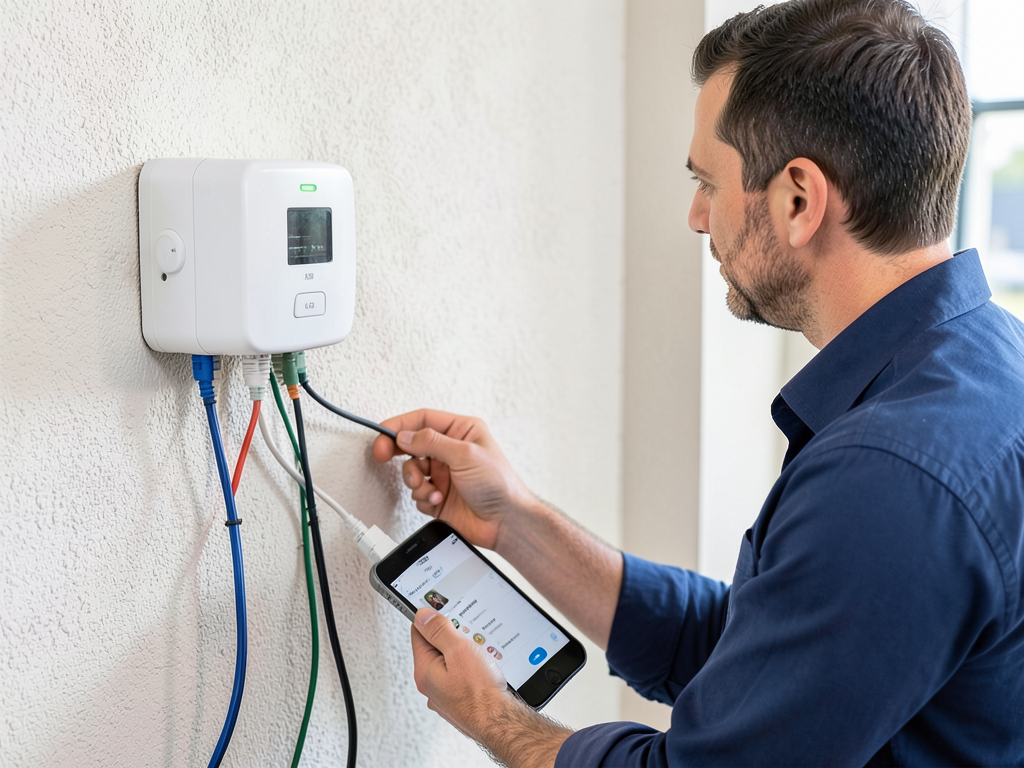
Properly installed water conditioning systems reduce hardness to near zero, eliminating scale buildup in pipes and appliances. You notice softer skin and hair, cleaner dishes, brighter laundry, and better soap lathering. Water heaters run more efficiently and last longer. Faucets and showerheads stay cleaner. If you installed filtration along with softening, chlorine taste and odor disappear. The systems operate automatically with minimal intervention. You add salt to the brine tank every four to eight weeks depending on usage and hardness levels. Modern equipment uses smartphone apps that alert you when salt runs low or if the system detects operational issues requiring attention.

Ongoing Maintenance and Service

Water softeners need annual maintenance including resin bed cleaning, control valve inspection, and brine tank sanitization. Carbon filters require media replacement every three to five years depending on usage and chlorine levels. We offer service plans covering annual inspections, filter changes, and priority scheduling for repairs. During maintenance visits, we test treated water quality to verify the system still performs correctly, check salt usage patterns against expected consumption, inspect all connections for leaks, and clean or replace any worn components. Most repairs involve replacing control valves, replacing resin media, or fixing salt delivery mechanisms. Parts availability is good for major brands, and most repairs complete within one visit.

Frequently Asked Questions

You Have Questions,
We Have Answers

How Kansas City's Limestone Geology Affects Water Treatment System Selection

The limestone bedrock underlying Kansas City creates water with high calcium carbonate content. This mineral dissolves into groundwater and surface water as precipitation filters through soil and rock. Municipal treatment plants do not remove hardness minerals, they focus on disinfection and basic contaminant removal. The result is consistently hard water throughout the metro area, though specific hardness levels vary by source. Homes served by the Missouri River intake plants typically measure 12 to 14 grains per gallon. Areas drawing from wells in Johnson County, Kansas often test higher at 15 to 18 grains per gallon. This geological reality makes whole house water conditioning a practical necessity rather than a luxury for anyone who wants to protect plumbing and appliances from premature failure.

Plumbing Services in The Kansas City Area

We invite you to visit our location or view our extensive service area on the map below. Silverline Plumbing is proud to serve the entire Kansas City metro area, bringing our professional and trustworthy plumbing services to homes and businesses across the region. We are committed to being your neighborhood plumbers, always ready to respond to your call with speed and expertise, no matter where you are located.

Address:
Silverline Plumbing Kansas City, 131 E 39th St, Kansas City, MO, 64111

Additional Services We Offer

Our news updates

Latest Articles & News from The Blogs

Plumbing a Backyard Tiny Home or Guest Suite in North Kansas City \n\n Planning a backyard tiny home or guest…

Plumbing a Backyard Tiny Home or Guest Suite in North Kansas City

Plumbing a Backyard Tiny Home or Guest Suite in North Kansas City \n\n Planning a backyard tiny home or guest…

Dual Flush vs Single Flush — Which Toilet Saves the Most Money on Your KCMO Water Bill?

Which Toilet Type Saves More on Your Kansas City Water Bill? Choosing between a dual flush and single flush toilet…

How to Get Instant Hot Water to Your Master Suite in Leawood Without Wasting Gallons

How to Get Instant Hot Water to Your Master Suite in Leawood Without Wasting Gallons Waiting three minutes for hot…

Contact Us

Stop dealing with hard water damage and poor water quality. Call Silverline Plumbing Kansas City at (816) 473-9233 to schedule comprehensive water testing and system design. We deliver solutions engineered for Kansas City water conditions, installed right the first time.