
Why Your Drains Smell Like Rotten Eggs (and How to Get Rid of the Stench for Good)
That rotten egg smell coming from your drains isn’t just unpleasant—it’s a warning sign. The stench of sulfur in your Kansas City home usually means hydrogen sulfide gas is building up somewhere in your plumbing system. This gas isn’t just offensive to your nose; it can be dangerous at high concentrations and signals a problem that needs immediate attention. Kansas City Water Services Department.
Before you reach for air freshener or light another candle, you need to identify the source. The smell could be coming from a dry P-trap under a rarely used sink, bacteria growing in your water heater, or even a cracked sewer line beneath your Gladstone or North Kansas City home. Kansas City’s hard water and aging infrastructure in neighborhoods like Parkville and Riverside make certain homes more vulnerable to these issues. Fix Your Overland Park Sewer Line Without Digging Up Your Entire Yard.
This guide will walk you through the most common causes of sulfur smells in drains, help you diagnose which one you’re dealing with, and show you exactly what to do next. We’ll cover safe DIY solutions for minor problems and explain when that smell means you need to call a professional plumber right away. DIY vs. Professional Drain Cleaning.
Immediate Safety Check: Is it Sewer Gas?
Hydrogen sulfide gas—the chemical responsible for that rotten egg smell—can be dangerous at high concentrations. The Missouri Department of Health warns that exposure to levels above 100 parts per million can cause eye irritation, coughing, and even loss of consciousness.
Warning signs that require immediate evacuation:
- The smell is suddenly very strong throughout your entire home
- You feel dizzy, nauseous, or have burning eyes while in the house
- The odor persists even after ventilating the space
- You hear gurgling sounds from multiple drains at once
If you experience any of these symptoms, leave immediately and call 911 or your local gas company. Don’t try to diagnose the problem yourself when your health is at risk.
For less severe cases, open windows and turn on fans to ventilate the area. The smell of rotten eggs from a single drain or fixture usually indicates a localized problem rather than a dangerous gas buildup.
Common Culprit 1: The Dry P-Trap
Every drain in your home has a P-trap—that curved pipe you can see under sinks that holds water. This water creates a seal that blocks sewer gases from rising into your living space. When a P-trap dries out, that seal breaks and allows gases to escape.
In Kansas City, P-traps dry out for several reasons:
- Floor drains in basements that haven’t been used in months
- Sinks in guest bathrooms or vacation homes
- Seasonal homes that sit empty during winter months
- Evaporation during dry winter months when humidity drops
How to fix a dry P-trap:
- Run water in the affected fixture for 30 seconds
- If the smell persists, pour a quart of water down the drain
- Add a tablespoon of mineral oil to slow future evaporation
Most Kansas City homes in older neighborhoods like Briarcliff and Weatherby Lake have floor drains in basements that rarely get used. These are prime candidates for dry P-traps, especially during winter when indoor heating reduces humidity. Keep Your Olathe Basement Dry with Reliable Sump Pump Repair and Maintenance.
Common Culprit 2: Bacteria in the Biofilm
Your drains aren’t just hollow pipes—they’re coated with a slimy layer called biofilm where bacteria thrive. When sulfur-reducing bacteria multiply in this environment, they produce hydrogen sulfide gas as a byproduct.
These bacteria love damp, dark environments with organic matter to feed on. Common hotspots include:
- Sink overflows where water sits and soap scum accumulates
- Shower drains with hair and soap buildup
- Garbage disposals where food particles get trapped
DIY cleaning solution:
- Pour 1/2 cup baking soda down the drain
- Follow with 1 cup white vinegar
- Let the mixture fizz for 15 minutes
- Flush with boiling water (not for PVC pipes)
For stubborn biofilm, enzyme-based drain cleaners work better than harsh chemicals because they actually digest the organic matter bacteria feed on. Kansas City’s hard water means mineral deposits can accelerate biofilm formation, especially in homes with well water or older plumbing systems.
Common Culprit 3: Your Water Heater Anode Rod
Here’s a cause many homeowners miss: your water heater’s anode rod. This sacrificial rod prevents tank corrosion but can react with sulfates in your water to produce hydrogen sulfide gas.
Kansas City’s water supply comes from the Missouri River and local aquifers, containing varying levels of sulfates and minerals. When these interact with a magnesium anode rod, the chemical reaction produces that characteristic rotten egg smell—but only in hot water.
How to test if your water heater is the source:
- Smell cold water from a tap—if it’s fine, the problem is isolated to hot water
- The smell is stronger when you first turn on hot water
- You notice the odor more in showers than sinks
Solution: Replace the magnesium anode rod with an aluminum-zinc rod. This costs $200-400 for parts and labor in the Kansas City area. If your water heater is over 10 years old and has this problem, replacement might be more cost-effective than repair.
Common Culprit 4: Blocked Plumbing Vent Stacks
Your plumbing system needs to breathe. Vent stacks—those pipes that stick out of your roof—allow sewer gases to escape and maintain proper pressure in your drain lines.
When these get blocked, gases back up through your drains. Common causes in Kansas City include:
- Bird nests in spring
- Leaves and debris accumulation
- Snow and ice buildup during winter freezes
- Small animals or rodents
Signs of a blocked vent stack:
- Gurgling sounds when you flush toilets
- Slow drains throughout the house
- The rotten egg smell comes and goes with wind direction
- Multiple fixtures have drainage problems
Vent stack cleaning requires climbing on your roof—a dangerous job that’s best left to professionals. The average cost in Kansas City ranges from $150-300 for this service.
Common Culprit 5: Cracked or Collapsed Sewer Lines
When the problem is in your main sewer line, the smell will be strongest near floor drains, basement toilets, or where the main line exits your home. This is the most serious cause and requires immediate professional attention.
Kansas City’s older neighborhoods, particularly in areas with clay soil like parts of Liberty and Smithville, are prone to sewer line problems. Clay soil expands and contracts with moisture changes, putting pressure on underground pipes.
Signs of sewer line damage:
- The smell is strongest in your basement or lowest level
- You notice wet spots in your yard above the sewer line
- Drains back up during heavy rain
- You hear bubbling or gurgling from toilets when using other fixtures
Kansas City’s combined sewer overflow system in older districts can also contribute to these problems during heavy rainfall, when the system becomes overwhelmed.
DIY Solutions for Kansas City Homeowners
Before calling a plumber, try these safe, effective solutions for minor drain odors:
- Identify the Source
Determine which drain or area has the strongest smell. Is it isolated to one room or throughout the house?
- Clean the P-trap
Place a bucket under the sink trap, unscrew the connectors, and remove the trap. Clean it thoroughly with a bottle brush and hot soapy water.
- Flush All Drains
Run water in every sink, tub, and floor drain for 30 seconds to refill dry P-traps.
- Clean Overflows
Use a turkey baster to squirt hot water mixed with vinegar into sink overflows.
- Disinfect Garbage Disposals
Grind ice cubes with lemon peels, then flush with hot water and baking soda.
For Kansas City’s hard water, mineral buildup can trap odors. Consider installing a whole-house water softener if you notice white scale on faucets or spots on dishes. Faucet & Sink Repair.
When to Call a Professional Kansas City Plumber
Some drain odor problems require professional equipment and expertise. Call a plumber if:
- The smell persists after trying DIY solutions
- You notice multiple drains backing up
- The odor is strongest in your basement or yard
- You hear persistent gurgling from your plumbing system
- You suspect a broken sewer line
Professional solutions include:
| Service | Average Kansas City Cost | When Needed |
|---|---|---|
| Sewer Camera Inspection | $250-400 | Suspected line damage |
| Hydro-jetting | $400-600 | Severe buildup or roots |
| Anode Rod Replacement | $200-400 | Hot water only smells |
| Main Line Repair | $1,500-4,000 | Cracked or collapsed line |
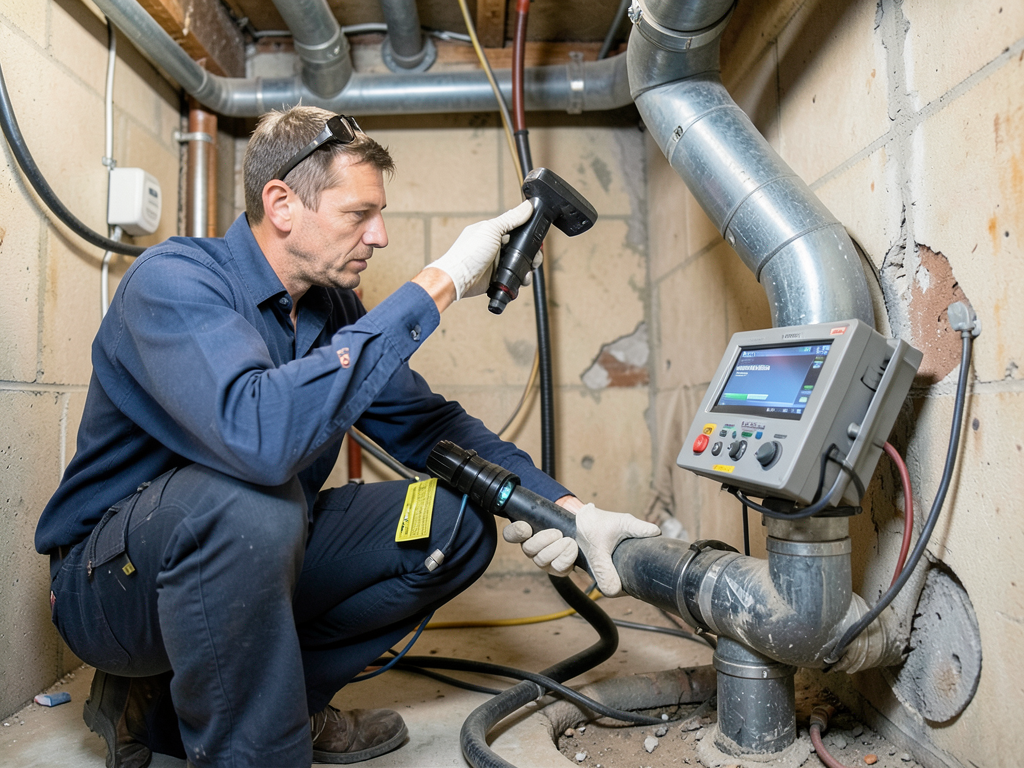
Kansas City plumbers use specialized equipment like sewer cameras and hydro-jetting machines that can diagnose and fix problems that DIY methods can’t touch. Many offer emergency services for severe cases.
Preventing Future Drain Odors
Once you’ve eliminated the current smell, prevent it from returning with these maintenance tips:
- Run water in unused sinks and floor drains monthly
- Clean your garbage disposal weekly with ice and citrus peels
- Install drain screens to catch hair and debris
- Consider annual professional drain cleaning for older homes
- Replace your water heater anode rod every 5 years
Kansas City’s climate creates specific challenges. Our humid summers promote bacterial growth, while winter freezes can crack pipes. Homes in areas with clay soil need more frequent inspections because soil movement stresses plumbing systems.
According to the Kansas City Water Services Department, the city’s average water hardness is 120-180 parts per million, which contributes to mineral buildup that can trap odors. Installing a water softener can reduce this problem significantly.
Frequently Asked Questions
Is the rotten egg smell dangerous?
At low concentrations, the smell is more of a nuisance than a health hazard. However, hydrogen sulfide gas can be dangerous at high levels. If the smell is very strong or accompanied by symptoms like dizziness or eye irritation, evacuate and call for help immediately.
Why does the smell only happen in hot water?
This usually indicates a problem with your water heater’s anode rod. The magnesium rod reacts with sulfates in the water to produce hydrogen sulfide gas, but this reaction only occurs when the water is heated.
How much does it cost to fix a smelly drain in Kansas City?
Simple fixes like cleaning a P-trap cost $100-200. More complex issues like sewer line repairs range from $1,500-4,000. Most Kansas City plumbers offer free estimates to diagnose the exact cause.
Can I use bleach to get rid of the smell?
Bleach can kill bacteria temporarily but may damage your pipes and plumbing fixtures. It also creates toxic fumes when mixed with other drain cleaners. Enzyme-based cleaners are safer and more effective for long-term odor control.
How long should I wait before calling a plumber?
If DIY solutions don’t eliminate the smell within 24-48 hours, or if you notice other symptoms like slow drains or gurgling sounds, call a professional. Early intervention prevents more expensive repairs later.
Don’t Let Drain Odors Ruin Your Home Comfort
That rotten egg smell isn’t just unpleasant—it’s your plumbing system crying for help. Whether you’re dealing with a simple dry P-trap or a serious sewer line issue, ignoring the problem will only make it worse and more expensive to fix.
Kansas City homeowners in neighborhoods from Gladstone to Parkville face unique challenges due to our hard water, clay soil, and aging infrastructure. What works in other cities might not solve your specific problem. Solving the Unique Plumbing Problems Common in Older Brookside and Waldo Homes.
If you’ve tried the DIY solutions in this guide and that sulfur smell persists, it’s time to call in the experts. Our licensed Kansas City plumbers have the equipment and experience to diagnose the exact cause and fix it right the first time.
Pick up the phone and call (816) 473-9233 today to schedule your inspection. Don’t wait until that minor odor turns into a major plumbing emergency. Your nose—and your wallet—will thank you.
Remember: when it comes to drain odors, what you can’t see can hurt you. Let our experienced team restore fresh air to your home and give you peace of mind about your plumbing system. For more information, visit CDC hydrogen sulfide safety information.
You may also find this helpful. Keeping Your Country Club Plaza Restaurant Running with Reliable Grease Trap Cleaning and Service.
You may also find this helpful. Reverse Osmosis vs Whole House Filtration — Finding the Right Pure Water Solution in Liberty.
{
“@context”: “https://schema.org”,
“@type”: “BlogPosting”,
“headline”: “Why Your Drains Smell Like Rotten Eggs (and How to Get Rid of the Stench for Good)”,
“description”: “Learn why your drains smell like rotten eggs in Kansas City homes and how to fix them. Get expert tips on P-traps, bacteria, and when to call a plumber.”,
“wordCount”: 2004,
“datePublished”: “2026-03-22T11:38:00.000Z”,
“dateModified”: “2026-03-22T11:38:00.000Z”,
“inLanguage”: “en-US”,
“mainEntityOfPage”: {
“@type”: “WebPage”,
“@id”: “https://silverlineplumbingkansascity.com”
},
“publisher”: {
“@type”: “LocalBusiness”,
“name”: “Silverline Plumbing Kansas City”,
“url”: “https://silverlineplumbingkansascity.com”
},
“author”: {
“@type”: “Organization”,
“name”: “Silverline Plumbing Kansas City”,
“url”: “https://silverlineplumbingkansascity.com”
},
“image”: {
“@type”: “ImageObject”,
“url”: “https://silverlineplumbingkansascity.com/wp-content/uploads/2026/03/why-your-drains-smell-like-rotten-eggs-and-how-to-1.png”
}
}
{
“@context”: “https://schema.org”,
“@type”: “Plumber”,
“name”: “Silverline Plumbing Kansas City”,
“url”: “https://silverlineplumbingkansascity.com”,
“address”: {
“@type”: “PostalAddress”,
“addressLocality”: “Kansas City”
},
“areaServed”: {
“@type”: “City”,
“name”: “Kansas City”
}
}
{
“@context”: “https://schema.org”,
“@type”: “FAQPage”,
“mainEntity”: [
{
“@type”: “Question”,
“name”: “Immediate Safety Check: Is it Sewer Gas?”,
“acceptedAnswer”: {
“@type”: “Answer”,
“text”: “Hydrogen sulfide gas—the chemical responsible for that rotten egg smell—can be dangerous at high concentrations. The Missouri Department of Health warns that exposure to levels above 100 parts per million can cause eye irritation, coughing, and even loss of consciousness.”
}
},
{
“@type”: “Question”,
“name”: “Is the rotten egg smell dangerous?”,
“acceptedAnswer”: {
“@type”: “Answer”,
“text”: “At low concentrations, the smell is more of a nuisance than a health hazard. However, hydrogen sulfide gas can be dangerous at high levels. If the smell is very strong or accompanied by symptoms like dizziness or eye irritation, evacuate and call for help immediately.”
}
},
{
“@type”: “Question”,
“name”: “Why does the smell only happen in hot water?”,
“acceptedAnswer”: {
“@type”: “Answer”,
“text”: “This usually indicates a problem with your water heater’s anode rod. The magnesium rod reacts with sulfates in the water to produce hydrogen sulfide gas, but this reaction only occurs when the water is heated.”
}
},
{
“@type”: “Question”,
“name”: “How much does it cost to fix a smelly drain in Kansas City?”,
“acceptedAnswer”: {
“@type”: “Answer”,
“text”: “Simple fixes like cleaning a P-trap cost $100-200. More complex issues like sewer line repairs range from $1,500-4,000. Most Kansas City plumbers offer free estimates to diagnose the exact cause.”
}
},
{
“@type”: “Question”,
“name”: “Can I use bleach to get rid of the smell?”,
“acceptedAnswer”: {
“@type”: “Answer”,
“text”: “Bleach can kill bacteria temporarily but may damage your pipes and plumbing fixtures. It also creates toxic fumes when mixed with other drain cleaners. Enzyme-based cleaners are safer and more effective for long-term odor control.”
}
},
{
“@type”: “Question”,
“name”: “How long should I wait before calling a plumber?”,
“acceptedAnswer”: {
“@type”: “Answer”,
“text”: “If DIY solutions don’t eliminate the smell within 24-48 hours, or if you notice other symptoms like slow drains or gurgling sounds, call a professional. Early intervention prevents more expensive repairs later.”
}
}
]
}
{
“@context”: “https://schema.org”,
“@type”: “HowTo”,
“name”: “How to Eliminate Drain Odors”,
“step”: [
{
“@type”: “HowToStep”,
“position”: 1,
“name”: “Identify the Source”,
“text”: “Determine which drain or area has the strongest smell. Is it isolated to one room or throughout the house?”
},
{
“@type”: “HowToStep”,
“position”: 2,
“name”: “Clean the P-trap”,
“text”: “Place a bucket under the sink trap, unscrew the connectors, and remove the trap. Clean it thoroughly with a bottle brush and hot soapy water.”
},
{
“@type”: “HowToStep”,
“position”: 3,
“name”: “Flush All Drains”,
“text”: “Run water in every sink, tub, and floor drain for 30 seconds to refill dry P-traps.”
},
{
“@type”: “HowToStep”,
“position”: 4,
“name”: “Clean Overflows”,
“text”: “Use a turkey baster to squirt hot water mixed with vinegar into sink overflows.”
},
{
“@type”: “HowToStep”,
“position”: 5,
“name”: “Disinfect Garbage Disposals”,
“text”: “Grind ice cubes with lemon peels, then flush with hot water and baking soda.”
}
],
“image”: “https://silverlineplumbingkansascity.com/wp-content/uploads/2026/03/why-your-drains-smell-like-rotten-eggs-and-how-to-1.png”
}
{
“@context”: “https://schema.org”,
“@type”: “BreadcrumbList”,
“itemListElement”: [
{
“@type”: “ListItem”,
“position”: 1,
“name”: “Home”,
“item”: “https://silverlineplumbingkansascity.com”
},
{
“@type”: “ListItem”,
“position”: 2,
“name”: “Blog”,
“item”: “https://silverlineplumbingkansascity.com/blog”
},
{
“@type”: “ListItem”,
“position”: 3,
“name”: “Why Your Drains Smell Like Rotten Eggs (and How to Get Rid of the Stench for Good)”
}
]
}
{
“@context”: “https://schema.org”,
“@type”: “Service”,
“serviceType”: “Plumbing”,
“provider”: {
“@type”: “LocalBusiness”,
“name”: “Silverline Plumbing Kansas City”,
“url”: “https://silverlineplumbingkansascity.com”
},
“areaServed”: {
“@type”: “City”,
“name”: “Kansas City”
},
“description”: “Learn why your drains smell like rotten eggs in Kansas City homes and how to fix them. Get expert tips on P-traps, bacteria, and when to call a plumber.”
}