
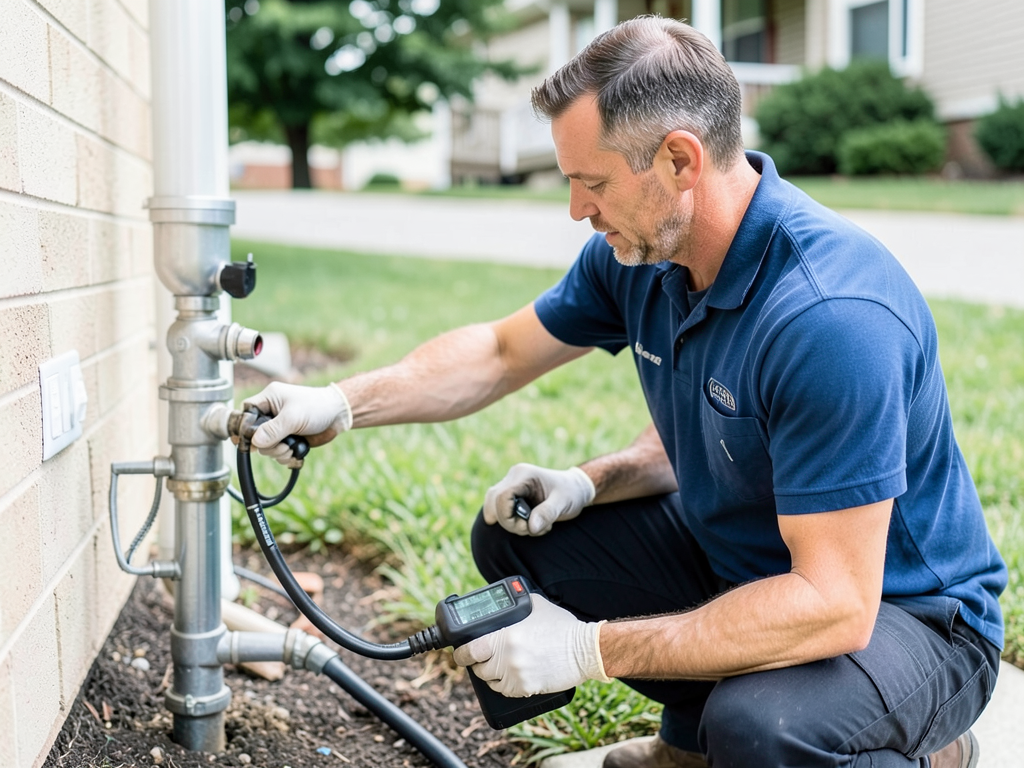
How to check your Olathe home for silent leaks that are driving up your water bill
A sudden spike in your water bill without any obvious changes in usage often signals a hidden leak somewhere in your home’s plumbing system. In Olathe these silent leaks can waste thousands of gallons of water before you even notice a problem. The culprit might be a worn toilet flapper a cracked irrigation line or even a slab leak beneath your foundation. The good news is you can catch many of these issues yourself with a few simple diagnostic tests before they cause major damage or drain your wallet. Keep Your Olathe Basement Dry with Reliable Sump Pump Repair and Maintenance.
Water leaks in Olathe homes are particularly tricky because our local soil expands and contracts with seasonal moisture changes putting stress on underground pipes. Combine that with our harsh freeze-thaw cycles and you have a perfect recipe for small cracks that grow into big problems. This guide walks you through step-by-step methods to find these hidden leaks using tools you already have at home plus explains when it’s time to call in a professional plumber with specialized leak detection equipment. DIY vs. Professional Drain Cleaning.
Start with the water meter test the definitive proof of a leak
Your water meter holds the answer to whether you have a hidden leak. Most Olathe homes have their meter located in the basement near the main water line entry point though some homes in newer developments might have an outdoor pit meter. To run this test turn off all water sources in your home including ice makers washing machines and irrigation systems. Locate the low-flow indicator on your meter which is usually a small triangular dial or wheel. If this dial moves when no water is being used you have a leak somewhere in your system.. Read more about How to find the source of a mysterious water spot on your Leawood ceiling.
Write down the current meter reading and wait two hours without using any water. Check the reading again. If the numbers have changed you have confirmed a leak. This test works for both KC Water and WaterOne customers in Olathe. The EPA estimates that household leaks waste nearly one trillion gallons of water annually nationwide so catching yours early saves both money and our local water resources. EPA estimates that household leaks waste nearly one trillion gallons of water annually.
Test your toilets the most common source of silent leaks
Toilets account for nearly 30% of household water use and a worn flapper valve can waste up to 200 gallons per day without you hearing a thing. The dye test is your best friend here. Remove the toilet tank lid and add a few drops of food coloring or a dye tablet. Wait 15-20 minutes without flushing. If color appears in the bowl you have a flapper leak that needs replacement.
Listen for phantom flushes too. If your toilet refills periodically when no one has used it the flapper is likely letting water seep from tank to bowl. In Olathe’s hard water these rubber components degrade faster than in softer water areas. A new flapper costs under $10 and takes five minutes to install but can save you hundreds on your annual water bill.
Check these hidden leak sources specific to Olathe homes
Beyond toilets several other areas commonly hide leaks in Olathe properties. Water heater pressure relief valves should be inspected for constant dripping. These valves release excess pressure but a faulty one creates a steady leak that can waste gallons daily. Check the pipe near the water heater’s base for moisture or mineral deposits.
Irrigation systems pose another silent threat especially in Olathe’s expansive clay soil. A small crack in an underground sprinkler line can lose hundreds of gallons before creating a visible wet spot. Walk your yard looking for unusually green patches or soft areas that stay wet longer than surrounding grass. These often indicate buried pipe leaks.
Slab leaks affect many Olathe ranch-style homes built in the 1970s and 1980s. The Missouri/Kansas clay soil shifts with moisture content causing copper pipes beneath concrete slabs to crack. Signs include warm spots on floors unexplained mold growth or the sound of running water when all fixtures are off. These require professional acoustic leak detection equipment to locate precisely.
How Kansas City’s climate creates unique leak challenges
Olathe sits in the transition zone between Missouri and Kansas weather patterns experiencing both states’ extremes. Our freeze-thaw cycles cause pipes to expand and contract stressing joints and fittings. When temperatures drop below freezing and then rise above it multiple times in a season the repeated movement can crack even new plumbing. This is especially true for pipes in exterior walls or unheated crawl spaces. Plumbing Gladstone.
Our expansive clay soil known locally as gumbo soil is another major factor. This soil absorbs water and swells then dries and contracts creating constant movement around buried pipes. Over time this shifting causes misalignment at pipe joints leading to slow leaks that worsen each season. Homes near Kill Creek or other water features often have higher water tables increasing hydrostatic pressure on underground plumbing.
The 2023 Kansas City International Airport expansion revealed extensive clay soil challenges affecting nearby residential water lines. Similar soil conditions exist throughout Olathe particularly in the areas near the Indian Creek corridor where moisture retention is highest.
When DIY methods aren’t enough professional leak detection technology
Some leaks require specialized equipment to find. Professional plumbers use acoustic leak detectors that amplify the sound of water escaping from pipes through walls and concrete. These devices can pinpoint a leak within inches without destructive testing. Thermal imaging cameras detect temperature differences caused by leaking hot water lines beneath floors or inside walls.
For the most difficult cases plumbers use tracer gas which involves injecting a safe hydrogen-nitrogen mixture into your plumbing system. The gas escapes through the leak and rises to the surface where sensitive detectors locate it. This method works even through concrete slabs and is particularly effective for slab leaks common in Olathe’s older neighborhoods.
Electronic moisture meters help detect water presence in building materials without visual signs. These tools measure conductivity changes in wood drywall and concrete indicating hidden moisture that could signal an active leak or previous water damage creating conditions for mold growth.
Understanding your Olathe water bill helps catch leaks early
Both KC Water and WaterOne provide detailed usage graphs on monthly bills. A sudden jump of 2000 gallons or more in a single month often indicates a leak. Compare your current usage to the same month last year accounting for seasonal changes. Irrigation typically causes summer spikes but a winter increase suggests indoor plumbing issues. KC Water provides detailed usage graphs on monthly bills.
WaterOne’s smart metering system in newer Olathe neighborhoods can alert you to unusual usage patterns through their customer portal. These systems detect continuous flow that might indicate a running toilet or irrigation leak within 24 hours rather than waiting for the monthly bill. WaterOne’s smart metering system in newer Olathe neighborhoods.
According to the EPA the average household’s leaks can account for more than 10000 gallons of water wasted every year nationwide. In Olathe where water rates continue to rise fixing these leaks quickly becomes both an environmental and financial necessity.
Hidden signs your home might have a silent leak
Sometimes leaks reveal themselves through subtle clues before causing major damage. Musty odors in bathrooms or near water fixtures often indicate hidden moisture promoting mold growth. Peeling paint or wallpaper near plumbing lines suggests water damage behind walls. Warped flooring particularly near bathrooms or kitchens can signal a slow leak beneath the surface.
Foundation cracks in Olathe homes might seem like settling but can also result from water erosion beneath the slab. If you notice new cracks appearing after heavy rains or seasonal changes a plumbing leak could be washing away supporting soil. Soggy spots in your yard that never dry out even during dry spells often indicate underground pipe leaks.
High humidity levels throughout your home particularly in basements can result from hidden plumbing leaks adding moisture to the air continuously. This creates ideal conditions for dust mites and mold spores affecting indoor air quality and potentially causing health issues for residents with allergies or respiratory conditions.
Take action before minor leaks become major problems
Finding a silent leak early can save you thousands in water bills and prevent costly water damage repairs. The DIY tests outlined here help you catch most common leaks but some situations require professional expertise. If your water meter test shows a leak but you cannot locate the source or if you suspect a slab leak under your foundation it’s time to call a licensed plumber.
Professional leak detection services in Olathe typically cost between $200 and $500 depending on the complexity of the job. This investment often pays for itself within a few months through reduced water bills. Plus early detection prevents the mold growth wood rot and foundation damage that can result from long-term leaks.
Remember that some leaks worsen quickly especially during seasonal transitions when soil movement is highest. What starts as a small drip can become a major break overnight particularly in older copper pipes common in Olathe’s mid-century homes. Don’t wait until you see water damage or receive an astronomical water bill.
Frequently Asked Questions
How much water can a silent leak waste in a month?
A silent toilet leak can waste up to 6000 gallons per month while a small pipe leak might lose 2000-5000 gallons depending on the size of the crack. Even a drip every few seconds adds up to over 1000 gallons monthly.
Can I get a leak detection test from my water utility?
Both KC Water and WaterOne offer free meter accuracy tests if you suspect your meter is faulty. However they do not provide leak detection services. You would need to hire a licensed plumber for that service.
How long does professional leak detection take?
Most residential leak detection appointments take 1-2 hours. Simple toilet or faucet leaks can be identified immediately while complex slab leaks requiring acoustic detection might take the full appointment to locate precisely. Faucet & Sink Repair.
Will my homeowner’s insurance cover leak detection?
Insurance typically covers water damage restoration but not the cost of finding the leak unless the leak resulted from a covered peril like a sudden pipe burst. Routine leak detection is considered maintenance and is usually not covered.
What should I do if I find a leak myself?
Turn off the water supply to the affected fixture if possible. For main line leaks shut off your home’s main water valve. Then call a licensed plumber to repair the leak properly. Temporary fixes often fail and can cause more damage.
Are slab leaks common in Olathe homes?
Yes particularly in homes built between 1960 and 1990. The combination of copper pipes copper reacting with our soil chemistry and the expansive clay soil creates conditions where slab leaks develop over time. Early detection is key to preventing major damage.
How can I prevent future silent leaks?
Regular maintenance helps prevent many leaks. Replace toilet flappers every two years use water hammer arrestors to prevent pipe damage and insulate pipes in unheated areas. Also monitor your water bill monthly for unusual increases that might indicate developing problems.
Should I repair or replace old plumbing?
If your home has galvanized steel pipes over 50 years old or polybutylene pipes of any age replacement is often more cost-effective than repeated repairs. A whole-house repipe costs $4000-15000 but eliminates the worry of future leaks and can increase your home’s value.
Don’t let silent leaks drain your wallet and damage your home
Silent leaks in Olathe homes waste thousands of gallons of water annually and can cause extensive damage before you notice any signs. The combination of our local soil conditions freeze-thaw cycles and aging infrastructure creates perfect conditions for these hidden problems. By performing the simple tests outlined in this guide you can catch many leaks early saving money and preventing water damage.
Remember that some leaks require professional equipment to locate and repair properly. If you’ve confirmed a leak through the water meter test but cannot find the source or if you suspect a slab leak under your foundation don’t wait. Water damage only gets worse with time and mold growth can begin within 24-48 hours of water exposure.
Pick up the phone and call (816) 473-9233 today to schedule your professional leak detection service. Our licensed plumbers use state-of-the-art acoustic and thermal imaging equipment to find and fix leaks quickly minimizing damage to your home. Don’t let another month of wasted water and potential damage go by. Call now and take control of your home’s water efficiency.
Silverline Plumbing Kansas City serves all of Olathe and the surrounding Johnson County area with 24/7 emergency service available. We understand the unique challenges our local soil and climate create for homeowners and we have the experience and equipment to solve your silent leak problems quickly and effectively. Solving the Unique Plumbing Problems Common in Older Brookside and Waldo Homes.
{
“@context”: “https://schema.org”,
“@type”: “BlogPosting”,
“headline”: “How to check your Olathe home for silent leaks that are driving up your water bill”,
“description”: “Discover how to find hidden water leaks in your Olathe home before they cause major damage. Learn DIY tests and when to call a professional plumber.”,
“wordCount”: 2195,
“datePublished”: “2026-05-02T13:24:00.000Z”,
“dateModified”: “2026-05-02T13:24:00.000Z”,
“inLanguage”: “en-US”,
“mainEntityOfPage”: {
“@type”: “WebPage”,
“@id”: “https://silverlineplumbingkansascity.com”
},
“publisher”: {
“@type”: “LocalBusiness”,
“name”: “Silverline Plumbing Kansas City”,
“url”: “https://silverlineplumbingkansascity.com”
},
“author”: {
“@type”: “Organization”,
“name”: “Silverline Plumbing Kansas City”,
“url”: “https://silverlineplumbingkansascity.com”
},
“image”: {
“@type”: “ImageObject”,
“url”: “https://silverlineplumbingkansascity.com/wp-content/uploads/2026/03/how-to-check-your-olathe-home-for-silent-leaks-tha-1.png”
}
}
{
“@context”: “https://schema.org”,
“@type”: “Plumber”,
“name”: “Silverline Plumbing Kansas City”,
“url”: “https://silverlineplumbingkansascity.com”,
“address”: {
“@type”: “PostalAddress”,
“addressLocality”: “Kansas City”
},
“areaServed”: {
“@type”: “City”,
“name”: “Kansas City”
}
}
{
“@context”: “https://schema.org”,
“@type”: “FAQPage”,
“mainEntity”: [
{
“@type”: “Question”,
“name”: “How much water can a silent leak waste in a month?”,
“acceptedAnswer”: {
“@type”: “Answer”,
“text”: “A silent toilet leak can waste up to 6000 gallons per month while a small pipe leak might lose 2000-5000 gallons depending on the size of the crack. Even a drip every few seconds adds up to over 1000 gallons monthly.”
}
},
{
“@type”: “Question”,
“name”: “Can I get a leak detection test from my water utility?”,
“acceptedAnswer”: {
“@type”: “Answer”,
“text”: “Both KC Water and WaterOne offer free meter accuracy tests if you suspect your meter is faulty. However they do not provide leak detection services. You would need to hire a licensed plumber for that service.”
}
},
{
“@type”: “Question”,
“name”: “How long does professional leak detection take?”,
“acceptedAnswer”: {
“@type”: “Answer”,
“text”: “Most residential leak detection appointments take 1-2 hours. Simple toilet or faucet leaks can be identified immediately while complex slab leaks requiring acoustic detection might take the full appointment to locate precisely. Faucet & Sink Repair.”
}
},
{
“@type”: “Question”,
“name”: “Will my homeowner’s insurance cover leak detection?”,
“acceptedAnswer”: {
“@type”: “Answer”,
“text”: “Insurance typically covers water damage restoration but not the cost of finding the leak unless the leak resulted from a covered peril like a sudden pipe burst. Routine leak detection is considered maintenance and is usually not covered.”
}
},
{
“@type”: “Question”,
“name”: “What should I do if I find a leak myself?”,
“acceptedAnswer”: {
“@type”: “Answer”,
“text”: “Turn off the water supply to the affected fixture if possible. For main line leaks shut off your home’s main water valve. Then call a licensed plumber to repair the leak properly. Temporary fixes often fail and can cause more damage.”
}
},
{
“@type”: “Question”,
“name”: “Are slab leaks common in Olathe homes?”,
“acceptedAnswer”: {
“@type”: “Answer”,
“text”: “Yes particularly in homes built between 1960 and 1990. The combination of copper pipes copper reacting with our soil chemistry and the expansive clay soil creates conditions where slab leaks develop over time. Early detection is key to preventing major damage.”
}
},
{
“@type”: “Question”,
“name”: “How can I prevent future silent leaks?”,
“acceptedAnswer”: {
“@type”: “Answer”,
“text”: “Regular maintenance helps prevent many leaks. Replace toilet flappers every two years use water hammer arrestors to prevent pipe damage and insulate pipes in unheated areas. Also monitor your water bill monthly for unusual increases that might indicate developing problems.”
}
},
{
“@type”: “Question”,
“name”: “Should I repair or replace old plumbing?”,
“acceptedAnswer”: {
“@type”: “Answer”,
“text”: “If your home has galvanized steel pipes over 50 years old or polybutylene pipes of any age replacement is often more cost-effective than repeated repairs. A whole-house repipe costs $4000-15000 but eliminates the worry of future leaks and can increase your home’s value.”
}
}
]
}
{
“@context”: “https://schema.org”,
“@type”: “BreadcrumbList”,
“itemListElement”: [
{
“@type”: “ListItem”,
“position”: 1,
“name”: “Home”,
“item”: “https://silverlineplumbingkansascity.com”
},
{
“@type”: “ListItem”,
“position”: 2,
“name”: “Blog”,
“item”: “https://silverlineplumbingkansascity.com/blog”
},
{
“@type”: “ListItem”,
“position”: 3,
“name”: “How to check your Olathe home for silent leaks that are driving up your water bill”
}
]
}
{
“@context”: “https://schema.org”,
“@type”: “Service”,
“serviceType”: “Plumbing”,
“provider”: {
“@type”: “LocalBusiness”,
“name”: “Silverline Plumbing Kansas City”,
“url”: “https://silverlineplumbingkansascity.com”
},
“areaServed”: {
“@type”: “City”,
“name”: “Kansas City”
},
“description”: “Discover how to find hidden water leaks in your Olathe home before they cause major damage. Learn DIY tests and when to call a professional plumber.”
}