
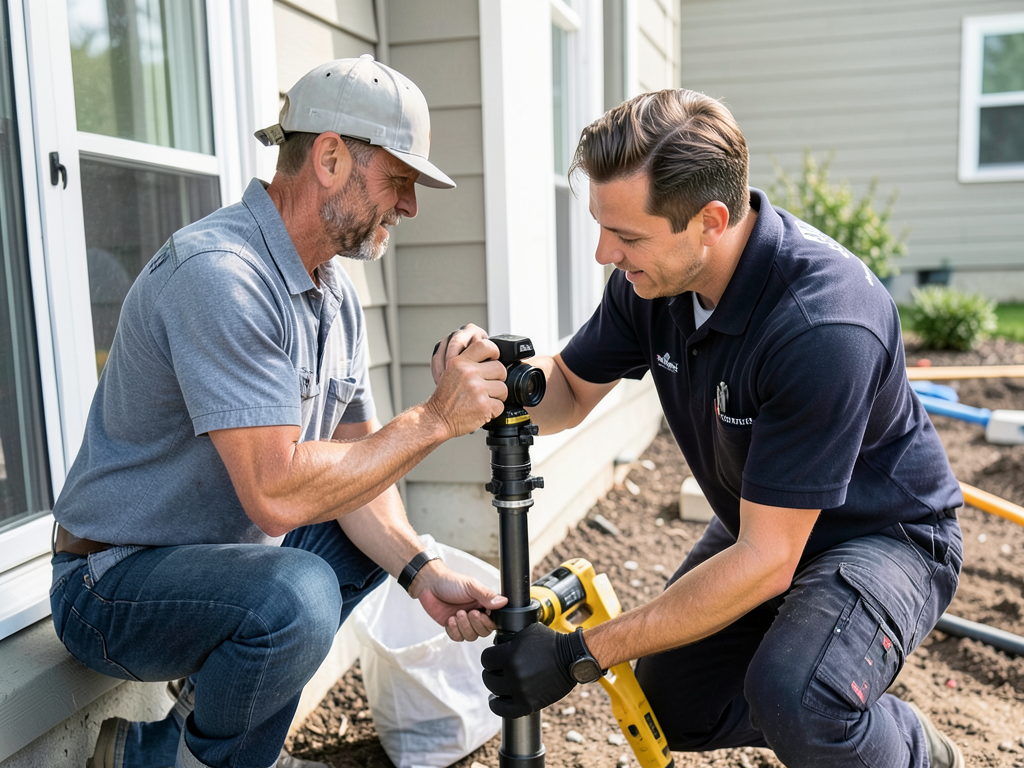
Planning a Home Addition? Here’s How to Connect Your New Plumbing in Gardner
Adding square footage to your Gardner home means more than just framing walls and picking paint colors. The plumbing system that serves your existing space needs careful evaluation before you break ground. Water pressure, sewer capacity, and proper venting all determine whether your new addition will function smoothly or create a cascade of costly problems. Fix Your Overland Park Sewer Line Without Digging Up Your Entire Yard.
The first step involves understanding what your current system can handle. Most Gardner homes built before 2000 use 3/4-inch main supply lines that struggle when additional bathrooms get added. Your water meter and main shutoff valve might need upgrading to 1-inch or larger to maintain adequate flow. The sewer lateral connecting your home to Gardner’s municipal system also has capacity limits that become critical when adding fixtures.. Read more about Comparing Heat Pump Water Heaters to Traditional Electric for Olathe Families.
Permitting represents another crucial phase that many homeowners underestimate. The City of Gardner requires separate plumbing permits for additions, and inspections happen at specific construction stages. Missing these inspections means red tags and delays that push back your move-in date. The permitting process typically takes 2-3 weeks, so factor this timeline into your project schedule.. Read more about Plumbing a Backyard Tiny Home or Guest Suite in North Kansas City.
Planning Your Addition: Assessment of Existing Systems
Before finalizing your addition plans, a licensed plumber should evaluate your current system’s capacity. This assessment involves checking water pressure at multiple fixtures, measuring flow rates, and inspecting the main sewer line for obstructions or deterioration.. Read more about Thinking of switching from well water to city water in Basehor? Here is what to expect.
Water pressure problems often reveal themselves during simultaneous fixture use. If your current pressure drops significantly when someone showers while the washing machine runs, your system lacks the capacity for additional bathrooms. A pressure gauge reading below 40 psi indicates insufficient supply for new fixtures.. Read more about Making Your Bathroom Safer with Senior-Friendly Plumbing Upgrades in Lee’s Summit.
The sewer lateral inspection requires specialized camera equipment. Tree root intrusion, bellied pipes, or offset joints in the existing line create bottlenecks that new fixtures will worsen. Replacing a compromised sewer lateral costs between $3,000 and $7,000 but prevents sewage backups that could damage your new addition.
Foundation type also affects plumbing planning. Gardner’s clay soil expands and contracts with moisture changes, potentially shifting pipes over time. Slab-on-grade additions require different plumbing approaches than those built over crawl spaces or basements. The frost line in Gardner sits at 30 inches, dictating minimum pipe burial depths for exterior runs. Keep Your Olathe Basement Dry with Reliable Sump Pump Repair and Maintenance.
Navigating Kansas City Building Codes & Permits
Gardner follows Johnson County plumbing codes based on the International Plumbing Code, but local amendments create specific requirements. The city mandates licensed plumbers for all new installations, and DIY plumbing work gets red-tagged during inspections. Johnson County Government.
Permit requirements include detailed plumbing plans showing fixture locations, pipe sizes, and venting configurations. The plans must demonstrate compliance with fixture unit calculations that determine pipe sizing. A new bathroom typically adds 4-6 fixture units to your load calculation.
Inspection stages include underground rough-in, before concrete placement; above-ground rough-in, before wall closure; and final inspection, after all fixtures install. Missing any inspection stage means reopening walls and potentially replacing finished work.
Water heater capacity calculations become critical when adding bathrooms. A standard 40-gallon tank might suffice for your current home but struggle with additional demand. Tankless water heaters offer space savings but require proper gas line sizing and adequate electrical capacity. Why Switching to a Tankless Water Heater Makes Sense for Your Kansas City Home.
The Two Phases of Addition Plumbing: Rough-In vs. Trim-Out
Plumbing installation divides into two distinct phases that align with construction milestones. The rough-in phase happens after framing but before drywall installation. Plumbers run supply lines, drain pipes, and vent stacks according to approved plans. DIY vs. Professional Drain Cleaning.
Supply line installation typically uses PEX piping for new construction due to its flexibility and freeze resistance. Copper remains popular for exposed runs or where local codes require it. Pipe sizing depends on fixture unit calculations – a toilet needs 3-inch drain pipe, while a sink uses 1.5-inch.
Venting proves critical for proper drainage. Every fixture requires a vent that terminates above the roof. Improper venting causes slow drains, gurgling sounds, and trap seal loss that allows sewer gases into living spaces. The International Plumbing Code requires vents within 6 feet of most fixtures. International Code Council.
The trim-out phase happens after insulation and drywall installation. Plumbers install fixtures, connect supply lines, and test the entire system. This phase includes pressure testing supply lines at 80-100 psi for 15 minutes to check for leaks.
Common Additions We Service
Master suite additions represent the most common request in Gardner. These projects typically add a bathroom, walk-in closet, and sometimes a laundry area. The plumbing complexity increases when adding a second-story master suite, requiring careful vent routing through walls and roof.
Basement finishing projects need special consideration for ejector pumps. Since basements sit below sewer line elevation, wastewater requires mechanical assistance to reach the main sewer. Ejector pumps handle toilets, sinks, and floor drains, pumping waste upward to the sewer connection.
Kitchen bump-outs create opportunities for improved workflow but require careful planning around existing utilities. Moving plumbing fixtures often means cutting into concrete slabs or rerouting through walls. Gas line extensions for new ranges need proper sizing and shutoff valves.
Accessory Dwelling Units (ADUs) in Gardner backyards need separate plumbing systems or proper connections to the main house. These units require their own water meters, sewer connections, and sometimes separate electrical services. Local zoning determines whether ADUs can share utilities with the primary residence.
Cost Factors for Kansas City Homeowners
Plumbing costs for additions vary significantly based on several factors. Distance from the main water line and sewer connection represents the largest cost driver. Each linear foot of new pipe requires excavation, materials, and labor.
Fixture count directly impacts costs. A simple half-bathroom with toilet and sink costs less than a full bathroom with tub or shower. Luxury fixtures like body sprays, steam showers, or freestanding tubs require larger supply lines and specialized drainage.
Material choices affect both upfront costs and long-term performance. PEX piping costs less than copper but might not suit all applications. PVC drain pipes work for most waste lines, while cast iron provides superior sound dampening for second-story bathrooms.
Foundation modifications add significant costs. Cutting through concrete slabs requires jackhammering, dust control, and proper patching. These modifications often reveal unexpected issues like corroded pipes or inadequate structural support.
Emergency repairs during addition projects can derail budgets. Discovering a collapsed sewer line or deteriorated water main while excavating forces immediate decisions. Having a contingency fund of 10-15% helps manage these surprises.
Ensuring Long-Term Performance
Water quality testing before installation helps prevent future problems. Gardner’s water contains minerals that can cause scale buildup in pipes and fixtures. Water softeners might become necessary for homes with high hardness levels.
Backflow prevention devices protect your potable water supply from contamination. Most jurisdictions require these devices when new irrigation systems connect to the main supply. The devices prevent fertilizer, pesticides, or other chemicals from siphoning back into drinking water.
Freeze protection becomes crucial for additions with plumbing in exterior walls or unconditioned spaces. Pipe insulation, heat tape, or rerouting lines away from exterior walls prevents costly freeze damage. Gardner’s winter temperatures occasionally drop below 0°F, creating freeze risks.
Regular maintenance extends system life. Annual water heater flushing removes sediment that reduces efficiency and capacity. Checking for supply line leaks under sinks prevents water damage to new cabinetry and flooring.
Smart water monitoring systems offer leak detection and automatic shutoff capabilities. These systems can prevent catastrophic damage from supply line failures or frozen pipe bursts. Many systems integrate with smartphone apps for remote monitoring.
Making the Right Choices for Your Project
Selecting a plumber with addition experience proves crucial. Not all plumbers handle new construction plumbing – many specialize in repairs and maintenance. Look for contractors with proven track records in home additions and proper licensing.
Communication throughout the project prevents misunderstandings. Written change orders for any modifications to the original scope protect both homeowner and contractor. Clear documentation of what lies behind walls helps future remodeling projects.
Energy efficiency considerations affect long-term operating costs. Low-flow fixtures reduce water consumption without sacrificing performance. Tankless water heaters eliminate standby heat loss but might struggle with simultaneous multiple fixture use.
Future expansion planning prevents costly rework. Running larger pipes than immediately needed or adding capped lines for future fixtures costs less during initial construction than retrofitting later.
The right plumbing decisions during your addition project create a foundation for years of trouble-free operation. Proper planning, quality materials, and experienced installation ensure your new space functions as beautifully as it looks.
Frequently Asked Questions
How long does plumbing for a home addition typically take?
Plumbing rough-in for an average bathroom addition takes 2-3 days, while complete systems for larger additions might require 1-2 weeks. The trim-out phase adds another 1-2 days depending on fixture complexity.
Do I need a permit for plumbing work in my Gardner addition?
Yes, Gardner requires separate plumbing permits for all new installations. The permit process includes plan review and multiple inspections at different construction stages.
Can I use my existing water heater for the new addition?
Existing water heaters might suffice for small additions, but larger projects often require upgrading to a larger tank or adding a second unit. A plumber can calculate your new demand based on fixture count.
What’s the best piping material for new construction plumbing?
PEX piping dominates new construction due to flexibility, freeze resistance, and lower cost. Copper remains preferred for exposed runs or where local codes require it. Your plumber can recommend the best option for your specific application.
How do I know if my sewer line can handle the additional load?
A camera inspection reveals your sewer line’s condition and capacity. The inspection shows pipe diameter, slope, and any obstructions. Your plumber calculates fixture unit loads to determine if upgrades are necessary. Upgrade Your Prairie Village Home with a Professional Low-Flow Toilet Installation.
Ready to start your Gardner home addition with confidence? Call (816) 473-9233 today to schedule your plumbing assessment. Our experienced team will evaluate your existing systems, navigate local permitting requirements, and ensure your new space has reliable plumbing that works perfectly from day one.
Don’t let plumbing problems derail your addition project. Pick up the phone and call (816) 473-9233 before the next storm hits. We’ll help you avoid costly mistakes and ensure your investment adds both space and value to your Gardner home.
{
“@context”: “https://schema.org”,
“@type”: “BlogPosting”,
“headline”: “Planning a Home Addition? Here’s How to Connect Your New Plumbing in Gardner”,
“description”: “Learn how to plan and connect plumbing for your Gardner home addition. Expert tips on permits, rough-ins, and local codes from Silverline Plumbing.”,
“wordCount”: 1758,
“datePublished”: “2026-04-25T07:50:00.000Z”,
“dateModified”: “2026-04-25T07:50:00.000Z”,
“inLanguage”: “en-US”,
“mainEntityOfPage”: {
“@type”: “WebPage”,
“@id”: “https://silverlineplumbingkansascity.com”
},
“publisher”: {
“@type”: “LocalBusiness”,
“name”: “Silverline Plumbing Kansas City”,
“url”: “https://silverlineplumbingkansascity.com”
},
“author”: {
“@type”: “Organization”,
“name”: “Silverline Plumbing Kansas City”,
“url”: “https://silverlineplumbingkansascity.com”
},
“image”: {
“@type”: “ImageObject”,
“url”: “https://silverlineplumbingkansascity.com/wp-content/uploads/2026/03/planning-a-home-addition-here-s-how-to-connect-you-1.png”
}
}
{
“@context”: “https://schema.org”,
“@type”: “Plumber”,
“name”: “Silverline Plumbing Kansas City”,
“url”: “https://silverlineplumbingkansascity.com”,
“address”: {
“@type”: “PostalAddress”,
“addressLocality”: “Kansas City”
},
“areaServed”: {
“@type”: “City”,
“name”: “Kansas City”
}
}
{
“@context”: “https://schema.org”,
“@type”: “FAQPage”,
“mainEntity”: [
{
“@type”: “Question”,
“name”: “How long does plumbing for a home addition typically take?”,
“acceptedAnswer”: {
“@type”: “Answer”,
“text”: “Plumbing rough-in for an average bathroom addition takes 2-3 days, while complete systems for larger additions might require 1-2 weeks. The trim-out phase adds another 1-2 days depending on fixture complexity.”
}
},
{
“@type”: “Question”,
“name”: “Do I need a permit for plumbing work in my Gardner addition?”,
“acceptedAnswer”: {
“@type”: “Answer”,
“text”: “Yes, Gardner requires separate plumbing permits for all new installations. The permit process includes plan review and multiple inspections at different construction stages.”
}
},
{
“@type”: “Question”,
“name”: “Can I use my existing water heater for the new addition?”,
“acceptedAnswer”: {
“@type”: “Answer”,
“text”: “Existing water heaters might suffice for small additions, but larger projects often require upgrading to a larger tank or adding a second unit. A plumber can calculate your new demand based on fixture count.”
}
},
{
“@type”: “Question”,
“name”: “What’s the best piping material for new construction plumbing?”,
“acceptedAnswer”: {
“@type”: “Answer”,
“text”: “PEX piping dominates new construction due to flexibility, freeze resistance, and lower cost. Copper remains preferred for exposed runs or where local codes require it. Your plumber can recommend the best option for your specific application.”
}
},
{
“@type”: “Question”,
“name”: “How do I know if my sewer line can handle the additional load?”,
“acceptedAnswer”: {
“@type”: “Answer”,
“text”: “A camera inspection reveals your sewer line’s condition and capacity. The inspection shows pipe diameter, slope, and any obstructions. Your plumber calculates fixture unit loads to determine if upgrades are necessary. Upgrade Your Prairie Village Home with a Professional Low-Flow Toilet Installation.”
}
}
]
}
{
“@context”: “https://schema.org”,
“@type”: “BreadcrumbList”,
“itemListElement”: [
{
“@type”: “ListItem”,
“position”: 1,
“name”: “Home”,
“item”: “https://silverlineplumbingkansascity.com”
},
{
“@type”: “ListItem”,
“position”: 2,
“name”: “Blog”,
“item”: “https://silverlineplumbingkansascity.com/blog”
},
{
“@type”: “ListItem”,
“position”: 3,
“name”: “Planning a Home Addition? Here’s How to Connect Your New Plumbing in Gardner”
}
]
}
{
“@context”: “https://schema.org”,
“@type”: “Service”,
“serviceType”: “Plumbing”,
“provider”: {
“@type”: “LocalBusiness”,
“name”: “Silverline Plumbing Kansas City”,
“url”: “https://silverlineplumbingkansascity.com”
},
“areaServed”: {
“@type”: “City”,
“name”: “Kansas City”
},
“description”: “Learn how to plan and connect plumbing for your Gardner home addition. Expert tips on permits, rough-ins, and local codes from Silverline Plumbing.”
}